Category: Low Immunity

Herbal Remedies of Hypercoagulability – Causes, Symptoms, Diagnosis & Treatment

Abstract

Hypercoagulability, also known as thrombophilia, is an exaggerated operational state of the hemostatic system characterised by an increased tendency of the blood to form intravascular clots. Under normal physiological conditions, hemostasis maintains a delicate equilibrium between procoagulant mechanisms and anticoagulant control networks to prevent localised blood loss while preserving blood fluidity. When this balance is disrupted toward excessive coagulation, thrombosis can occur within the arterial, venous, or microvascular networks, leading to life-threatening clinical sequelae such as deep vein thrombosis, pulmonary embolism, stroke, and myocardial infarction. This condition arises from a complex interaction between inherited genetic mutations and acquired clinical risk factors, ultimately leading to endothelial dysfunction, stasis, or hypercoagulable blood states—collectively described by Virchow’s triad. Diagnostic evaluation relies on specialised laboratory assays, risk-stratification models, and diagnostic imaging. Contemporary management centers on targeted anticoagulant therapies, whereas Ayurvedic medicine offers an integrative perspective viewing hypercoagulability through the lens of Rakta Dushya, Pitta-Kapha dyscrasias, and impaired microcirculation (Srotorodha).

Hypercoagulability

Introduction

Blood clotting is an essential protective mechanism. When a blood vessel is injured, platelets adhere to the damaged area and coagulation proteins generate fibrin, producing a clot that limits blood loss. After healing, natural anticoagulant and fibrinolytic mechanisms prevent the clot from growing unnecessarily and help remove it. Hypercoagulability develops when this physiological balance becomes shifted toward excessive coagulation. The resulting tendency to form thrombosis can occur in otherwise healthy individuals or in association with an underlying genetic or acquired condition.
The term thrombophilia is often used when referring to an increased predisposition to thrombosis, particularly when the tendency is related to identifiable inherited or acquired abnormalities. Importantly, having a hypercoagulable state does not mean that a person definitely has a blood clot. Rather, it increases the likelihood of developing one under particular circumstances.
The clinical significance depends on the type of thrombosis, its location, the extent of vascular obstruction, and whether a clot travels to another part of the circulation.

What Causes Hypercoagulability?

The causes of hypercoagulability are broadly divided into inherited (congenital) and acquired conditions. In many patients, thrombosis develops through a combination of genetic susceptibility and secondary triggers such as surgery, immobilisation, inflammation, or hormonal exposure.

Inherited Causes

Factor V Leiden Mutation

A common inherited thrombophilia in people of European ancestry. It causes resistance to activated protein C, allowing factor V to remain active longer and promoting continued coagulation.

Prothrombin G20210A Mutation

This genetic variant increases circulating prothrombin levels, resulting in greater thrombin-generation potential and an increased risk of venous thrombosis.

Antithrombin Deficiency

A rare inherited disorder involving reduced antithrombin activity or levels. Since antithrombin naturally inhibits thrombin and factor Xa, its deficiency promotes excessive clotting.

Protein C and Protein S Deficiencies

These natural anticoagulant proteins help regulate activated clotting factors. Their deficiency reduces control over coagulation and increases thrombotic risk.

Hyperhomocysteinemia

Elevated homocysteine levels can contribute to endothelial dysfunction and may increase thrombotic risk, particularly in the presence of other risk factors.

Acquired Causes

Antiphospholipid Syndrome (APS)

An autoimmune disorder associated with antiphospholipid antibodies, including lupus anticoagulant, anticardiolipin, and anti-β2-glycoprotein I antibodies. These promote coagulation through effects on endothelial cells, platelets, and natural anticoagulant pathways.

Malignancy

Cancer can increase coagulation through tumour-derived tissue factor, procoagulant substances, and inflammatory mediators, contributing to conditions such as cancer-associated thrombosis.

Immobilisation and Surgery

Prolonged bed rest, paralysis, long-distance travel, and major surgery cause venous stasis and activate coagulation, increasing the risk of thrombosis.

Hormonal Factors

Estrogen-containing contraceptives, hormone replacement therapy, and pregnancy alter coagulation by increasing several clotting factors and reducing some natural anticoagulant activity.

Chronic Inflammatory and Systemic Diseases

Inflammatory bowel disease, systemic lupus erythematosus, nephrotic syndrome, and severe infections can promote a prothrombotic state through inflammation, endothelial activation, and impaired anticoagulant mechanisms.

Pathophysiology

Hypercoagulability operates through Virchow’s triad: endothelial injury, stasis, and hypercoagulability. When the endothelium is injured or activated by inflammatory cytokines, it downregulates protective molecules (thrombomodulin, nitric oxide) and exposes subendothelial tissue factor. Tissue factor initiates the extrinsic clotting pathway. Concurrently, venous stasis prevents the clearance of activated clotting enzymes, allowing localised thrombin concentrations to build up and convert fibrinogen into an insoluble fibrin mesh. At the cellular level, hypercoagulability propagates when natural braking mechanisms fail. Deficiencies or resistance in protein C, protein S, or antithrombin allow the amplification phase of coagulation to proceed unchecked, creating cross-linked fibrin clots that occlude vessels and cause downstream ischemia.

Signs and Symptoms

Symptoms depend on the location and extent of the vascular occlusion:

Venous Thromboembolism

  • Deep Vein Thrombosis (DVT): Unilateral limb swelling, warmth, erythema, localised tenderness, and calf pain.
  • Pulmonary Embolism (PE): Sudden dyspnea, pleuritic chest pain, tachypnea, tachycardia, hemoptysis, and syncope.

Arterial Thrombosis

  • Ischemic Stroke: Abrupt focal neurological deficits (facial drooping, unilateral weakness, speech difficulty).
  • Myocardial Infarction: Severe substernal chest pressure, diaphoresis, and shortness of breath.
  • Peripheral Arterial Occlusion: Acute pain, pallor, pulselessness, paresthesia, and coldness in the affected limb.

Diagnosis

Evaluation relies on clinical probability, non-invasive imaging, and laboratory tests:

Imaging

Duplex Ultrasonography for assessing DVT; CT Pulmonary Angiography (CTPA) for confirming PE; and MR Venography for atypical site thrombosis (e.g., cerebral or visceral veins).

Laboratory Testing

  • D-Dimer: Elevated levels indicate active fibrin turnover (useful for ruling out VTE in low-probability cases).
  • Coagulation Studies: Baseline PT, aPTT, and fibrinogen levels.
  • Thrombophilia Screening: DNA testing for Factor V Leiden and Prothrombin variants; functional assays for Antithrombin, Protein C, and Protein S; and antiphospholipid antibody panels.

Modern Management

Treatment focuses on resolving acute clots and preventing recurrence:

Acute Phase

Rapid-acting parenteral anticoagulants like Low-Molecular-Weight Heparin (LMWH), Unfractionated Heparin, or Fondaparinux are initiated immediately.

Maintenance Phase

Direct Oral Anticoagulants (DOACs) such as apixaban or rivaroxaban are preferred for long-term therapy due to their safety profile and lack of mandatory monitoring. Vitamin K antagonists (Warfarin) are used as an alternative, requiring routine INR checks.

Thrombolytic Interventions

Systemic or catheter-directed thrombolysis (e.g., tPA) or mechanical thrombectomy is reserved for life-threatening PE or severe limb ischemia.

Ayurveda Insight

Ayurveda interprets hypercoagulability through the disruption of Rakta Dhatu (blood tissue), Pitta, and Kapha Doshas, leading to Srotorodha (obstruction of vascular channels). Poor diet, stress, and systemic inflammation aggravate Pitta and Kapha. Aggravated Pitta creates heat and toxicity in the blood (Rakta Dushti), while Kapha imparts a thick, sticky (Picchila) quality. Simultaneously, Vata causes dryness and roughness in the vascular walls (Srotas). This combined imbalance alters blood viscosity, slowing circulation and obstructing flow (Srotorodha).
Ayurvedic care centres on purifying the blood (Raktashodhaka) and clearing channels (Srotoshodhana):

  • Panchakarma Therapies: Virechana (therapeutic purgation) eliminates excess Pitta and systemic toxins (Ama). Historically, Jalaukavacharana (leech therapy) was applied locally to clear static blood—notably, leech saliva contains hirudin, a potent direct thrombin inhibitor used in modern medicine.

Herbal Remedies for Hypercoagulability by Planet Ayurveda
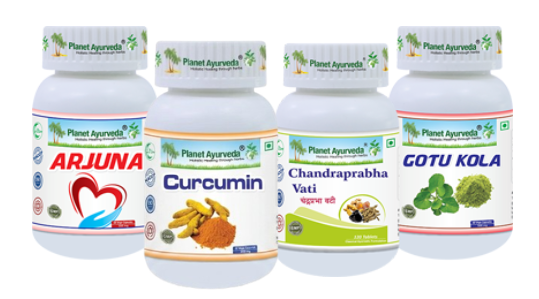
Planet Ayurveda is a wellness brand rooted in the traditional principles of Ayurveda. It offers a wide range of herbal formulations prepared with carefully selected natural ingredients. The brand focuses on supporting various aspects of health, including digestion, immunity, joint health, heart wellness, and women’s well-being. Planet Ayurveda combines classical Ayurvedic knowledge with modern quality standards to create convenient wellness products. Its formulations are designed to complement healthy lifestyle practices and daily self-care. The brand promotes a holistic approach that considers overall physical and mental well-being. Planet Ayurveda aims to make traditional Ayurvedic wellness accessible and practical for modern lifestyles. Here, we will discuss some effective Ayurvedic formulation that helps in the management of Hypercoagulability. Let’s start!

  1. Gotu Kola Capsules
  2. Arjuna Capsules
  3. Chandraprabha Vati
  4. Curcumin Capsules

Herbal Remedies for Hypercoagulability

Buy Now Herbal Remedies for Hypercoagulability

Buy Now<br /> Herbal Remedies for Hypercoagulability

Product Description

1. Gotu Kola Capsules

Gotu Kola Capsules containing Centella asiatica provide supportive Ayurvedic care for vascular health in people with hypercoagulability. Gotu Kola is traditionally used to support healthy circulation and the integrity of blood vessels. Its triterpenoid compounds, particularly asiaticoside and madecassoside, are associated with antioxidant and vascular-supportive activity. By supporting endothelial health and normal connective-tissue function, it contributes to maintaining healthy blood-vessel structure. It also supports tissue recovery and microcirculatorBlood function. From an Ayurvedic perspective, Gotu Kola is valued for supporting Rakta Vaha Srotas (channels of blood circulation) and maintaining healthy circulation.

Dosage: 1 Capsule twice daily after a meal with Plain water.

2. Arjuna Capsules

Arjuna Capsules containing Terminalia arjuna provide supportive cardiovascular care in hypercoagulability by helping maintain the structural and functional health of blood vessels. Its antioxidant constituents help protect the vascular endothelium from oxidative stress, an important factor in maintaining normal vascular function. Arjuna also supports healthy cardiac pumping and circulation, promoting efficient movement of blood through the vascular system. Its cardioprotective activity contributes to maintaining vascular resilience when circulatory stress is present. From an Ayurvedic perspective, Arjuna is considered Hridya (provides strength to the heart) and supports the healthy functioning of Rakta Vaha Srotas (channels of blood circulation). This makes it relevant as supportive care for maintaining vascular integrity and healthy circulation in individuals with an increased tendency toward clot formation.

Dosage: 1 Capsule twice daily after a meal with Plain water.

3. Chandraprabha Vati

Chandraprabha Vati, containing ingredients such as Shilajit, Guggul, Kapoor, Vacha, Mustak, and several other classical Ayurvedic components, supports metabolic and circulatory balance relevant to hypercoagulability. Guggul contributes anti-inflammatory and lipid-metabolism-supportive properties, helping maintain a healthier vascular environment. Shilajit is traditionally valued for supporting cellular energy and overall tissue function. Its antioxidant activity helps protect vascular tissues from oxidative stress, which is relevant to endothelial health. The formulation also supports efficient circulation and healthy tissue metabolism. From an Ayurvedic perspective, Chandraprabha Vati helps maintain proper Srotas (Channels) function and supports balanced movement of Vata through the body. These combined actions make it a supportive formulation for maintaining vascular and metabolic health in individuals with increased thrombotic risk.

Dosage: 2 tablets twice daily after a meal with Plain water.

4. Curcumin Capsules

Curcumin Capsules, containing concentrated curcuminoids from Curcuma longa, provide supportive vascular care relevant to hypercoagulability through their anti-inflammatory and antioxidant properties. Curcumin helps regulate inflammatory signalling pathways involved in endothelial activation and vascular stress. It also supports endothelial function by reducing oxidative damage to vascular tissues. By promoting a healthier vascular environment, curcumin contributes to maintaining normal blood-flow dynamics. Its effects on inflammatory mediators are particularly relevant when chronic inflammation contributes to an increased thrombotic tendency. Curcumin also supports healthy platelet and vascular responses as part of normal circulatory function. From an Ayurvedic perspective, turmeric (Haridra) is valued for supporting Rakta Shuddhi (Blood purification) and maintaining healthy Rakta Vaha Srotas (channels of blood circulation).

Dosage: 1 Capsule twice daily after a meal with Plain water.

Conclusion

Hypercoagulability is an increased tendency of the blood to form abnormal clots and may result from inherited thrombophilia, cancer, autoimmune disease, pregnancy, hormonal exposure, surgery, prolonged immobility, or other acquired conditions. The condition itself may remain silent until a thrombus develops, making recognition of risk factors important. DVT and pulmonary embolism are major manifestations of venous thrombosis, while arterial thrombosis can lead to serious events such as ischemic stroke or myocardial infarction. Diagnosis requires appropriate clinical assessment, laboratory testing, and imaging rather than relying on symptoms alone. Modern management centres on anticoagulation when thrombosis is present or prevention is indicated, together with treatment of the underlying cause and modification of risk factors. Ayurveda can provide a complementary perspective through individualised attention to Rakta, Srotas, diet, lifestyle, and systemic balance, but suspected or confirmed thrombosis requires appropriate medical evaluation and evidence-based treatment.
Herbal Remedies of How to Treat Recurrent Tonsillitis Without Surgery – Causes, Symptoms, Diagnosis & Treatment

Abstract

Recurrent tonsillitis may lead to repeated sore throat, fever, painful swallowing, and enlarged tonsils. Although surgery can be considered in severe or frequently recurring cases, non-surgical approaches may help suitable individuals manage symptoms and reduce recurrence. Its management can include prescribed medicines, adequate hydration, warm salt-water gargles, proper oral hygiene, sufficient rest, and avoiding throat irritants. Identifying the possible triggers, treating infections appropriately, and maintaining healthy daily habits can further support recovery and help prevent repeated episodes.

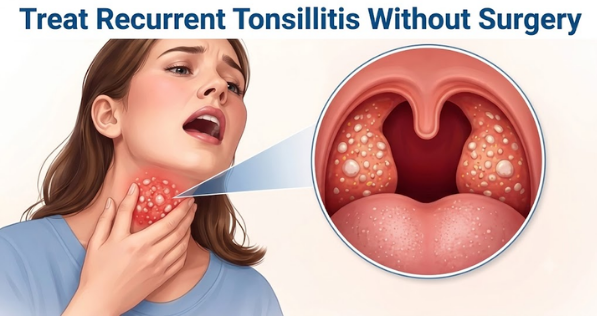
Treat Recurrent Tonsillitis Without Surgery

Statistics on Recurrent Tonsillitis

  • Recurrent tonsillitis is a common problem, affecting approximately 11–15% of children and adults and contributing to a significant proportion of sore-throat consultations in primary care.
  • The condition is particularly common among school-aged children, teenagers, and young adults, especially between 5 and 20 years of age.
  • Among patients considered for tonsil surgery, a substantial proportion report repeated acute episodes, with some experiencing five or more flare-ups within a year.
  • Repeated tonsillar infections may increase the likelihood of complications, including peritonsillar abscess, particularly in individuals with frequent or severe episodes.
  • Bacterial tonsillitis is responsible for approximately 15–30% of sore-throat cases in children and around 5–10% of sore-throat cases in adults.

Interesting Facts about Tonsils and Recurrent Tonsillitis

  • Tonsils are part of the immune system: Tonsils are made of lymphoid tissue and help the body recognize germs entering through the mouth and nose.
  • Tonsils have natural “pockets”: The surface of the palatine tonsils contains small folds and openings called crypts, which can trap mucus, food particles, bacteria, and dead cells.
  • Not every sore throat is tonsillitis: A sore throat can result from viral infections, allergies, irritation, reflux, or other conditions. Tonsillitis specifically involves inflammation of the tonsils.
  • The tonsils can look dramatic during infection. Enlarged, red tonsils may develop white or yellow spots during an infection.
  • Recurrent tonsillitis can affect daily life: Repeated episodes may interfere with school, work, sleep, eating, and normal activities, especially when infections occur several times a year.
  • Removing tonsils does not remove the entire immune system.
  • Repeated infections do not always mean surgery is necessary.
  • Sleep problems can be related to enlarged tonsils: Enlarged tonsils can narrow the upper airway in some children and may contribute to snoring or obstructive sleep-disordered breathing.
  • Recurrent tonsillitis and chronic tonsil problems are not exactly the same: Someone can experience repeated acute infections, while another person may have persistent tonsillar symptoms between episodes.

Introduction

Tonsillitis is an inflammation of the tonsils that commonly causes sore throat, difficulty swallowing, fever, swollen tonsils, and general discomfort. It can occur due to viral or bacterial infections and is particularly common among children and young adults. When these episodes occur repeatedly, the condition is known as recurrent tonsillitis. Frequent infections can affect daily activities, sleep, school attendance, work, and overall quality of life. Tonsillectomy, or surgical removal of the tonsils, may be considered when infections are very frequent, severe, or associated with complications. However, surgery is not the only approach for every person with recurrent tonsillitis.

Anatomy of Tonsils

Tonsils are lymphoid tissue collections that are situated around the throat and upper part of the airway. They are a part of the immune system. Together, these tissues form an incomplete protective ring known as Waldeyer’s ring. The main types of tonsils are:

Palatine tonsils

Located on both sides at the back of the throat. These are the tonsils commonly referred to when discussing tonsillitis.

Pharyngeal tonsils (adenoids)

Situated behind the nose in the upper part of the throat.

Lingual tonsils

Present at the back or base of the tongue.

Tubal tonsils

Located near the openings of the Eustachian tubes, connecting the upper throat region with the middle ears

Palatine ton sils contain numerous deep, branching crypts that extend into the tonsillar tissue and may collect mucus, microbes and food debris. Accumulated material can form tonsil stones and may contribute to recurrent inflammation. The plica triangularis is a mucosal fold near the upper tonsillar area that helps define the supratonsillar fossa

Causes of Recurrent Tonsillitis

Recurrent tonsillitis can develop when the tonsils become repeatedly exposed to infections or when factors make the throat more prone to inflammation. Common causes and contributing factors include:

Repeated viral infections

Viruses are among the most common causes of tonsillitis. Frequent colds, flu-like illnesses, and other respiratory infections can repeatedly inflame the tonsils. Children who frequently interact with other children may be exposed to viruses more often.

Repeated bacterial infections

Bacteria, particularly Streptococcus pyogenes (group A streptococcus), can cause acute tonsillitis. Incomplete treatment or repeated exposure to infected individuals may contribute to further episodes.

Close contact with infected people

Tonsillitis-causing infections can spread through respiratory droplets, saliva, coughing, sneezing, or close personal contact. Crowded schools, hostels, daycare centers, and households can increase exposure.

Persistent bacteria in the tonsillar crypts

Tonsils contain small natural grooves called crypts. Food particles, mucus, bacteria, and cellular debris can collect in these areas. This environment may contribute to persistent throat irritation and recurrent tonsil problems in some individuals.

Tonsil stones

Material trapped in deep tonsillar crypts can gradually harden into tonsil stones. They may cause bad breath, throat irritation, a foreign-body sensation, and sometimes repeated inflammation.

Weak or temporarily reduced immune defenses

Poor sleep, prolonged stress, inadequate nutrition, and certain illnesses can affect the body’s ability to respond effectively to infections. This may make some people more susceptible to repeated respiratory infections.

Air pollution and environmental irritants

Dust, smoke, chemical fumes, and heavily polluted air can irritate the upper respiratory tract. Such irritation may worsen existing tonsil inflammation and throat discomfort.

Chronic nasal problems

Conditions such as chronic rhinitis or nasal blockage can promote mouth breathing. Dryness and irritation caused by prolonged mouth breathing may aggravate throat discomfort.

Allergies and postnasal drip

Allergic conditions can increase mucus production and cause mucus to drain toward the throat. Persistent irritation may produce symptoms that resemble or worsen recurrent throat inflammation.

Signs and Symptoms of Recurrent Tonsillitis

Tonsillitis can develop quickly, particularly when it is caused by an acute infection. The symptoms may differ from person to person depending on the cause and severity of inflammation. The symptoms include:

Sore throat

A persistent sore, irritated, or scratchy feeling in the throat is one of the most common symptoms.

Pain while swallowing

Swallowing food, liquids, or even saliva may become uncomfortable or painful.

Inflamed tonsils

The tonsils may appear red, enlarged, and swollen because of inflammation.

White or yellow patches

Small spots, streaks, or a coating may appear on the surface of the tonsils during some infections.

Fever

An elevated body temperature may occur, particularly when tonsillitis is associated with an infection.

Tender neck glands

Lymph nodes around the neck may become enlarged or painful as the immune system responds to infection.

Bad breath

Unpleasant breath can occur due to infection, mucus, bacteria, or material collected in the tonsillar crypts.

Changes in voice

Swollen tonsils may make the voice sound muffled, altered, or different from normal.

Difficulty opening the mouth

Significant inflammation may sometimes make opening the mouth uncomfortable.

Headache and general weakness

Some people may experience headache, tiredness, body discomfort, or reduced energy during an acute episode.

Loss of appetite

Throat pain and difficulty swallowing may make eating less appealing, especially in children.

Ear pain

Pain may sometimes be felt around the ears even when the infection is primarily affecting the throat.

Sleep disturbance

Enlarged tonsils and throat discomfort can interfere with comfortable sleep and may contribute to snoring.

Diagnosis of Tonsillitis

A healthcare professional usually diagnoses tonsillitis by combining a physical examination, medical history, symptoms, and, when needed, laboratory testing. The main steps include:

Examination of the Throat

The doctor examines the throat and tonsils using a light.

Redness, swelling, enlargement, or white patches on the tonsils may be noted.

The appearance of the throat can provide clues about the underlying infection.

Review of Symptoms

The healthcare provider asks about symptoms such as sore throat, fever, difficulty swallowing, cough, runny nose, headache, stomach discomfort, or skin rash.

The duration and severity of symptoms are also considered.

This information helps distinguish tonsillitis from other conditions that can cause similar throat symptoms.

Examination of the Nose and Ears

The nose and ears may also be examined to look for signs of infection.

This is useful because infections affecting the upper respiratory tract can sometimes involve more than one area.

Checking the Neck Lymph Nodes

The doctor gently feels the sides of the neck.

Enlarged, tender lymph nodes may indicate that the immune system is responding to an infection.

Throat Swab

A throat swab may be recommended when a bacterial infection, particularly Group A Streptococcus, is suspected.

A sterile swab is gently rubbed over the back of the throat and tonsils to collect a sample.

The sample is then tested for specific bacteria.

Rapid Strep Testing

A rapid test may provide results relatively quickly when streptococcal infection is suspected.

A positive result supports the diagnosis of strep throat.

Depending on the situation, additional testing may be recommended if the rapid test is negative.

Throat Culture

A laboratory culture can be used to identify bacterial growth from the throat sample.

It may be particularly useful when the initial test does not provide a clear answer.

The result helps the healthcare provider decide whether antibacterial treatment is appropriate.

Management of Recurrent Tonsillitis

Management of recurrent tonsillitis aims to control each episode, identify the underlying cause, reduce future infections, and prevent complications. Surgery is not automatically required for everyone. Treatment depends mainly on whether tonsillitis is caused by a virus or bacteria. The management strategies include:

Take adequate rest

Plenty of sleep and reduced physical activity can support recovery and help the body cope with infection.

Drink enough fluids

Water and other suitable fluids help prevent dehydration and keep the throat moist. Small, frequent sips may be easier when swallowing is painful.

Choose soothing foods and drinks

Warm broth, caffeine-free tea, or warm water with honey may provide temporary throat relief. Cold foods such as ice pops may also feel soothing.

Try warm salt-water gargles

Individuals who are old enough to gargle safely may use warm salt water to ease throat discomfort. A commonly used mixture is ½ teaspoon of salt in about 237 mL (8 ounces) of warm water. The water should be spit out after gargling.

Maintain comfortable humidity

Dry air can worsen throat irritation. A cool-mist humidifier may help maintain moisture in the surrounding air.

Use age-appropriate throat lozenges

Children over 4 years may be able to use suitable lozenges to temporarily soothe throat discomfort. They should be used according to age and product instructions.

Avoid aspirin in children and teenagers

Aspirin should not be given to children or teenagers with certain viral illnesses because of its association with Reye’s syndrome, a rare but serious condition.

Take antibiotics exactly as prescribed

The medicine and duration depend on the infection and the patient’s individual circumstances. Antibiotics should not be stopped early simply because symptoms have improved, unless the prescribing healthcare professional advises otherwise. A history of drug allergies should be discussed before antibiotic treatment is started so that an appropriate medicine can be selected.

Ayurveda Insights

The symptoms of recurrent tonsillitis can be considered in relation to disorders affecting the throat, known as Kantha, with involvement of Kapha, Pitta, and Vata Doshas. Kapha may be associated with swelling, mucus, heaviness, and congestion, while Pitta may be reflected through redness, burning, inflammation, and fever. Vata may contribute to dryness, roughness, and variable throat discomfort. Ayurveda also emphasizes maintaining healthy Agni (digestive function) and avoiding the accumulation of Ama, traditionally considered an incompletely processed metabolic product. During recurrent throat problems, warm, freshly prepared, and easily digestible foods may be preferred, while excessively cold, heavy, oily, or overly sweet foods may be reduced if they aggravate Kapha.

Pathogenesis of Recurrent Tonsillitis

According to Ayurveda, recurrent tonsillitis can be understood as a repeated disturbance of Kapha and Pitta Doshas in the Kantha (throat region). Excess Kapha may lead to increased mucus, heaviness, congestion, and swelling, while aggravated Pitta can contribute to redness, heat, inflammation, and fever. Weak or irregular Agni (digestive fire) may contribute to the formation of Ama, which is traditionally described as an incompletely processed substance that can disturb normal tissue function. Repeated exposure to unsuitable foods, environmental irritants, poor daily routines, inadequate rest, and recurrent infections may further disturb Doshas. Accumulation of Kapha and inflammatory Pitta in the throat may impair local tissue balance and contribute to repeated episodes of throat discomfort and tonsillar inflammation.

Home Remedies for Recurrent Tonsillitis by Planet Ayurveda

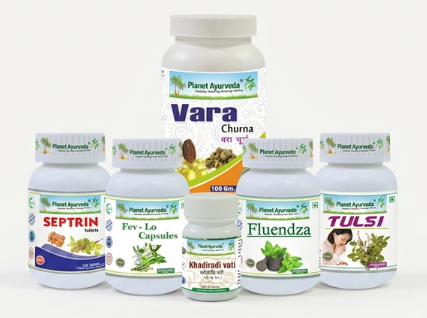
Planet Ayurveda is a well-established Ayurvedic healthcare organization that works to promote the ancient knowledge of Ayurveda through natural remedies and holistic health solutions. The company develops a wide range of herbal formulations using pure, high-quality ingredients and standardized herbal extracts, with a focus on maintaining safety, authenticity, and effectiveness. Following the principles of classical Ayurveda, Planet Ayurveda aims to support overall health by addressing the underlying causes of health concerns and encouraging balance in the body, mind, and emotions. With an emphasis on quality, natural ingredients, and traditional approaches supported by modern research, the organization works toward making Ayurvedic wellness solutions available globally. We will explore various herbal approaches used for the management of Recurrent Tonsillitis according to Ayurvedic principles. The herbal formulations are:

  1. Septrin Tablets
  2. Khadiradi Vati
  3. Fev-Lo Capsules
  4. Fluendza Capsules
  5. Tulsi Capsules
  6. Vara Churna

Herbal Remedies for Treat Recurrent Tonsillitis Without Surgery

Buy Now Herbal Remedies for Treat Recurrent Tonsillitis Without Surgery

Buy Now<br /> Herbal Remedies for Treat Recurrent Tonsillitis Without Surgery

Product description

1. Septrin Tablets

Septrin Tablets by Planet Ayurveda are an Ayurvedic polyherbal formulation containing Sonth (Zingiber officinale), Marich (Piper nigrum), Guggul (Commiphora mukul), Haldi (Curcuma longa), Tulsi (Ocimum sanctum) and Pippali (Piper longum). In the Ayurvedic approach to recurrent tonsillitis, these herbs are traditionally used to support respiratory and immune health, soothe throat inflammation, and help balance Kapha-related congestion. Tulsi, Haldi, Guggul, and the warming herbs may collectively support the body’s natural response to recurrent throat discomfort.

Dosage: 2 tablets twice daily after meals.

2. Khadiradi Vati

Khadiradi Vati is a classical Ayurvedic formulation containing Khadira (Acacia catechu), Bhimeseni Kapoor (Cinnamomum camphora), Kankol (Piper cubeba), Supari (Areca catechu), and Javitri (Myristica fragrans). Traditionally, it is used for throat and oral conditions, including sore throat and tonsillitis. Its astringent and soothing properties may help reduce throat irritation, while the aromatic ingredients support oral and throat comfort. In recurrent tonsillitis, it may be used as supportive Ayurvedic care to ease recurring throat discomfort and maintain local oral hygiene.

Dosage: 4 tablets throughout the day to be used as lozenges.

3. Fev-Lo Capsules

Fev-Lo Capsules are an Ayurvedic polyherbal formulation containing Sudarshan (Crinum latifolium), Kalmegh (Andrographis paniculata), Giloy (Tinospora cordifolia), Godanti Bhasma (purified gypsum), and Harshringar (Nyctanthes arbor-tristis). These ingredients are traditionally used for supporting the body during fever, inflammation, and infections. In recurrent tonsillitis, the formulation may help soothe throat inflammation, support immune function, and relieve fever-related discomfort. Its traditional Jwaraghna, anti-inflammatory, and immune-supporting actions may complement overall management, particularly when recurrent episodes involve fever and throat inflammation.

Dosage: 1 capsule twice daily with plain water after a meal.

4. Fluendza Capsules

These are an Ayurvedic herbal formulation containing Tulsi (Ocimum sanctum), Turmeric (Curcuma longa), Amla (Emblica officinalis), Giloy (Tinospora cordifolia), and Black Pepper (Piper nigrum). In Ayurvedic management of recurrent tonsillitis, these herbs are traditionally valued for supporting respiratory and immune health. Tulsi and Turmeric may help soothe inflammatory throat discomfort, while Amla and Giloy provide antioxidant and immune-supportive properties. Black pepper is traditionally considered useful for Kapha-related congestion and may complement the action of other herbs.

Dosage: 1 capsule twice daily with plain water after a meal.

5. Tulsi Capsules

Tulsi Capsules contain standardized Tulsi (Ocimum sanctum), an Ayurvedic herb traditionally used for respiratory and throat health. In the Ayurvedic approach to recurrent tonsillitis, Tulsi may help balance Kapha and Vata, while supporting throat comfort and the body’s natural defenses. Tulsi has antimicrobial, anti-inflammatory, antioxidant, and immunomodulatory action.

Dosage: 1 capsule twice daily with plain water after a meal.

6. Vara Churna

Vara Churna contains Haritaki (Terminalia chebula), Bibhitaki (Terminalia bellirica), and Amalaki (Emblica officinalis), the three fruits traditionally combined as Triphala. In Ayurveda, it is regarded as a supportive formulation for maintaining balanced Doshas and overall tissue health. It has astringent and cleansing properties that help support oral and throat hygiene. It also has antioxidant and anti-inflammatory properties that provide supportive care during recurrent throat discomfort.

Dosage: Make a decoction and use it as a gargle 2 to 3 times a day.

Conclusion

Managing recurrent tonsillitis without surgery requires a consistent and individualised approach. Identifying possible triggers, treating infections appropriately, maintaining good oral hygiene, staying hydrated, getting adequate rest and following a balanced diet can support recovery and may help reduce repeated episodes. Supportive measures such as warm saltwater gargles and avoiding smoke or other throat irritants may also provide relief. Ayurvedic approaches may be considered as complementary support under professional guidance. Regular medical evaluation remains important when episodes are frequent or severe. With appropriate care and preventive measures, many individuals may manage recurrent throat problems while avoiding unnecessary interventions.