Category: Low Immunity

Herbal Remedies of Pain and Lumps in my Breast – Causes, Symptoms, Diagnosis & Treatment

Abstract

Breast pain and lumps are common concerns in women over 40 and can occur due to hormonal changes, cysts, fibrocystic breast changes, infections, or other benign conditions. However, a new or persistent lump should not be ignored because breast cancer can sometimes present without pain. Proper evaluation helps identify the cause and provides reassurance when the findings are benign. Clinical breast examination is usually the first step, followed by breast imaging such as diagnostic mammography and breast ultrasound, depending on age and the nature of the lump. A breast MRI may be recommended in selected cases. If imaging shows a suspicious area, a core needle biopsy may be needed to confirm or exclude cancer.

Pain and Lumps in my Breast

Statistics on Breast cancer

  • Breast cancer is the most frequently diagnosed cancer among women worldwide, with more than 2.3 million new cases reported each year.
  • Breast cancer is uncommon in men and represents less than 1% of all breast cancer cases.
  • In the United States, approximately 1 in 8 women may develop invasive breast cancer during her lifetime.
  • When breast cancer is detected while it remains localized within the breast, the 5-year relative survival rate is over 99%.
  • Most breast cancer cases occur in women without a known family history. Inherited mutations such as BRCA1 and BRCA2 account for only a small proportion of cases.
  • Breast cancer is the most commonly diagnosed cancer among Indian women, accounting for approximately 27–32% of cancers affecting women.

Unusual Facts about Breast Cancer

  • Breast cancer can occur without a lump: Some cancers are detected through imaging before a noticeable lump develops.
  • A painless lump is more concerning than a painful one: Breast cancer often produces a firm, painless lump, although this is not always the case.
  • Breast size does not determine cancer risk: Having larger or smaller breasts does not by itself determine whether someone will develop breast cancer.
  • Cancer can develop in the upper outer breast: This region contains a large amount of breast tissue and is a relatively common location for breast tumors.
  • Breast cancer can occur during pregnancy: Pregnancy-associated breast cancer is uncommon but can be more difficult to detect because normal breast changes may mask a lump.
  • Not every breast lump is cancer: Cysts, fibroadenomas, infections, hormonal changes, and other benign conditions can also produce lumps.
  • Breast cancer can return years later: Certain hormone-receptor-positive breast cancers can recur many years after the initial treatment.

Introduction

Breast cancer is a major health concern affecting women across the world, although it can also occur in men. It develops when abnormal cells in the breast grow and multiply in an uncontrolled manner. These cells may form a lump or other changes within the breast and, in some cases, may spread to nearby lymph nodes or distant organs. Breast cancer is not a single disease; different types can behave differently and may require different approaches to treatment. Breast changes do not always indicate cancer. Lumps, breast pain, nipple changes, or changes in breast shape may result from benign conditions such as cysts, hormonal changes, or fibroadenomas. Nevertheless, a new, persistent, or unusual breast change should be assessed by a healthcare professional. Breast changes do not always indicate cancer. Lumps, breast pain, nipple changes, or changes in breast shape may result from benign conditions such as cysts, hormonal changes, or fibroadenomas. Nevertheless, a new, persistent, or unusual breast change should be assessed by a healthcare professional.

Why do women have pain and lumps in their breasts?

A breast lump is a localized area of tissue that feels different from the surrounding breast. Breast lumps are common and can occur at any age. Although the discovery of a lump can cause concern about breast cancer, most breast lumps are not cancerous. Their causes range from normal hormonal changes to benign breast conditions and, less commonly, malignant tumors. The common causes include:

Hormonal changes

Changes in estrogen and progesterone levels during the menstrual cycle can make breast tissue temporarily swollen, tender, or lumpy. These changes may become more noticeable before menstruation and often improve afterward.

Fibrocystic breast changes

Fibrocystic changes can produce areas of nodularity, tenderness, or multiple small lumps. They are benign and may fluctuate with hormonal changes.

Breast cysts

Cysts are fluid-filled sacs within the breast. They may feel smooth, round, or firm and can sometimes become painful, particularly before menstruation. Cysts are especially common during the reproductive years and around the menopausal transition.

Fibroadenoma

Fibroadenomas are benign solid breast tumors composed of glandular and connective tissue. They commonly occur in younger women and may feel firm, smooth, and mobile.

Infection or inflammation

Mastitis and breast abscesses can produce a painful lump accompanied by redness, warmth, swelling, or fever. These conditions are more frequently associated with breastfeeding but can occur in other circumstances.

Trauma or fat necrosis

An injury or previous breast surgery can damage fatty tissue and lead to fat necrosis. It may produce a firm lump that can sometimes resemble a tumor on examination or imaging.

Breast cancer

A malignant tumor may present as a new, firm, irregular, or relatively fixed lump. However, breast cancer does not always produce a clearly palpable mass, and benign lumps can have similar characteristics.

Signs and Symptoms of Breast Cancer in Women over 40

Breast cancer does not always cause noticeable symptoms in its early stages. However, certain new or persistent breast changes should be evaluated by a healthcare professional. These include:

Lumps or thickened breast tissue

  • A new, firm, or hard lump in the breast may be a warning sign.
  • A localized area that feels thicker, swollen, or different from the surrounding breast tissue should be assessed.
  • A lump may occur in the breast, chest area, or underarm.
  • Swelling around the collarbone or armpit may indicate enlarged lymph nodes.
  • Breast cancer lumps are often painless, but pain or tenderness in a specific area can also occur.

Changes in breast size or shape

  • One breast may develop an unexplained change in size or contour.
  • A noticeable difference between the two breasts that is new or persistent should not be ignored.
  • Changes may occur without an obvious lump.

Skin changes

  • Dimpling, puckering, or indentation of the breast skin may occur.
  • The skin may become thicker, swollen, or unusually firm.
  • Redness, darkening, or persistent skin discoloration may require evaluation.
  • Skin may develop a rough, pitted appearance resembling the surface of an orange, known as peau d’orange.

Nipple changes

  • A nipple that turns inward suddenly or changes its usual direction may be significant.
  • New nipple discharge, particularly bloody or spontaneous discharge, should be assessed.
  • Persistent crusting, scaling, or flaking around the nipple or areola may need evaluation.
  • A persistent rash or eczema-like change affecting the nipple should not be overlooked.

Other changes to watch for

  • Persistent swelling of part or all of the breast without an obvious cause.
  • A newly noticeable difference in breast appearance or texture.
  • Changes that persist or progressively worsen should receive medical attention.

Tests to Rule out Breast Cancer

Breast cancer diagnosis generally follows a systematic process. The tests selected depend on the woman’s age, symptoms, breast examination findings, and results of earlier investigations. A suspicious finding on imaging does not automatically mean cancer; biopsy and pathological examination are used to establish a definitive diagnosis. These include:

Clinical breast examination

  • A healthcare professional examines both breasts for lumps, thickening, swelling, skin changes, or alterations in breast shape.
  • The nipples and surrounding skin are also assessed for abnormalities.
  • The underarm and nearby lymph nodes may be examined for enlargement or unusual firmness.
  • Physical examination helps determine which imaging tests may be appropriate.

Mammography

  • Mammography uses low-dose X-rays to produce detailed images of breast tissue.
  • It can identify masses, architectural distortion, calcifications, and other abnormalities that may not be felt during examination.
  • Diagnostic mammography is commonly used when a woman has a new breast symptom or an abnormal clinical finding.

Breast ultrasound

  • Ultrasound uses high-frequency sound waves to create images of breast tissue.
  • It can help determine whether a lump is fluid-filled, solid, or has mixed characteristics.
  • Ultrasound is particularly useful for evaluating a palpable lump and may complement mammography.
  • It can also help guide a needle during certain biopsy procedur

Breast MRI

  • Magnetic resonance imaging (MRI) produces highly detailed images using a magnetic field and radio waves.
  • It may be recommended for selected women, such as those with a high risk of breast cancer or unclear findings on other imaging.
  • MRI is not routinely required for every breast lump.

Breast biopsy

  • A biopsy involves removing a small sample of breast tissue for microscopic examination.
  • Different techniques may be used, including core needle biopsy or other biopsy methods depending on the abnormality.
  • A biopsy can determine whether abnormal cells are benign or malignant.
  • It is the principal test used to confirm breast cancer when imaging shows a suspicious lesion.

Pathological and biomarker testing

  • Estrogen receptor (ER) and progesterone receptor (PR) testing determines whether the cancer is hormone-receptor positive.
  • HER2 testing evaluates whether the tumor has increased HER2 protein or gene activity.
  • Other pathological features, such as tumor type and grade, may also be assessed.
  • These findings help doctors understand the biological characteristics of the cancer and select appropriate treatment.

Lymph node assessment

  • If breast cancer is diagnosed, nearby lymph nodes may be evaluated to determine whether cancer cells have reached them.
  • Sentinel lymph node biopsy may be performed in appropriate cases to examine the first lymph nodes likely to receive drainage from the tumor.

Test for cancer staging

  • Additional investigations may be recommended when there is concern that cancer has spread beyond the breast or nearby lymph nodes.
  • Depending on the clinical situation, these may include CT, bone scan, PET/CT, MRI, or other targeted investigations.
  • Staging helps determine the extent of disease and guides treatment planning

Treatment and Management of Breast cancer

Breast cancer treatment is individualized according to the type, stage, grade, hormone-receptor status, HER2 status, overall health, and treatment goals. Some patients require a combination of treatments, while others may need only selected therapies. Regular follow-up after treatment is also important for monitoring recovery, treatment effects, and possible recurrence. The main approaches include:

Breast conserving surgery

Lumpectomy removes the cancerous tumor along with a small margin of surrounding healthy tissue. Most of the breast is preserved. Radiation therapy is commonly considered after breast-conserving surgery to reduce the risk of cancer returning in the treated breast.

Mastectomy

A mastectomy involves removing most or all of the breast tissue. Different forms of mastectomy may be selected depending on the tumor and individual circumstances. Breast reconstruction may be performed during the same operation or at a later stage. Mastectomy is not necessary for every breast cancer patient.

Lymph node surgery

Nearby lymph nodes may be examined to determine whether cancer cells have spread beyond the breast. Sentinel lymph node biopsy is commonly used to assess the first lymph nodes likely to receive cancer cells from the breast. More extensive lymph node removal may be considered when there is confirmed or significant lymph node involvement.

Radiation therapy

Radiation uses high-energy radiation to destroy cancer cells that may remain after surgery. It is frequently used following breast-conserving surgery. Selected patients undergoing mastectomy may also require radiation, particularly when there is a higher risk of local recurrence. Treatment schedules vary according to the individual clinical situation.

Chemotherapy

Chemotherapy uses medicines that circulate through the body to destroy or inhibit rapidly dividing cancer cells. It may be given before surgery (neoadjuvant therapy) to shrink a tumor or after surgery to reduce the risk of recurrence. Chemotherapy may also be used for advanced or metastatic breast cancer.

Hormone therapy

Hormone therapy is used when breast cancer cells contain estrogen receptors (ER) and/or progesterone receptors (PR). These medicines reduce the effect of hormones that can stimulate hormone-sensitive cancer cells. Treatment may continue for several years depending on the cancer characteristics and recurrence risk.

Targeted therapy

Targeted medicines act on specific molecules or biological pathways involved in cancer growth. HER2-targeted therapies are important for cancers that overexpress HER2. Other targeted treatments may be considered when particular genetic or molecular alterations are identified.

Immunotherapy

It helps the immune system recognise and attack the cancer cells. It is appropriate only for certain breast cancer subtypes and clinical situations, particularly some triple-negative breast cancers. particularly some triple-negative breast cancers.

Ayurvedic Insights of Breast Cancer

Ayurveda does not describe breast cancer as an exact one-to-one equivalent of the modern diagnosis. However, some breast masses and malignant conditions may be discussed in relation to Arbuda, Granthi, and Stana Roga, depending on their clinical characteristics. These concepts provide a traditional framework for understanding abnormal tissue growth, masses, and localized pathology.

Dosha Involvement

  • Vata may be associated with pain, irregular tissue changes, dryness, and abnormal movement or progression of disease.
  • Pitta may contribute to inflammatory features such as redness, warmth, burning, and tissue irritation
  • Kapha is traditionally associated with heaviness, firmness, stability, congestion, and excessive tissue accumulation.
  • Breast masses may therefore involve one or more doshas rather than a single dosha.

Dhatu and Srotas Perspective

Ayurveda considers breast tissue in relation to Mamsa Dhatu and Rasa Dhatu, while lactation is particularly associated with Stanya. Disturbances in tissue metabolism (Dhatvagni) and impaired movement or accumulation within bodily channels (Srotas) are traditionally considered important in the development of abnormal tissue changes.

Granthi and Arbuda

Granthi refers broadly to a nodular or localized mass, while Arbuda describes a more significant, persistent mass or abnormal growth in classical Ayurvedic literature. Their characteristics are assessed according to factors such as consistency, pain, mobility, growth, inflammation, and associated symptoms.

Agni and Ama

Ayurvedic approaches place considerable importance on maintaining Agni, or healthy metabolic function. Poor digestion and accumulation of Ama are traditionally considered factors that may disturb normal tissue metabolism. Dietary and lifestyle measures are therefore commonly emphasized as supportive measures.

Herbs used in Ayurveda

For breast cancer, herbs are best considered complementary supportive measures, while diagnosis and cancer-directed treatment should remain under the care of an oncology team. The herbs that can help are:

Ashwagandha (Withania somnifera)

Traditionally used for stress, fatigue, and general Rasayana support. Human evidence for cancer-related benefits remains limited, and it may interact with medicines.

Turmeric/Haridra (Curcuma longa)

Curcumin has demonstrated anti-inflammatory and anticancer effects in laboratory studies. However, these findings do not establish turmeric or curcumin as a breast-cancer treatment.

Guduchi/Giloy (Tinospora cordifolia)

Traditionally used for immune and general wellness support. Strong clinical evidence specifically in breast cancer is lacking.

Shatavari (Asparagus racemosus)

Traditionally associated with female reproductive health. Caution is particularly important in hormone-sensitive breast cancer, because its hormonal effects are not sufficiently established.

Tulsi (Ocimum sanctum)

Traditionally used for general wellness and respiratory support. Evidence for a direct role in breast cancer treatment is insufficient.

Amla (Phyllanthus emblica)

Used traditionally as a Rasayana and antioxidant-rich food/herb. It may be considered as part of general nutritional support rather than cancer therapy.

Conclusion

Breast health deserves regular attention, particularly after the age of 40. A new lump, persistent pain, nipple discharge, or an alteration in breast size or shape should be evaluated. Many breast changes are benign, but appropriate clinical assessment and timely imaging can help identify problems at an earlier stage. Mammography, ultrasound, and biopsy have important roles in evaluating suspicious findings and establishing the correct diagnosis. Treatment should be individualized according to the type and stage of disease and may involve surgery, radiation, chemotherapy, hormone therapy, targeted medicines, or immunotherapy. Healthy lifestyle habits and regular medical follow-up can further support overall wellbeing. Timely evaluation, and appropriate treatment remain important for achieving better outcomes and maintaining quality of life

Herbal Remedies of Glutathione IV Drip Therapy – Causes, Symptoms, Diagnosis & Treatment

Abstract

Glutathione IV drip therapy is a treatment in which glutathione, a naturally occurring antioxidant, is administered directly into a vein. It is commonly promoted for supporting antioxidant activity, skin brightness, and overall wellness, although clinical evidence for cosmetic benefits remains limited. Maintaining healthy skin and antioxidant balance requires consistent lifestyle habits rather than relying only on IV therapy. Ayurveda emphasizes proper diet, digestion, adequate sleep, stress management, and suitable herbs and formulations to support overall well-being. Ayurvedic approaches may complement healthy routines after IV therapy, but they should not be considered a proven method for preserving glutathione-related cosmetic results. Professional guidance is recommended for individualized care.

 Glutathione IV Drip Therapy

Statistics on Glutathione IV drips

  • IV glutathione is commonly administered in doses ranging from 600 mg to 2,000 mg per session.
  • Glutathione has a relatively short plasma half-life of approximately 10 minutes, after which it is broken down into its constituent amino acids.
  • Clinical evidence suggests that skin-lightening effects may occur temporarily in some individuals, with reported improvement in approximately 37.5% of participants in one study.
  • Adverse effects have been reported, including liver-related complications and serious allergic reactions.
  • IV administration delivers glutathione directly into the bloodstream, resulting in immediate systemic availability.
  • IV administration can produce substantially higher plasma concentrations than intramuscular administration.
  • Since circulating glutathione is cleared relatively quickly, any cosmetic effects may not be permanent and may require appropriate long-term skin and lifestyle care.

Interesting Facts about Glutathione

Often called the “master antioxidant”

Glutathione is sometimes given this nickname because it helps protect cells from oxidative stress and supports the activity of other antioxidants.

It is made inside the body

Unlike many nutrients that must come primarily from food, the body can synthesize glutathione from three amino acids: cysteine, glutamate, and glycine.

Most cells can produce it

Glutathione is present in many tissues, with particularly important concentrations found in the liver, where it participates in detoxification processes.

It has two forms

Glutathione mainly exists as reduced glutathione (GSH) and oxidized glutathione (GSSG). The balance between these forms reflects the cellular redox environment.

It can recycle other antioxidants

Glutathione participates in the regeneration of antioxidants such as vitamin C and vitamin E, helping maintain their antioxidant functions.

Cysteine can be a limiting factor

Although the body needs three amino acids to make glutathione, cysteine availability is often an important factor controlling its production.

It is not simply a “detox supplement”

Glutathione has legitimate biochemical roles, but claims that increasing glutathione automatically “detoxes” the entire body or produces dramatic cosmetic effects are more extensive than the available clinical evidence supports.

The brain also uses glutathione

Glutathione is present in the central nervous system and contributes to protecting neural cells from oxidative damage.

It is continuously recycled

Cells can convert oxidized glutathione back into its active reduced form, allowing glutathione to participate repeatedly in antioxidant defense.

Introduction

Glutathione IV drip therapy has gained attention in recent years as a treatment promoted for antioxidant support, skin brightening, and overall wellness. Glutathione is a naturally occurring compound produced by the body from three amino acids: cysteine, glutamic acid, and glycine. It plays an important role in protecting cells from oxidative stress and supports several metabolic processes, particularly in the liver. During IV therapy, glutathione is delivered directly into a vein, allowing it to enter the bloodstream without passing through the digestive system. Maintaining healthy skin after glutathione therapy involves more than focusing on glutathione levels alone. Adequate nutrition, hydration, regular physical activity, sufficient sleep, stress management, and protection from excessive sun exposure can contribute to healthier skin and overall well-being. These measures may help support the body’s natural antioxidant systems. Ayurveda takes a broader approach by emphasizing balanced digestion, proper nutrition, daily routines, restorative sleep, and individualized care. Certain Ayurvedic herbs and dietary practices are traditionally used to support healthy skin and overall metabolic balance. They may be considered as complementary measures rather than as a proven method for preserving the cosmetic effects of IV glutathione.

How Glutathione IV Therapy Works in the Body?

Glutathione is an endogenous antioxidant that helps protect cells against oxidative stress and participates in several metabolic and detoxification pathways. Its levels may be influenced by nutrition, age, illness, oxidative stress, and other physiological factors. Glutathione can be obtained through dietary sources and supplements, although oral administration may be affected by gastrointestinal digestion and metabolism. Glutathione IV therapy involves administering glutathione directly into a vein. This route bypasses the gastrointestinal tract and provides immediate systemic availability. However, claims of complete or 100% absorption should be interpreted cautiously, as bioavailability and clinical effectiveness can vary depending on the formulation, dose, and individual factors. Evidence supporting IV glutathione for cosmetic purposes, particularly skin lightening, remains limited. The duration of an infusion depends on the prescribed dose, formulation, and clinical protocol.

What Happens During an IV Session?

A healthcare professional administers the prescribed glutathione solution through an intravenous line. The infusion time can vary according to the dose, formulation, and clinical protocol. Patients are generally monitored during the procedure for any immediate reactions. The treatment does not usually require a prolonged recovery period, although individual responses can differ. The main attraction of glutathione therapy is its role in managing oxidative stress. Glutathione helps neutralize reactive compounds and works alongside other antioxidant systems to maintain cellular balance. It also participates in enzymatic reactions involved in the metabolism of certain compounds in the liver.

The Health Benefits of Glutathione IV Therapy

Glutathione is an important intracellular antioxidant involved in maintaining redox balance, cellular protection, and several metabolic processes. However, many benefits promoted for IV glutathione are based on proposed mechanisms or limited clinical evidence rather than established treatment outcomes. Its potential benefits can be understood as follows:

Supports antioxidant defense

Glutathione helps neutralize reactive oxygen species and protects cells from oxidative damage. It also works with other antioxidant systems to maintain cellular redox balance.

Supports immune function

Glutathione contributes to normal immune-cell activity and helps regulate redox-sensitive pathways involved in immune responses. Adequate glutathione availability is therefore important for normal immune function.

May help regulate oxidative stress and inflammation

Oxidative stress and inflammation are closely interconnected biological processes. Glutathione participates in antioxidant and cellular signaling pathways that help maintain this balance.

Support healthy skin

Glutathione has been studied for its potential effects on melanin production and skin pigmentation.

Supports liver antioxidant capacity

The liver contains substantial amounts of glutathione and uses it in several antioxidant and metabolic pathways. Glutathione is involved in the body’s handling of certain reactive compounds and xenobiotics. This biological role does not mean that IV glutathione can simply “flush out” toxins from the body.

Support metabolic health

Research has identified associations between glutathione status, oxidative stress, and metabolic conditions. Some experimental and clinical studies are investigating whether improving glutathione availability may influence metabolic pathways.

Role in healthy aging

Glutathione helps protect cells against oxidative stress, which is one of several biological processes associated with ageing. Maintaining normal antioxidant defenses may contribute to cellular health.

Recovery from exercise fatigue

Physical activity increases metabolic activity and can temporarily alter oxidative balance. Glutathione participates in antioxidant defense during these processes.

Effects on sleep and well being

Glutathione and sleep are biologically interconnected through oxidative and circadian processes. Research has explored relationships between antioxidant status and sleep quality.

Side Effects of Glutathione IV Therapy

Glutathione is naturally produced by the body, but intravenous administration involves giving a concentrated dose directly into the bloodstream. Although some people tolerate IV glutathione without significant problems, adverse reactions can occur. The risk may depend on the dose, formulation, infusion rate, treatment frequency, and individual health status. The potential side effects include:

Nausea

Some individuals may experience nausea during or after an infusion. It can occur as an immediate reaction to the treatment and may become more noticeable when higher doses are administered.

Abdominal discomfort

Bloating, abdominal discomfort, or cramping may occasionally be reported after treatment. These symptoms can vary between individuals and may resolve after the infusion is completed.

Diarrhoea

Loose stools or increased bowel movements have been reported in association with glutathione administration.

Allergic or hypersensitivity reactions

Hypersensitivity reactions are an important potential concern with IV administration. Symptoms may include itching, skin rash, hives, facial or throat swelling, breathing difficulty, or a sudden drop in blood pressure.

Dizziness

Dizziness may occur during or shortly after an infusion. Changes in blood pressure, the infusion process, dehydration, or an individual reaction to treatment may contribute to this symptom.

Electrolyte changes

Repeated or prolonged use of high-dose glutathione has raised concerns about possible changes in certain nutrient levels, including zinc.

Kidney-related concerns

The kidneys play an important role in eliminating metabolic waste and maintaining fluid and electrolyte balance. Claims that IV glutathione routinely “strains” the kidneys are not well established. Nevertheless, people with pre-existing kidney disease should undergo medical assessment before receiving intravenous therapy.

Liver-related effects

Although glutathione naturally participates in liver antioxidant pathways, adverse liver effects have been reported in association with some IV glutathione treatments.

Ayurveda Insights for Glutathione Therapy: How Can the Results Be Maintained?

Ayurvedic principles can provide a supportive approach to maintaining healthy skin, digestion, metabolism, and overall well-being after such therapy. The focus is not on replacing glutathione but on encouraging sustainable habits that support the body’s natural antioxidant and tissue-maintenance systems.

Support Agni (Digestive and Metabolic Function)

Ayurveda considers Agni important for proper digestion and metabolism. Regular meals, appropriate portion sizes, freshly prepared foods, and limiting excessive fried, highly processed, and sugary foods can support healthy digestion.

Follow a Skin-Supportive Diet 

A balanced diet containing vegetables, fruits, whole grains, legumes, nuts, and adequate protein provides nutrients required for normal skin maintenance. Foods naturally rich in vitamin C, carotenoids, and other antioxidant compounds can complement a healthy dietary pattern.

Maintain Adequate Hydration

Proper hydration supports normal physiological processes and helps maintain healthy skin. Water intake should be adjusted according to climate, activity level, diet, and individual requirements rather than following a fixed quantity for everyone.

Consider Rasayana-Based Support

Rasayana is an Ayurvedic approach focused on maintaining vitality, nourishment, and healthy ageing. Rather than promising to preserve a cosmetic effect permanently, an individualized Rasayana approach may emphasize nutrition, restorative routines, adequate sleep, and appropriate herbal support.

Prioritize Quality Sleep

Ayurveda places considerable importance on appropriate sleep (Nidra) for physical and mental well-being. Maintaining a consistent sleep schedule and reducing excessive screen exposure before bedtime can support overall recovery and healthy skin.

Manage Stress

Chronic psychological stress can influence sleep, eating patterns, inflammation, and skin health. Ayurveda emphasizes practices such as meditation, yoga, Pranayama, and Abhyanga as supportive measures for maintaining balance and relaxation.

Protect the Skin From Excessive Sun Exposure

Sun exposure can contribute to tanning, pigmentation, and premature skin ageing. Using suitable sun protection, wearing protective clothing, and avoiding excessive midday exposure are practical ways to help maintain an even skin appearance after cosmetic treatments.

Home Remedies for Glutathione IV drips maintenance by Planet Ayurveda

Planet Ayurveda is a well-established Ayurvedic healthcare organization that works to promote the ancient knowledge of Ayurveda through natural remedies and holistic health solutions. The company develops a wide range of herbal formulations using pure, high-quality ingredients and standardized herbal extracts, with a focus on maintaining safety, authenticity, and effectiveness. Following the principles of classical Ayurveda, Planet Ayurveda aims to support overall health by addressing the underlying causes of health concerns and encouraging balance in the body, mind, and emotions. With an emphasis on quality, natural ingredients, and traditional approaches supported by modern research, the organization works toward making Ayurvedic wellness solutions available globally. We will explore various herbal approaches used for maintenance of Glutathione IV Drips according to Ayurvedic principles. The herbal formulations are:

  1. Liver Detox Formula
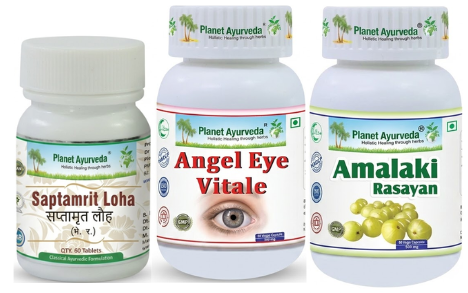
  2. Amalaki Rasayan
  3. Gandhak Rasayan
  4. Green Essentials

Glutathione IV Drip Therapy – Care Pack

Buy Now Glutathione IV Drip Therapy - Care Pack

Buy Now Glutathione IV Drip Therapy - Care Pack

Product description:

1. Liver Detox Formula

Liver Detox Formula may be considered a supportive Ayurvedic formulation for maintaining overall liver health after glutathione IV therapy. It contains Katuki, Punarnava, Kalmegh, Makoy, Jhavuka, Himsra, Haritaki, and Kasni, herbs traditionally used in Ayurveda to support liver function, digestion, and metabolic balance. A healthy liver is important for normal antioxidant and detoxification pathways, including the body’s natural glutathione metabolism. By supporting these physiological processes, the formula may complement healthy dietary and lifestyle practices following IV therapy.
Dosage: 1 capsule twice a day with plain water after meals.

2. Amalaki Rasayan

Amalaki Rasayana, prepared from Amalaki (Phyllanthus emblica), may provide complementary support after glutathione IV therapy by promoting overall antioxidant and skin health. Amalaki is traditionally regarded in Ayurveda as a Rasayana and is valued for its nourishing and rejuvenating properties. It naturally contains vitamin C and other antioxidant compounds that may help support the body’s defense against oxidative stress. Regular use, along with a balanced diet, adequate hydration, quality sleep, sun protection, and stress management, may contribute to maintaining healthy-looking skin and overall wellness.
Dosage: 1 capsule twice a day with plain water after meals.

3. Gandhak Rasayan

Gandhak Rasayana, traditionally prepared using purified Gandhak (Sulphur), is an Ayurvedic formulation traditionally associated with skin health and Rasayana support. In the context of glutathione IV therapy, it may be considered a complementary approach for maintaining healthy skin and supporting overall tissue health. Ayurveda traditionally uses Gandhak in formulations intended to support skin conditions and maintain skin clarity. Its use should be combined with balanced nutrition, adequate hydration, regular sleep, sun protection, and healthy daily routines.
Dosage: 2 tablets twice a day with lukewarm water.

4. Green Essentials

Green Essentials, containing grape seed, wheatgrass, spirulina, green tea, and Amla, may provide nutritional and antioxidant support as part of a healthy routine following glutathione IV therapy. These ingredients contain various naturally occurring polyphenols, vitamins, minerals, pigments, and other bioactive compounds that contribute to antioxidant defense. Amla is traditionally valued in Ayurveda for its Rasayana properties, while grape seed and green tea provide polyphenols that have been studied for their antioxidant potential. Wheatgrass and spirulina can complement overall nutritional intake.
Dosage: 1 capsule twice a day with plain water after meals.

Conclusion

The cosmetic effects associated with glutathione therapy may be temporary, making long-term skin care and healthy lifestyle habits important for maintaining overall results. Ayurveda offers a holistic approach that focuses on balanced nutrition, healthy digestion, adequate hydration, restful sleep, stress management, and protection from excessive sun exposure. Ayurvedic herbs and formulations traditionally used for antioxidant, skin, liver, and Rasayana support may be incorporated according to individual requirements and professional guidance. Various supportive herbs may complement a nourishing diet and consistent daily routine.