September 17, 2026
The Science Behind Seasonal Affective Disorder
Abstract
Seasonal Affective Disorder (SAD) is a type of recurrent depression that occurs in a seasonal pattern, most commonly during the autumn and winter months when daylight hours are reduced. It is characterized by low mood, fatigue, sleep disturbances, increased appetite, and reduced interest in daily activities. The condition is believed to be associated with changes in circadian rhythm, serotonin levels, and melatonin production due to decreased sunlight exposure. Early diagnosis and appropriate management, including light therapy, psychotherapy, lifestyle modifications, and medical treatment when necessary, can significantly improve symptoms and quality of life.

Facts of Seasonal Affective Disorder (SAD)
- SAD is a recognized subtype of major depressive disorder with a seasonal pattern.
- It most commonly begins in late autumn or early winter and improves during spring and summer.
- Reduced exposure to natural sunlight is considered a major contributing factor.
- Women are affected more frequently than men.
- Light therapy is one of the most effective treatments for many individuals with SAD.
- SAD can affect sleep, appetite, energy levels, and emotional well-being.
Statistics of Seasonal Affective Disorder (SAD)
- Approximately 5% of adults in the United States experience SAD in a given year.
- Symptoms may last for about 40% of the year in affected individuals.
- Women are diagnosed with SAD about four times more often than men.
- SAD is more common in people living farther from the equator, where winter daylight hours are shorter.
- Many people experience a milder form known as winter blues, which does not meet the full criteria for SAD.
Introduction
Seasonal Affective Disorder (SAD) is a mood disorder in which depressive symptoms occur repeatedly during a specific season each year. The most common form is winter-pattern SAD, where symptoms begin in the colder months and resolve as daylight increases in spring. Less commonly, some individuals experience summer-pattern SAD, with symptoms appearing during the warmer months. SAD can have a significant impact on daily functioning, affecting work performance, relationships, and overall quality of life. Understanding its causes, symptoms, and diagnostic process is essential for timely intervention and effective management..
Causes of Seasonal Affective Disorder (SAD)
The exact cause of SAD is not fully understood, but several biological and environmental factors are believed to contribute to its development:
Reduced sunlight exposure
Shorter days and less sunlight can disrupt the body’s internal clock.
Circadian rhythm disruption
Changes in daylight can affect sleep-wake cycles and mood regulation.
Serotonin imbalance
Lower serotonin activity may contribute to feelings of depression.
Melatonin changes
Increased melatonin production during darker months can cause sleepiness and lethargy.
Vitamin D deficiency
Reduced sunlight may lower vitamin D levels, which can influence mood.
Genetic factors
A family history of depression or SAD may increase susceptibility.
Symptoms of Seasonal Affective Disorder (SAD)
Symptoms of SAD are similar to those of major depression but occur in a seasonal pattern. Common symptoms include:
- Persistent sadness or low mood
- Loss of interest in previously enjoyable activities
- Low energy and fatigue
- Excessive sleep or difficulty waking up
- Difficulty concentrating
- Increased appetite, especially cravings for carbohydrates
- Weight gain
- Irritability or anxiety
- Feelings of hopelessness or worthlessness
- Social withdrawal
Diagnosis of Seasonal Affective Disorder (SAD)
SAD is diagnosed by a healthcare professional based on clinical evaluation and symptom history. There is no single laboratory test for SAD, but the following factors are considered:
- Seasonal pattern: Depressive episodes occur at the same time each year.
- Duration: Symptoms persist for at least two consecutive seasonal periods.
- Symptom severity: Symptoms significantly affect daily life and functioning.
- Psychological assessment: A mental health evaluation helps identify depressive symptoms and rule out other conditions.
- Medical evaluation: Blood tests may be performed to exclude conditions such as thyroid disorders or vitamin deficiencies that can mimic depression.
A diagnosis of SAD is usually made when recurrent depressive episodes clearly follow a seasonal pattern and improve during another season. Early recognition and treatment can help prevent symptoms from worsening and improve overall well-being.
Ayurvedic Overview on Seasonal Affective Disorder (SAD)
In Ayurveda, Seasonal Affective Disorder (SAD) is understood as a disturbance in the natural harmony between the body, mind, and environment caused by seasonal changes. Although the term “SAD” is not directly mentioned in classical Ayurvedic texts, its symptoms closely resemble conditions associated with imbalances in the Vata, pitta and Kapha doshas, along with disturbances in the mental faculties known as Manasika Bhavas (Mental Emotions). Ayurveda emphasizes that human health is deeply influenced by nature’s cycles. For example during autumn and winter, the environment becomes colder, darker, heavier, and less active. These qualities can increase Kapha dosha, leading to sluggishness, excessive sleep, weight gain, and emotional heaviness. At the same time, irregular routines, lack of sunlight, and mental stress can aggravate Vata dosha, resulting in anxiety, restlessness, poor concentration, and mood fluctuations.
Relation between Seasonal Affective Disorder (SAD) and Tridoshas
Vata Dosha and SAD
Vata dosha is associated with movement, the nervous system, and mental activity. During autumn and winter, Vata naturally tends to increase due to cold, dryness, and wind. When aggravated, Vata may contribute to symptoms commonly seen in SAD, such as anxiety, restlessness, insomnia, mood swings, and difficulty concentrating. People with a dominant Vata constitution may feel emotionally unstable during seasonal changes and may experience irregular sleep patterns or increased worry.
Kapha Dosha and SAD
Kapha dosha is associated with stability, heaviness, and nourishment. In winter, Kapha can accumulate due to cold, damp weather and reduced physical activity. Excess Kapha is often linked to the classic symptoms of SAD, including lethargy, excessive sleep, low motivation, weight gain, and feelings of sadness or emotional heaviness. Kapha imbalance may make a person feel withdrawn, sluggish, and less interested in daily activities
Pitta Dosha and SAD:
Pitta dosha governs metabolism, transformation, and emotional intensity. Although Pitta is not usually the primary dosha involved in SAD, an imbalance can occur when reduced sunlight and disrupted routines affect emotional regulation. Aggravated Pitta may lead to irritability, frustration, anger, or feelings of hopelessness, especially when a person is unable to maintain their usual level of productivity or activity.
Effective Activities for Managing Seasonal Affective Disorder (SAD)
- Daily sunlight exposure: Spend at least 20–30 minutes outdoors in natural daylight, preferably in the morning. Sunlight helps regulate the body’s internal clock and may improve mood by supporting serotonin production.
- Regular physical exercise: Engage in activities such as brisk walking, jogging, cycling, dancing, or swimming. Exercise releases endorphins, improves circulation, and helps reduce feelings of fatigue and low mood.
- Light therapy: Use a medically approved light therapy box under professional guidance. Sitting near bright light for a prescribed duration each day can help compensate for reduced natural sunlight during winter.
- Yoga practice: Practicing gentle yoga poses such as Surya Namaskar, Bhujangasana, and Ustrasana can be highly beneficial for individuals experiencing Seasonal Affective Disorder (SAD). These yoga practices help improve blood circulation, enhance energy levels, increase flexibility, and promote emotional balance. Regular yoga practice also supports relaxation, reduces stress, and helps calm the mind, making it an effective complementary activity for managing seasonal mood changes.
- Pranayama and breathing exercises: Practicing Anulom Vilom, Bhramari Pranayama, and deep breathing exercises can be highly beneficial for individuals experiencing Seasonal Affective Disorder (SAD). These breathing techniques help calm the nervous system, reduce stress and anxiety, and promote mental relaxation. Regular practice can also improve emotional stability, enhance concentration, and create a sense of inner peace during periods of seasonal mood changes.
- Meditation and mindfulness: Spend 10–20 minutes daily practicing meditation or mindfulness. This can help improve mental clarity, reduce negative thoughts, and promote emotional stability.
- Maintain a regular sleep routine: Go to bed and wake up at the same time each day. A consistent sleep schedule helps regulate the circadian rhythm, which is often disrupted in SAD.
- Social engagement: Stay connected with family and friends through conversations, group activities, or community events. Social interaction can reduce feelings of isolation and improve mood.
- Creative hobbies: Engage in activities such as painting, music, gardening, cooking, writing, or crafting. Creative expression can provide a sense of accomplishment and emotional release.
- Warm oil self-massage (Abhyanga): In Ayurveda, gentle self-massage with warm sesame oil can help calm Vata dosha, improve circulation, and promote relaxation during cold seasons.
- Balanced nutrition: Prepare warm, freshly cooked meals with seasonal vegetables, whole grains, and mild spices such as ginger, cinnamon, and turmeric. Avoid excessive processed foods, sugary snacks, and heavy fried foods.
- Gratitude journaling: Write down three positive things each day. This simple practice can help shift focus from negative thoughts to positive experiences and improve emotional resilience.
- Nature walks: Take walks in parks or natural surroundings whenever possible. Being in nature can reduce stress, improve mood, and provide exposure to natural light.
- Limit screen time: Reduce excessive use of phones, computers, and television, especially before bedtime. Too much screen exposure can interfere with sleep and worsen mood disturbances.
Herbal Remedies for Seasonal Affective Disorder (SAD) by Planet Ayurveda
Planet Ayurveda is a trusted Ayurvedic company dedicated to promoting natural health and wellness through authentic herbal formulations based on the ancient principles of Ayurveda. The company uses standardized herbal extracts and traditional Ayurvedic ingredients to create products that support overall physical, mental, and emotional well-being. Planet Ayurveda emphasizes purity, quality, and holistic healing, offering remedies that aim to restore balance within the body and support its natural healing processes. In Ayurveda, as we have learned, such seasonal mood changes are often associated with imbalances in Vata and Kapha doshas, which may lead to lethargy, emotional heaviness, anxiety, and reduced mental clarity. Now, let us learn what Planet Ayurveda offers for managing Seasonal Affective Disorder (SAD) and how its herbal formulations may help support emotional balance, mental calmness, and overall well-being during seasonal transitions.
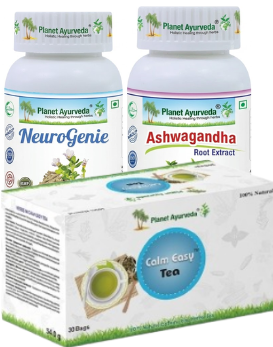
- Neurogenie Capsules
- Ashwagandha Capsules
- Calm Easy Tea
Herbal Remedies of Seasonal Affective Disorder

Product Description
1. Neurogenie Capsules
Neurogenie Capsules contain Brahmi (Bacopa monnieri) and Ashwagandha (Withania somnifera), two renowned Ayurvedic herbs that may help support individuals experiencing Seasonal Affective Disorder (SAD). Brahmi is traditionally known for its Medhya Rasayana properties, which help nourish the nervous system, enhance mental clarity, improve concentration, and calm the mind. It may be beneficial in reducing mental fog, forgetfulness, and emotional instability often associated with SAD. Ashwagandha, a powerful adaptogenic herb, helps the body cope with stress, supports balanced cortisol levels, improves energy and vitality, and promotes emotional resilience. Together, these herbs may help reduce anxiety, fatigue, restlessness, and low mood while supporting better sleep quality and overall mental well-being during seasonal transitions.
Dosage: 2 capsules twice daily with plain water after meals.
2. Ashwagandha Capsules
Ashwagandha Capsules contain pure Ashwagandha (Withania somnifera), a renowned Ayurvedic adaptogenic herb known for its ability to support the nervous system and help the body cope with stress. In individuals experiencing Seasonal Affective Disorder (SAD), Ashwagandha may help reduce stress, anxiety, restlessness, and mental fatigue while promoting emotional balance and resilience. It also supports healthy energy levels, improves sleep quality, and helps maintain overall mental well-being during seasonal transitions, especially when symptoms of low mood, lethargy, and lack of motivation are present.
Dosage: 1 capsule twice daily with plain water after meals.
3. Calm Easy Tea
Calm Easy Tea by Planet Ayurveda is a carefully crafted herbal tea formulated to promote relaxation, emotional balance, and overall mental well-being. In individuals experiencing Seasonal Affective Disorder (SAD), it may help calm the nervous system, reduce stress and anxiety, ease mental restlessness, and support restful sleep during seasonal transitions. Its ingredients include Cinnamon (Cinnamomum zeylanicum), Ginger (Zingiber officinale), Licorice (Glycyrrhiza glabra), and Ashwagandha (Withania somnifera), etc. These herbs work synergistically to provide gentle warmth, support circulation, nourish the body, and enhance the body’s ability to cope with stress and fatigue. Together, they may help reduce low mood, improve relaxation, promote emotional stability, and support overall mental wellness in individuals affected by Seasonal Affective Disorder.
Dosage: 1 cup once daily.
Conclusion
Seasonal Affective Disorder (SAD) is a significant mood disorder influenced by reduced sunlight exposure, biological changes, and seasonal environmental factors. It can affect emotional well-being, energy levels, sleep, appetite, and daily functioning. Early recognition of symptoms and timely diagnosis are essential for effective management. A combination of modern approaches such as light therapy, psychotherapy, and lifestyle modifications, along with Ayurvedic principles of balancing Vata and Kapha doshas, can provide comprehensive support. Regular sunlight exposure, exercise, yoga, pranayama, meditation, and a balanced diet play an important role in improving mood and emotional resilience. Planet Ayurveda’s herbal formulations may further support mental calmness, stress management, and overall well-being, helping individuals maintain a healthier and more balanced life during seasonal transitions.

Dr. Vikram Chauhan
https://www.planetayurveda.comDr. Vikram Chauhan (MD - Ayurveda) is a Globally Renowned Ayurveda Physician with Expertise of more than 25 Years. He is the CEO & Founder of http://www.PlanetAyurveda.com, a leading Ayurveda Brand, Manufacturing, and Export Company with a Chain of Clinics and Branches in the US, Europe, Africa, Southeast Asia, India, and other parts of the World. He is also an Ayurveda Author who has written Books on Ayurveda, translated into Many European Languages. One of his Books is "Ayurveda – God’s Manual for Healing". He is on a Mission to Spread Ayurveda All Over the Planet through all the Possible Mediums. With his Vast Experience in Herbs and their Applied Uses, he is successfully treating Numerous Patients suffering from Various Ailments with the help of the Purest Herbal Supplements, Diet, and Lifestyle, according to the Principles of Ayurveda. For More Details, visit - www.planetayurveda.com, www.alwaysayurveda.com
View more posts from this author