Author: Dr. Vikram Chauhan

Ayurvedic View on Gua Sha- A Traditional Chinese Healing Method

DESCRIPTION

Gua Sha is a traditional Chinese healing method that is used by professionals. It is a smooth-edged shaped tool which helps improve circulation. It scrapes the skin with short or long strokes which stimulates microcirculation and thus increases the flow of blood. It was first referred to in classical textbooks called Shang Han Lun dated 200 CE. In Chinese, it is commonly known as Gua Sha in Indonesia, it is Kerokan. Is a tool which is used to scrape the skin in order to lighten the Petechiae. The latest and greatest trend is the beautiful crystal which is one of the oldest treatments of Chinese medicine. It is helpful in treating chronic pain which is present all over the body and it is performed alongside various complementary treatments such as Herbal medicine, Acupuncture and Heat Therapy.

Gua Sha- Traditional Chinese healing method

HISTORICAL OUTLOOK- THE BEGINNING OF GUA SHA

Gua Sha was practiced in the Paleolithic Age when the hands and stones are rubbed over the various parts of the body to alleviate the pain and was widely used in the Ming Dynasty (1368-1644) by ancient Chinese. Depending upon the Socioeconomic status, the various materials are used as a scraper. In China, they use copper, horns of animals, pointed stones and different metals are used in the form of Gua Sha.

DEFINITION OF GUA SHA

Gua Sha is defined as the scraping of illness, which involves a variety of tools and includes Bian Stone, Jade, Ox Horn and rubbing different parts of the body in one direction over and over again. Its main goal is to activate the circulation of blood and relieve various ailments and diseases. The Term Gua refers to Stroke and the term Sha refers to Reddish petechiae which appears on the skin. In Gua Sha there are pathways where the blood and Vital energies flow to the network and connect to the internal organs, thus stimulating the flow of blood and removing coldness and negative energy and promoting the lymphatic fluid from the body. There is a Gua Massage Tool which is a common technique of applying oil to the surface of the skin and this tool gets repeatedly scraped in a downward motion.

BENEFITS OF GUA SHA

  • Stimulates Circulation- It is helpful in stimulating circulation, which is helpful in easing and lowering the retention of fluid.
  • Helps in producing collagen- Gua is helpful in decreasing puffiness and softening wrinkles and fine lines by producing more collagen and brightening the complexion.
  • Decreases Inflammation- Gua Sha is helpful in relieving pain and tightness in the various parts of the body. Has anti-inflammatory actions.
  • Diminishes Dark Circles- It is helpful in softening fine lines and stimulates the collagen and temporarily tightens the skin.
  • Sculpts Facial Muscles- Useful in the jawline and cheekbone area which is helpful in releasing the tight facial skin and provides the temporary appearance of a more sculpted face.

POTENTIAL BENEFITS

  • Hepatitis B- It is helpful in lowering the amount of inflammation in the liver which is caused by the Hepatitis B virus.
  • Migraines- Gua Sha which is helpful in easing the migraine pain
  • Tourette’s Syndrome- This commonly affects the nervous system and causes sudden twitches, so Gua Sha is useful in improving the symptoms.
  • Neck Pain- In chronic neck pain, Gua sha is useful in providing ease of pain.
  • Perimenopausal Symptoms- In these hot flashes, Sleep Issues, Mood Swings and many symptoms are felt, so Gua Sha is useful in improving the symptoms.
  • Breast Fullness- It is helpful in easing pain and tenderness and thus makes breastfeeding easier.

TECHNIQUE

  • It involves repeated pressed strokes over the lubricated skin with smooth edged and a blunt instrument.
  • Skin is firmly lubricated with massage oil, In China Ceramic spoon, Well Worn Coin and a simple metal cap with a Blunt rounded edge are used.
  • In case of fatigue or in heavy manual labour the piece of ginger which is soaked in rice used to rub from top to bottom.
  • On the Face- It is helpful in increasing circulation and produces anti-ageing molecules, Collagen and Elastin. A polished Tool which is made from quartz is useful for massaging. Collagen will decrease wrinkles and elastin and keep the face firm, helpful in detoxification. Promotes lymphatic drainage.

1. Reduces puffiness around eyes

  1. Lubricate the eye area with oil
  2. Then use gua sha over the under-eye area to the hairline part.
  3. Repeat this process thrice daily from the inside corner of the brow to the temple area.

2. Promotes lymphatic drainage

  1. Start from the chin, then move the gua sha along the jawline and move up to the ear region.
  2. Move it behind the ear and below the neck
  3. Daily repeat it three times a day.

3. To relieve Tension in Head Region

  1. Start from the middle region of the forehead and move outwards the temple and to the hairline
  2. Repeat it as many times as possible.

4. To Contour and De-puff Nose

  1. Move the Gua Sha tool up to the bridge of the nose
  2. Then bring it down along the side of Nose to the cheek region
  3. Repeat it thrice daily

5. To Contour and De-Puff the Chin

  1. Move the Gua sha tool from the middle of the chin to the jawline portion towards the ear
  2. Repeat it three times a day.

6. To Firm the Decolletage

  1. Start from the outer corner of the jaw near the ear lobes
  2. Then move it down to the neck above the collar region
  3. Repeat it three times a day.

ADVANTAGES OF APPLYING GUA SHA IN FACIAL TECHNIQUES

  1. Skin renewal
  2. Reduces inflammation and puffiness
  3. Smoothens the fine lines and wrinkles
  4. Boosts the collagen and elastin
  5. Promotes luminous skin tone
  6. Helpful in flushing out excess toxins and fluids

Sun and Liu both are advised by Gua Sha to form a self-care at home which is useful in stimulating the facial muscles and meridian which affects the blood flow and causes the bursting of the face which causes red and purple bruises. So Gua sha must be done with proper care in a sterile environment.

IN AYURVEDA

In ayurveda, Kansa is used as a healing metal. It is helpful in draining the lymph nodes which detoxifies and energises the skin. Gua sha which is made up of Kansa removes all the blockages, relieves stress and depuffs the facial muscles like a glass-like, glowing and sculpted face. If Copper is used in Gua Sha it has heat-releasing properties which balance all tridoshas of the body and removes dioxins from the body.

Regular Use

  1. Deeply restores and contours the face
  2. Lifts and provides tone to the facial muscles
  3. Increases elasticity and glass skin
  4. Treats Acne, Inflammation

KUMKUMADI TAIL

Kumkumadi Tailam is an Ayurvedic herbal oil preparation for face massage which is useful in improving the texture of the skin and relieves all the skin problems such as Acne, Scars. Kumkum is ‘Saffron’ which when sued with the Gua Sha tool balances the Tridoshas of the body as

  • Grounding, Nourishing and Warming of the Oil Balances The Vata doshas.
  • Cleaning, Cooling and a calming agent will be helpful in Balancing the Pitta doshas.
  • Energising, Motivating and activating are useful in balancing the Kapha doshas.

Kumkumadi Oil is a classical herbal oil formulation which contains various ingredients which are useful in improving the complexion and texture of the skin, when used with Gua Sha is useful in increasing the Circulation of blood and increases the production of collagen for youthful firmer skin.

VARIOUS INGREDIENTS ARE

No. Herb Used Latin Name Quantity

 No. Herb Used Latin Name Quantity
1. Rakta Chandan Pterocarpus santalinus 1.25%
2. Manjistha Rubia cordifolia 1.25%
3. Yashtimadhu Glycyrrhiza glabra 1.25%
4. Daruhaldi Berberis aristata 1.25%
5. Ushira Vetiveria zizanioides 1.25%
6. Padmaka Prunus puddum 1.25%
7. Vat Ficus benghalensis 1.25%
8. Kesar Crocus sativus 1.25%
9. Pipal Ficus religiosa 1.25%
10. Nagkesar Mesua ferrea 1.25%
11. Til Sesamum indicum 100%
12. Cow Milk 100%
13. Dashmool Powder 60%

Products List

  1. Rakta Chandan
  2. Manjistha
  3. Yashtimadhu
  4. DaruHaldi
  5. Ushira
  6. Padmaka
  7. Vat
  8. Kesar
  9. Pippali
  10. Nagkesar
  11. Til
  12. Cow Milk
  13. Dashmool Powder

PRODUCTS DESCRIPTION

1. Rakta Chandan

Rakta Chandan (Pterocarpus santalinus) is a heartwood powder useful in healing acne of skin and providing glowing skin. It helps balance the Kapha and Pitta Doshas and is useful in detoxifying the blood so useful in various bleeding disorders. Has Roopan property, rich in antioxidants which fight against free radicals and prevent gastric cell damage. Improves the skin complexion and stops the burning sensation thus clears wounds.

2. Manjistha

Manjistha (Rubia cordifolia) is a natural blood detoxifier which is useful in many skin diseases. It helps balance Kapha and Pitta doshas. Enhances the complexion of the skin, has healing properties and thus stimulates the liver and spleen. Boosts immunity and is useful in fighting against various infections. Improves the digestive fire as it has Deepan (appetiser) and Pachan (digestive) properties.

3. Yashtimadhu

Yashtimadhu (Glycyrrhiza glabra) helps promote longevity. Improves the complexion of the skin and colour. Heals ulcers and wounds. Enhances immunity which helps fight off viruses. Promotes longevity of life and heals wounds. Pacify the pitta and Rakta doshas. Has antimicrobial properties which fight against viral and bacterial infections.

4. DaruHaldi

Daruhaldi (Berberis aristata) has antifungal and antibacterial properties. Balances Pitta and Kapha doshas, Stimulates the digestive fire and heals wounds. Provides nourishment to the skin and regulates the metabolism of the body. Controls Heavy menstrual bleeding due to its astringent property.

5. Ushira

Ushira (Vetiveria zizanioides) is helpful in pacifying the Pitta doshas. Treats Gastric disorders improves the texture of the skin and makes skin glow. Relieves Ama doshas which dry the channels and are useful in various blood disorders such as abscesses. Provides strength to the stomach and removes all the impurities and toxins from the body.

6. Padmaka

Padmaka (Prunus puddum) manages various skin diseases and promotes skin to get brighter and makes it glow. Enhances Appetite and controls Nausea and vomiting. Useful in various skin disorders such as herpes and in discolouration of the skin. Alleviates the burning sensation and itching in the body.

7. Vat

Vat (Ficus benghalensis) commonly known as the Banyan tree is useful in various skin disorders and in Leucorrhea. It is helpful in reducing the vitiated Kapha and Pitta doshas. Improves skin tone and complexion and opens the blocked channels. It helps clean the cervix and uterus.

8. Kesar

Kesar (Crocus sativus) commonly known as Autumn crocus, is helpful in the functioning of the stomach and promotes its action. Has Antioxidants properties, which produce Red blood cells and controls the heart rate and blood pressure. It is helpful in Various skin disorders and is used for dressing bruises and superficial sores.

9. Pippali

Pippali is helpful in the treatment of skin diseases. Balances Vata and Kapha doshas. Improves digestion strength and is helpful with skin problems. Useful in various health conditions and fights against various bacterial infections. Oxygenates the body so it is good for various menstrual problems.

10. Nagkesar

Nagkesar (Mesua ferrea) is useful in various skin infections and in wounds. Has antiseptic and disinfectant properties which are useful in fading the dark marks for glowing skin. Prevents skin infections and reduces inflammation as it has anti-inflammatory properties. Improved Agni (digestive fire) reduces the effect of fever which indicates Ama doshas.

11. Til

Til (Sesamum indicum) is helpful in reducing swelling and increasing the healing of the skin. It makes the skin whiter by tone and makes you feel more youthful. It is a great moisturiser which nourishes the deep tissues and nourishes them. Rich in antioxidants as it has a thick texture. It has a powerful antioxidant property which prevents damage to cells.

12. Cow Milk

Cow Milk has lactic acid which is helpful in exfoliating the skin and reduces Tan, blemishes and various skin problems. Has anti-ageing properties which is a natural face cleanser. Treats dark spots treat various digestive issues. Relieves Dryness and Itchiness from the skin.

13. Dashmool Powder

Dashmool Powder is a natural cleanser which prevents dry skin. Has Anti-inflammatory and anti-oxidant properties and improves the functions which tone the muscle and soothe the nerves. Reduces swelling and balances tridoshas of the body. Neutralises the oxidative effect from the free radicals.

HOW TO USE

  • Take 3-4 drops of oil into your hands and apply the light coat of it on the facial and acne-prone area.
  • Do the gentle massage with fingers
  • Then leave it for 15-20 minutes and then wash it with lukewarm water.
  • Kumkumadi Oil is also used for face steaming and vapourisation.
  • 5-10 drops of oil are added to water then boil this water and steam is directed to the face for 10 minutes.
  • Then wash it with normal lukewarm water
  • It cleans the skin pores.

INDICATIONS

  • Dull and less complexion
  • Hyper-pigmentation
  • Blemishes
  • Freckles
  • Discoloured armpit

CONCLUSION

Gua Sha is a traditional Chinese healing method which is used by professionals. It is a smooth-edged shaped tool which helps improve circulation. There is a Gua Massage Tool which is a common technique of applying oil to the surface of the skin and this tool gets repeatedly scraped in a downward motion. In ayurveda, Kansa is used as a healing metal. It is helpful in draining the lymph nodes which detoxifies and energises the skin. Further, we discussed Kumkumadi Oil which are useful for all skin problems.
What is Arsha (Hemorrhoids/Piles) and Its Ayurvedic Management

Abstract

Arsh, is the Sanskrit name for piles or hemorrhoids. Piles have become quite common and are affecting people at almost every age. Children and adults are equally suffering from this condition. Whether male or female both of the genders are getting affected and “why is this happening” is a very big question. The main credit for the occurrence of this condition goes to the lifestyle and diet style people are following these days. People nowadays are putting their bodies at risk by themselves to get prone for such conditions. In this article we discuss Arsh or piles in detail along with its best To best Ayurvedic management.

Arsha (Hemorrhoids)

Introduction

So, let’s start with the definition of Piles. What are piles?

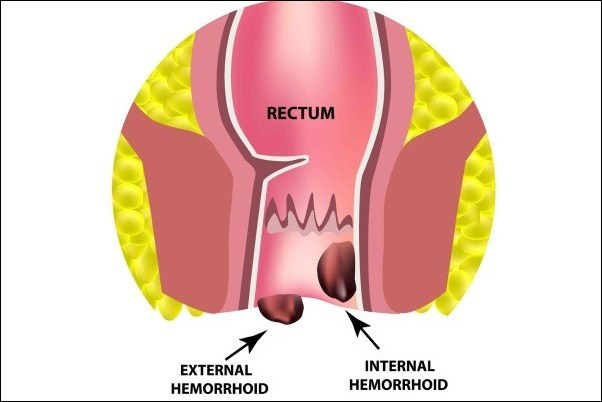
Arsh/ Piles/ Hemorrhoids are the swollen and inflamed veins which are present around the anus or inside your lower rectum. The veins in the anorectal region often get torturous when there is presence of extreme pressure like in case of difficult defecation, prolonged straining while sitting on the toilet or due to prolonged sitting hours. There are two types of the piles according to modern: External Piles and internal Piles. External piles are the ones which generally develop thrombosis and become too painful. On the other hand the internal piles are the ones which are above the dentate line and can prolapse. Their prolapse is understood in degrees and these types of piles are painless but can bleed.

If understood from the Ayurvedic view point then piles/ Haemorrhoids is termed as Arsh. Arsh is mentioned in ayurveda by various Aacharayas along with its types and symptoms. AYurveda also explains deep management of this condition. Now, Moving forward let us discuss details about arsh or piles according to both modern and Ayurveda.

Causes of Arsh or Piles

Modern science suggests some typical causes of piles. They are as listed below

  • The first one is constipation. Constipation is responsible for putting or enhancing the pressure on rectum and finally results in the torturous rectal veins. That’s how internal and external piles develop in an individual.
  • Secondly, The naturally increasing pressure on rectum is due to pregnancy. With the increasing fetus size, the uterus puts pressure on the rectum and thus can result in development of piles.
  • Thirdly, recurrent or severe diarrhea can also result in the same. This is most common with patients of Ulcerative colitis, Irritable bowel disease and Crohn’s.
  • Straining for a long time, lifting weights, sitting for long times, having excessive spicy food, intake of alcohol and too much refined grains are also the reasons for this.

On the other hand Ayurveda suggests following as the causes for developing piles. Referring Charak Samhita Chikitsa sthana chapter 14 verse 9, Following are considered to be the causes

गुरु मधुर शीताभिष्यन्दि विदाहि विरुद्धाजीर्ण प्रमिताशना सात्म्य भोजनाद्गव्य

Take of heavy, sweet, cold, abhishyandi aahar (food which is heavy and slimy) , vidahi aahar (Results in burning sensation in stomach) along with mutually contraindicated food, having food before the digestion of previous meals, eating small meals along with unwholesome food articles

मात्स्य वाराह माहिषा जाविक पिशित भक्षणात् कृश शुष्क पूतिमांस

Intake of excessive meat of cattle, fish, pig, buffalo, goat and sheep along with dried and putrefied meat

पैष्टिक परमान्न क्षीर दधि मण्ड तिलगुड विकृति –

Excessive intake of milk, rice and sugar preparations, along with milk and whey, preparations of sesame seed and jaggery products

सेवनान्माषयूषेक्षुरस पिण्याक पिण्डालुक शुष्क शाक- शुक्तल शुन किलाट तक्र पिण्डक बिस मृणाल शालूक क्रौञ्चादन कशेरुक शृङ्गाटकतरूट विरूढ नव शूक शमी- धान्याममूलकोपयोगाद्गुरु फल शाक राग हरितक मर्दक वसा शिरस्पद पर्युषित पूति शीत सङ्कीर्णान्नाभ्यवहारान्मन्द – कातिक्रान्त मद्यपानाद्व्यापन्न

Excessive intake of masha, sugarcane juice, pindaluka (oil cake), dry vegetables, vinegar, garlic, milk cream, cream of curd, thin lotus stalk, legumes of mucuna pruriens, keshruk, shringataka, target, germinated corms and pulses, freshly harvested corns, cereals and tender radish

Along with this intake of heavy fruits, vegetables, pickles, uncooked vegetables , muscle fat, meat of head and legs of animals, food prepared with the mixture of different items like rice and meat. In addition, intake of wrongly fermented wines.

Above mentioned along with intake of heavy and polluted water, excess of oleation therapy, never performing panchkarma that is elimination therapies and improper enema therapy. Plus lack of exercise, lack of sexual activity and sl;eeping during day time can also cause it.

Symptoms of Piles/Arsh/Haemorrhoids

Both of the sciences have explained almost similar symptoms for this condition. These are as following

  • Constipation (Mal badhta)
  • Pain and burning in anal region (daha/ shoola in gudda)
  • Diarrhea (atisaar/ excessive , mala pravruti)
  • Sometimes even bleeding per anus is also observed (rakta sarava from gudda dawara)
  • Flatulence (aatop and aadhmaan)

Types of Piles/Arsh/ Haemorrhoids

In Ayurveda, the types of arsh are explained according to the predominance of dosha. Types are as following

  • Vataj Arsh (having predominance of vata dosha)
  • Piitaj Arsh (having predominance of pitta dosha)
  • Kaphaj Arsh (having predominance of kapha dosha)
  • Raktaj Arsh (bleeding piles)

In modern Science there are two types of piles. The modern types are as below

  • Internal Piles
  • External piles

Internal Piles

They are having a typical feature of protrusion through anal opening while defecation. If prolapsed, then can not be retired to their position even manually. Otherwise manual reduction is possible. This type causes bleeding during bowel movements sometimes. Blood is bright red in color and comes drop by drop. It is mostly due to excessive pressure in the rectal area due to constipation or hard stools.

External Piles

They cause itching and irritation in anal region. Also result in discomfort along with pain, bleeding and swelling around anus region. Likely to get thrombosed and become extremely painful. Thrombosed pile is a hard lump near the anus.

Criteria for treating piles/ Arsha in Ayurveda

Krich Sadhya (treatable with difficulty)

  • Has dominance of two doshas.
  • Located above the dentate line.
  • One year or older pilous mass.

Asadhya pile (non treatable piles)

  • The patient experiences swelling over feet, face, mouth, umbilicus, anus and heart. Pain in ribs can also be observed.
  • Patients suffering from vomiting, pain in body, fever, thirst and pus in anal region.
  • Sejah arsh (present from birth)
  • Arsh with dominance of tridosha
  • Present above the dentate line.

Diagnosis of Piles/Arsha

The diagnosis of piles is done by the following ways in modern science

Digital examination

This is done by inserting a lubricated finger into the rectum for inspecting the location of overgrowth Like on 3 o’clock position or 7 o’clock position etc.

Visual examination

It is done by using a proctoscope. Proctoscope is inserted as internal piles are soft to feel. It only visualizes lower portion of rectum

Treatment of Arsha/Piles, According to Modern and Ayurveda

Modern science suggests many procedures which can be done in Arsha or piles. They are as below

  • Rubber ligation: Done for Bleeding piles or prolapsed internal piles
  • Coagulation: Helps in the treatment of internal bleeding piles
  • Sclerotherapy: For internal piles
  • Hemorrhoidectomy: In both types of piles and is a surgical procedure performed by expert surgeon
  • Hemorrhoid stapling: Only in the internal piles

Ayurvedic treatment for Piles

Ayurveda has many ways which can be used in the treatment of piles. Aacharya Charak and Acharya Sushruta have mentioned various things especially for the treatment of piles. So, let’s move forward to know about the Chikitsa as described by Acharyas

According to Acharya Charak

He has mentioned shodhan and san shaman chikitsa. Shodhan chikitsa includes various panchakarma procedures. Panchkarma procedures includes the following

  • Vaman karma (vomiting induced by administration of emetic drugs)
  • Virechan karma (Purgation induced by administration of laxative drugs)
  • Basti (Asthappan and anuvasana basti): Medicated enema using unctuous decoction and non unctuous decoction.
  • Picha basti (Enema prepared using milk and effective herbs)

On the other hand san shaman Chikitsa includes effective formulations which includes various rasa aushadhiya like arsh kuthar ras, some tablet preparations like chandra prabha vati, jatiphaladi vati, powdered formulation such as vijay churna, decoctions like takraisht, drakshasava, chirbilvadi kasahaya and some ghrit preprations like chavya and pippalyadi ghrita

According to Accharya Sushruta

Acharya sushruta has mentioned a total of four sidhanta according to which treatment of arsha can be done. These siddhanta are as follows

  • Bheshaj (Internal medicine): In Arsha with less aggravation of dosha and least complications
  • Kshar karma (In soft or bleeding Arsha or in pittaj Arsha)
  • Agni karma (Vataj Arsha/Kaphaj arsha)
  • Shstra karma (In Arsha having soft root and presence of all three dosha)

Sidhant 1- Bheshaj (Internal medication)

Generally done in recently developed arsha, which are internally located in the lowermost part of the rectum. The medication given in this case mostly involves the ones with constipation, control of bleeding, Treatment of diarrhea, improvement of digestion, appetite and irregular bowel habits

Sidhant 2- Kshar karma (Application of high potency Alkali)

Internal piles masses are cauterized by application of Tikshana kshara (High potency alkali).

Sidhant 3- Agni karma (Cauterization)

It is indicated in chronic piles, which protrudes at anal orifice. Such piles are large in size and do not have regular surfaces. They are hard due to the chronic inflammation and fibrosis.

Sidhant 4 – Shstra karma

This includes surgical removal of hemorrhoids. It is indicated in the ones which have mucoid discharge and then cauterization is done.

According to Acharya Sushruta there is one more thing which is mentioned under the treatment of Arsha and that is using Kshar sutra in piles.
Kshar sutra is a medicated thread which is coated or smeared in latex of snuhi (Euphorbia neriifolia) and powder of haridra (Curcuma longa). The thread is coated or smeared repeatedly, then is dried and collected in a sterile glass tube.

Herbal Remedies By Planet Ayurveda for Piles

Planet Ayurveda is a manufacturing company which has its outlets in many parts of the world. In India, Planet Ayurveda is working with an agenda to enlighten every Indian about Ayurveda and how it can work better with hybrid technology. In addition, The products and formulations Manufactured by Planet Ayurveda are completely herbal and do not have any type of side effects. The products manufactured by Planet Ayurveda are having various certifications and are free from any type of adulterants or additives.

The formulation which is mentioned below regarding the Piles or haemorrhoids gave great results in their management. These formulations have an impact on digestion thus results in enhancement of digestive functions and also helps in reduction of the Haemorrhoidal mass present. The formulations are as below

Products List

  1. Vara Churna
  2. Pile-Off Capsules
  3. Suran Vatak
  4. Arshkuthar Ras
  5. Triphala Guggul
  6. Nirgundi Oil

Piles Care PackBuy Now: Piles Care Pack

Product Description

1. VARA CHURNA

Vara churna is an Ayurvedic Preparation which is manufactured by Planet Ayurveda but the composition of this formulation is according to the triphala Churna mentioned in Ayurvedic classics. The vara churna has ingredients like Haritaki (Terminelia chebula), Amalaki (Emblica officinalis) and Bhibhitaki (Terminalia bellerica). All these three ingredients work really better in making a patient’s digestion better and also makes it easy to pass stools. A person with piles mostly has chronic incomplete evacuation and sometimes has constipation as well. That’s why Vara churna is suggested in this case because it is having purgative or laxative properties.

Dosages: One tsp twice a day after meals with lukewarm water

2. PILE-OFF CAPSULES

Pile off capsules is also a patent formulation by Planet Ayurveda especially manufactured to be suggested for patients of piles or haemorrhoids. The formulation has ingredients like Haridra (Curcuma longa), Pippali (Piper longum), Maricha (Piper nigrum), Shunthi (Zingiber officinale), Sajjikshar (Soda bi carb powder), etc. Pile-off capsules help with many symptoms which are present in this condition like pricking pain, bleeding, irritation, itching feeling of discomfort and many others. This formulation also has its effect on stool evacuation and hence facilitates easy bowel emptying. These capsules also help in vitiation of doshas involved and also help in reducing pressure in the Pile mass.

Dosages: One Cap twice a day after meals with lukewarm water

3. SURAN VATAK

Suran vatak is an excellent formulation which is mentioned in the classics and has an impressive effect in pIles. The formulation ahs ingredients like Surana (Amorphophallus campanulatus), Vriddhadaru (Argyrea speciosa), Mushali (Curculigo orchioides), Chitraka (Plumbago zeylanica), Shiva haritaki (Chebulic myrobalan), Vibhitaki (Belleric myrobalan), Dhatri (Emblica officinalis), Vidanga (Embelia ribes), Nagara (Zingiber officinalis), Pippali (Piper longum), Bhallataka (Semecarpus anacardium) and many others. Along with other ingredients in this formulation, suran, which is commonly called as elephant yam or jimikand shows impressive effect in controlling and managing symptoms which are related to piles. It works by supporting digestion and also helps in reducing the swelling present in the hemorrhoidal veins.

Dosages: Two tab twice a day after meals with lukewarm water

4. ARSHKUTHAR RAS

Arshkuthar ras is a classical preparation which is mentioned in the Ayurveda Sara Sangraha. Arsh as mentioned above is the Ayurvedic term for the Piles or haemorrhoids. The arshkuthar ras is having ingredients like purified form of mercury, Shuddha gandhak (Purified Gandhak), Loha bhasma (Calx of iron), tamra Bhasma (Calx of copper), Sonth (Zingiber officinalis), shuddh vatsnabh (Purified Aconitum ferox) and many others. The Arshkuthar ras is a formulation that works by correcting the digestion process and also helps in reducing the inflammation in the piles. It can be given in bleeding piles as well. This formulation also helps in shrinking the pile mass.

Dosages: One tab twice a day after meals with lukewarm water

5. TRIPHALA GUGGUL

Tripahla guggul is also an Classical Ayurvedic preparation which has been manufactured by Planet Ayurveda. Tripahla Guggul has ingredients like Haritaki (Terminalia chebula), Bibhitaki (Terminalia bellerica), Amalaki (Emblica officinalis) and Shuddh Guggulu (Commiphora mukul). The reference of this formulation is in Sharangdhar samhita. Due to the presence of triphala (Three mylobans) along with guggul (Commiphora mukul) the formulation has impressive effects in alleviation of doshas. The formulation does not have any type of side effects and gives very impressive results after ingestion. The ingredients it is having makes it a very great carminative agent, renal function enhancer and also has its brilliant impact on this case.

Dosages: Two tab twice a day after meals with lukewarm water

6. NIRGUNDI OIL

Nirgundi oil is also a classical preparation which is being guided in the classics especially in case of piles. The Nirgundi oil has ingredients like Tila Oil (Sesamum indicum), Manjistha (Rubia cordifolia), Haridra (Curcuma longa), Nirgundi (Vitex negundo) and Kalihari (Gloriosa superba). The formulation has impressive effects in case of painful piles or excessive swollen internal prolapsed piles. In case of external piles it works in the same way. Nirgundi is also called sarva roga nivarini which means it is a remedy for all types of diseases. The nirgundi oil is really effective as an analgesic, its impact on haemorrhoids is fantastic if applied locally.

How to Apply: Apply nirgundi oil locally over anal area

Conclusion

The Arsh or piles or Haemorrhoids, as mentioned above is a lifestyle disorder. Many people in the world have this condition but are ashamed to speak about it. But there is nothing to be ashamed about. For keeping yourself away from such conditions it’s better to take care of your digestion and also about what you eat. Such conditions are the result of excessive digestion system disturbances and conditions like piles occur. Even if it occurs its best to opt for Ayurveda as with Ayurveda herbs such disorders can be managed very excellently without causing any side effects. But with the Ayurvedic herbs or formulations it is really important to look after what you are eating. That is more important. Because if you do not change your diet habits and lifestyle then it becomes really difficult to see improvements or to sustain improvements. In case of any queries kindly visit www.planetayurveda.com