Category: Herbal Remedies

Ayurvedic View On Diaper Rash With Herbal Remedies

Abstract

Diaper rash is a frequent kind of irritated skin that emerges on your baby’s bottom as a patchwork of bright red skin. Wet or seldom changed diapers, skin irritation, and chafing are all common causes. It primarily affects new-borns, although it may affect anybody who uses a diaper on a regular basis. It may frighten parents and irritate children. However, simple at-home remedies like air drying or more regular diaper change generally clean it up. Ayurveda also offers some basic dietary and lifestyle suggestions to help avoid the disease.

Diaper Rash

Introduction

For new-borns and toddlers, diaper rashes are a frequent skin problem. They may create red splotches and scales in the vaginal region as well as on the bottom of the infant. Rashes may spread up the child’s legs and tummy in certain circumstances. Diaper rashes are quite prevalent because they thrive in warm, humid environments. As a result, a diaper is an ideal environment for the rash to grow.

Types Of Diaper Rash

Diaper rash may come in a variety of forms, including:

  • Chafing (the most common type): redness in regions of intense contact is sometimes accompanied by tiny patches or bumps.
  • Yeast infections are characterized by a bright red, painful rash that begins in the folds between the belly and thighs and extends outward.
  • Eczema: Dry, itchy, red patches that affect the face and scalp rather than the diaper area.
  • Impetigo is a bacterial illness that causes big, pus-filled lesions to burst open and exude yellowish fluid before crusting over.
  • Intertrigo is a rash that appears in the folds of the skin and itches or oozes a white or yellowish substance.

Causes Of Diaper Rash

Diaper rash is caused by a variety of factors, including:

  • Stool and urine irritate the skin. If your infant has frequent bowel movements, he or she may be more prone to diaper rash.
  • A rash may be caused by tight-fitting diapers or clothes that rub against the skin.
  • A new brand of disposable diapers or a detergent, bleach, or fabric softener used to wash cloth diapers may cause your baby’s skin to react. Ingredients present in various infant creams, powders, and oils are among the other chemicals that might exacerbate the condition.
  • Infection caused by bacteria or yeast. What starts off as a simple skin infection may quickly spread across the surrounding area because it’s warm and damp.
  • New foods are being introduced. The content of a baby’s faeces changes when he or she begins to ingest solid meals. Diaper rash is more likely as a result of this. Changes in your baby’s nutrition may cause more frequent faeces, which may cause diaper rash.
  • Skin that is sensitive.
  • Antibiotics are being used as it destroys germs of all types, both beneficial and evil. When a new-born is given antibiotics, the microorganisms that control yeast development may be reduced, resulting in yeast infection and diaper rash.

Symptoms Of Diaper Rash

Diaper rash is defined by the following symptoms:

  • Symptoms on the surface of the skin Diaper rash appears as red, sensitive skin on the buttocks, thighs, and genitals in the diaper region.
  • Your child’s demeanor has changed. You may notice that your baby is a little more agitated than usual, especially during diaper changes. When a baby with a diaper rash is cleaned or handled, he or she often whines or screams.

Treatment At Home For Diaper Rash

  • Only use a little amount of talcum powder. It may be harmful to neonates if inhaled.
  • Check that your child’s diapers are not too tight and that they fit properly. Air should be able to reach sensitive regions via the diaper. Allow the baby to go without diapers during naps.
  • Diaper rash is usually easy to treat at home with over-the-counter medications and proper hygiene practices. The best prevention and therapy is frequent diaper changes.
  • Use a little amount of soap or wipes that include alcohol or fragrances. These may cause dehydration, which might make symptoms worse.

Changes in Lifestyle (Vihar)

  • By exposing the diaper area, you may increase ventilation. The newborn may be allowed to go without a diaper and ointment for limited periods of time, maybe three times a day for 10 minutes each time, such as during naps.
  • Petroleum jelly, for example, is efficient in keeping moisture out of the skin. They may be utilized after the area has been cleansed and dried.
  • It’s best to use warm water and a mild, fragrance-free soap.
  • Diaper rash is typically treatable at home with a few simple home remedies and tips. One of the methods is to keep the diaper area clean and dry.
  • Avoid using airtight plastic pants or diaper covers.
  • Bathe the baby every day till the rash disappears.
  • You may also need medical treatment, but never risk irritating your baby’s skin by applying creams. As a result, Ayurveda is here to help you cure your child’s diaper rash in a more natural, herbal way. Planet Ayurveda can assist you in this regard.
  • Massage with cocoa butter, coconut oil, or olive oil may assist to alleviate pain.

How can Planet Ayurveda help you?

Planet Ayurveda manufactures herbal medicines that strictly adhere to Ayurvedic principles. All of their herbal medicines are created using natural ingredients. The main goal of this company is to discover and eliminate the source of any disease. It also has natural medicine diaper rashes among your kids.


Ayurvedic Treatment For Diaper Rash

Products Description

1. Dermo Plan Syrup

It is a natural and traditional herbal syrup, a kind of skin tonic with various advantages, that cleanses your blood and therefore eliminates many microorganisms. This is how it might provide your child with inside relief from diaper rash.

Dosage: 1-2 tablespoons twice a day is the recommended dosage.

2. Arvindasav

Arvindasava is a powerful and miraculous tonic for adolescent difficulties. Arvind (Lotus) is the key element in Arvindasava (Nelumbo nucifera). Furthermore, it aids in the treatment of digestive issues in children, which may result in diarrhea and, as previously said, diaper rash.

Dosage: 2 teaspoons twice a day.

3. Recumin Gel

It includes turmeric (curcumin), neem (Azadirachta indica leaves), chameli (Jasminum officinale), and other herbs that might help your adolescent’s skin from itching and irritation caused by diaper rash.

Usage Recommendation: Use for a local application.

4. Jatyadi Oil

It is known to reduce skin inflammation and redness. As a result, it is beneficial to use on your baby’s rashes. Chameli (Jasminum Officinale), Madhuchchhisht (Beeswax), Daruharidra (Berberis aristata), and other skin-friendly plants are used to make it.

Method Of Use: Apply once or twice daily to the afflicted region, or as indicated.

Conclusion

Diaper rash can be distressing for babies. Diaper rash that is severe enough might lead to deadly illnesses. Furthermore, your infant’s skin is so fragile that you should avoid putting anything on it. That’s why Planet Ayurveda offers all-natural and herbal diaper rash remedies for your child. You may get out to us by email at herbalremedies123@yahoo.com or by visiting our Mohali office.
Sporotrichosis Treatment In Ayurveda with Herbal Remedies

Abstract 

Sporotrichosis is one of the fungal infections caused by sporothrix schenckii  fungus. This condition is also known as rose gardener’s disease. This fungus is present throughout the word and this fungus can affect humans, dogs, cats and horses as well. But in this article we are going to discuss only human beings. If someone is suffering from the same or the diagnosis is not clear, you must read this article carefully to confirm the diagnosis and to start the treatment as soon as possible. In this article we are going to discuss sporotrichosis in humans, how it occurs and what are the major symptoms along with its ayurvedic view and ayurvedic treatment. So for knowing the whole concept of sporotrichosis you must read the below mentioned article carefully.

Sporotrichosis

Introduction

Sporotrichosis is a condition which is associated with fungal infection and the main causative organism in this condition is sporothrix schenckii fungus. The fungus is usually found on hay, rose thorns, twigs, soil and moss. This infection generally affects the skin of the person. Most commonly this occurs in the patients who are suffering from autoimmune conditions like AIDS. This condition occurs by the direct contact of the person with this fungus through the environment. The condition usually takes time of a few days to few months to occur usually. Further we are going to discuss the symptoms, causes, diagnosis, Ayurvedic view and its herbal management to get rid of this condition effectively.

Symptoms of Sporotrichosis

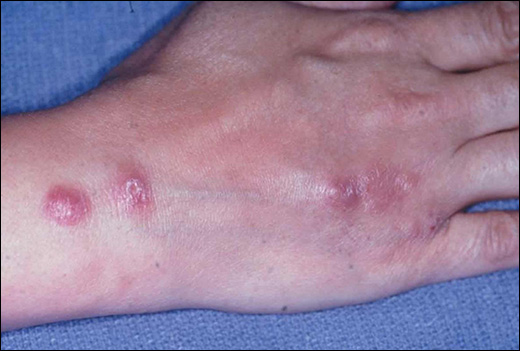
This condition usually affects the skin of the person and all the symptoms usually seen on the skin. The first symptom patients notice on their skin is a firm nodule (bump) on skin. The color of this bump deflicted from pink to tint purple. And this bump is usually painless and sometimes mild tender. After times pass away the nodule may change into an ulcer (open sore) and this open sore drains out a clear fluid. Usually the bumps occur along the lymph nodes and may last for years if left untreated.

Causes of Sporotrichosis

As we discussed earlier, it is caused by the fungus named sporothrix schenckii. The condition occurs when the spores of this fungus are forced into the skin with the sharp stick or rose thorn or the infection may occur with the direct contact of fungus to the unbroken skin. Rarely a person may catch the fungus  with contact to the colts, dogs or horses. And very uncommonly this fungus will be ingested or inhaled and lead to the infection in other parts of the body rather than the skin.

Diagnosis of Sporotrichosis

It is must to diagnose this condition as it may mimic any other skin infection also and it is must to differentiate it from other skin infections to cure the condition with proper treatment. Usually a biopsy of skin nodules is done and must differentiate from other infections such as cowpox, herpes, leprosy and many other skin infections that are confused with the symptoms of  sporotrichosis.

Ayurvedic view of Sporotrichosis

According to Ayurveda sporotrichosis it can be correlated to dadru kushta, generally kushta is considered as all types of skin diseases. So the sporotrichosis skin disease is correlated to the dadru kushta (it is the skin disease caused by the fungus). It is caused by the dosha vitiation due to various environmental factors. Kushta is generally of two types- kshudra kushta and maha kushta and Dadru kushta comes under kshudra kushta. According to acharya charaka dosha predominance in dadru kushta is kapha and pitta and is characterised by kandu (itching sensation), raga (redness), pidaka (nodules), mandal (circular patches) and udgatama (elevated edges). Which means in dadru kushta there is circular elevated nodule-like formation that occurs on skin with redness and itching sensation. Further let’s discuss the Ayurvedic treatment of sporotrichosis.

Ayurvedic management of Sporotrichosis

As we read earlier, according to Ayurveda sporotrichosis is correlated to dadru kushta and the dosha predominance in this condition is kapha and pitta dosha. The treatment according to Ayurveda must be to balance pitta and kapha dosha. For this purpose we are going to discuss very effective herbal remedies by planet Ayurveda to cure this fungal condition in a miraculous manner.

Herbal Remedies for Sporotrichosis by Planet Ayurveda 

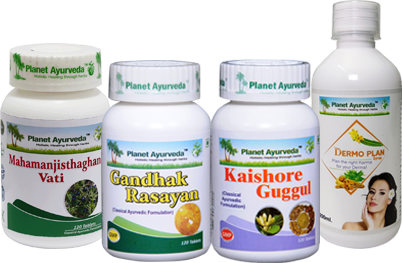
Planet Ayurveda is a GMP certified clinic which works to serve humanity as well as veterinary very effectively. They produce all their formulations under the strict supervision of M.D. Ayurveda practitioners. All the herbal remedies are free from any kind of preservatives and synthetic materials like gums, resins, fibers, colors, etc. So feel free to start your treatment with the herbal remedies by Planet Ayurveda. For curing sporotrichosis Planet  Ayurveda provides you with a list of  four herbal remedies that we are going to discuss further so let’s have a look:

  1. Gandhak Rasayan
  2. Mahamanjisthaghan Vati
  3. Kaishore Guggul
  4. Dermo Plan Syrup

Sporotrichosis

Products Description

1. Gandhak Rasayan

Gandhak rasayana is a classical herbal formulation mentioned in classical texts. This formulation is loaded with a number of properties like antibacterial, antimicrobial, antiviral, cure all types of skin infections, having anti-ageing effect. It Deals with diseases like pruritus, skin complexion and even malabsorption conditions. Beside all this due to its antimicrobial property its proper intake cures fungal infection like sporotrichosis also.

Dosage: 2 tablets twice daily after meals with plain water.

2. Mahamanjisthaghan Vati

This formulation is available in tablet form and consists of a single herbal extract that is the standardised extract of mahamanjishthadi kwath. Mahamanjishthadi kwath includes 45 ingredients such as manjishtha (Rubia cordifolia), nagarmotha (Cyperus rotundus), giloy (Tinospora cordifolia) sonth (Zingiber officinale), amalaki (Emblica officinalis) and some other ingredients. So these herbal tablets include the standardised extract of kwath (decoction) of these ingredients. The benefits of these tablets include blood purifier, enhances skin complexion, rejuvenates skin, anti-infective, so all these properties work together and make this remedy beneficial in alleviating sporotrichosis fungal infection.

Dosage: 2 tablets twice daily after meals with plain water.

3. Kaishore Guggul

This is a classical ayurvedic formulation produced with respect to the reference of  sharangdhar samhita. The ingredients in this formulation are amalaki (emblica officinalis), bibhitaki (Terminalia bellirica), haritaki (Terminalia chebula), guggul (Commiphora mukul), guduchi (Tinospora cordifolia) and some other herbs. As we read earlier in sporotrichosis there is ulceration as the main symptom so kaishore guggul helps in healing of ulcers by giving a soothing effect to the ulcers and with its anti-inflammatory properties. Also it is helpful in removing infection from the body by its detoxifying effect.

Dosage: 2 tablets twice daily after meals with plain water.

4. Dermo Plan Syrup

Dermo plan syrup as the name suggests dermo  means skin so it is the syrup that is beneficial for skin. It consists of several herbs like giloy (Tinospora cordifolia), sariva (Hemidesmus indicus), neem (Azadirachta indica), haridra (Curcuma longa), khadir (Areca catechu) and some other herbs. All these herbs are skin friendly, balance pitta and rakta dosha by purifying blood and removing infection from the body. Also it is helpful in healing ulcers due to its kapha pacifying properties, along with that it promotes the skin complexion after healing the skin ulcers.

Dosage: 2 tsp twice daily after meals with plain water.

Conclusion

Sporotrichosis is a fungal infection that is caused by fungus sporothrix schenckii. This fungal infection’s symptoms are usually seen on the skin. In this condition there is a nodule formation on the skin which later on concerts into ulcer with discharge and remains till years if left untreated. As per Ayurveda this is correlated to dadru kushta in which there is vitiation of pitta and kapha dosha. In this article we mentioned all about the causes, symptoms, how sporotrichosis occurs and its Ayurvedic view. If any of you feels the symptoms mentioned in this article the solution we shared with you here is 100% safe and effective. The solution for this condition is ayurvedic management. And in this article we mentioned ayurvedic management for sporotrichosis by Planet Ayurveda, all the formulations of Planet Ayurveda are free from aunty kind of preservatives and synthetic materials so there is no need to worry about any kind of side effects and start the treatment as soon as possible and live a healthy life.