Category: Herbal Remedies

Boost Energy & Immunity to Fight Winter Chills Naturally

ABSTRACT

Winter, though refreshing and soothing, often challenges the body’s strength by lowering energy levels and immunity. The cold climate leads to fatigue, sluggish metabolism, and increased vulnerability to seasonal complaints such as cold, cough, and flu. Priority is placed on nourishing dietary choices, maintaining thermal balance, and the role of Ayurvedic herbs such as Tulsi, Giloy, Ashwagandha, and Turmeric, which boost overall body strength. Natural healing methods such as warm oil massages and  herbal teas are highlighted for their restorative and protective effects.Adopting lifestyle changes such as adequate sleep and regular exercise, along with simple natural remedies, helps maintain energy, inner warmth, and immunity, ensuring a healthy, active, and illness-free winter season. Let’s discuss it in detail!

Boost Energy & Immunity

INTRODUCTION

With falling temperatures and the onset of a sharp winter chill, the season introduces its own set of health and safety challenges. Winter is considered a season of beauty and calm, presenting innovative environmental and physiological challenges that can test the body’s immune strength and fuel supply. According to modern methodology, safeguarding vitality and defending oneself against winter chills requires a comprehensive wellness framework supported by modern science and nutrition,  preventive healthcare, physical activity, and mental well-being. As the temperature slows down, the body needs more energy to sustain core warmth, which leads to low energy metabolism, fatigue, and reduced optimal functioning in the immune response.

THINGS TO REMEMBER TO STAY ENERGIZED AND PROTECTED AGAINST WINTER CHILLS

1. Winter Nutrition Tips for Energy and Strong Immunity

Taking a healthy and nutritious diet is the key to staying energetic and healthy during the winter, and for boosting immunity also. Taking balanced meals with the right proportion of proteins, carbs, and healthy fats helps the body to stay energized and protected against winter chills. Eat warm, comforting foods like soups, stews, and whole grains to keep your body energized in winter. Add seasonal fruits and veggies for natural vitamins and antioxidants. Include nuts, seeds, ghee, and lean proteins for strength. Sip warm herbal teas to stay hydrated and support overall health.

2. Physical Activity and Thermoregulation 

Staying active during the winter season is an effective way to keep the body warm and energized. Light physical activities such as yoga, brisk walking,  stretching, and some indoor workouts help to supply more oxygen to body tissue and improve circulation. By this body’s internal warmth and vitality got boosted.  Physical activity releases the endorphin hormone, which helps reduce stress and prevent winter fatigue. Even short durations of activities such as strength training, cardio, or flexibility work support immunity, stamina, and metabolism, and help to stay healthy throughout the cold season.

3. Sleep wellness, stress adaptation, and rhythm coordination

A proper amount of sleep is one of the best and simplest ways to keep the body healthy.  Proper sleep helps in the regulation of hormones, enhances immunity, and enhances energy levels. Improper sleep can weaken the immune system, which lowers the body’s energy and makes one more vulnerable to infection. Coordinating sleep and wake cycles and getting a proper amount of sunlight during the day helps keep the body synchronized. Management of stress through meditation, mindfulness, or deep breathing enhances mental strength and also helps in stress management. Reduction in stress helps in managing the cortisol levels, which helps in keeping the immune system strong and keeps the body energized and protected against seasonal changes.

4. Environmental and lifestyle Adjustments

Practicing mindful living can support prolonged physical and mental stamina throughout winter. Reducing intake of highly processed foods, keeping consistent eating schedules, and integrating warm, gentle-to-digest foods improve gastrointestinal processing and metabolic activity. Ensuring indoor environmental conditions are well-ventilated, humidified, and comfortable can prevent respiratory distress and support immune-protective mechanisms. Optimal sun exposure helps in regulating Vitamin D levels and daily biological cycles, facilitating overall physiological and psychological well-being.

AYURVEDIC APPROACH

Each season carries unique energies, and when these energies are disturbed, the body becomes prone to disease. According to Ayurveda, winter falls under Visarga Kala, which is characterized by sheeta (cold) and snigdha (moist) qualities. Hemant Ritu is the time when Vata dosha and digestive fire (agni)  are at their peak, and the body needs nourishing and heavy foods. Hemant Ritu (the pre-winter season) occurs between mid-October and mid-December and signals a transformation from the autumn (Sharad Ritu) to the winter (Shishira Ritu). The period between the autumn and winter is classified by slightly dry, cool, and somewhat dense characteristics, in which there is a gradual increase in Vata Dosha, even though Kapha Dosha partially remains from the previous season. During Hemant Ritu, the body’s physiological state is as follows:

  1. Rasa Pradhanta –  Madhura (sweet taste)
  2. Mahabhoota Pradhanta –  Prithvi (Earth) and Ap (Water).
  3. Guna (Qualities) predominance –  Sheeta (Cold), Guru (Heavy), Snigdha (Oily/Moist).
  4. Dosha –  Pitta reduction.
  5. Deha Bala (Body Strength) –  Pravara (Maximum).
  6. Agni Bala (Fire) –  Pravara (Maximum)

AHARA (DIETARY HABITS)

During winter, the nights are longer and the days are shorter compared to the summer season. During winter, the body temperature is very low, and the body feels cold. Due to this, the body releases heat, and the body has a high metabolic rate. Dietary regimes to be followed:-

  • Guru aahara (Heavy foods)
  • Anoop Mamsa (goat meat)
  • Ikshu rasa (Sugarcane juice)
  • Madhur (Sweet), Amal (Sour), and Lavana (Salty) Ahara
  • Vasa (Fats) and oils

VIHARA (LIFESTYLE HABITS)

  • Exposure to sunlight
  • Vyayama (Exercise)  Such as gentle exercise, stretching, and brisk walking.
  • Abhyanga (Gentle body massage) with oils that have vata shamaka (Vata balancing) properties.

YOGA AND PRANAYAM PRACTICES FOR STAYING ENERGIZED, STAYING PROTECTED AGAINST WINTER CHILLS

YOGA PRACTICES

  • Surya Namaskar (Sun Salutation)
  • Bhujangasana (Cobra Pose)
  • Setu Bandhasana (Bridge Pose)
  • Ardha Matsyendrasana (Half Spinal Twist pose)
  • Dhanurasana (Bow Pose)
  • Paschimottanasana (Back stretch pose)

PRANAYAM PRACTICES

  • Kapalabhati (Skull Shining Breath)
  • Bhastrika (Bellows Breath)
  • Anulom Vilom (Alternate Nostril Breathing)
  • Bhramari (Humming Bee Breath)

HOME REMEDIES FOR STAYING ENERGIZED AND PROTECTIVE AGAINST WINTER CHILLS

  1.  Cinnamon (Cinnamomum zeylanicum) Infusion:  Add a small amount of cinnamon to tea or warm water. It boosts metabolism and can be helpful in protection against cold weather.
  2.  Tulsi (Ocimum sanctum), Ginger (Zingiber officinale), and black pepper (Piper Nigrum) Infused Herbal  Tea:  Tulsi leaves boiled with ginger and black pepper boost immunity, keep energy steady, and protect respiratory channels.
  3. Cinnamon (Cinnamomum zeylanicum) and Honey mixture:  Its antibacterial and soothing properties help to treat the throat and keep the body protected against winter chills.
  4. Cardamom (Elettaria cardamomum) , Cinnamon (Cinnamomum zeylanicum), Guduchi (Tinospora cardifolia) , and Dry Ginger (Zingiber officinale) infused  decoction: It stimulates digestive fire, boosts immunity, improves circulation, provides warmth, and keeps the body protected against winter chills.
  5. Dry and roasted Nuts:  Eat cashews, almonds, or walnuts roasted with ghee. They provide warmth, stamina, and healthy fats.
  6. Spiced Oats:  Cook oats with cinnamon, cardamom, and nuts to provide warmth,  energy, and essential nutrients for winter health.

AYURVEDIC RECIPES THAT KEEP THE BODY PROTECTED AND WARM

  1. Golden Milk: It is prepared using turmeric and milk. Warm the milk on a low flame and add a pinch of turmeric to it. It strengthens immunity and provides nourishment to the body during winter.
  2. Sesame and jaggery balls:  It is prepared using White or black sesame seeds, jaggery, ghee, cardamom powder, and dry coconut. Dry roast the sesame seeds on a low flame till they turn light golden brown and give an aromatic fragrance, and then add the melted jaggery into it. Mix it well. Add cardamom powder and dry coconut. Apply a little ghee on palms and make small round balls (laddu) while it is still hot.
  3. Badam Khaskhas Halwa: It is prepared using almonds and poppy seeds (khaskhas). Its ingredients include ghee, wheat flour, cardamom, saffron, sugar or jaggery, and milk. Soak almonds and poppy seeds overnight. Peel the almonds and grind both with a little milk to make a paste. Roast this paste in ghee, add wheat flour, and cook until it turns golden brown and gives an aromatic fragrance. Then pour milk into it and let it thicken. Add jaggery or sugar, cardamom, and saffron, and cook until the ghee releases.

HERBS FOR BOOSTING IMMUNITY DURING WINTER

  • Amalaki (Emblica officinalis): Amalaki (Emblica officinalis) is an Ayurvedic herb known for its strong antioxidants and has high natural Vitamin C and strong antioxidants that refresh the body and boost immunity. It supports good digestion, keeps skin, eyes, and hair healthy, and helps stay energized. The gentle and cooling nature prevents heat build up inside the body and reduces fatigue and tiredness and helps stay body protected  and energized against winter chills and winter infections.
  • Guduchi (Tinospora cordifolia): Guduchi (Tinospora cordifolia), also known as amrita, is considered a good purifier according to Ayurveda. It helps to maintain liver health and also helps in blood purification. During winters, Guduchi (Tinospora cardifolia) keeps the body free from toxins, protects against respiratory infections such as cold and cough. It also strengthens the body’s natural stamina and helps keep Tridoshas in balance and maintain a healthy inflammatory system.
  • Ashwagandha (Withania somnifera): Ashwagandha (Withania somnifera) is considered a powerful rejuvenating herb that gives strength, stamina, and emotional well-being. It helps the body cope with winter stress, nourishes the body’s muscles, and calms the nervous system. Balancing Vata and Kapha helps in maintaining sound sleep, boosts the natural endurance of the body, and maintains energy levels, making it a well-known herb for maintaining overall body health during colder months.
  • Shunthi (Zingiber officinale): Shunthi (Zingiber officinale) is a powerful warming herb that is ideal for winter. It strengthens internal body heat and maintains warmth in cold conditions. By boosting Agni (digestive fire), it prevents Ama (toxin) accumulation. It promotes respiratory wellness, helping to clear congestion, reduce coughing, and relieve winter cold discomfort.
  • Tulsi (Ocimum sanctum): Tulsi (Ocimum sanctum) is a warm and immunity boosting herb that protects the body against seasonal infections such as cough, cold and flu. It clears congestion, relieves throat discomfort, and supports healthy breathing. By balancing doshas such as Vata and Kapha, Tulsi enhances strength and stamina. Its calming nature helps to  manage stress and improves better digestion during winters.

HERBAL REMEDIES FOR MANAGING WINTER CHILLS BY PLANET AYURVEDA

Planet Ayurveda is a leading Ayurvedic healthcare company dedicated to providing authentic herbal remedies and natural wellness solutions. With a strong focus on promoting holistic health, the brand offers a wide range of products, including Ayurvedic capsules, powders, syrups, oils, and classical formulations, all prepared from pure, standardized herbs sourced from trusted organic farms. Each product is crafted in accordance with ancient Ayurvedic texts, ensuring safety, efficacy, and long-term benefits. Planet Ayurveda specializes in managing health concerns, including diabetes, digestive disorders, liver and heart problems, joint health, skin care, and immune support, by combining the wisdom of Ayurveda with modern scientific research. Free from chemicals, additives, and preservatives, its remedies are safe, natural, and effective. For winter chills, Planet Ayurveda has

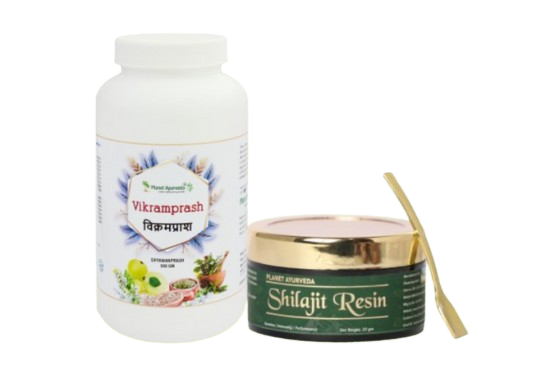
  • SHILAJIT RESIN
  • VIKRAMPRASH
    Herbal Remedies for Managing Winter Chills by Planet Ayurveda

PRODUCTS DESCRIPTION

  • SHILAJIT RESIN
    Shilajit Resin prepared from Asphaltum punjabianum, is a potent and pure ayurvedic formulation, which is considered a powerful Rasayana (rejuvenator) in ancient texts. It is naturally rich in humic acid, fulvic acid, minerals, dibenzo-alpha-pyrones, and trace elements, which play a key role in its restorative properties. According to Ayurveda, Shilajit is used to boost stamina, physical strength, and support overall health and well-being. It boosts natural defenses, improves metabolism, reduces exhaustion, and keeps the body protected and well nourished during the winter season.

Dosage: Take a pea-sized quantity (200-250mg), which is dissolved in 100ml lukewarm milk/water.

  • VIKRAMPRASH
    Vikramprash is a classical ayurvedic formulation designed by Planet Ayurveda, which is used to enhance stamina, vitality, and overall wellness. This potent rejuvenator (Rasayana) is prepared using pure herbs, designed following ancient Ayurvedic traditions. Its key ingredients include Shatavari (Asparagus racemosus), Ashwagandha (Withania somnifera), Gokshura (Tribulus terrestris), Vidarikand (Pueraria tuberosa), Safed Musli (Chlorophytum borivilianum), Bala (Sida cordifolia), Amla (Emblica officinalis), Dashmoola (Root of 10 herbs), etc. Vikramprash works as a way to reduce fatigue, complete body tonic, boosting energy levels, improving overall physical health, and boosting immunity during winters. It also helps in improving digestive health, protects against seasonal infection, and keeps the body strong and adaptive during winter.

Dosage: 1-2 tablespoons, twice or thrice daily, with milk.

CONCLUSION

Winter often brings cold, seasonal health challenges and fatigue, but with natural home remedies and mindfulness, one can stay protected and energized. Consuming warm and nourishing foods such as stews, soups helps in maintaining body thermal balance, aids digestion, and provides stable energy. Ayurvedic herbs and remedies such as Tulsi, Ashwagandha, Chyawanprash, and warm turmeric milk enhance stamina, strengthen immunity, and reduce lethargy. Simple home practices like ginger-infused tea and dry-roasted nuts provide extra energy and body warmth. Doing light physical activity and daily routines like yoga or oil massage keeps the body protected from seasonal health disturbances. Combining herbal support, nutrition, and healthy lifestyle habits can prevent winter-related issues, boost immunity, and maintain energy levels. Following these natural practices helps you stay strong, energetic, and healthy throughout the winter season.

Natural Ayurvedic Option for Cholesterol Control

Abstract

High cholesterol is among the most common conditions and a major contributing factor to various lifestyle disorders, characterized by abnormally elevated levels of certain lipids in the blood. Cholesterol is a type of fatty substance produced by the liver and is essential for various bodily functions, including the synthesis of hormones, bile acids, and vitamin D. However, when the level of bad cholesterol (LDL) rises beyond normal limits, it increases the risk of developing diabetes, serious heart diseases and other complications. Over the past two decades there has been a growing concern on screening for high cholesterol and implementing measures to lower cholesterol levels, aiming to reduce the risk of heart disease. Now, let’s see what we can do to manage it in the most safest way.

High cholesterol

Introduction

High cholesterol or also known as Hypercholesterolemia is mainly due to inadequate diet, lack of exercise, obesity, stress and some underlying diseases like type II diabetes. Although it is asymptomatic in early stages, it may cause hazardous effects in the long term like atherosclerosis which will further affect the related organ. In such conditions statins are used.  There are various statins used like Lovastatin, Simvastatin, Atorvastatin, Fluvastatin, Rosuvastatin, etc.
Atorvastatin is the most popular and potent statin. It has a plasma half life of 18 – 20 hours which is much longer than other statins. It also helps in reduction of raised Triglycerides. It is available in the market under the brand name Lipitor. Another statin is Simvastatin which is also very efficacious and has better oral absorption. Its plasma half life is 2-3 hours. Unlike other statins it significantly raises the low HDL levels. It is available under the brand name Zocor.

MODE OF ACTION

  • Statins competitively inhibit HMG-CoA reductase, the enzyme responsible for converting HMG-CoA to mevalonate which is a precursor of cholesterol.
  • Due to inhibition, intracellular cholesterol levels in hepatocytes decrease.
  • The resulting drop in intracellular cholesterol levels signals the liver cells to increase the number of LDL receptors on their surface.
  • These extra receptors capture and remove more LDL cholesterol from the bloodstream, lowering the concentration of LDL that is the bad cholesterol in the blood.

Indications

  • Hypercholesterolemia
  • Secondary Prevention of CVD
  • Primary Prevention of CVD
  • Mixed Dyslipidemia
  • Hypertriglyceridemia

 Contraindications

  • Hypersensitivity
  • Active liver disease
  • Pregnancy
  • Breastfeeding
  • Severe renal impairment


Adverse effects

  • Nausea
  • Abdominal pain
  • Dyspepsia
  • Acute renal injury
  • Headache
  • Dizziness
  • Myalgia

Though statins are frequently recommended in high cholesterol, it has its own limitations and side effects. Given the various side effects associated with these drugs, there has been a growing interest in natural approaches such as herbal medicines, lifestyle modifications, and dietary interventions to manage cholesterol levels. Among these, Ayurvedic medicine stands out as one of the world’s oldest healthcare systems. This 5,000 years old Indian tradition emphasizes treatment based on the fundamental laws of nature. As per ayurveda, high cholesterol is correlated with Meda Roga (fat disorders) which is a type of  Santarpana vyadhi (diseases due to over nourishment ) and is controlled by drugs that are opposite in action. Some of those drugs are as follows:

   Guggulu

  • Guggulu (Commiphora mukul) is a widely used drug in ayurveda. It has Tikta (Bitter taste) and Katu rasa (Pungent taste), ushna virya (hot potency) and has lekhana (scrapping) and medohara (fat reducing) properties.
  • Its active compound Guggulsterones increases bile acid synthesis, facilitating excretion of cholesterol from the body and its antioxidant properties prevent lipid peroxidation, reducing the formation of atherosclerotic plaques.

    Garlic

  • Lashuna (Garlic, Allium sativum) is a prominent herb in Ayurveda, noted for its hypolipidemic properties.
  • It possesses Ushna (hot) and Tikshna (sharp) qualities, which help in controlling kapha and reducing excess Meda Dhatu. The principal active compound, allicin inhibits cholesterol biosynthesis and protects against lipid peroxidation. It significantly lowers LDL and VLDL cholesterol levels while increasing HDL cholesterol thus supporting its use in the management of hyperlipidemia.

    Arjuna

  • Arjuna or Terminalia arjuna is an ancient Ayurvedic herb traditionally used to support heart health and has shown potential in helping to manage high cholesterol.
  • It has Tikta and Kashaya rasa ( bitter and pungent taste ) and has ushana virya (hot potency). Its active compounds include triterpenoid saponins, flavonoids, tannins, etc. inhibit HMG-CoA reductase, the key enzyme in cholesterol biosynthesis thus reducing LDL (bad cholesterol) and total cholesterol.

    Pushkarmool

  • Pushkarmool or Inula racemosa is used for cardiovascular health. It is recognized in Ayurveda as a potent herb with vasodilatory and cardioprotective properties.
  • Its principal active compounds include alantolactone, isoalantolactone, flavonoids, etc. It protects vascular endothelium from oxidative stress, which is crucial in atherosclerosis prevention. Flavonoids and sesquiterpene lactones in pushkarmool can help reduce LDL cholesterol and triglycerides while maintaining or enhancing HDL levels.

    Turmeric

  • Turmeric or Curcuma longa is known for its cardioprotective properties. Its bioactive compound curcumin has antioxidant, anti-inflammatory, lipid-lowering, and anti-thrombotic effects making it beneficial in managing and preventing cardiovascular diseases (CVDs).
  • It enhances nitric oxide (NO) bioavailability thus promoting vasodilation and reducing blood pressure. Its Lekhana (scraping) and Kaphahara (pacifying kapha) properties help dissolve lipid deposits (Medo Dhatu Dushti) and prevent Srotorodha (channel obstruction).

    Fenugreek

  • Fenugreek or Trigonella foenum-graecum helps to reduce blood cholesterol levels. It helps to manage high cholesterol by lowering total and LDL and triglycerides due to its high soluble fiber content. High fiber content binds to cholesterol in the digestive system and removes it from the body.
  • Its saponin rich extracts reduce blood cholesterol levels as it inhibits its absorption in intestines. The fibrous fraction of seeds also helps in reduction of blood lipids.

    Ginger

  • Ginger or Zingiber officinale pacifies Kapha and Vata doshas, which are responsible for obstruction of channels (Srotorodha) and metabolic sluggishness that can lead to fat accumulation and cholesterol elevation.
  • Ginger can inhibit HMG-CoA reductase, a key enzyme in endogenous cholesterol production, similar to how statins work.
  • Its rhizome has hypocholesterolemic action thus is specifically used in high cholesterol.

     Triphala

  • Triphala is a polyherbal ayurvedic formulation of Amalaki (Emblica officinale), Bibhitaki (Terminalia Bellerica), Haritaki (Terminalia chebula) and possesses hypolipidemic and antioxidant properties.
  • It reduces oxidative stress, supports liver function, and improves lipid metabolism by inhibiting hepatic HMG-CoA reductase, a mechanism that is comparable to statins.
  • It reduces excess meda (fat tissue) and acts as a natural cholesterol scavenger, decreasing LDL and triglycerides through its Lekhana (scraping) and Kaphahara (reducing kapha) properties.

Planet Ayurveda’s Remedies For High Cholesterol

Planet Ayurveda offers a wide range of herbal formulations and wellness packs rooted in classical Ayurvedic principles, manufactured using standardized extracts, vegetarian capsules, and chemical-free ingredients. Their products target various conditions globally and emphasize purity, quality-control and natural wellness. Planet Ayurveda offers natural remedies for high cholesterol, focusing on detoxification and fat metabolism. Some of the products that are highly beneficial in high cholesterol are:-

Arjuna Tea

Planet Ayurveda’s Arjun Tea is a caffeine-free herbal blend crafted to support heart health and overall well-being. It is prepared using Arjuna ( Terminalia arjuna), Punarnava (Boerhavia diffusa), Dalchini (Cinnamomum zeylanicum), etc. It is a natural source of Coenzyme Q10 which supports heart health. It contains tannins, flavonoids, glycosides which helps to strengthen cardiac muscles, improves myocardial contractility, and protects heart tissue from oxidative damage. It supports metabolism of cholesterol and triglycerides.

Directions to use : Put 1 cup of water and 1 cup of milk or 2 cups of water in a saucepan. Add 1 tablespoonful of Arjun tea (approx. 5 gm). Gently bring the tea to a boil and continue to simmer until ½ remains (approx 1 cup). Strain and enjoy the natural delicious taste of Arjun Tea.

Gugullipid capsules

Gugullipid capsules are herbal capsules formulated by Planet Ayurveda using the standardised extract of resin of Guggulu (Commiphora mukul). It contains active components like guggulsterones, lignans, terpenes, etc which increase conversion of cholesterol to bile acids and enhance bile acid excretion, resulting in reduction of total cholesterol, LDL, and triglycerides, while maintaining or raising HDL levels. It has lekhana (scrapping), medohara (anti- obesity), kapha-vata shamaka (vata and kapha pacifying) properties which helps in lipid metabolism.

Dosage: 1-2 capsules twice a day with plain water after meals.

Herbal Remedies Of Arjun Tea By Planet Ayurveda


Conclusion

Atorvastatin, a synthetic HMG-CoA reductase inhibitor, effectively reduces serum LDL cholesterol and triglycerides by suppressing hepatic cholesterol biosynthesis. However, long-term statin therapy is frequently associated with adverse effects, including myopathy, hepatic enzyme elevation and oxidative stress. Ayurveda conceptualizes hyperlipidemia as Medo Dhatu Dushti (vitiation of lipid metabolism) caused by impaired Agni (digestive fire) and Ama (metabolic toxins). The therapeutic goal in Ayurveda is to restore metabolic balance and channel purification through Lekhana (scraping) and Rasayana (rejuvenative) herbs. Agents such as Guggul (Commiphora mukul), Arjuna (Terminalia arjuna), garlic (Allium sativum) exhibit proven hypolipidemic, hepatoprotective, and antioxidant properties. Unlike statins, these botanicals modulate lipid metabolism, enhance liver function, and reduce oxidative stress without significant adverse effects. Thus, Ayurvedic therapy offers a holistic, sustainable and biologically safer alternative for long-term lipid management.