Herbal Remedies for Breastfeeding: Benefits, Importance, Tips & Ayurvedic Guide
Abstract
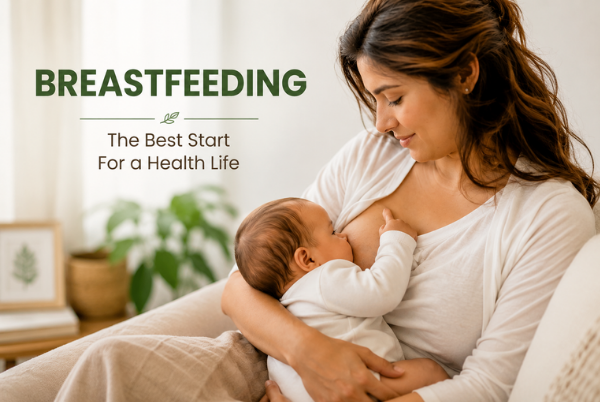
Breastfeeding is a natural way of providing a baby with the nutrition and protection needed during the early stages of life. Breastfeeding may also support healthy digestion and reduce the risk of certain infections during infancy. For the mother, breastfeeding can help the uterus return to its normal size after delivery and may support recovery during the postpartum period. Proper positioning and attachment are important for comfortable and effective feeding. Exclusive breastfeeding is generally recommended for about the first six months of life, followed by continued breastfeeding along with appropriate complementary foods.
Statistics on Breastfeeding
- Global: Approximately 48% of infants under 6 months are exclusively breastfed worldwide.
- United States: About 86.1% of infants begin breastfeeding. Around 62.8% continue breastfeeding at 6 months, while 29.8% are exclusively breastfed for the first 6 months.
- India: Approximately 41.8% of mothers initiate breastfeeding within the first hour after birth, and 63.7% of infants below 6 months are exclusively breastfed.
- Australia: Around 90.6% of children aged 0–3 years have received breast milk at some point, while 37.5% are exclusively breastfed until 6 months.
- United Kingdom: Breastfeeding is initiated by approximately 81% of mothers. However, only about 34% of infants receive any breast milk at 6 months, and roughly 1% are exclusively breastfed at that age.
- Early discontinuation: More than 60% of mothers stop breastfeeding earlier than they had initially intended.
Interesting Facts about Breastfeeding
Breast milk is dynamic
Its composition changes according to the baby’s age, stage of feeding, and nutritional needs.
Colostrum is highly concentrated
The first milk, called colostrum, is produced in small amounts but contains antibodies, immune factors, and nutrients that support the newborn during the early days.
Breast milk provides immune support
It contains various protective components that help support the infant’s developing immune system.
The milk changes during a feed
Early milk is generally more fluid, while milk later in the feed tends to have a higher fat content, helping provide energy and promote satiety.
Breastfeeding promotes bonding
Feeding can provide close physical contact and may strengthen the emotional connection between the mother and baby.
Exclusive breastfeeding is recommended early in life
WHO recommends exclusive breastfeeding for the first 6 months, followed by continued breastfeeding alongside complementary foods up to 2 years or beyond, according to the mother and child’s needs.
Breastfeeding is not always easy
Pain, difficulty with positioning or attachment, low confidence, work-related challenges, and limited support can affect breastfeeding continuation.
Every breastfeeding journey is different
The duration and pattern of breastfeeding can vary considerably between mothers and babies, and appropriate support should be individualized.
Introduction
Breastfeeding is a natural way of providing nourishment to an infant during the early stages of life. Breast milk contains a balanced combination of nutrients, fluids, proteins, fats, vitamins, minerals, enzymes, and immune-supporting components that contribute to the growth and development of the baby. It is generally easy to digest and adapts to the changing needs of the infant as the baby grows.The first milk produced after childbirth is called colostrum. It is usually thick and yellowish and is produced in small quantities. Colostrum is rich in protective substances and provides important early nourishment to the newborn. As lactation progresses, the milk gradually changes in composition and quantity to meet the infant’s nutritional requirements.Breastfeeding also provides benefits beyond nutrition. Close physical contact during feeding can support bonding between the mother and baby and may help the infant feel secure and comforted. For mothers, breastfeeding is associated with several health benefits and can support recovery after childbirth. Health organizations generally recommend exclusive breastfeeding for the first six months of life when possible, followed by the introduction of appropriate complementary foods while breastfeeding continues. However, breastfeeding experiences differ from one mother and baby to another. Proper positioning, attachment, adequate support, maternal nutrition, and a comfortable feeding environment can all influence breastfeeding. Understanding these factors can help mothers make informed decisions and establish a positive breastfeeding experience.
Benefits of Breastfeeding for the Infant
Breastfeeding is an important part of early infant care and provides nourishment that is naturally suited to the needs of a growing baby. The benefits of breastfeeding extend beyond basic nutrition. Breast milk provides protective factors that can support the infant’s developing immune system and may reduce the risk of several common infections during infancy. The benefits are as follows:
Provides essential nutrition
Breast milk supplies important proteins, fats, carbohydrates, vitamins, minerals, and fluids needed for infant growth and development.
Supports healthy growth
The nutritional composition of breast milk changes as the baby grows, helping meet changing nutritional requirements during early life.
Strengthens immune protection
Breast milk contains antibodies and other protective components that support the infant’s developing immune system and help defend against infections.
May reduce common infections
Breastfeeding is associated with a lower risk of certain respiratory infections, gastrointestinal infections, and ear infections during infancy.
Supports digestive health
Breast milk is generally easy for infants to digest and contains components that support the development of a healthy intestinal environment.
Promotes brain development
The fatty acids and other nutrients present in breast milk contribute to normal brain and nervous system development.
Supports healthy weight development
Breastfeeding is associated with a lower likelihood of excessive weight gain and childhood obesity compared with some alternative feeding patterns.
May reduce the risk of some chronic conditions
Breastfeeding has been associated with a lower risk of certain long-term conditions, including type 2 diabetes and childhood obesity.
Provides early immune support through colostrum
Colostrum, the first milk produced after delivery, contains concentrated immune factors and nutrients that provide important protection during the newborn period.
Encourages bonding and comfort
Skin-to-skin contact and close interaction during breastfeeding can promote bonding and provide comfort and reassurance to the baby.
Bad Effects of Not Breastfeeding an Infant
Not breastfeeding does not mean that an infant will necessarily develop health problems. Infant formula can provide adequate nutrition when breastfeeding is not possible or chosen. However, compared with breastfeeding, the absence of breast milk means the infant does not receive some of the protective and developmental components naturally present in human milk. The effects include:
Less immune protection
Breast milk contains antibodies, immune cells, and other protective factors. Infants who do not receive breast milk may not receive these additional immune benefits.
Higher risk of some infections
Breastfeeding is associated with a lower risk of certain infections, particularly gastrointestinal infections, respiratory infections, and some ear infections. Infants who are not breastfed may therefore have a comparatively higher susceptibility to these illnesses.
Reduced protection against gastrointestinal illness
Human milk contains components that support the intestinal lining and healthy gut microorganisms. Without these components, infants may miss some of the protective effects associated with breastfeeding.
Possible differences in gut microbiota
Breast milk contains prebiotic substances that encourage the growth of beneficial intestinal bacteria. Formula-fed infants can develop a healthy gut microbiome, but its composition may differ from that of breastfed infants.
Potentially higher risk of childhood overweight
Population studies have found an association between breastfeeding and a lower likelihood of childhood overweight or obesity. However, body weight is influenced by many factors, including genetics, diet, physical activity, and family environment.
Loss of some developmental benefits
Breast milk contains fatty acids and other bioactive substances involved in brain and nervous-system development. Not receiving breast milk means the infant does not receive these naturally occurring components.
No exposure to maternal antibodies through milk
Maternal antibodies transferred through breast milk provide additional protection at the infant’s mucosal surfaces. This form of passive immune support is absent when an infant receives only formula.
Loss of naturally adaptive nutrition
Human milk changes in composition as lactation progresses and can vary during individual feeds. Infant formula provides consistent nutrition but does not have the same naturally changing composition as breast milk.
Missed benefits of skin-to-skin feeding
Breastfeeding often creates frequent opportunities for close physical contact between mother and baby. However, these bonding and developmental benefits can also be supported through cuddling, skin-to-skin contact, responsive bottle-feeding, and other forms of close interaction.
Greater dependence on safe feeding preparation
Formula feeding requires appropriate preparation, correct dilution, clean feeding equipment, and safe storage. Poor hygiene or incorrect preparation can increase the risk of contamination or inadequate nutrition.
In Which Cases Breastfeeding is Avoided?
Breastfeeding is considered safe and beneficial for most mothers and infants. However, there are certain medical situations in which breastfeeding may need to be temporarily stopped, avoided, or replaced with another feeding method. The decision should be based on the health of both mother and baby and made with guidance from a qualified healthcare professional. Some of these are listed below:
Conditions in the Infant
Classic galactosemia
Infants with classic galactosemia cannot properly metabolize galactose, a component of lactose. Breast milk contains lactose, so breastfeeding is generally contraindicated in this condition. A suitable lactose-free feeding option is required.
Certain rare metabolic disorders
Some uncommon metabolic disorders may require modification or avoidance of breast milk. The exact feeding plan depends on the specific disorder and should be determined by a metabolic specialist.
Very rare situations requiring specialized nutrition
Some critically ill infants may temporarily require specially formulated nutrition because their medical or metabolic needs cannot be adequately met through breast milk alone.
Maternal Medical Conditions
Certain serious infections
Some maternal infections can make breastfeeding unsafe because the infectious organism may be transmitted through breast milk or close contact. The recommendation varies according to the specific infection and the availability of treatment or safe alternatives.
Untreated active tuberculosis
A mother with untreated contagious pulmonary tuberculosis may need temporary separation from the newborn to reduce transmission through respiratory droplets. Breast milk itself is generally not the main route of transmission, and expressed breast milk may often be given when medically appropriate.
HIV infection
Recommendations for breastfeeding with HIV vary according to the mother’s antiretroviral treatment, viral suppression, healthcare resources, and national guidelines. In some settings breastfeeding may be recommended with effective treatment and monitoring, while in others replacement feeding may be advised.
Active untreated breast lesions involving certain infections
If there is an infectious lesion on the breast or nipple that could expose the infant directly, breastfeeding from the affected breast may need to be temporarily avoided until the lesion has healed or treatment has been provided. Feeding from the unaffected breast may sometimes remain possible.
Medications and Substance Exposure
Certain medications
Most commonly prescribed medicines are compatible with breastfeeding, but a small number of drugs can be harmful to an infant. Some chemotherapy medicines, radioactive substances used for particular medical procedures, and certain other high-risk drugs may require temporary or complete interruption of breastfeeding.
Radioactive diagnostic or therapeutic substances
Some radioactive medicines can enter breast milk. Depending on the substance, breastfeeding may need to be paused for a specified period or stopped. The mother should follow the exact instructions provided for the particular substance.
Illicit drug use
Certain recreational or illicit substances can pass into breast milk and may affect the infant’s brain, breathing, or overall health. Breastfeeding recommendations depend on the specific substance and timing of exposure.
Excessive alcohol consumption
Alcohol passes into breast milk. Breastfeeding should be planned carefully when alcohol is consumed, particularly with heavy or repeated intake. A mother who is intoxicated should not breastfeed or provide care to the infant until she is sober.
Ayurvedic Aspects of Breastfeeding
Ayurveda considers breastfeeding an important part of maternal and infant care. Breast milk, known as ‘Stanya’, is regarded as the natural nourishment required for the healthy growth and development of an infant. Classical Ayurvedic texts discuss the quality of breast milk, factors affecting its production, and the importance of maternal health during lactation. Ayurveda also emphasizes that the mother’s diet, lifestyle, mental state, digestion, and overall well-being can influence lactation.
The Role of Diet
According to Ayurveda, Ahara (diet) plays an important role in maintaining adequate breast milk. A mother is generally advised to consume fresh, wholesome, easily digestible, and nourishing foods according to her digestive capacity. Warm meals, adequate fluids, milk when suitable, whole grains, vegetables, fruits, and nourishing preparations may be included. Very heavy, excessively spicy, stale, or difficult-to-digest foods may be limited when they cause digestive discomfort.
The Role of Digestive Strength
Ayurveda also gives importance to Agni (digestive strength). Proper digestion and assimilation of nutrients are considered important for maintaining maternal strength and supporting the formation of Stanya. Regular meals, adequate rest, and avoidance of excessive physical exertion can therefore be encouraged during the postpartum period.
The Role of Nervous Regulation
The mother’s mental and emotional state is another important consideration. Stress, anxiety, inadequate sleep, and excessive fatigue may affect the mother’s overall well-being and can make breastfeeding more difficult. A calm environment, sufficient rest, supportive family relationships, and comfortable breastfeeding practices are encouraged.
Abhyanga in Postpartum Care
Gentle Abhyanga (oil massage) is traditionally included in postpartum routines for relaxation, nourishment, and comfort. It should be adapted to the mother’s health, delivery status, and medical needs.
The Herbs that Support Breast Milk and Female Health
Herbs should not be considered a substitute for adequate nutrition, hydration, frequent breastfeeding, proper latch, or evaluation of an underlying cause of low milk supply. A qualified Ayurvedic physician or healthcare professional should be consulted before taking herbal medicines while breastfeeding.
1. Shatavari (Asparagus racemosus)
Traditionally regarded as a ‘Stanya-janana’ herb that supports lactation. It is also considered a nourishing herb for women’s reproductive health.
2. Yashtimadhu (Glycyrrhiza glabra)
Traditionally valued for its nourishing and soothing properties and used in various Ayurvedic preparations for women’s health.
3. Methi (Trigonella foenum-graecum)
Fenugreek has a long history of traditional use for supporting milk production. Evidence for its effectiveness as a galactagogue is mixed, and it may not be appropriate for everyone.
4. Jivanti (Leptadenia reticulata)
Traditionally described as a supportive herb for lactation and nourishment. It is used in some classical Ayurvedic preparations associated with maternal and infant care.
5. Shatavari + Vidari Kand combination
These herbs are traditionally combined in some Ayurvedic approaches to provide nourishment and support lactating mothers, although clinical evidence for herbal combinations varies.
Conclusion
Breastfeeding supports the nutritional, immune, and developmental needs of infants while also offering several health benefits to mothers. It can strengthen the mother–baby bond and provide a convenient source of nourishment during early life. Successful breastfeeding depends on proper feeding practices, maternal nutrition, adequate rest, emotional support, and a comfortable environment. Ayurveda also emphasizes balanced nutrition, digestion, rest, and appropriate postpartum care to support maternal well-being and lactation. Although breastfeeding is recommended whenever possible, individual circumstances differ, and mothers should receive respectful guidance according to their health and the needs of their babies.