Category: Low Bone Density

Top 5 Herbs for Rheumatoid Arthritis Relief – Chronic Autoimmune Disorder
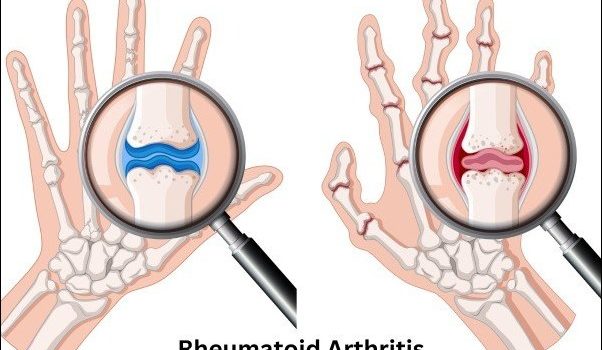
Rheumatoid Arthritis

Abstract

Rheumatoid arthritis is a chronic autoimmune disorder characterized by persistent immune mediated inflammation  which primarily involves the joints. It represents a systemic disease rather than a condition confined to a single tissue, reflecting complex interactions between genetic susceptibility, environmental factors and immune dysregulation. And it  constitutes a significant global health concern due to its chronic course and potential to influence overall physical function and long term health outcomes.

Introduction

Rheumatoid arthritis  is a chronic, systemic autoimmune disorder in which the body’s immune system mistakenly attacks the synovial lining of joints, leading to persistent inflammation, pain, swelling, stiffness and gradual joint destruction. It most commonly affects small joints of the hands and feet in a symmetrical pattern and is often associated with prolonged morning stiffness lasting more than one hour. Over time uncontrolled inflammation can cause joint deformities, reduced mobility and functional disability. It is not limited to joints alone and may involve extra articular organs such as the skin, eyes, lungs, heart and blood vessels. In Ayurveda, it is correlated with Amavata, a disorder caused by the accumulation of Ama (toxic metabolic by products) along with the vitiation of Vata Dosha. Due to weak Agni (digestive fire), Ama (toxic metabolites) forms and circulates in the body, eventually lodging in the sandhi (joints), where aggravated Vata carries it, resulting in its symptoms. Management of Amavata focuses on Ama Pachana (digestion of toxins), Agni Deepana (enhancing digestion), Vata Shamana (pacifying Vata) and Shodhana therapies (purification) along with appropriate dietary regulation and lifestyle modifications. Some of the herbs used in the treatment of rheumatoid arthritis are:

Rheumatoid Arthritis

Herbs  for Rheumatoid arthritis

1. Haridra

Curcuma longa  has tikta and katu Rasa (bitter and pungent taste), laghu and ruksha Guna (light and dry qualities), ushna virya (hot potency) and katu vipaka (pungent post digestive effects), making it highly effective in Ama Pachana (digestion of metabolic toxins) and Agni Deepana (improving digestive fire). Its bioactive compound curcumin powerfully helps in inflammation by suppressing cytokines like TNF-α, IL-6 pathways thus easing joint pain, swelling, stiffness and progression. Its natural anti-inflammatory and antioxidant properties help regulate abnormal immune responses and reduce inflammatory activity.

2. Shunthi

Zingiber officinale acts mainly as a Deepana and Pachana (digestive and carminative) agent. Its Ushna Virya (Hot potency) and katu rasa (pungent taste) helps to digest accumulated toxins (Ama), reduce Vata induced stiffness, improve circulation and provide mild anti-inflammatory and analgesic effects. Intake of its powder daily with warm water is very beneficial in relieving pain.

3. Shallaki

Boswellia serrata primarily works as an anti-inflammatory and analgesic herb. The active compounds like boswellic acids inhibit inflammatory enzymes and reduce joint swelling, pain and cartilage degradation. It directly supports joint integrity and mobility. It has strong Shothahara (anti-inflammatory), Vedanasthapana (analgesic) and Vata and Kapha Shamana (pacifying Vata and Kapha dosha) properties.

4. Maricha

Maricha or Piper nigrum acts as a Deepana and Pachana (digestive and carminative) and Yogavahi (bio enhancer) herb. It helps in proper digestion of Ama, enhances the effectiveness of other herbs and improves circulation, supporting reduction of stiffness and inflammation. It helps in enhancing Agni,  breaking down Ama (metabolic toxins) and improving micro circulation within the joints thereby reducing stiffness and heaviness.

5. Pippali

Piper longa functions as a Vata Shamana (Pacifying Vata dosha) and Deepana and Pachana (digestive and carminative) herb. It aids in digestion, promotes metabolism of Ama (metabolic waste), improves bioavailability of co-administered herbs and helps in relieving joint pain, stiffness and swelling by reducing systemic inflammation. Its key active compound piperine exhibits anti-inflammatory, immunomodulatory and antioxidant effects.

Home remedies and lifestyle changes for Rheumatoid arthritis

  1. Follow a warm, freshly cooked and easily digestible diet to support digestive fire and reduce toxin accumulation.
  2. Perform gentle joint movements daily to keep flexibility without overstraining the joints.
  3. Include mild spices like ginger, turmeric, cumin and black pepper in daily meals to maintain metabolic balance.
  4. Drink warm water or herbal decoctions throughout the day instead of cold beverages.
  5. Maintain regular meal timings to help stabilize digestion and metabolism.
  6. Apply warm oil massage using sesame or medicated oils to nourish joints and pacify dryness.
  7. Maintain a healthy body weight to reduce excess load on joints.
  8. Ensure adequate rest while avoiding prolonged inactivity which can worsen stiffness.
  9. Establish a regular sleep routine to support immune balance and tissue repair.
  10. Stay consistent with lifestyle discipline as regularity plays a key role in long term joint well being.

Planet Ayurveda’s Remedies

Planet Ayurveda is a renowned Ayurvedic healthcare company dedicated to providing authentic, plant-based herbal formulations prepared according to classical Ayurvedic principles. The organization emphasizes the use of standardized herbal extracts, free from chemicals, preservatives, artificial colors, and heavy metals, ensuring safety and purity.Planet Ayurveda integrates traditional Ayurvedic wisdom with modern quality control practices to support holistic health management. Its formulation like the Rumogin 5 capsule is very helpful in rheumatoid arthritis.

Herbal Remedy for Rheumatoid arthritis

Herbal Supplement for Rheumatoid arthritis

Rumogin 5 Capsules

It is a capsule formulation of Planet Ayurveda which consists of Haridra (Curcuma longa), Shunthi (Zingiber officinale), Shallaki (Boswellia serrata), Maricha (Piper nigrum) and Pippali (Piper longum). It is specially useful in rheumatoid arthritis by pacifying Vata and Kapha dosha , eliminating Ama (metabolic by products) toxins, lubricating joints and restoring mobility. It has Yogavahi (bioenhancer) and Deepana and Pachana (digestive and carminative) agents and facilitates deeper tissue penetration.

Dosage: 1 – 2 capsules two times in a day with plain water after meals.

Conclusion

causing systemic inflammation primarily affecting joints and leading to functional impairment. In Ayurveda, it is correlated with Amavata which results from the accumulation of Ama due to weak Agni and aggravated Vata Dosha and manifesting as joint pain, stiffness and systemic discomfort. Its management is primarily based on eliminating Ama (metabolic waste) from the body, Agni Deepana (enhancing digestion) and Vata Shamana through herbal formulations, Panchakarma therapies like Basti (enema therapy) and lifestyle modifications. Herbs such as Haridra (Curcuma longa), Shunthi (Zingiber officinale), Shallaki (Boswellia serrata) provide anti-inflammatory, analgesic and immune modulating effects and provide long term relief in patients.

Ayurvedic Treatment for Low Bone Density – Symptoms, Causes , Risk Factors & Herbal Remedies

Abstract

Low bone density, often referred to as osteoporosis in advanced cases. It is a condition where bones become weaker and more susceptible to fractures due to a reduction in bone mineral content. This condition typically develops without noticeable symptoms in its early stages, making it difficult to detect without medical testing. Several factors contribute to low bone density, such as aging, hormonal imbalances (especially after menopause), inadequate nutrition (low calcium or vitamin D intake), lack of physical activity, and certain medical conditions or medications. In this article we will discuss this in more and we will discuss its Ayurvedic overview and its management.

Low Bone Density

Introduction

Low bone density is a condition in which bones become less dense, weakening their structure and increasing the likelihood of fractures. It is typically identified through bone density tests. The condition is commonly categorized into two types: osteopenia and osteoporosis. Osteopenia is a less severe form of bone loss, while osteoporosis represents a more advanced stage, leading to significantly higher fracture risk. Osteoporosis is a widespread global health concern, particularly among the elderly, marked by a notable decrease in bone mass that results in fragile bones. In contrast, osteopenia refers to a condition where bone density is reduced but not to a level that severely compromises bone strength. Both conditions are more common with age, and women, especially those post-menopause, face a higher risk due to hormonal changes that impact bone health.

Causes

Low bone density can arise from various factors, which can be grouped into genetic, lifestyle, hormonal, and medical causes –

  • Age – As individuals age, the process of bone renewal slows down, leading to a gradual decrease in bone density. This becomes especially noticeable after the age of 30, as bones lose mass over time.
  • Hormonal Changes in Women – Women are more likely to develop low bone density due to lower peak bone density and accelerated loss after menopause.
  • Natural Lower Bone Density – Some individuals naturally have lower bone density without experiencing bone loss.
  • Peak Bone Density – Bone mass starts to decrease after the age of 30. Thicker bones at age 30 may delay low bone density or osteoporosis.
  • Eating Disorders / Metabolic Issues – These issues can hinder nutrient absorption, leading to low bone density.
  • Chemotherapy or Some Other Medications – Medications like steroids can weaken bones.
  • Radiation Exposure – Damages bone health.


Other Risk Factors

  • Family history
  • Thin body type
  • Low physical activity
  • Smoking
  • Alcohol

Symptoms

There are no as such symptoms of Low bone density, some of the Commonly seen sign and symptoms are –

Common Symptoms of Low Bone Density

  1. Frequent fractures
  2. Fractures from light impact
  3. Chronic back discomfort
  4. Height reduction
  5. Hunched posture
  6. Reduced movement
  7. Joint discomfort
  8. Weak grip strength
  9. Fatigue
  10. Difficulty in standing upright
  11. Decreased balance

Diagnosis

1. DEXA Scan (Bone Density Test)

A Dual-Energy X-ray Absorptiometry (DEXA) scan is the most common test used to assess bone density. This painless test measures the mineral content of bones, usually in the spine, hip, or wrist, and helps determine if the bones are weak or at risk for fractures.

2. X-Rays

X-rays may be employed to identify any existing fractures or changes in bone structure, particularly in the spine. However, X-rays are not effective for detecting early bone density loss.

3. Blood Tests

Blood work can help measure levels of calcium, vitamin D, and other factors that influence bone health. Abnormal results, such as low vitamin D or calcium deficiencies, can point to possible issues affecting bone density.

4. Physical Exam

A physical examination may be performed to evaluate posture, balance, and any physical signs of bone weakness or fractures. Doctors may also measure height to detect any reduction in stature due to spinal compression.

5. CT Scan (Quantitative CT Imaging)

In certain cases, a quantitative CT scan may be used to get detailed imaging of the bones. While not a routine procedure, it can offer more specific insights into bone density when necessary.

Treatment

Approaches to Treating Low Bone Density

  1. Medications
    • Bisphosphonates
    • Selective Estrogen Receptor Modulators (SERMs)
    • Hormone Replacement Therapy (HRT)
  2. Supplements
    • Calcium
    • Vitamin D
  3. Lifestyle Modifications
    • Physical Activity
    • Nutritional Adjustments
    • Smoking Cessation
    • Limit Alcohol

Ayurvedic Overview

Low bone density is a condition that leads to increased bone porosity. This condition in ayurveda can be correlated with Asthisoushirya (Weakening of bones). It is not classified as a distinct disease on its own in ayurvedic texts. It is described as a symptom of Majja kshaya. It can be understood as a condition where vitiated vata becomes localized in the Asthi dhatu (Bone tissue), leading to Asthigata Vata, which eventually results in Asthi kshaya (Bone loss). However, it’s important to note that not every instance of Asthigata vata progresses to osteoporosis. Chronic conditions that exhibit clear stages of Asthisaraheenata (Bone depletion) can eventually lead to Asthusushirata (Bone fragility or porosity).

Causes (Nidana)

In general, Vatavyadhi Nidana (causes of Vata disorders) can be considered relevant here, although specific Nidana for Asthigata Vata (Vata in bones) is not explicitly mentioned. When Vata becomes deranged, it settles in the Asthi (bones), leading to Asthi Kshaya (bone loss). Since the Asthi dhatu (bone tissue) is nourished by nutrients circulating through its own channels, and both the Asthi and Asthi Vaha srotas (bone and bone-carrying channels) share similar qualities, factors that disturb the Srotas also disturb the dhatu. Additionally, Asthi and Majja (bone marrow) are interconnected, as Charaka mentions a cooperative relationship between Dhatus, known as “Paraspara Upasamsthabdha Dhatu Sneha Parampara” (mutual nourishment of tissues through a continuous flow of fat). Hence, factors that affect the Asthi Vaha and Majja Vaha srotas contribute to Asthi Kshaya (bone loss).The causes (Nidanas) for Vatavyadhi (Vata disorders) and vata prakopa (Vata aggravation) can be classified as follow –

  1. Dietary factors (Aharaja)
  2. Lifestyle factors (Viharaj)
  3. Mental stress (Mansika)
  4. Trauma (Abhigataja)
  5. Other contributing factors (Anyat nidana)

Aharaj (dietary Factors)

Consuming food that is low in nutritional value, or not taking in enough food (Alpabhojana), can contribute to imbalances. Foods that specifically aggravate Vata (Vatala Ahara) also play a significant role. Overconsumption of foods and drinks that are predominantly Tikta, Katu, and Kashaya in taste, and have the qualities of Rooksha (dry), Laghu (light), and Sita (cold), can intensify Vata dosha. Additionally, prolonged consumption of Virudha Ahara (incompatible food combinations) and Mamsala Ahara (heavy, meat-based foods) disturb the Majja Vaha Srotas (bone marrow channels) and Manovaha Srotas (fat channels), which ultimately have a negative impact on the Asthi dhatu (bone tissue).

Viharaj (Lifestyle factors)

Viharaja (lifestyle factors) that contribute to imbalances include-

  • Excessive exercise (Vyayama) – Overexertion during physical activities can strain the body.
  • Overindulgence in sexual activity (Vyavaya) – Engaging in sexual intercourse excessively can weaken the body.
  • Staying awake at night (Prajagara) – Sleep deprivation or staying awake during nighttime hours disrupts bodily functions.
  • Improper regimen during treatment (Apathya regimen) – Failing to follow appropriate guidelines while undergoing treatment.
  • Excessive blood loss – Losing too much blood, either through injury or medical conditions, can harm the body’s vitality.
  • Suppression of natural urges (Vegadharana) – Holding back natural bodily functions such as urination, defecation, or sneezing can cause harm.
  • Continuous physical stress –Repetitive activities like long journeys, uncomfortable postures while traveling, walking long distances, wrestling with someone stronger, or carrying heavy loads can irritate the body tissues.
  • Lack of exercise, obesity, and daytime sleeping – Insufficient physical activity, excess body weight, and sleeping during the day are factors that disrupt the Medovaha Srotas (fat channels), leading to various health issues.

Symptoms (Roopa)

Manifestations of Asthigatavata (Vata in bones) include the following symptoms

Ayurvedic Symptoms Related to Low Bone Density

  1. Asthiparvanam Bheda – Sharp, breaking pain around bony joints, such as the interphalangeal joints, wrists, cervical spine, lumbar spine, and sacral joints.
  2. Sandhisoola – Pain in the joints, often occurring in various parts of the body.
  3. Mamsakshaya – Muscle wasting or loss of muscle mass.
  4. Balakshaya – Weakness or loss of physical strength.
  5. Asthi Bhagna – Increased susceptibility to bone fractures.

According to Bhela Samhita, when Vata becomes aggravated in the Asthi (bones) and Majja (bone marrow), it leads to a variety of disorders, including –

Complications Related to Bone Weakness and Vata Disorders

  • Fractures of bones due to weakened bone structure.
  • Shivering and wasting of the body.
  • Epilepsy or convulsions.
  • Lockjaw, where the jaw becomes stiff and immobile.
  • Lameness in one or both hands or legs.
  • Joint dislocation due to weakened joints.
  • Other Vata disorders affect various parts of the body.

Treatment

Line of treatment for Low bone density in Ayurveda is –

Panchkarma therapies

  • Sneha Basti (Enema with Ghee)
  • Ksheer Basti (Enema with milk)
  • Abhyanga (Massage with herbal oils)
  • Virechana (Therapeutic Purgation)

Single Drugs used

  • Ashwagandha
  • Vacha
  • Dadima
  • Madhuyashti
  • Vidarikanda
  • Parushak
  • Padam Bijak
  • Guggul

Medicines Used

  • Lakshadi Guggulu
  • Trayodashang Guggulu
  • Yograj Guggulu
  • Praval Pishti
  • Mukta Shuktibhasma
  • Kukkutandatvak Bhasma
  • Kapardika Bhasma
  • Trikatu Churna
  • Panchkol Churna
  • Pippalyadi Churna
  • Ardraka Ghrita

Buy Medicines from our online medicine store Click Here

Herbal Remedies for Low bone density by Planet Ayurveda

Planet Ayurveda is a GMP certified ayurvedic company. They provide a wide range of natural, herbal formulations to support health and manage chronic disease. Planet Ayurveda’s Formulations are 100% pure, natural, chemical free and safe to use. All their formulations are prepared under the supervision of MD (Ayurveda) scholars. Their products focus on holistic care, addressing the root cause of ailments through personalised treatment, and lifestyle modification.

Ayurvedic Supplements for Bone Health

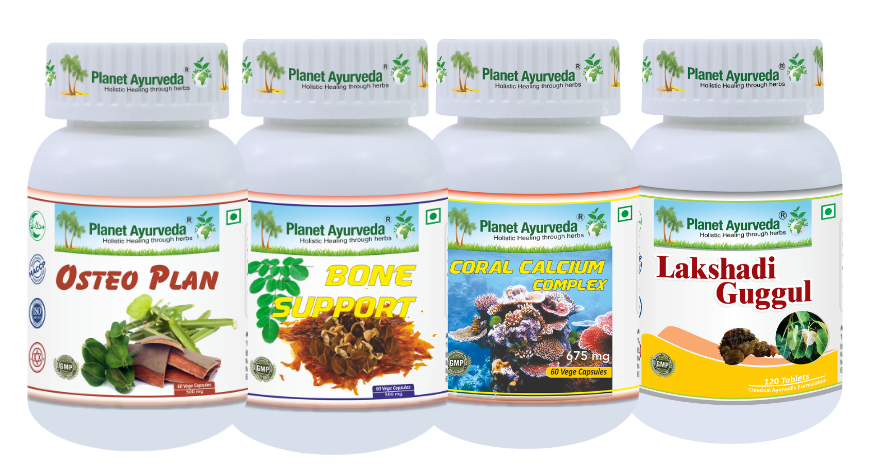
1.Coral Calcium Complex

This capsule is a pure extract of Praval Pishti (Coral), Akik Pishti (Agate), Mukta Pishti (Pearl), Guduchi (Giloy Satva) etc. Coral Calcium Complex can help provide additional calcium, which is crucial for maintaining bone strength.

Dosage: 1 capsule two times a day, with warm water after a meal

2. Lakshadi Guggul

This tablet is a standardized pure extract of Laksha (Laccifer Lacca), Asthisamharaka (Cissus Quadrangularis), Arjuna (Terminalia Arjuna), Ashwagandha (Withania Somnifera), Nagbala (Grewia Populifolia) etc. These herbs help to strengthen bones and enhance calcium absorption, supporting overall joint health.

Dosage: 2 tablets two times a day with lukewarm water after a meal

3. Osteoplan Capsule

This capsule is a standardized pure extract of Ashwagandha (Withania Somnifera), Shatavari (Asparagus Racemosus), Hadjod (Cissus Quadrangularis), Arjuna (Terminalia Arjuna). These capsules help revitalize osteocytes, offer joint lubrication, and meet calcium requirements. They help alleviate joint pain, back pain, neck pain, ankle discomfort, and swelling.

Dosage: 1 capsule two times a day with warm water after a meal

4. Bone Support Capsule

This capsule contains standardized pure extracts of Shudh Laksha (Laccifer Lacca), Shuanjana Beej (Moringa Oleifera), Hadjod (Cissus Quadrangularis), Arjun (Terminalia Arjuna), Praval Pishti (Corallium Rubrum) etc. These herbs enhance calcium absorption, promote joint flexibility, and support overall bone health. They help maintain bone density, reduce fracture risk, and improve mobility.

Dosage: 1 capsule two times a day with warm water after a meal

Conclusion

Low bone density is a condition that affects bone health, and it’s important to approach its treatment in a well-rounded way. Early diagnosis, prevention, and timely treatment are key to managing it. Ayurveda offers a natural method for preventing low bone density by looking at the whole person, including factors like body type, strength, digestion, and lifestyle. Ayurvedic remedies can be used individually or together, based on the person’s specific needs, to help prevent the disease.