July 29, 2026
A Comprehensive Guide to Empha (Empagliflozin) and Ayurvedic Metabolic Management
The management of type 2 diabetes mellitus has evolved into a sophisticated branch of medicine. Modern therapeutics target specific cellular pathways, transporters, and organ systems to regulate glucose homeostasis. Among the most advanced of these modern tools is Empha, a prescription medication containing the active pharmaceutical ingredient empagliflozin.
Concurrently, a growing global interest in complementary and traditional medicine has led many individuals to explore ancient health systems, particularly Ayurveda. This comprehensive article explores the pharmacology, mechanism, benefits, and safety profile of Empha (empagliflozin), alongside an in-depth analysis of Ayurvedic metabolic substitutes-specifically Daruharidra and Vijaysar-examining how these traditional herbs function on a physiological level to manage blood glucose
Part 1: Comprehensive Analysis of Empha (Empagliflozin)
Empha is an oral, highly selective medication used primarily in the management of type 2 diabetes. Its active pharmaceutical ingredient, empagliflozin, belongs to a class of medications known as sodium-glucose cotransporter 2 (SGLT2) inhibitors, commonly referred to as “gliflozins.” Unlike older generations of anti-diabetic medications that focus on increasing insulin production or altering liver glucose output, Empha utilizes the filtration mechanics of the kidneys to lower blood sugar.
The Mechanism of Action: Renal Glucose Regulation
To understand how Empha functions, one must examine how the human body normally conserves energy. Every day, the kidneys filter a massive volume of blood, including a substantial amount of glucose. In a healthy individual without diabetes, the body treats glucose as a precious fuel source. It actively reabsorbs nearly 100 percent of this filtered glucose back into the bloodstream through specialized transport proteins located in the proximal renal tubules of the kidneys.
The primary protein responsible for roughly 90 percent of this cellular reabsorption is the sodium-glucose cotransporter 2 (SGLT2). The remaining 10 percent is handled down the line by SGLT1 transporters.
In individuals with type 2 diabetes, this reabsorption threshold often increases, meaning the kidneys inadvertently work over-time to keep high levels of sugar circulating in the blood. Empha directly intervenes in this process.
When a patient takes Empha, empagliflozin binds selectively to the SGLT2 transport proteins in the kidneys. By inhibiting these transporters, the medication blocks the reabsorption of glucose. Because the sugar cannot be pulled back into the bloodstream, it remains within the filtrate and is physically excreted out of the body through the urine. This medical process is known as induced glucosuria.
By flushing excess sugar away, Empha lowers both fasting and post-meal blood glucose levels. The unique aspect of this mechanism is that it operates completely independently of insulin. It does not matter if a patient’s pancreatic beta cells are sluggish, or if their tissues are highly resistant to insulin; the physical removal of sugar via the kidneys remains highly effective.
Secondary Systemic Benefits
Because Empha forces the body to excrete glucose, it provides several secondary metabolic benefits that extend far beyond simple glycemic control.
First, glucose carries a caloric value. When Empha induces the excretion of roughly 60 to 100 grams of glucose per day through the urine, it effectively removes 240 to 400 calories from the body daily. Over time, this consistent caloric deficit contributes to modest, sustainable weight loss, which is particularly beneficial since type 2 diabetes is frequently accompanied by obesity or overweight conditions.
Second, the excretion of sodium and glucose creates a mild osmotic diuretic effect. This means the medication gently encourages the body to shed excess fluid volume. The reduction in intravascular volume, combined with localized changes in blood vessel stiffness, results in a consistent reduction in blood pressure.
Second, the excretion of sodium and glucose creates a mild osmotic diuretic effect. This means the medication gently encourages the body to shed excess fluid volume. The reduction in intravascular volume, combined with localized changes in blood vessel stiffness, results in a consistent reduction in blood pressure.
Common Side Effects and Considerations
While Empha is highly effective, its unique mechanism introduces specific clinical considerations. The most common side effects stem directly from the presence of elevated sugar levels in the urinary tract. Because bacteria and yeast thrive in warm, glucose-rich environments, patients taking Empha experience a higher incidence of genitourinary tract infections, such as urinary tract infections (UTIs) and vulvovaginal candidiasis (yeast infections). Maintaining rigorous personal hygiene and adequate hydration can mitigate these risks.
Additionally, due to its mild diuretic effect, there is a risk of volume depletion or dehydration, particularly in elderly patients or those concurrently taking loop diuretics for blood pressure. Symptoms such as dizziness, orthostatic hypotension (a drop in blood pressure upon standing), and increased thirst must be monitored closely.
A rare but severe complication associated with SGLT2 inhibitors is euglycemic diabetic ketoacidosis (DKA). DKA is a metabolic emergency where the blood becomes dangerously acidic due to the buildup of ketones. What makes it tricky with medications like Empha is that the blood sugar levels may appear normal or only mildly elevated (euglymiceic), potentially delaying diagnosis. This usually occurs during periods of severe illness, surgical procedures, or extreme carbohydrate restriction.
Part 2: The Ayurvedic Perspective on Diabetes (Madhumeha)
To contrast modern pharmaceuticals with traditional systems, one must explore how Ayurveda classifies and approaches metabolic dysfunction. Ayurveda does not view type 2 diabetes as an isolated disease of blood chemistry or renal transport; rather, it categorizes it under a broad group of metabolic disorders known as Prameha.
There are twenty distinct types of Prameha described in foundational classical texts like the Charaka Samhita and Sushruta Samhita, based on the specific bio-elements (doshas) involved. Type 2 diabetes specifically correlates to an advanced stage of Prameha known as Madhumeha. The word “Madhu” translates to honey, and “Meha” refers to urination. Therefore, Madhumeha literally means the passing of sweet, honey-like urine—an observation made by ancient physicians thousands of years before modern laboratory tests were invented.
Pathophysiology in Ayurveda
According to Ayurvedic theory, Madhumeha is caused by a profound disturbance in the metabolic fire, known as Agni. When a person chronically consumes a diet that is excessively heavy, sweet, cold, and unctuous, combined with a sedentary lifestyle and lack of physical exercise, the Kapha dosha (the bio-element responsible for structure and fluid stability) becomes heavily aggravated.
This excess Kapha dampens the digestive fire, leading to improper digestion and the formation of ama (endotoxins)—morbid, toxic, undigested metabolic byproducts. As ama (endotoxins) circulate through the body, it impairs the Meda Dhatu (fat tissue) and Mamsa Dhatu (muscle tissue).
As the condition progresses, the aggravated Kapha and impaired fat tissue block the subtle channels of circulation (srotas). This obstruction prevents nutrients from reaching the deep tissues, which paradoxically causes the Vata dosha (the bio-element governing movement and depletion) to become hyperactive.
The hyperactive Vata then draws the vital essence of the body (Ojas) down into the urinary system, expelling it through the urine. The loss of Ojas manifests as chronic fatigue, vulnerability to infections, and the characteristic sweetness of the urine.
Holistic Management Philosophy
Because the root cause is seen as a systemic failure of metabolic intelligence, the Ayurvedic treatment strategy for Madhumeha focuses on three core pillars:
Ahara (dietary modification), Vihara (lifestyle corrections and physical activity), and Aushadhi (targeted herbal formulations).
The goal of Ayurvedic herbology is not to manually force an organ to pump out or flush away a single molecule like glucose. Instead, herbs are selected based on their energetic properties—typically possessing Tikta (bitter) and Kashaya (astringent) tastes, and Laghu (light) and Ruksha (dry) attributes—to rekindle the metabolic fire (Agni), scrape away excess fat tissue, digest toxic accumulations (Ama), and restore insulin sensitivity across the tissues.
Part 3: Ayurvedic Herbal Substitutes and Mechanisms
While there is no single herb that acts as a literal, direct equivalent to a synthetic SGLT2 inhibitor’s kidney-flushing mechanism, several plants from the Ayurvedic compendium have been heavily studied in modern pharmacology. These herbs achieve a comparable clinical end-goal: lowering blood glucose, protecting metabolic health, and preserving major organ systems. The two most prominent herbal interventions for this purpose are Daruharidra (Berberis aristata) and Vijaysar
1. Daruharidra (Berberis aristata)
Daruharidra, known botanically as Berberis aristata, is a large, thorny shrub native to the Himalayan region. Its yellow wood and roots contain a potent, naturally occurring alkaloid compound called berberine, which serves as the primary driver of its anti-diabetic effects.
Cellular Mechanism: Activating the Master Switch
While Empha works outside the cell by preventing the reabsorption of glucose in the kidneys, Daruharidra works deep inside the cells to optimize how the body utilizes energy. The primary biochemical pathway through which berberine functions is the activation of Adenosine Monophosphate-activated Protein Kinase, commonly known as AMPK.
AMPK is universally recognized as the central metabolic master switch of the human body. It acts like a cellular fuel gauge. When AMPK is activated by the compounds in Daruharidra, it signals the cell that energy reserves are low. In response, the cell triggers a sequence of survival mechanisms:
GLUT4 Translocation: AMPK prompts glucose transporter type 4 (GLUT4) molecules to move from deep within the cell up to the outer cellular membrane. This creates open pathways for glucose circulating in the blood to enter the cell naturally.
Enhanced Glycolysis: Once glucose enters the cell, Daruharidra promotes glycolysis, the breakdown of sugar to produce cellular energy (ATP).
Inhibition of Gluconeogenesis: At the same time, berberine travels to the liver and suppresses gluconeogenesis (the process where the liver creates brand-new glucose and dumps it into the bloodstream), a common issue that causes high fasting blood sugar in diabetic patients.
Addressing Insulin Resistance
Beyond AMPK activation, Daruharidra directly tackles insulin resistance. It increases the expression of insulin receptor genes on the surface of muscle and fat cells. By making these receptors more abundant and sensitive, the body’s native insulin can bind effectively, unlocking cells to receive sugar without requiring the pancreas to over-produce insulin.
Furthermore, research indicates that berberine acts as a mild mitochondrial inhibitor. By gently slowing down the respiratory chain in the mitochondria, it forces the cell to switch to anaerobic glycolysis, which consumes high amounts of glucose from the blood to maintain baseline functions.
2. Vijaysar (Pterocarpus marsupium)
Another foundational Ayurvedic giant in the management of Madhumeha is Vijaysar, derived from the heartwood of the Pterocarpus marsupium tree. Historically, Ayurvedic physicians would craft tumblers out of Vijaysar (Pterocarpus marsupium) wood, fill them with water overnight, and have diabetic patients drink the infused, yellowish-blue water first thing in the morning.
Cellular Mechanism: Beta-Cell Regeneration and Alpha-Glucosidase Inhibition
Vijaysar (Pterocarpus marsupium) contains distinct, active phytoconstituents, including epicatechin, pterosupin, and marsupsin. Its mechanism of action offers a fascinating contrast to modern drugs.
Pancreatic Beta-Cell Protection: One of the most remarkable properties of Vijaysar (Pterocarpus marsupium) documented in pharmacological models is its ability to protect, and potentially help regenerate, functional pancreatic beta cells. In type 2 diabetes, chronic overworking causes beta cells to burn out and die. Vijaysar helps preserve the structural integrity of the islets of Langerhans in the pancreas, maintaining the body’s natural capacity to synthesize insulin.
Intestinal Enzyme Inhibition: Vijaysar (Pterocarpus marsupium) also acts within the digestive tract as a natural inhibitor of alpha-glucosidase and alpha-amylase. These are the specific enzymes responsible for breaking down complex carbohydrates into simple sugars in the small intestine. By slowing down this enzymatic breakdown, Vijaysar (Pterocarpus marsupium) delays carbohydrate absorption, flattening post-meal blood sugar spikes. This mechanism mirrors the modern pharmaceutical drug acarbose.
Emerging Scientific Synthesis: Natural SGLT Inhibition
An incredibly compelling area of modern pharmacological research is the investigation of traditional Ayurvedic herbs for hidden SGLT-inhibitory properties. Recent biochemical screening studies have analyzed complex polyherbal mixtures—often combining bitter elements like Daruharidra, Gudmar (Gymnema sylvestre), and Haridra (Turmeric)—and discovered that certain plant-based polyphenols can weakly bind to SGLT1 and SGLT2 receptors in both the gut and the kidneys.
While these natural compounds do not cause the profound, rapid glucosuria seen with a targeted chemical isolate like Empha, they offer a gentle, multi-pathway modulation. They slow down sugar absorption in the gut while simultaneously encouraging metabolic burning at a cellular level, creating a balanced, multi-organ therapeutic effect.
Part 4: Clinical Comparison and Safety Integration
When evaluating modern pharmaceutical therapies alongside traditional Ayurvedic strategies, it is essential to approach the topic with scientific objectivity and clinical safety as the highest priorities.
Speed of Action and Clinical Intent
Empha (empagliflozin) is engineered for highly predictable, rapid, and acute intervention. Within hours of taking a single dose, SGLT2 transporters are blocked, and the kidneys begin expelling grams of glucose into the urine, resulting in a demonstrable drop in blood sugar numbers within days. This rapid action is critical for individuals experiencing dangerously high HbA1c levels, where immediate glucose lowering is required to prevent cardiovascular damage, nerve degradation, and microvascular complications.
Ayurvedic interventions using herbs like Daruharidra (Berberis aristata) or Vijaysar operate on a completely different temporal scale. Because they focus on altering cellular expression, reducing systemic inflammation, rekindling the internal metabolic fire (agni), and slowly rebuilding cellular sensitivity to insulin, their therapeutic effects develop gradually over several weeks or months. The intent of Ayurveda is not rapid symptomatic suppression, but rather long-term metabolic rehabilitation.
The Dangers of Self-Substitution
A critical danger occurs when a patient treats Ayurvedic herbs as a simple “plug-and-play” replacement for a drug like Empha. If an individual abruptly stops taking a prescribed dose of Empha and switches entirely to an herbal extract, several adverse health events can unfold rapidly:
Rebound Hyperglycemia: Because the body loses the continuous renal excretion mechanism provided by the empagliflozin, blood sugar levels can skyrocket abruptly before the slow-acting herbal compounds have had time to modify cellular pathways.
Loss of Organ Protection: A patient who transitions away from Empha without a medical plan forfeits the highly documented, immediate stabilization of internal kidney pressures and the reduction in cardiac workload provided by the drug, potentially increasing their vulnerability to heart or renal failure.
Unknown Herb-Drug Interactions: If a patient attempts to take both Empha and heavy doses of standardized herbal extracts like berberine simultaneously without professional guidance, the overlapping mechanisms could cause unpredictable fluctuations in blood pressure, unexpected gastrointestinal distress, or alteration of liver enzyme clearance rates.
A Framework for Safe, Integrative Care
For individuals who desire to incorporate the ancient wisdom of Ayurveda alongside modern treatments like Empha, a structured, safe, and collaborative approach must be followed.
First, open communication must be established between the patient’s primary endocrinologist and a formally qualified Ayurvedic physician holding a recognized institutional degree. The modern medical doctor manages the acute parameters of the disease, ensuring safety margins are maintained, while the Ayurvedic practitioner assesses the systemic imbalances, tissue quality, and digestive fire.
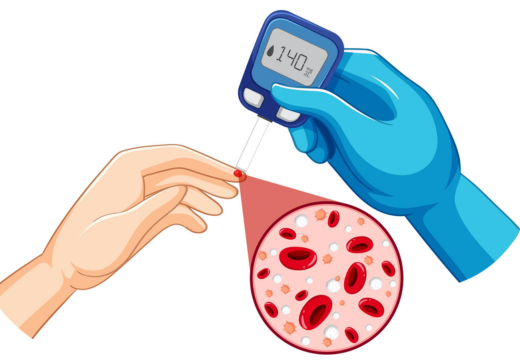
Second, if any modification of pharmaceutical dosages is ever considered, it must be performed slowly, in a stepwise fashion, backed by continuous diagnostic data. The patient must monitor their capillary blood glucose levels multiple times a day and undergo regular HbA1c testing every three months.
As Ayurvedic therapies, dietary changes, and weight-loss steps gradually restore the body’s internal metabolic capacity, the endocrinologist can carefully titrate and lower the chemical medications if the clinical data justifies the shift.
Ultimately, Empha represents a monumental achievement in modern, targeted molecular medicine, utilizing the kidneys to unload metabolic strain from a struggling body. Conversely, herbs like Daruharidra (Berberis aristata) and Vijaysar (Pterocarpus marsupium) represent the pinnacle of traditional, multi-system wellness, aiming to revive the body’s internal intelligence and cellular vitality. When treated not as competing philosophies, but as distinct tools utilized under rigorous clinical supervision, the path toward optimal metabolic health becomes both safe and comprehensive.

Dr. Vikram Chauhan
https://www.planetayurveda.comDr. Vikram Chauhan (MD - Ayurveda) is a Globally Renowned Ayurveda Physician with Expertise of more than 25 Years. He is the CEO & Founder of http://www.PlanetAyurveda.com, a leading Ayurveda Brand, Manufacturing, and Export Company with a Chain of Clinics and Branches in the US, Europe, Africa, Southeast Asia, India, and other parts of the World. He is also an Ayurveda Author who has written Books on Ayurveda, translated into Many European Languages. One of his Books is "Ayurveda – God’s Manual for Healing". He is on a Mission to Spread Ayurveda All Over the Planet through all the Possible Mediums. With his Vast Experience in Herbs and their Applied Uses, he is successfully treating Numerous Patients suffering from Various Ailments with the help of the Purest Herbal Supplements, Diet, and Lifestyle, according to the Principles of Ayurveda. For More Details, visit - www.planetayurveda.com, www.alwaysayurveda.com
View more posts from this author