Tag: Traditional Medicine

Udsaleev (Paeonia officinalis): Benefits, Uses & Therapeutic Value

ABSTRACT

Udsaleev (Paeonia officinalis), commonly known as European Peony and referred to in traditional Ayurvedic and Unani literature as Ud-Saleev, is a perennial medicinal herb valued for its therapeutic properties. Traditionally used in European and Asian systems of medicine, the plant is especially known for its roots, which are rich in bioactive constituents such as paeoniflorin, albiflorin, paeonol, flavonoids, tannins, and volatile compounds. These phytochemicals contribute to its anti-inflammatory, antispasmodic, analgesic, sedative, and neuroprotective activities. Paeonia officinalis has been traditionally employed in the management of menstrual disorders, nervous system conditions, muscle spasms, epilepsy, and inflammatory ailments. Contemporary pharmacological and phytochemical studies provide scientific support for many of these traditional uses, indicating its potential role as a valuable medicinal herb. This article presents a concise overview of the botanical, traditional, and therapeutic significance of Paeonia officinalis.
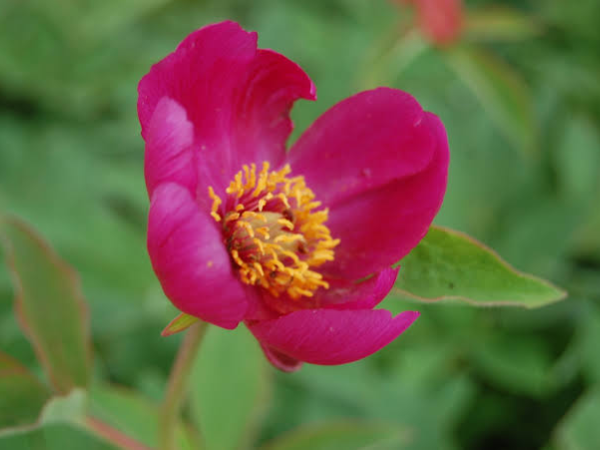
Udsaleev (Paeonia officinalis)

CLASSICAL REFERENCE OF UDSALEEV (PAEONIA OFFICINALIS)

Bhavprakash Nighantu Parishisht Varga – Page No. 895

SCIENTIFIC CLASSIFICATION OF UDSALEEV (PAEONIA OFFICINALIS)

  • Kingdom: Plantae
  • Order: Saxifragales
  • Family: Paeoniaceae
  • Genus: Paeonia
  • Species: Paeonia officinalis

VERNACULAR NAMES OF UDSALEEV (PAEONIA OFFICINALIS)

  • English: European Peony, Common Peony, White Peony Root
  • Hindi: Udsaleev, Ud-Saleeb
  • Urdu / Unani: Udsaleeb, Ood-Saleeb
  • Arabic: Ud al-Salib
  • Persian: Udsalib
  • German: Echte Pfingstrose
  • French: Pivoine officinale
  • Spanish: Peonia comun

HABITAT OF UDSALEEV (PAEONIA OFFICINALIS)

Paeonia officinalis is indigenous to southern and central Europe, with a natural distribution across the Mediterranean and Balkan regions. The plant typically grows in open woodlands, forest margins, grasslands, and rocky or limestone-rich slopes. It prefers well-drained soils and is commonly found in hilly to mountainous areas, ranging from low elevations to higher altitudes. Thriving in temperate climatic conditions, Paeonia officinalis flourishes in locations receiving full sunlight to partial shade and is also widely cultivated as both a medicinal and ornamental plant in various temperate regions worldwide.

MORPHOLOGY OF UDSALEEV (PAEONIA OFFICINALIS)

Paeonia officinalis is a perennial plant that grows from a thick, woody root and usually reaches 60–70 cm in height. Its stems grow straight up each spring and die back after the season ends. The leaves are large and divided into several long, narrow segments, with the lower leaves more divided than the upper ones. The flowers are big, bowl-shaped, and usually red to deep pink, with 5–10 wide petals surrounding many yellow stamens. The plant usually has 2–3 carpels (female parts), which can be either hairy or smooth. After flowering, it produces fruit called follicles, each containing several seeds. The combination of tuberous roots, divided leaves, and large colorful flowers is what makes the peony recognizable.

AYURVEDIC PROPERTIES OF UDSALEEV (PAEONIA OFFICINALIS)

  • Rasa (Taste): Tikta (Bitter), Kashaya (Astringent)
  • Guna (Qualities): Laghu (Light), Snigdha (Slightly unctuous)
  • Virya (Potency): Sheeta (Cooling)
  • Vipaka (Post‑digestive effect): Katu (Pungent)

ACTION ON TRIDOSHA OF UDSALEEV (PAEONIA OFFICINALIS)

It balances vata and pitta dosha.

THERAPEUTIC INDICATIONS OF UDSALEEV (PAEONIA OFFICINALIS)

  • Garbhashya Vikaar (Uterine Disorders)
  • Apasmara (Epilepsy / Seizures)
  • Aptantraka (Hemiplegia / Paralysis)
  • Udarshoola (Abdominal Pain / Colic)
  • Pittavrodha (Pitta-related Disorders)
  • Jalodara (Ascites / Fluid Retention in Abdomen)
  • Atisara (Diarrhea)

SYSTEMIC ACTIONS OF UDSALEEV (PAEONIA OFFICINALIS)

  • Nervous System: Acts as a nervine tonic, calming nerves and reducing stress, anxiety, and insomnia. Helps in Apasmara (epilepsy/seizures) and Aptantraka (paralysis/hemiplegia).
  • Reproductive System: Supports uterine health, helps in Garbhashya Vikaar (uterine disorders), regulates menstrual cycles, and alleviates dysmenorrhea.
  • Digestive System: Relieves Udarshoola (abdominal pain/colic), Atisara (diarrhea), and Jalodara (ascites). Acts as a mild digestive stimulant and improves appetite.
  • Hepatic & Metabolic System: Balances Pitta, reduces Pittavrodha (Pitta-related inflammation), and supports liver function.
  • Musculoskeletal System: Reduces inflammation, joint pain, and stiffness. Useful in rheumatic and Vata-related musculoskeletal disorders.

CHEMICAL COMPOSITION OF UDSALEEV (PAEONIA OFFICINALIS)

  • Root: Paeoniflorin, Paeonin, Triterpenoids (Lupeol, Sitosterol), Flavonoids, Tannins
  • Flower: Paeonidin-3,5-diglucoside, Kaempferol glycosides
  • Leaves: Gallic acid, Flavonoids
  • Seeds: Paeoniflorin, Alpha-linolenic acid

ACTIONS AND PROPERTIES OF VARIOUS CHEMICAL CONSTITUENTS OF UDSALEEV (PAEONIA OFFICINALIS) Root Constituents

  • Paeoniflorin: Nervine tonic, anti-inflammatory, analgesic, hepatoprotective, antispasmodic, sedative.
  • Paeonin: Anti-inflammatory, antioxidant, supports liver and nerve health.
  • Triterpenoids (Lupeol, Sitosterol): Anti-inflammatory, immunomodulatory, antioxidant, supports joint and musculoskeletal health.
  • Flavonoids: Antioxidant, anti-inflammatory, hepatoprotective, free radical scavenger.
  • Tannins: Astringent, anti-diarrheal, anti-inflammatory, antimicrobial.
  • Flower Constituents
  • Paeonidin-3,5-diglucoside (Anthocyanin): Antioxidant, anti-inflammatory, hepatoprotective, supports cardiovascular health.
  • Kaempferol glycosides (Flavonoids): Antioxidant, anti-inflammatory, neuroprotective, hepatoprotective.

Leaves Constituents

  • Gallic acid: Strong antioxidant, anti-inflammatory, antimicrobial.
  • Flavonoids: Antioxidant, anti-inflammatory, hepatoprotective.

Seeds Constituents

  • Paeoniflorin: Nervine tonic, anti-inflammatory, antispasmodic.
  • Alpha-linolenic acid: Anti-inflammatory, supports cardiovascular health, reduces lipid levels.

PRACTICAL USES / HEALTH BENEFITS OF UDSALEEV (PAEONIA OFFICINALIS)

  • The nervous system benefits (calming nerves, reducing stress, anxiety, insomnia, supporting epilepsy and paralysis) are supported by clinical and experimental studies on paeoniflorin and Udsaleev root extracts, including some small pilot clinical studies in epilepsy.
  • Menstrual & uterine support (regulating cycles, relieving cramps) is traditionally reported in Ayurveda, and some studies on peony species, including Paeonia lactiflora and P. officinalis, show uterine muscle relaxing and anti-spasmodic effects, so this is partly research-supported.
  • Joint pain, stiffness, and anti-inflammatory effects are supported by studies on paeoniflorin and total peony glucosides, which show anti-inflammatory and analgesic properties.
  • Digestive benefits (relieving abdominal pain, diarrhea, ascites) are mostly traditional Ayurvedic uses, but some studies show anti-spasmodic and mild anti-inflammatory effects, which support these uses.
  • Liver & Pitta support is well-supported, as studies show Paeonia officinalis root extracts have hepatoprotective effects, reduce liver enzymes, and protect against oxidative damage.
  • Skin health (managing Pitta-related skin disorders) is mainly traditional, but antioxidant and anti-inflammatory properties of peony compounds provide a scientific rationale.
  • Cardiovascular support (reducing inflammation, supporting heart health) is based on the presence of alpha-linolenic acid, flavonoids, and paeoniflorin, which have anti-inflammatory, antioxidant, and lipid-lowering effects, shown in studies.

PART(S) USED OF UDSALEEV (PAEONIA OFFICINALIS)

  • Seeds
  • Leaves
  • Stems
  • Flowers
  • Roots
  • Rhizomes

DOSAGE OF UDSALEEV (PAEONIA OFFICINALIS)

  • Powder (Churna): 1–3 g
  • Decoction (Kwath): 20–40 ml
  • Paste / Oil (Lepa / Taila): Topical application

CONCLUSION

Udsaleev (Paeonia officinalis), also called European Peony, is a perennial medicinal herb valued in Ayurveda and Unani medicine. Its roots, rhizomes, seeds, leaves, stems, and flowers are used for their healing properties. The plant contains bioactive compounds like paeoniflorin, flavonoids, tannins, and alpha-linolenic acid, which provide nervine, anti-inflammatory, hepatoprotective, antispasmodic, and antioxidant effects. It helps in calming nerves, reducing stress, epilepsy, menstrual disorders, joint pain, digestive issues, liver support, skin health, and cardiovascular protection. Dosage forms include powder (1–3 g), decoction (20–40 ml), and topical paste or oil. Udsaleev is a cooling, Vata-Pitta pacifying herb widely used for holistic health.

Santapashamak Mishran

Reference: Rastantrasaar evum Siddhpryog Sangreh/ Jwar roga/ chapter 3/ Formulation 11

Abstract

Hyperpyrexia (high fever), severe internal burning sensations (Daah), unquenchable thirst (Trisha), and acute pyrexial restlessness present profound clinical challenges during critical infectious states. According to Ayurvedic principles, these acute symptoms stem from the severe aggravation of Pitta Dosha and the circulation of Jwaravisha (pyretic metabolic toxins) that overwhelm the cellular system, leading to dangerous internal heat (Santap). Globally, high-grade fevers like typhoid, malaria, and severe pitta-dominant conditions affect millions, requiring targeted interventions capable of protecting vital organs-especially the brain-from thermal injury.

Santapashamak Mishran is a highly potent classical herbo-mineral formulation expertly engineered to calm high-grade fevers, alleviate systemic burning sensations, and eliminate deep-seated circulating pyretic toxins. By combining cooled, potentized mineral complexes with neuro-protective and antipyretic herbs, it systematically lowers extreme body temperatures, binds metabolic toxins, and preserves neurological integrity. Let’s look into this formulation in detail.

Introduction

Santapashamak Mishran is an advanced Rasoushadhi (herbo-mineral formulation) highlighted for its highly specialized action in managing acute hyperpyrexia, toxic fevers, and associated metabolic distress. The name literally translates to the “mixture that pacifies burning heat and distress,” reflecting its definitive clinical outcomes in severe febrile states where the body temperature spikes dangerously.

Unlike generalized digestive or mild febrifuge mixtures, Santapashamak Mishran is uniquely configured to act rapidly when the intensity or velocity of a fever (Jwaravega) is exceptionally high. Classical formulations of this caliber combine the intense cooling, toxin-neutralizing power of Bhasmas and Pishtis with aromatic herbs to clear severe metabolic obstructions within the Srotas (micro-channels). Through meticulous triturated processing, it achieves rapid systemic absorption to normalize thermal balance and guard the brain against hyperpyretic shock.

Classical Indication

  • Jwaravega Adhikya (High-intensity fever)
  • Pittapradhan Jwara (Pitta-dominant fevers)
  • Motijhhra (Typhoid)
  • Vishamajwara (Intermittent fevers)

Ingredients

  • Godanti Bhasma (Gypsum Calx) – 8 parts
  • Giloy Satva (Extract of Tinospora cordifolia) – 4 Parts
  • Praval Pishti (Coral Calcium) – 4 Parts
  • Jahar Mohra Khatai Pishti (Serpentine Calx) – 2 Parts
  • Kajjali (Purified Mercury and Purified Sulphur complex) – 2 Parts
  • Jatamansi (Spikenard) – 1 Part
  • Chhoti Ilaichi ke Dane (Cardamom seeds) – 1 Part
  • Khas (Vetiveria zizanioides)- 1 Part
  • Bhimseni Kapoor (Natural Camphor) – ½ part

Description Of The Ingredients

Godanti Bhasma (Gypsum Calx) serves as a premier, naturally cooling calcium base that possesses extraordinary antipyretic (Jwarahara) and Pitta-pacifying properties. It directly targets systemic burning sensations (Daah) and helps bring down elevated body temperatures smoothly.

Giloy Satva (Extract of Tinospora cordifolia) acts as an immuno-modulator and potent febrifuge. It eliminates Ama (circulating metabolic toxins), strengthens the body’s defensive response against infections, and balances all three Doshas, making it indispensable in chronic and intermittent fevers.

Praval Pishti (Coral Calcium) is an exceptional natural coolant that targets high-grade heat and inflammation. Working in synergy with the other calcium compounds, it aggressively pacifies hyper-acute Pitta, cools internal organs, and controls symptoms like vomiting and excessive thirst.

Jahar Mohra Khatai Pishti (Serpentine Calx) acts as an exceptional cardiac tonic and systemic coolant. It counteracts the toxic expressions of acute fevers, protects the vital organs from febrile stress, and aids in relieving deep-seated pyrexial anxiety and restlessness.

Kajjali (Purified Mercury and Purified Sulphur complex) serves as the premier catalytic adjuvant (Yogavahi). It enhances the bio-availability of the accompanying herbs, triggers rapid cellular absorption, and exerts broad-spectrum anti-toxic actions within the systemic channels to break the velocity of the fever.

Jatamansi (Nardostachys jatamansi) provides vital neuro-protective and calmative benefits. It targets the central nervous system to alleviate pyrexial delirium, reduces acute headaches, and stabilizes mental agitation when the body temperature spikes dangerously.

Chhoti Ilaichi ke Dane (Cardamom seeds) offers aromatic, carminative, and cooling properties. It helps soothe the digestive tract, reduces the frequency of febrile vomiting, and assists in correcting the internal taste and metabolic disturbances caused by severe infections.

Khas (Vetiveria zizanioides) is deeply celebrated for its innate cooling and refreshing temperament. It works systematically to quench unchokeable metabolic thirst (Trisha), pacify localized internal heat, and clear deep-seated obstruction within the sweat-carrying channels.

Bhimseni Kapoor (Natural Camphor) acts as a rapid peripheral circulatory stimulant and febrifuge. Its highly diffusible nature allows it to clear micro-channel blockages immediately, opening up the pores to induce therapeutic sweating which systematically releases trapped body heat.

Method Of Preparation

Accurately weigh the primary mineral and herbal ingredients according to their classical proportions. Take Jatamansi, Chhoti Ilaichi ke Dane, and Khas, and grind them thoroughly to prepare a fine, cloth-strained powder (Kapad-chhan Churna). Combine this fine powder with the Godanti Bhasma, Giloy Satva, Praval Pishti, Jahar Mohra Khatai Pishti, Kajjali, and Bhimseni Kapoor. Place the entire composite mixture into a clean mortar and pestle (Kharal). Triturate (Kharal karana) the collection intensely and continuously until it blends into an entirely homogenous, fine, and potentized therapeutic mixture. Store the finished formulation in a clean, airtight glass container.

Medicinal Combinations

For High-Grade Fevers, Hyperpyrexia, and Associated Severe Symptoms

Administer Santapashamak Mishran at a dose of 1 Masha (1 gram) mixed thoroughly with honey. This must be repeated every 3 hours, up to 3 to 4 times a day. Immediately following the honey mixture, the patient must be given a warm decoction of Amritashtak Kvath to drink.

Amritashtak Kvath Composition

A powerful antipyretic decoction prepared from Giloy, Neem inner bark, Kutki, Nagarmotha, Indra-jau, Sonth (dry ginger), Patolapatra, and Raktachandan (red sandalwood).

This clinical combination acts aggressively to neutralize circulating Jwaravisha (fever toxins), induces sweating to release deep tissue heat, instantly quenches metabolic thirst, stops febrile vomiting, and checks acute headache and mental restlessness.

For Hyperpyrexia exceeding 102°F (Neuro-Protective Protocol)

When body temperatures cross the critical threshold of 102°F in conditions like Pitta-dominant fevers, Typhoid (Motijhhra), or Malarial/Intermittent fevers (Vishamajwar), administer Santapashamak Mishran according to the core protocol (with honey and Amritashtak Kvath). This combination works directly on the regulatory thermal centers, rapidly reduces internal burning distress (Santap), and burns off systemic pyretic toxins. Its timely administration provides critical neuro-protection, shielding the brain from high-heat induced convulsions, delirium, or permanent thermal tissue damage.

Impact On Dosha

Pitta

Strongly pacifies severely aggravated Pitta Dosha. It targets the liquid and hot attributes (Drava and Ushna Guna) of Pitta to immediately alleviate internal burning, excessive thirst, and localized systemic inflammation.

Vata

Soothes Prana and Vyana Vata by checking high-heat induced neurological agitation, calming the pulse, and relieving pyrexial headaches and anxiety.

Kapha

Clears Ama (metabolic impurities) and unblocks the Srotas (micro-channels) choked by toxic fluids, restoring normal sweat production and systemic equilibrium.

Indications

  • High-intensity fever velocity (Jwaravega adhik ho)
  • Severe internal burning sensations (Daah)
  • Excessive, unquenchable febrile thirst (Trisha)
  • Febrile vomiting and nausea (Vaman)
  • Acute pyrexial headache (Shirdard)
  • Severe mental anxiety and restlessness (Vyakulata)
  • Pitta-dominant fevers (Pittapradhan Jwara)
  • Typhoid and eruptive fevers (Motijhhra)
  • Intermittent and Malarial fevers (Vishamajwar)
  • High hyperpyrexia exceeding 102°F requiring urgent brain protection

Dosage

Quantity: 1 Masha (approximately 1 gram) per dose.

Frequency: Administered every 3 hours, for a total of 3 to 4 times a day.

Adjuvants (Anupana): Taken with honey, followed immediately by drinking an Amritashtak Kvath decoction.

Contraindications & Precautions

Traumatic/Urinary Stone Fever Exception: This formula is explicitly indicated for almost all varieties of systemic, infectious, and metabolic fevers. However, it is not primary therapy for fevers directly arising from internal mechanical injuries caused by urinary calculi (Ashmari Kshata janya jwara).

Avoid Self-Medication: Because this formulation contains potentized Rasoushadhi complexes like Kajjali and highly active cooling mineral calces, it must always be administered under the strict supervision and monitoring of a qualified Ayurvedic physician.

Conclusion

Santapashamak Mishran stands as a masterfully tailored herbo-mineral solution specifically optimized to counter severe hyperpyrexia and its multi-symptom systemic complications. By leveraging a deeply cooling calcium and mineral core bound with neuro-calmative and toxin-neutralizing herbs, it effectively reduces dangerous body temperatures, quenches distressful internal heat, and protects critical cerebral structures during high-grade fevers. Its unique mechanism of combining rapid cellular absorption with a dedicated antipyretic decoction (Amritashtak Kvath) makes it highly effective against typhoid, malaria, and intense pitta-driven fevers. Due to its high pharmacological intensity, its deployment should always be clinically mapped and monitored by a professional practitioner.