Tag: Digestive Health

Less Insulin and You Stay Young – The Connection Between Insulin and Aging | Ayurveda & Metabolic Health

ABSTRACT

Aging is a gradual biological process that is influenced by hormones, metabolism, and lifestyle habits. Among these factors, insulin plays an important role in regulating blood sugar, energy production, and fat storage. However, consistently high insulin levels and reduced insulin sensitivity are now considered major contributors to faster aging and many chronic diseases. Modern research shows that people who maintain stable insulin levels and good metabolic health tend to age more slowly and remain healthier for longer periods. Ayurveda also highlights the importance of proper digestion, balanced metabolism, and controlled eating habits in preventing early aging. This article explains the relationship between insulin and aging and describes how both modern science and Ayurveda support maintaining balanced insulin levels for healthy longevity.

Insulin and Aging

INTRODUCTION

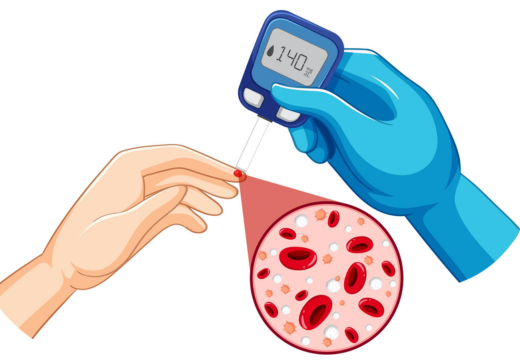
Insulin is a hormone produced by the pancreas that helps regulate glucose levels in the blood. It allows glucose to enter cells, where it is used as energy. In today’s lifestyle, frequent eating, excessive intake of sugary foods, lack of physical activity, and stress lead to repeated insulin release. Over time, this constant demand causes the body to lose its sensitivity to insulin. When insulin levels remain high for long durations, metabolic imbalance occurs. This imbalance increases the risk of several chronic diseases and may accelerate the aging process. Maintaining proper insulin balance is therefore essential for both long life and healthy aging. Ayurveda considers aging to be influenced by digestive strength (Agni), tissue nourishment, and toxin accumulation (Ama). When digestion becomes weak and metabolism is disturbed, premature aging may occur.

ROLE OF INSULIN IN THE BODY

Insulin performs several important functions in the body. It helps regulate blood glucose levels and ensures that cells receive adequate energy. It also supports fat storage and influences growth and repair processes in tissues. Under normal conditions, insulin rises after meals and returns to baseline levels once glucose is used by the body. However, frequent intake of refined foods and irregular eating patterns can cause repeated insulin spikes. Over time, this leads to metabolic strain and reduced cellular efficiency. Although insulin is necessary for survival, excessive insulin activity can lead to harmful effects when maintained over long periods.

HOW HIGH INSULIN LEVELS CONTRIBUTE TO AGING

  • Development of Insulin Resistance: When cells are repeatedly exposed to high insulin levels, they gradually become less responsive. This condition is known as insulin resistance. As a result, the body produces even more insulin to maintain normal blood sugar levels. Insulin resistance increases oxidative stress and inflammation in the body. These processes damage tissues and contribute to faster aging at the cellular level.
  • Increased Inflammation and Cellular Damage: Persistently elevated insulin levels are associated with chronic low-grade inflammation. Inflammation weakens tissues and disrupts normal cell function. Over time, this contributes to degenerative changes and reduced organ efficiency. Inflammation is also closely linked with several age-related disorders, including metabolic syndrome, cardiovascular disease, and cognitive decline.
  • Higher Risk of Lifestyle Disorders: High insulin levels are commonly associated with:
    • Obesity
    • Type 2 diabetes
    • High blood pressure
    • Heart disease
    • Fatty liver disease
    • Cognitive decline

    These disorders significantly affect quality of life and shorten lifespan, making insulin imbalance a key factor in premature aging.

  • Acceleration of Cellular Wear: Insulin stimulates growth signals within cells. While growth is beneficial during early life, excessive stimulation in adulthood can increase metabolic load and cellular wear. Over time, this repeated stress may lead to earlier functional decline.Research in different organisms has shown that reduced insulin activity is often linked with longer lifespan and improved resistance to stress.

WHY LOWER INSULIN LEVELS SUPPORT HEALTHY AGING

Individuals with balanced insulin levels often demonstrate better metabolic health. Their cells respond efficiently to insulin, allowing glucose to be used properly without requiring excessive hormone production.

Stable insulin levels help:

  • Reduce inflammation
  • Protect tissues from damage
  • Improve energy utilization
  • Support healthy body weight
  • Maintain hormonal balance

These factors collectively contribute to slower biological aging.

DIETARY INFLUENCE ON INSULIN LEVELS

Certain foods cause rapid increases in blood sugar and insulin. These include:

  • Refined sugar products
  • White bread and bakery items
  • Sweet beverages
  • Packaged snacks
  • Highly processed foods

Regular consumption of such foods forces the pancreas to release insulin repeatedly, increasing metabolic stress.

Some foods help maintain stable blood sugar and insulin levels. These include:

  • Whole grains
  • Fresh vegetables
  • Nuts and seeds
  • Healthy fats
  • Protein-rich foods

These foods digest slowly and prevent sudden glucose spikes, supporting metabolic stability.

AYURVEDIC UNDERSTANDING OF INSULIN AND AGING

In Ayurveda, aging is closely linked with the strength of digestion and nourishment of tissues. Weak digestion (Mandagni) leads to incomplete metabolism and formation of toxins (Ama). These toxins accumulate in tissues and disturb metabolic pathways.

Insulin imbalance can be correlated with:

  • Mandagni (weak digestive fire)
  • Ama accumulation (Accumulation of Endoxins)
  • Disturbance in Medo Dhatu (fat metabolism)
  • Early degeneration of tissues

Such imbalances may lead to conditions similar to metabolic disorders described in modern medicine. Ayurveda emphasizes prevention through dietary discipline, detoxification, and strengthening digestive power.

AYURVEDIC APPROACHES TO MAINTAIN HEALTHY INSULIN LEVELS

  • Strengthening Digestive Fire: Healthy digestion plays a central role in metabolic balance. Simple habits such as consuming warm food, avoiding overeating, and maintaining regular meal timings support proper digestion. Digestive spices such as ginger and cumin are traditionally used to enhance digestive strength.
  • Controlled Eating and Fasting: Ayurveda supports the concept of light eating or periodic fasting when digestion is weak. This practice reduces toxin formation and improves metabolic function. Allowing adequate gaps between meals helps insulin levels return to normal and improves sensitivity.
  • Use of Metabolic Supporting Herbs: Certain herbs traditionally used in Ayurveda support metabolic health and healthy aging. These herbs assist digestion, reduce inflammation, and promote tissue nourishment. Examples include herbs that support sugar metabolism, detoxification, and antioxidant activity.
  • Regular Physical Activity: Movement is essential for maintaining insulin sensitivity. Activities such as walking, yoga, stretching, and breathing exercises improve circulation and metabolic efficiency. Regular exercise also reduces fat accumulation and supports overall vitality.

HOME REMEDIES TO SUPPORT HEALTHY INSULIN LEVELS AND SLOW AGING

Simple home-based practices can play an important role in maintaining stable insulin levels and supporting healthy aging. These remedies help improve digestion, reduce metabolic stress, and enhance overall vitality.

Fenugreek (Methi) Water

Fenugreek seeds are known to support healthy glucose metabolism and improve insulin sensitivity.

How to use:

  • Soak 1 teaspoon of fenugreek seeds in a glass of water overnight.
  • Drink the water in the morning on an empty stomach.
  • Chew the soaked seeds if comfortable.

Benefits:

  • Helps regulate blood sugar levels
  • Supports digestion
  • Reduces insulin resistance

Cinnamon (Dalchini) Infusion

Cinnamon supports glucose utilization and helps maintain steady blood sugar levels.

How to use:

  • Boil ½ teaspoon cinnamon powder or a small cinnamon stick in one cup of water.
  • Drink once daily, preferably in the morning.

Benefits:

  • Supports insulin sensitivity
  • Reduces sudden glucose spikes
  • Promotes metabolic balance

Amla (Indian Gooseberry) Juice

Amla is rich in antioxidants and supports metabolic health and longevity.

How to use: Take 10–20 ml fresh amla juice diluted with water in the morning.

Benefits:

  • Protects cells from oxidative stress
  • Supports digestion
  • Helps maintain healthy glucose levels

Bitter Gourd (Karela) Juice

Bitter gourd is traditionally used to support sugar metabolism.

How to use: Take 20–30 ml fresh karela juice on an empty stomach, 3–4 times per week.

Benefits:

  • Supports glucose utilization
  • Improves metabolic activity
  • Helps maintain healthy insulin function

Ginger and Cumin Digestive Drink

This combination improves digestive fire (Agni) and supports metabolic balance.

How to use:

  • Boil ½ teaspoon cumin seeds and a small piece of fresh ginger in water.
  • Drink warm after meals.

Benefits:

  • Improves digestion
  • Reduces Ama formation
  • Supports metabolic efficiency

Warm Water Drinking Habit

Drinking warm water throughout the day supports digestion and metabolism.

How to use: Sip warm water at regular intervals during the day.

Benefits: 

  • Supports detoxification
  • Improves digestion
  • Helps maintain metabolic balance

HERBS SUPPORTING HEALTHY INSULIN LEVELS AND ANTI-AGING

Ayurveda describes several herbs that help regulate metabolism, support healthy glucose utilization, and reduce the harmful effects of metabolic imbalance. These herbs not only support insulin sensitivity but also help slow degenerative changes associated with aging.

  • Gudmar (Gymnema sylvestre): Gudmar is widely recognized in Ayurveda for its role in maintaining healthy blood sugar levels. It supports proper glucose metabolism and improves insulin sensitivity. Gudmar also helps reduce sugar cravings, which indirectly lowers excessive carbohydrate intake and prevents repeated insulin spikes. Its antioxidant properties help protect tissues from oxidative damage associated with aging.
  • Karela (Momordica charantia): Karela is traditionally used to support balanced blood sugar levels. It contains natural compounds that assist glucose uptake by cells and help maintain stable metabolic activity. By improving sugar metabolism, Karela reduces metabolic strain and supports long-term tissue health.
  • Vijaysar (Pterocarpus marsupium): Vijaysar is known for its ability to support pancreatic function and maintain healthy glucose levels. It is considered beneficial for improving insulin response and reducing excess sugar accumulation in the body. Regular use of Vijaysar is believed to support metabolic balance and protect against tissue degeneration.
  • Haridra (Curcuma longa): Haridra, commonly known as turmeric, possesses strong anti-inflammatory and antioxidant properties. Chronic inflammation plays a major role in insulin resistance and accelerated aging. Haridra helps reduce inflammation, supports liver function, and promotes detoxification, thereby contributing to improved metabolic health.
  • Amla (Emblica officinalis): Amla is a powerful rejuvenating herb (Rasayana) described in Ayurveda. It is rich in antioxidants that protect cells from oxidative stress and support immune function. Amla helps improve digestion and enhances tissue nourishment, thereby slowing age-related decline and supporting longevity.
  • Fenugreek (Trigonella foenum-graecum): Fenugreek seeds help slow carbohydrate absorption and support stable glucose levels. Their fiber content assists digestion and improves metabolic efficiency. Regular consumption of Fenugreek may help reduce insulin resistance and support long-term metabolic health.

LIFESTYLE PRACTICES THAT SUPPORT HEALTHY INSULIN AND SLOW AGING

  • Maintaining Regular Meal Timings: Eating meals at consistent times supports digestive rhythm and prevents unnecessary insulin fluctuations. Irregular eating patterns disturb metabolic balance and increase metabolic stress.
  • Adequate Sleep: Proper sleep supports hormonal balance and improves insulin sensitivity. Sleep deprivation increases stress hormones, which may lead to elevated blood sugar and insulin imbalance.
  • Stress Management: Chronic stress leads to repeated release of stress hormones, which indirectly affects insulin activity. Practices such as meditation, breathing exercises, and relaxation techniques help maintain hormonal balance and support longevity.
  • Maintaining Healthy Body Weight: Excess body fat, particularly around the abdomen, is strongly associated with insulin resistance. Maintaining a healthy weight supports metabolic efficiency and reduces the risk of lifestyle-related disorders.

PREVENTIVE STRATEGIES FOR LONG-TERM HEALTH

Maintaining balanced insulin levels requires a consistent and disciplined approach. Some practical preventive measures include:

  • Avoiding frequent snacking without hunger
  • Choosing natural, minimally processed foods
  • Including fiber-rich foods in daily meals
  • Staying physically active throughout the day
  • Practicing mindful eating
  • Drinking adequate water
  • Avoiding overeating, especially late at night

These strategies help reduce metabolic overload and support long-term tissue health.

CONCLUSION

Insulin plays a central role in regulating metabolism, energy production, and tissue repair. However, persistently high insulin levels and reduced insulin sensitivity are strongly associated with inflammation, metabolic disorders, and accelerated aging. Modern research highlights that maintaining balanced insulin levels supports longevity and protects against chronic diseases. Ayurveda offers valuable insights into this relationship through its concepts of Agni (Digestive Fire), Ama (Endotoxins), and Dhatu nourishment (Tissue Nourishment). By strengthening digestion, adopting disciplined eating habits, using appropriate herbs, and maintaining an active lifestyle, it is possible to support healthy insulin function and slow the aging process. A balanced metabolic system not only promotes longer life but also enhances quality of life and overall vitality.

Herbal Remedies for Colon Polyp

ABSTRACT

A colon polyp is a small clump of cells that forms on the lining of the colon (large intestines) or rectum. This polyp is an abnormal growth of the tissue which is projecting from mucous membrane. It is attached to the surface by a narrow stalk which is pedunculated. Polyps are usually found in the colon, stomach, urinary bladder and uterus. Some of the polyps are neoplasms and others are non neoplastic. Most of the polyps are small and less than half an inch wide are small, flat bumps with mushroom like stalks. Usually large intestines include the colon, rectum and anus. It is a long tube that continues from small intestines through the digestive system. It is known as a large bowel where food waste is formed into poop, stored and finally excreted. It is six inches long, known as cecum. There are 3 segments- The ascending colon (travelling up), The transverse colon (travelling to left), The descending colon (travelling down) and the sigmoid colon (headed back across to right). It is located in the lower abdominal cavity from waist down. It surrounds the small intestines in square question mark with the tail ending at the anal canal. There are separate layers of circular muscles and longitudinal muscles which allow the intestines to provide blood supply, nerve endings and allow glands to absorb. Many functional disorders affect the large intestines and it includes- Diverticulitis, proctitis, rectal ulcers, haemorrhoids, colorectal cancer and polyp. In this article We are going to discuss in detail about its causes, symptoms and its ayurvedic management.

INTRODUCTION

A colon polyp is a growth on the inner lining of the colon and has a variety of shapes and is flat, slightly raised (sessile) and on a stalk (pedunculated). They can be benign (hyperplastic polyp) and malignant (adenocarcinoma), it usually includes blood in the stools, pain, diarrhoea and nausea/vomiting. Anyone at any age can develop polyp, at age of 50 or older than this is at higher risk of developing polyp. It can grow on any part of the colon, mostly growing on the left side of the colon and in rectum. Not all polyps turn out to be cancerous; it takes a long time to become cancerous. Hereditary syndromes causing increased colorectal polyp which includes- Familial adenomatous polyposis which usually involves APC gene located on the chromosomes q521. Hereditary nonpolyposis colorectal cancer is also a hereditary colorectal cancer which is linked to the increased risk of cancer which is associated with dysfunction of the DNA repair mechanism. Peutz Jeghers syndrome- Is an autosomal dominant syndrome where there is disorganised growth of tissues of intestinal tract and there is hyperpigmentation of the interlining of mouth, lips and fingers. Juvenile Polyposis syndrome- Is autosomal dominant syndrome where there is increased risk of cancer of intestinal tract and obstruction of tract with low serum and low albumin.

colon polyp

FACTS

  • Mainly the colon is 5 feet long.
  • Colon transit time is about 12-48 hours
  • The frequency of bowel movement varies
  • Over 100 trillion microbes live in your colon
  • The colon is never empty
  • The rectum is usually empty
  • The colon absorbs 1 quart of water a day
  • Meals can trigger the bowel movements
  • Healthy stools are not always brown
  • A person can live without a colon

TYPES

Polyp grows usually in two different shapes

  1. Flat (sessile) are more common and is harder to detect in colon cancer and lie flat against the surface of the lining of colon also known as mucous membrane
  2. Stalks (pedunculated) are mushroom-like growth which attach to the surface of the colon’s mucus membrane by a long, thin stalk.

There are a large majority of polyp which are not cancerous, removal of this polyp during colonoscopy reduces the risk of developing colon cancer.

The most common type of cancer are

  1. Adenomatous (tubular adenoma)- It is the most common type of polyp, 70% of the polyps are adenomatous.
  2. Hyperplastic- It is a serrated polyp, small and low risk for turning into cancerous. They are the most common type of polyp.
  3. Serrated- Depending upon the size and location this may become cancerous. Small serrated polyp in the lower colon is a hyperplastic polyp. Large serrated polyps are typically flat (sessile) difficult to detect located in the upper colon.
  4. Inflammatory- This is common in people who are suffering from IBD (inflammatory bowel disease), known as pseudopolyp as they develop from chronic inflammation in the colon.
  5. Villous Adenoma- This polyp has a high risk of turning into cancer, commonly sessile which makes it difficult to remove.  

CAUSES

Polyp is found in 30% of the adult population of 45-50 years of age. A polyp can result in genetic changes in the cells of colon which affects the normal cell, various factors which affects this are following

  • Smoking
  • Excessive alcohol intake
  • Overweight
  • Crohn’s disease
  • Ulcerative colitis
  • Type 2 diabetes

Some genetic conditions which raises the chance for polyp and crohn’s disease are

  • Familial adenomatous polyposis (FAP)
  • Gardner’s syndrome- It is a type of FAP that causes polyp which grows in the colon and small intestines.
  • Lynch Syndrome- Known as hereditary nonpolyposis colorectal cancer
  • MYH- associated polyposis (MAP)

SYMPTOMS

  • Rectal Bleeding- It is sign of colon polyp such as minor tear of the anus causes bleeding
  • Change in colour of stool- red streaks in stools may cause stool appear black
  • Change in bowel habits- Constipation that lasts longer indicate the presence of polyp
  • Pain- it leads to crampy abdominal pain
  • Iron deficiency anemia- Chronic bleeding results in the deficiency of iron and makes you feel tired and shortness of breath.
  • Abdominal pain
  • Nausea
  • Vomiting
  • Fatigue and shortness of breath

DIAGNOSIS

  • Colonoscopy
  • CT colonography
  • Sigmoidoscopy
  • Stool based tests
  • Barium enema  

RISK FACTORS

  • Age
  • Inflammatory intestinal conditions such as Ulcerative colitis, Crohn’s disease of the colon.
  • Excessive use of alcohol
  • Obesity
  • Black americans has higher chances of this colon cancer

TREATMENT

  • Polypectomy
  • Minimally invasive surgery
  • Total proctocolectomy

PREVENTIONS

  • Include healthy habits such as eating plenty of fruits, vegetables and reducing the fat intake.
  • Increase consumption of Calcium supplements as it prevents the recurrence of colon adenomas such as Broccoli, milk, cheese, fish.
  • Lose extra weight to maintain a normal body mass index
  • Exercise daily
  • Quit smoking

AYURVEDIC MANAGEMENT

In ayurveda it is related with Arshas where the mamsa ankuras (fleshy masses) occur usually at the opening of guda marga (anus) hence obstructs the pathway and troubles like enemies. The vitiated doshas further contaminates the twak (skin), mamsa (muscle) and meda (fat) and causes the fleshy ankuras at the opening these are known as Arshas.

TYPES OF ARSHAS

1. Vataja Arshas is vitiated due to vata doshas which is caused by

  • Excessive consumption of pungent food
  • Excessive consumption of dry foods
  • Taking food in deficit quantities
  • Excessive indulgence in physical exercise

2. Pittaja Arshas– is vitiated due to pitta doshas which is caused by-

  • Excessive consumption of hot foods
  • Anger
  • Excessive consumption of alcohol
  • Living in hot areas and places
  • Excessive exercise

3. Kaphja Arshas– is vitiated due to kapha doshas and is caused by

  • Excessive consumption of sweet foods
  • Lack of exercise
  • Excessive consumption of heavy food
  • Lack of worries

4. Tridoshaja Arshas– It aggravates the doshas

5. Raktaja Arshas– It is caused by the vitiation of rakta doshas

6. Sahaja Arshas– It is hereditary, acquired from parents

TREATMENT

Arshas is treated with 4 fold approach

  1. Shastra Karma- surgical method
  2. Kshara Karma- cauterization with alkalis
  3. Agni Karma- Fire cauterization
  4. Aushadha- Medicines

HERBS USEFUL FOR RECTAL POLYP

1. Manjistha

Manjistha (Rubia cordifolia) is a famous herb which is used for blood detoxification and in various skin disorders. Manjistha helps to balance kapha and pitta dosha, mitigates pitta doshas so helpful in skin diseases such as in eczema, dermatitis. It helps to improve the complexion of skin, in gynaecological disorders, urinary tract disorders. Manjistha helps to raise the level of dopamine and boosts up the immunity and increases the white blood cells of immunity.

2. TEJPATRA

Tejpatra (Cinnamomum tamala) is ayurvedic herb used in the treatment of black spots on the face, in dental caries and in complications of tuberculosis. It helps to reduce the vitiated kapha dosha and vata doshas, hence increases pitta doshas. Helps to cleanse the oral cavity and facial skin. Tejpatra is indicated in treatment of haemorrhoids, anorexia and in toxic conditions.

3. AMALAKI

Amalaki (Emblica officinalis) usually pacifies the tridoshas and is a rich source of Vitamin C. It acts as a best anti ageing herb which improves the overall health and vision. Amalaki is effective in various bleeding disorders and acts as an aphrodisiac which reduces the burning sensation. This herb is used to improve the voice, sore throat and in various disorders related to throat. Protect from viral, fungal and in various bacterial infections.

4. BIBHITAKI

Bibhitaki (Terminalia bellirica) is used in the treatment of fever , cough and in virechana therapy. This helps to balance kapha and pitta dosha. Baheda acts as a mild laxative which is good for our eyes and promotes the growth of hair, relieves worm infestation. It helps to detoxify blood, lymph and fatty tissue in the body. It possesses various properties such as Antioxidant, antimicrobial and has anti cancer properties.

HERBAL REMEDIES FOR RECTAL POLYP BY PLANET AYURVEDA

Planet Ayurveda provides the best combination of herbal remedies which provides great relief to the patients and the various formulations are made of 100% pure extracts without any adulteration. These medications are made under strict guidance of M.D experts and they check the quality of each and every formulation as there is no compromise with the health of patients. For rectal polyp planets ayurveda provides various remedies for better treatment without any side effects.   

PRODUCTS LIST

  1. TRIPHALA GUGGUL
  2. VARA CHURNA
  3. MANJISHTHA CAPSULES
  4. GANDHAK RASAYAN
  5. JATYADI OIL
  6. NIRGUNDI OIL

Herbal Remedies for RECTAL POLYPS

Herbal Supplements for Rectal Polyps

PRODUCTS DESCRIPTION

1. Triphala Guggul

Triphala Guggul is herbal tablets which is formulated by planet ayurveda using various ingredients such as Guggul (Commiphora mukul), Amalaki (Emblica officnalis), Bibhitaki (Terminalia billerica), Haritaki (Terminalia chebula). This tablet is used to control cholesteroland in various gastrointestinal tract which provides relief to inflammatory conditions and in piles. Helps to treat constipation, hyperglycemia, myopia and in heart related disorders.

Dosage– 1-2 tablets twice daily with lukewarm water.

2. Vara Churna

Vara Churna is polyherbal powder formulation prepared by planet ayurveda using ingredients such as Haritaki (Terminalia chebula), Bhibhitaki (Terminalia billerica), Amalaki (Emblica officinalis). This churna helps to remove the accumulated toxins and makes it free from constipation. Vara churna improves the functions of the liver by removing the toxins which does not cause any purgation and promotes good intestinal health.

Dosage– 1 teaspoon twice daily

3. Manjishtha Capsules

Manjishtha Capsules are single herbal capsules formulated by planet Ayurveda using standardised extract of Manjistha (Rubia cordifolia). These capsules help in the treatment of Amenorrhea, in blood purification and circulation. It helps in various skin problems and in kidney and gallstones, in heart disease and in hepatitis. Manjishtha capsules are beneficial in urinary disorders and are the best remedy as blood purifiers which lower down the blood pressure.

Dosage– 1-2 capsules twice daily with plain water after meals.

4. Gandhak Rasayan

Gandhak Rasayan are herbal tablets formulated by planet Ayurveda using single ingredient Shuddha Gandhak (Sulphur). It is helpful in balancing the doshas and has the property of antiviral, anti-inflammatory which helps in healing in various conditions. This tablet helps to reduce the itching and burning sensation which reduces the itching and provides relief from eczema. Enhance the immunity of the body to fight against infection.

Dosage– 1-2 tablets twice daily with lukewarm water.

5. Jatyadi Tailam

Jatyadi Tailam is herbal oil formulation prepared by planet ayurveda using ingredients such as Chameli (Jasminum officinale), Mulethi (Glycyrrhiza glabra), Katuki (Picrorhiza kurroa), Padmaka (Prunus cerasoides) and many more. It has many metallic contents and has penetrating properties which helps to heal the deep seated wound, and is beneficial in chronic psoriatic conditions. Helps to restore the normal colour and reduces the sensation of area.

6. Nirgundi Oil

Nirgundi Oil is herbal oil formulation prepared by planet Ayurveda using ingredients such as Tila Oil (Sesamum indicum), Kalahari (Gloriosa superba), Nirgundi (Vitex negundo). It has an anti-inflammatory property which balances the vata and kapha dosha. It Acts as an analgesic so is useful in disorders of spleen, thyroid. Act as a diuretic so facilitates the micturition and works as a brain tonic.

Method of Application

Mix nirgundi oil and jatyadi tailam and apply over the affected part.

Contact my assistant to provide you the costing / ordering and delivery information at – costing.planetayurveda@gmail.com or call at +91-172-5214040

CONCLUSION

A colon polyp is a small clump of cells that forms on the lining of the colon (large intestines) or rectum. This polyp is an abnormal growth of the tissue which is projecting from mucous membrane. Polyp is found in 30% of the adult population over the age of 45-50 years of age. In ayurveda it is related with Arshas where the mamsa ankuras (fleshy masses) occur usually at the opening of guda marga (anus) hence obstructs the pathway and troubles like enemies.