How Smoking, Tobacco & Vaping Damage Your Teeth, Gums and Overall Oral Health
Abstract
Smoking, tobacco consumption, and vaping are major risk factors that negatively affect oral health. These habits contribute to tooth discoloration, persistent bad breath, gum disease, delayed healing, tooth loss, and an increased risk of oral cancer. Harmful chemicals present in tobacco products and e-cigarettes damage oral tissues, reduce saliva production, and weaken the body’s natural ability to fight infections. While vaping is often promoted as a less harmful alternative, growing evidence suggests it can also cause significant oral health problems. Raising awareness about these risks can encourage healthier lifestyles and improve long-term oral health outcomes. Let’s discuss in detail!
Statistics
- Nearly 70% of tobacco users are affected by gum disease, while smokers face up to a fourfold higher risk of severe periodontitis.
- Smokers are 10 times more likely to develop oral cancer than non-smokers.
- Smokeless tobacco use is associated with a 5-fold increased risk of oral cancer.
- Stopping tobacco use for 5 years can cut the risk of oral cancer by half.
- Individuals who vape have a 1.5 times higher likelihood of experiencing gum recession.
- People who smoke are 2 times more likely to have their dental implants fail than people who do not smoke.
- Smokers and vapers may require twice the healing time after oral surgery, tooth extractions, or dental implant procedures because nicotine constricts blood vessels.
Some Interesting Facts about Smoking, Tobacco and Vaping
- Smoking is the leading preventable cause of oral cancer, with most oral cancer cases linked to tobacco use.
- A single cigarette can temporarily reduce blood flow to the gums, limiting oxygen and nutrients needed for healthy tissues.
- Nicotine masks the warning signs of gum disease by reducing bleeding, meaning smokers may have advanced gum disease without noticing common symptoms.
- Smokers are up to six times more likely to develop periodontal disease.
- More than half of adult tooth loss is associated with untreated gum disease, and smoking is one of its strongest risk factors.
- Smokers produce less saliva, increasing the risk of bad breath, tooth decay, and oral infections.
- Vaping is not harmless to the mouth. Aerosols from e-cigarettes may irritate oral tissues, increase inflammation, alter the oral microbiome, and contribute to dry mouth.
- Smoking can dull your sense of taste and smell, making food less enjoyable.
- Chewing tobacco is not a safe alternative to smoking. It exposes oral tissues to high levels of carcinogens that can cause white patches (leukoplakia), gum recession, and oral cancer.
Introduction
Oral health is a vital component of overall well-being, yet the harmful effects of smoking, tobacco use, and vaping on the mouth are often underestimated. While many people are aware that tobacco products increase the risk of lung disease and heart problems, fewer recognize the significant damage these habits can cause to the teeth, gums, and oral tissues. From persistent bad breath and tooth discoloration to severe gum disease, delayed wound healing, tooth loss, and oral cancer, the impact can be both immediate and long-lasting. Smoking exposes the mouth to thousands of toxic chemicals that reduce blood flow, weaken the immune response, and interfere with the body’s ability to fight infection and repair damaged tissues. Smokeless tobacco products pose their own risks by exposing the oral cavity to carcinogens that increase the likelihood of oral cancer and gum recession. Although vaping is often promoted as a safer alternative to smoking, growing evidence suggests that e-cigarettes can also negatively affect oral health. Nicotine and other chemicals found in vaping products may contribute to dry mouth, inflammation, gum recession, and slower healing after dental procedures.
Smoking
Smoking involves burning and inhaling tobacco through products such as cigarettes, cigars, bidis, pipes, and hookahs. When tobacco burns, it releases more than 7000 chemicals, including nicotine, tar, carbon monoxide, formaldehyde, and numerous carcinogens. Nicotine is the addictive substance that keeps people dependent on smoking, while the other chemicals damage tissues throughout the body, including the mouth. Smoking has a profound impact on oral health. It reduces blood flow to the gums by constricting blood vessels, limiting the oxygen and nutrients needed for healthy tissues. This weakens the immune system, making it harder to fight infections and heal after dental procedures.
Tobacco and tobacco products
Tobacco is a plant whose leaves contain nicotine, a naturally occurring stimulant responsible for addiction. Tobacco is consumed in both smoked and smokeless forms, and no form of tobacco is considered safe.Smoked Tobacco Products include:
- Cigarettes
- Cigars
- Pipes
- Bidis
- Hookahs (water pipes)
These products expose users to harmful chemicals produced during combustion, increasing the risk of oral and systemic diseases. Smokeless Tobacco Products include:
- Chewing tobacco
- Snuff
- Snus
- Gutkha
- Pan masala with tobacco
- Khaini
- Zarda
- Dissolvable tobacco products
Smokeless tobacco is often mistakenly perceived as a safer alternative to smoking. However, it contains high concentrations of nicotine and carcinogenic chemicals known as tobacco-specific nitrosamines (TSNAs). Regular use increases the risk of addiction due to the high nicotine content.
Vaping
Vaping refers to the use of electronic cigarettes (e-cigarettes) or other electronic nicotine delivery systems (ENDS). These battery-powered devices heat a liquid—commonly called e-liquid or vape juice—to create an aerosol that users inhale. The liquid may contain nicotine, flavoring agents, propylene glycol, vegetable glycerin, and various other chemicals. Although vaping does not involve burning tobacco, it is not free of health risks. Many e-liquids contain nicotine, which can reduce blood flow to the gums and interfere with normal healing. The aerosol produced by vaping may irritate oral tissues, increase inflammation, and alter the balance of beneficial bacteria in the mouth.
Effects of Smoking, Tobacco and Vaping on Oral Health: What Happens Inside Your Mouth?
Smoking, tobacco and vaping can have serious consequences for oral health, affecting the teeth, gums, and soft tissues of the mouth. Both habits are linked to problems such as dry mouth, gum irritation, inflammation, tooth staining, and increased risk of dental disease. Nicotine found in cigarettes and many vaping products reduces saliva production, which is essential for maintaining a healthy oral environment. The chemicals present in tobacco smoke and vape aerosols can also irritate and damage the delicate tissues inside the mouth. The effects on the oral health include:
Tooth Staining and Discoloration
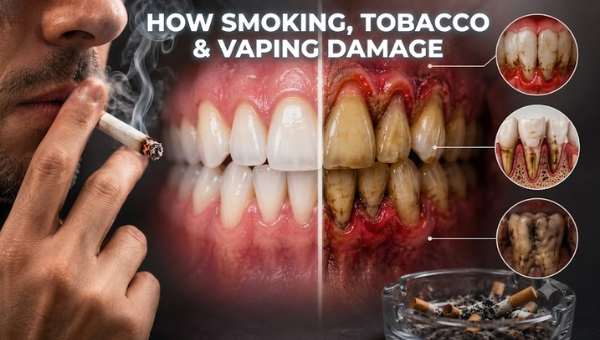
Smoking can significantly change the appearance of teeth. Tobacco smoke contains tar and nicotine, which easily stick to tooth enamel and dental fillings. Over time, these substances can cause teeth to develop yellow, brown, or even dark stains that are difficult to remove with regular brushing. These stains can affect a person’s smile and may require professional dental cleaning or whitening treatments. Continued smoking can also make new stains appear quickly after treatment.
Risk of Gum Disease
Smoking is one of the strongest risk factors for periodontal (gum) disease, a serious infection that affects the gums and the bones supporting the teeth. Smokers are at a much higher risk of developing severe gum problems because tobacco weakens the body’s immune response and reduces the ability to fight harmful bacteria. As gum disease progresses, it can destroy gum tissue and jawbone, causing gums to pull away from teeth, loose teeth, and eventually tooth loss.
Dry Mouth and Increased Tooth Decay
Smoking can reduce saliva production, leading to a condition known as dry mouth (xerostomia). Saliva plays an important role in protecting teeth by washing away food particles, neutralizing acids, and controlling harmful bacteria. When saliva levels decrease, the risk of cavities, tooth decay, enamel erosion, and oral infections increases.
Bad Breath
Smoking often causes chronic bad breath, also known as halitosis. Tobacco chemicals remain in the mouth and lungs, while smoking-related dry mouth encourages the growth of odor-producing bacteria.
Reduced Taste and Smell
Tobacco use can affect the senses of taste and smell. Chemicals in tobacco damage the cells responsible for detecting flavors and odors, making food and drinks seem less enjoyable.
Delayed Healing
Nicotine restricts blood flow, reducing the supply of oxygen and nutrients needed for tissue repair. As a result, smokers may recover more slowly after procedures such as tooth extractions, gum surgery, and dental implant placement. They also have a higher risk of complications, including dry socket, a painful condition that can occur after tooth removal.
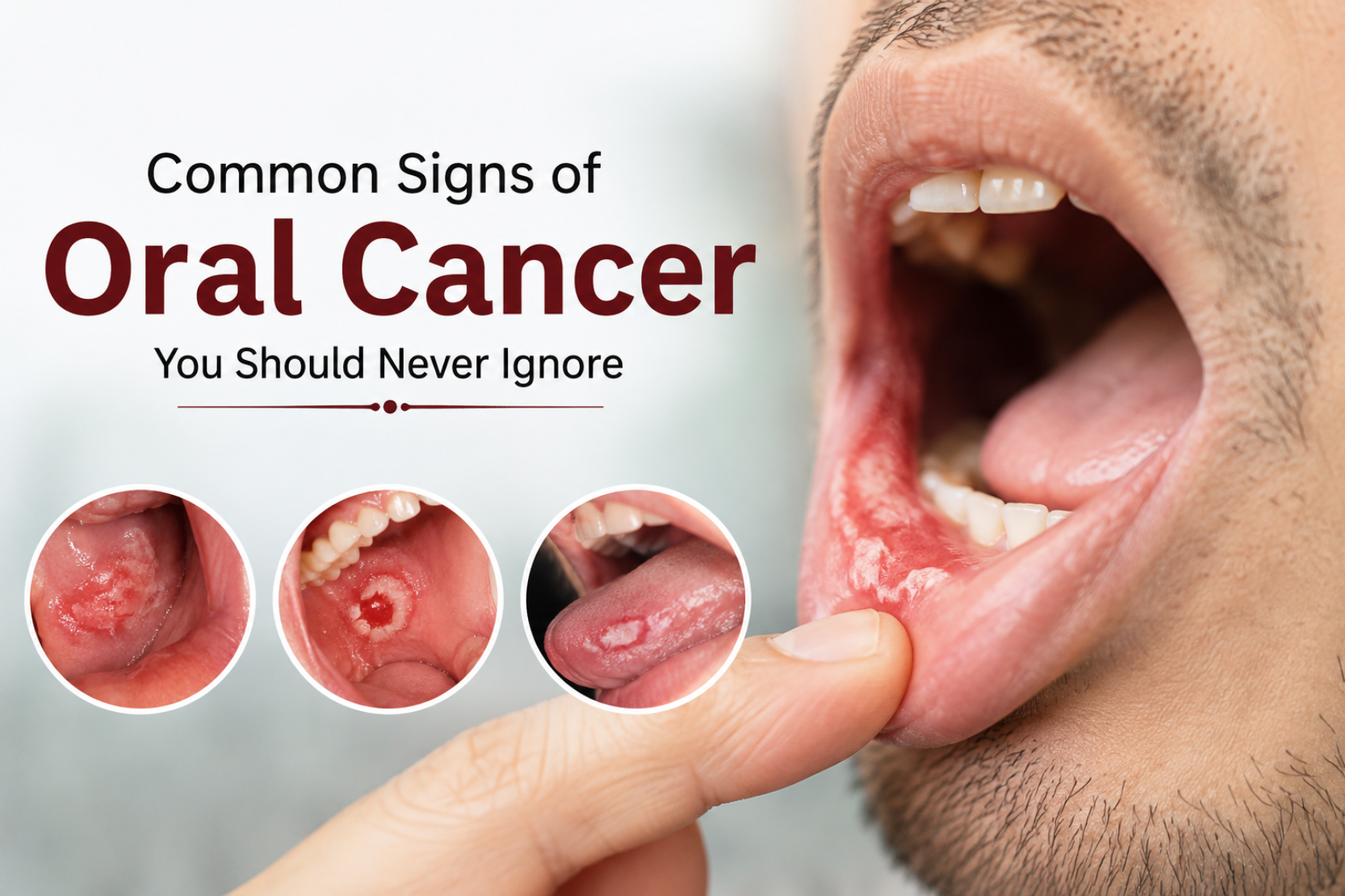
Precancerous Changes in the Mouth
Some users develop white or red patches, known as leukoplakia or erythroplakia, which may be signs of precancerous changes. Although not all patches become cancerous, they require evaluation by a dental professional because they may indicate an increased risk of oral cancer.
Increased Plaque Formation
Vaping may alter the natural balance of bacteria in the mouth. Changes in the oral microbiome can encourage the growth of harmful bacteria responsible for plaque buildup and gum infections. Increased plaque accumulation can contribute to tooth decay, gum inflammation, and periodontal problems if proper oral hygiene is not maintained.
Oral Irritation and Sensitivity
Some people who vape experience irritation of the mouth, throat, and gums. Chemicals and flavoring agents in vape aerosols may cause dryness, burning sensations, or sensitivity in oral tissues. Continuous exposure may lead to discomfort and inflammation.
How to Maintain and Protect the Oral Health from the Effects of Smoking, Tobacco and Vaping
Choosing to quit smoking, tobacco and vaping is one of the most important steps to protect and improve oral health. Once nicotine use stops, the mouth begins a natural recovery process. Blood circulation to the gums gradually improves, allowing gum tissues to receive more oxygen and nutrients needed for repair. As a result, the gums become better able to fight infections, recover from inflammation and heal from problems associated with gum disease. Quitting can also improve the appearance and comfort of your smile. Tooth staining caused by tobacco products may become less noticeable with professional dental cleaning, while improved saliva flow can help reduce dry mouth, improve taste perception and create a healthier environment for teeth and gums. After quitting, it is important to schedule a dental appointment. The ways in which oral health can be maintained include:
Maintain a Consistent Oral Hygiene Routine
Good daily oral care is essential for reducing the harmful effects of tobacco and nicotine exposure. Brush your teeth at least twice a day with a fluoridated toothpaste to remove plaque, strengthen the teeth and lower the risk of caries. Cleaning between your teeth with dental floss or interdental brushes helps remove bacteria and food particles from areas that a toothbrush cannot reach, reducing the risk of gum disease and tooth decay.
Stay Hydrated
Drinking enough water throughout the day helps maintain saliva production and keeps the mouth moist. This is especially important for people who smoke or vape, as nicotine can reduce saliva flow and contribute to dry mouth. Adequate hydration helps wash away harmful bacteria, reduce bad breath, and protect teeth from acid attacks that can lead to enamel erosion and cavities.
Healthy Diet
A balanced diet provides the nutrients needed to maintain healthy teeth and gum tissues. Include foods rich in calcium, vitamins, and minerals to support oral health. Try to reduce frequent consumption of sugary snacks, sweets, and acidic beverages, as these can encourage bacterial growth and increase the risk of tooth decay.
Regular Dental Check-ups
Regular visits to a dentist or dental hygienist are important for detecting and treating oral problems at an early stage. Professional cleanings help remove plaque and tartar buildup that cannot be eliminated through brushing alone.Inform your dental care provider about smoking, vaping, or other nicotine use so they can assess your risks, provide personalized advice, and recommend appropriate preventive care.
Self-Checks
Be aware of changes inside your mouth and check regularly for unusual signs such as persistent ulcers, white or red patches, unexplained lumps, swelling, bleeding, or sores that do not heal within three weeks.
Consider Reducing or Quitting Tobacco and Nicotine Use
The most effective way to protect your teeth, gums and overall oral health is to stop using tobacco and nicotine products. Quitting can improve blood circulation, support gum healing, reduce the risk of oral disease and improve the long-term success of dental treatments.
Conclusion
Smoking, tobacco use and vaping can have a lasting impact on oral health by damaging teeth, weakening gums and increasing the risk of serious dental problems. These habits expose the mouth to nicotine and harmful chemicals that contribute to staining, gum disease, dry mouth, delayed healing and other complications. While vaping may be perceived as a safer option, it can still affect gum health and the natural oral balance. The best way to protect the smile is to avoid or avoid all forms of tobacco and nicotine use. Maintaining good oral hygiene, attending regular dental check-ups and seeking early treatment can help prevent damage and support long-term oral health.