November 17, 2026
Herbal Remedies of Malar Bags – Causes, Symptoms, Diagnosis & Treatment
Abstract
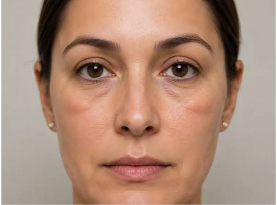
Malar bags are localized swellings that develop over the upper cheekbone, usually due to a combination of fluid accumulation, soft-tissue laxity, and age-related structural changes in the mid-face. Often confused with conventional under-eye bags, they have distinct anatomical characteristics and underlying mechanisms that influence their clinical management. Factors such as impaired lymphatic drainage, ligament laxity, changes in facial fat compartments, aging, and genetic predisposition may contribute to their development. This article provides an overview of the causes, clinical features, diagnostic approaches, and available management options for malar bags. It also discusses supportive skincare measures and complementary Ayurvedic perspectives for maintaining periorbital tissue health.
Introduction
The periorbital region is one of the most delicate areas of the face and undergoes noticeable changes with aging. Changes in skin elasticity, muscle tone, connective tissue support, and fat distribution can alter the natural contours of the lower eyelids and upper cheeks. Among these changes, malar bags are a distinct concern characterized by persistent puffiness or swelling over the cheekbone, particularly below the lower eyelid. Unlike conventional lower eyelid bags, which primarily involve protrusion of orbital fat, malar bags affect the tissues of the upper cheek and may involve fluid retention and structural alterations. Their appearance can vary from mild puffiness to prominent, well-defined swellings. Although they are generally considered a cosmetic concern, identifying their underlying causes is important for selecting appropriate management strategies. A clear understanding of their anatomy, contributing factors, and clinical presentation helps distinguish malar bags from other periorbital conditions and supports a more targeted approach to treatment.
Causes of Malar Bags
Malar bags occur when specific anatomical changes and fluid dynamics disrupt the normal contour and lymphatic drainage of the mid-face.
Common Causes and Physiological Triggers Include:
- Lymphatic Stasis: Stagnation and impaired drainage of lymphatic fluid within the cheek tissues, leading to localized edema and swelling.
- Tissue Laxity and Aging: Progressive decline in dermal collagen, elastin, and structural support, causing facial ligaments to weaken and allowing fat compartments to bulge.
- Anatomical Predisposition: Inherited variations in facial bone structure, malar fat pad positioning, and ligament attachment points that create natural pockets for fluid accumulation.
- Lifestyle and Environmental Factors: High dietary sodium intake, chronic allergies, lack of sleep, and systemic inflammation that exacerbate fluid retention in delicate facial tissues.
- Microcirculation Sluggishness: Reduced microvascular efficiency leading to fluid pooling and persistent lower-cheek swelling over time.
Risk Factors and Clinical Indicators Include:
- A family history of prominent malar mounds, festoons, or chronic mid-face puffiness.
- Persistent periorbital or cheek swelling that worsens upon waking or after high-sodium meals.
- Age-related mid-face volume loss accompanied by deepening tear troughs and cheek sagging.
- Personal history of chronic allergies, sinus congestion, or conditions impairing lymphatic circulation.
Signs and Symptoms of Malar Bags
The clinical presentation of malar bags encompasses visual, textural, and structural domains, varying significantly across individuals. Common symptoms include:
- Localized Cheek Swelling: Soft tissue swellings, fluid collections, or discrete mounds positioned lower on the upper cheekbone, distinctly separate from standard under-eye bags.
- Fluctuating Puffiness: Variations in the size and prominence of the swelling depending on time of day, salt intake, sleep quality, and allergy flare-ups.
- Textural Skin Changes: Crepiness, skin thinning, and surface laxity overlying the malar mound, sometimes resembling small folds or festoons.
- Absence of Direct Lash-Line Proximity: Swelling that sits well below the lower eyelid margin, differentiating it from traditional orbital fat herniations.
- Associated Periorbital Fatigue: A tired or heavy appearance in the mid-face region despite adequate rest.
Investigations for Malar Bags
A thorough clinical and anatomical evaluation is necessary to confirm the presence of malar bags and rule out other periorbital conditions.
1. Clinical Assessment
- Detailed evaluation of medical and allergy history to identify patterns of fluid retention, sinus congestion, or lymphatic sluggishness.
- Comprehensive physical and visual examination of the periorbital and malar regions to assess tissue laxity, precise anatomical location, and fluid compressibility.
2. Diagnostic Review
- Differential Palpation and Assessment: Determining whether the swelling is primarily fluid-based (compressible/shifting) or structural/fat-based.
- Specialist Dermatological or Oculoplastic Evaluation: Assessing skin thickness, ligament integrity, and underlying bone structure to guide appropriate management strategies.
Management of Malar Bags
Management of malar bags centers on improving lymphatic drainage, supporting skin firmness, and utilizing symptom-specific topical or clinical interventions.
Conventional Management Options Include:
- Lymphatic Drainage Techniques: Professional manual lymphatic drainage massage, specialized facial tools, and microcurrent therapies to encourage fluid mobilization away from the mid-face.
- Topical and Cosmetic Interventions: Targeted eye and cheek creams containing peptides, caffeine, and firming botanical extracts to support skin elasticity and reduce localized puffiness.
- Minimally Invasive Procedures: Dermatological treatments such as radiofrequency, laser tightening, or specialized fillers administered by professionals to address tissue laxity and restructure support boundaries.
- Supportive Lifestyle Measures:
- Reducing dietary sodium intake and maintaining optimal hydration to minimize fluid retention.
- Elevating the head during sleep to prevent nocturnal fluid pooling in the periorbital and malar regions.
- Managing chronic allergies and sinus issues to reduce localized inflammatory swelling.
- Applying cool compresses or cold therapy to temporarily constrict micro-vessels and decrease morning puffiness.
Ayurvedic View of Malar Bags and Management in Ayurveda
Localized fluid accumulation, puffiness, and soft-tissue swelling are understood through imbalances in Kapha dosha (governing fluid balance, structure, and stability) and sluggish Rasa Dhatu (plasma and lymphatic fluid circulation). When lymphatic channels (Srotas) become obstructed and microcirculation slows down, fluid pools in delicate facial areas such as the malar region. Integrative management focuses on balancing Kapha, promoting lymphatic detoxification, and nourishing skin tissues.
1. The Ayurvedic Etiology of Fluid Imbalance (Kapha and Rasa Dusti)
- Kapha Vitiation: An excess or imbalance of Kapha dosha increases heaviness, moisture retention, and sluggishness in fluid pathways, resulting in localized edema and tissue swelling.
- Lymphatic Stagnation (Rasa Vaha Srotas Dushti): Impairment in the circulation of plasma and lymph leads to toxic accumulation (Ama) and fluid pooling within the facial tissue compartments.
2. Core Principles of Ayurvedic Management
- Lymphatic Detoxification (Sodhana and Deepana): Utilizing internal herbal formulas and external practices to clear micro-channels, boost metabolic fire (Agni), and eliminate stagnant fluids.
- Balancing Kapha and Vata: Employing warming, circulating, and light botanical remedies to counteract heavy fluid accumulation without depleting overall tissue vitality.
- Targeted Skin Nourishment: Applying specialized herbal creams and medicated oils to support local microcirculation, tighten skin structure, and maintain elasticity.
Home Remedies and Herbal Formulations
1. Punarnava Fluid-Balancing Tea
Punarnava is a renowned herbal diuretic and swelling-reducing (Shothahara) plant in Ayurveda that supports healthy renal function and fluid metabolism.
- Ingredients: Punarnava powder (Boerhavia diffusa): 1/2 teaspoon; Water: 1.5 cups; Ginger powder (optional): a pinch.
- Method of Preparation: Combine Punarnava powder and water in a vessel, boil until the liquid reduces to about one cup, strain, and let it cool to a lukewarm temperature. Drink once daily in the morning to support natural fluid balance and discourage tissue puffiness.
2. Gentle Lymphatic Face Massage with Herbal Infusion
Regular facial massage stimulates microcirculation and aids lymphatic drainage around the cheekbones.
- Ingredients: Pure sesame oil or almond oil: 1 tablespoon; A pinch of turmeric or sandalwood powder.
- Method of Preparation: Mix the oil with the herbal powder slightly. Using clean fingertips, apply light, upward, and outward strokes starting from the nose toward the temples and ears, avoiding direct contact with the eyes. Perform for 5 minutes daily to encourage fluid clearance.
Herbal Remedies for Cellular and Systemic Health by Planet Ayurveda
Planet Ayurveda is a globally recognized herbal healthcare organization committed to promoting wellness through authentic Ayurvedic formulations. Prepared in GMP-certified facilities using high-grade, standardized herbal extracts, Planet Ayurveda’s products are free from synthetic chemicals, additives, preservatives, and heavy metals. By combining traditional Ayurvedic wisdom with modern quality standards, Planet Ayurveda offers specialized herbal supplements designed to support skin vitality, promote fluid balance, and maintain internal harmony.
Product Details
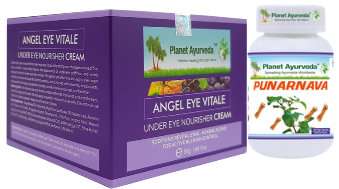
- Angel Eye Vitale Cream
- Punarnava Capsules
Herbal Remedies of Malar Bags

Product Description
1. Angel Eye Vitale Undereye Nourishing Cream
Angel Eye Vitale Undereye Nourishing Cream is a specialized topical formula designed specifically for the delicate periorbital and upper-cheek skin. Enriched with nourishing herbal extracts, it helps hydrate the skin barrier, support elasticity around the mid-face region, and reduce the visual appearance of fatigue, puffiness, and skin laxity associated with malar areas.
Method of Application Apply a pea-sized amount gently around the eye and upper cheek area twice daily.
2. Punarnava Capsules
Punarnava capsules contain standardized extracts of Boerhavia diffusa, celebrated in Ayurveda for its powerful Shothahara (swelling-reducing) and diuretic properties. This supplement supports healthy kidney function, promotes optimal lymphatic drainage, and assists the body in naturally managing fluid retention and tissue puffiness.
Dosage 1 capsule twice daily with warm water after meals.
Conclusion
Malar bags are a distinct anatomical and structural condition requiring careful differentiation from standard under-eye bags and targeted management. While modern aesthetic approaches offer lymphatic support and dermatological treatments, complementary holistic systems like Ayurveda provide valuable internal and topical care focused on balancing fluid dynamics and nourishing skin tissues. Integrating precise anatomical awareness, healthy lifestyle habits, and targeted botanical solutions ensures optimal skin vitality and enhances the overall appearance of the mid-face.

Dr. Vikram Chauhan
https://www.planetayurveda.comDr. Vikram Chauhan (MD - Ayurveda) is a Globally Renowned Ayurveda Physician with Expertise of more than 25 Years. He is the CEO & Founder of http://www.PlanetAyurveda.com, a leading Ayurveda Brand, Manufacturing, and Export Company with a Chain of Clinics and Branches in the US, Europe, Africa, Southeast Asia, India, and other parts of the World. He is also an Ayurveda Author who has written Books on Ayurveda, translated into Many European Languages. One of his Books is "Ayurveda – God’s Manual for Healing". He is on a Mission to Spread Ayurveda All Over the Planet through all the Possible Mediums. With his Vast Experience in Herbs and their Applied Uses, he is successfully treating Numerous Patients suffering from Various Ailments with the help of the Purest Herbal Supplements, Diet, and Lifestyle, according to the Principles of Ayurveda. For More Details, visit - www.planetayurveda.com, www.alwaysayurveda.com
View more posts from this author