Hypothenar Eminence Fasciculations & Its Ayurvedic Treatment
Abstract
The body of a human being is a combination of many bones, muscles, blood vessels, arteries, organs, tissues and cells. This all explains that the human body is the most complex system which is ever made. The more we study human anatomy and physiology, the deeper we dig and we get better and better knowledge about its functioning and formation. Ayurveda in this aspect suggests that a human is the result of a combination of sharir indriya, satva and atma. Human body is made up of five universal elements and three dosha. These dosha also have dominance of these elements. Due to some reasons, if the doshas inside the body gets imbalanced then occurrence of diseases or various conditions is being mentioned in Ayurveda. One of such conditions is hypothenar eminence fasciculations. In this article we will discuss both modern and Ayurvedic aspects of this condition along with its best Ayurvedic management through herbal preparations.
Introduction
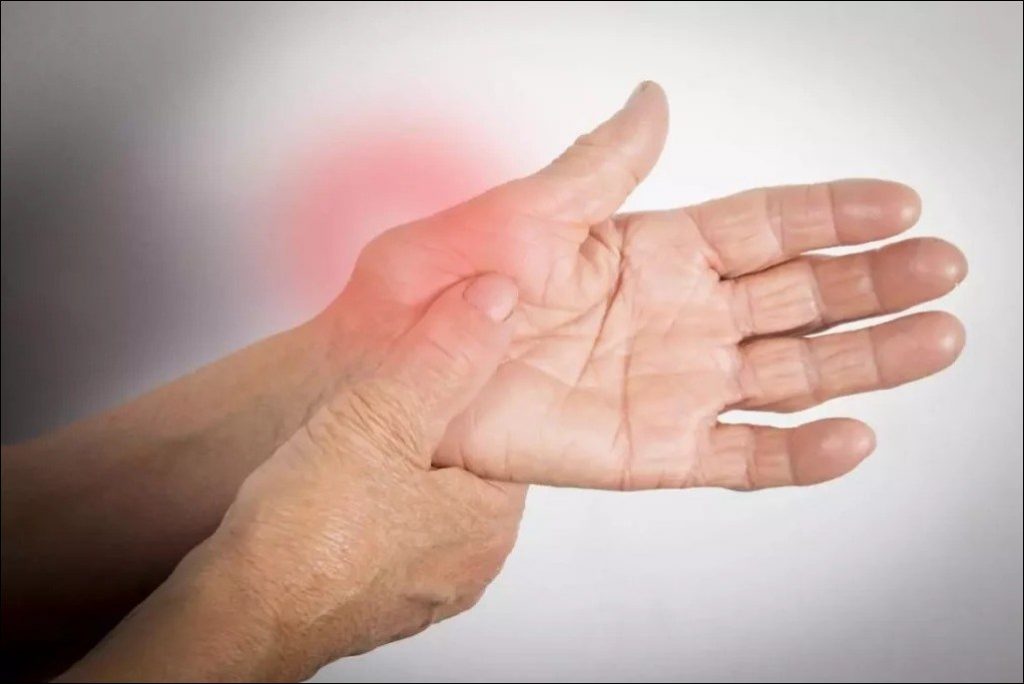
“Hypothenar eminence fasciculations” what does it mean? Here hypothenar means relating to or constituting the prominent part of the palm of hand above the base of little finger or simply as a part in the forefoot of an animal. Eminence here is a raised surface and fasciculation means a brief plus spontaneous contraction affecting a small number of muscle fibres. This also causes a flicker of movement under the skin. That is the detailed understanding of the condition but in short if we understand then hypothenar are the group of muscles, who are three in number. These are the palm muscles that are responsible for controlling motion of the little finger. If there is injury to hypothenar group muscles then the tenderness of hypothenar eminence is observed.
Key points of Hypothenar eminence fasciculations
- Hypothenar muscles are the group of three muscles
- These three muscles are responsible for controlling the motion of little finger
- Hypothenar muscles contribute to a variety of movements of the little finger like flexion, abduction, lateral rotation and opposition.
- The fasciculations in this case causes difficulty in performing the various movements of little finger
- The hypothenar eminence can be correlated with vata pradhana mansaveha srotas dushti
- The herbs like ashwagandha, Brahmi, tagar etc works wonderfully in this conditions
- Ayurveda also has some mineral preparations prepared using swarana (Gold), rajat (Silver), Loha (iron), mukta (pearl) etc.
- The calx or bhasma of above mentioned minerals and other minerals is used for the preparation of the formulation
Causes of Hypothenar Eminence Fasciculations
The causative factor for these fasciculations are not known. Mostly these are the rest of injury and this can be the result of certain motor neuron diseases. In almost 70% of the healthy population this condition occurs and the cause still remains unknown.
In some cases there are certain factors that affect the appearance of Hypothenar eminence fasciculations. These factors are as follows:
- Old age
- Fatigue
- Anxiety
- Too much intake of caffeine or alcohol
- Stress or strenuous exercises
- Specific thyroid dysfunctions
- Magnesium deficiency
- Intake of anticholinergic drugs
Symptoms of Hypothenar Eminence Fasciculations
The symptoms of Hypothenar eminence fasciculations are many but usually noticed as as following:
- Pain on the hypothenar eminence region
- Feeling of paraesthesia that is burning or pricking sensation which is common in hands, legs, feet and arms
- In some cases, loss of sensation is also noticed
- One can also face difficulty while holding weight
- Person may observe increased cold sensitivity especially on the little finger
- Discoloration or changes in the natural colour of the finger may be noticed in case of extreme fasciculations
- Sometimes there is damage to the ulnar nerve because of a injury and this also result in Hypothenar eminence fasciculations
Diagnosing Hypothenar Eminence Fasciculations
When someone is experiencing the above symptoms they should visit their doctor. Your doctor might suggest some tests like X-ray etc. before reaching any conclusion.
Then a short history of the condition will be asked about its duration, type of pain, pattern of fasciculation, anything that triggers fasciculations, history of injury to the hypothenar region or any family history of the same.
Mostly , final diagnosis is made after effective diagnostic techniques like Surface EMG (Electromyography). Instead of surface electromyography sometimes needle electromyography is also done.
Once diagnosed, modern science doesn’t have any promising treatment for this condition.
Ayurvedic Correlation of Hypothenar Eminence Fasciculations
The Ayurveda, as mentioned above suggests that Hypothenar eminence fasciculations can be correlated with vata pradhan mansa sroto dushti.
Srotas are basically the small or micro channels which have a hollow space. Every dhatu has its own srotas and when there is accumulation or aggravation of vata dosha in these micro hollow spaces conditions like fasciculations occur. These fasciculations are often followed by pain which is of pricking nature (peculiar symptom of vata pradhan vedana).
Vata aggravation can be the result of the wrong lifestyle and diet style one is following. On the other hand it can also take place due to the localised injury or using of hypothenar muscle groups in excess like for weight lifting etc.
That is how Hypothenar eminence fasciculations are understood in Ayurveda.
Hypothenar eminence fasciculations can be well managed with ayurvedic herbs like ashwagandha, brahmi, tagar, jatamansi and others which are specifically for the pacification of vata dosha. Using these herbs many formulations are being prepared like ashwagndha ghan vati, brahmi vati. Ghrit preparations like brahmi ghrit ashwagandha ghrit are also prepared using these herbs.
In addition, some minerals as mentioned earlier,like swarna, rajat, loha, abraka etc are also used to prepare some mineral based preparations like vrihat vatchintamani ras, vat gajankush ras and many others.
Herbal Formulation By Planet Ayurveda for Hypothenar Eminence Fasciculations
Planet ayurveda is a leading herbal product manufacturing company who has set its foot in various parts of the globe. There are many exclusive outlets of Planet Ayurveda in various parts of India as well. Planet Ayurveda manufactures its products with a promise of purity and maintains the quality of formulations. Patent as well as classical formulations are being manufactured under the strict guidance of Ayurveda experts. All of the products are totally free from any type of side effects and do not contain fillers, dyes, irritants, colouring agents, adulterants, additives etc. Following are the products offered by Planet Ayurveda for Hypothenar eminence fasciculations:
- Vrihat Vatchintamani Ras
- Ashwagandhaghan Vati
- Nature-Amino
- Neurogenie Capsules
- Neuro Plan Syrup


Product Description
1. Vrihat Vatchintamani Ras
Vrihat vatchintamani ras is a classical preparation. As its name suggests it is exclusively for the pacification of vata dosha. The formulation has ingredients like Swarna Bhasma (calx of gold), Rajata Bhasma (calx of silver), Abhrak Bhasma (calx of mica), Loha Bhasma (calx of iron), Pravala Bhasma (calx of coral), Mukta Bhasma (calx of pearl) and Suta Bhasma (calx of a compound of purified mercury and sulphur). In this case the formulations work by working as an analgesic and also help in lowering the unwanted fasciculations. The formulation is very effective and can be used in all vata dominant conditions.
Dosage: One tablet twice a day. Chew the tablet with warm milk after meals.
2. Ashwagandhaghan Vati
Ashwagandha ghan vati is a very impressive and effective formulation manufactured by Planet Ayurveda. The formulation is prepared using ashwagandha (Withania somnifera). The herb is a very well known pacifier of aggravated vata dosha. The herbal preparation works in Hypothenar eminence fasciculations by strengthening the muscle fibres of the hypothenar area.The Formulation is also known to nourish the body’s ligaments, cartilages and joints as well. The symptoms like pain and difficulty in movement are very well handled by using this formulation. Ashwagndhaghan vati works to strengthen the entire body framework.
Dosage: Two tablets twice a day after meals with lukewarm water.
3. Nature-Amino
Nature amino is a powderous formulation prepared by Planet Ayurveda. The formulation is a very good source of natural protein and overcomes any type of deficiency in the body. The formulation has ingredients like shatavari (Asparagus racemosus), safed musli (Chlorophytum borivilianum), ashwagandha (Withania somnifera), soybean (Dolichos soja) and Gokshura (Tribulus terrestris). This formulation also has its effect in alleviation of vata dosha. Nature amino has its impact on improving muscular and nervous functioning as well. The powder holds the properties of being balya and has rasayan effect as well. It helps in body rejuvenation and provides strength to the body at cellular levels.
Dosage: One tsp twice a day after meals with lukewarm water.
4. Neurogenie Capsules
Neurogenie capsules is a formulation which behaves as the genie for the neuro system. The formulation has two ingredients that’s brahmi (Bacopa monnieri) and ashwagandha (Withania somnifera). With these two ingredients it’s very easy to prevent motor degeneration and thus maintains the overall health of the nervous system. Both of the herbs have an impressive effect in acidification of vata dosha. Brahmi is the member of medhya rasayan category mentioned in Ayurveda and thus helps in the enhancement of the potency of this formulation. It also helps in slowing down the degenerative neural process, if any going on.
Dosage: One capsule twice a day after meals with lukewarm water.
5. Neuro Plan Syrup
Neuroplan is a syrup preparation and has wonderful results in this condition. his formulation is prepared With herbs like Mandukaparni (Centella asiatica), brahmi (Bacopa monnieri), Sonth (Zingiber officinale), Jyotishmati (Celastrus paniculatus), Ashwagandha (Withania somnifera), Shankhpushpi (Convolvulus pluricaulis), Bhojpatra (Betula utilis), Maricha (Piper nigrum), Madhuyashti (Glycyrrhiza glabra) and pippali (Piper longum). This syrup preparation is effective as it has liquid consistency and liquids are easily absorbed into our system and show impressive results. This also has its impact in degenerative changes, supports pacification of vata dosha and helps in better neural transmission. In addition, it also enhances intelligence and intellect.
Dosage: Two tsp twice a day after meals with lukewarm water.
Contact Planet Ayurveda Support Team to provide you the costing/ordering and delivery information at – costing.planetayurveda@gmail.com or Call at 0172-521-4040 (India), +91-172-521-4040 (Outside India) or Whatsapp at (+91) 842-749-4030.
Conclusion
The hypothenar eminence fasciculations are very typical to detect. Usually people suffering from this condition do not know they have this condition. For them it’s just another weakness and to get through this weakness they try many things. But the conditions become serious when it starts hampering your day to day working like lifting weight, writing etc. So don’t ignore your health, not even the minor part of it. Because it’s your body, it’s the vessel of your soul and your duty is to protect both. In case of any health queries you can visit Planet Ayurveda