Category: Heart Health

How to Balance Pitta Dosha with Ayurveda

ABSTRACT

Doshas are the humor and elements of the body which are responsible for a person’s physiological, mental and emotional health. Each one of these doshas have their own respective functions in our body. These doshas are Vata, Pitta and Kapha. Where vata represents the movement and nervous system, pitta represents digestive elements or juices and kapha ensures the lubrication of joints. The imbalance in any of these elements will deteriorate one’s health and give rise to various health conditions. In this article we will discuss the pitta dosha and how it can be managed using various ayurvedic herbs.

INTRODUCTION

Pitta dosha is generally said to be associated with the digestion and metabolism where pitta works by its properties of ushna(hot) and tikshna by initiating enzyme secretion. It has other properties according to the properties of their subtypes like ranjaka (coloring), bhrajaka, sadhaka, pachaka and alochaka pitta. Where pachaka pitta refers to digestion and this form of pitta exists primarily in the stomach and the intestine. Each one of them possesses different properties. Ayurvedic medicine is based on the idea that the world is made up of five elements- akash (space), vayu (air), agni (Fire), jala (water) and prithvi (earth).

A combination of each element results in three humors or doshas vata, pitta and kapha which are responsible for a person’s physiological, mental and emotional health. Each and every person has a unique ratio of each dosha if a person is having pitta dosha in predominance while others may be mostly of vata and kapha dosha. Balance of all three doshas is adequate to maintain a healthy mind and body balance. As per the quotation samdoshas samagnisch sama dhatu mala kriya prasantamindriya mana swasth ityabhidhiyata. If our body is in proper balance with the proportion of doshas, agni and dhatu then the patient is said to be in a state of physical, social and mental well being.
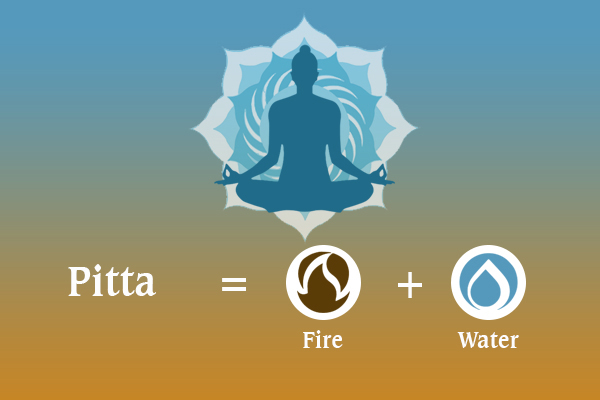
pitta dosha

Place of pitta dosha

The important site and location of the pitta dosha is as follows-

  • Sweda- rasa dhatu end product of food digestion
  • Lasika- lymph
  • Rudhira- blood
  • Amashaya- small intestines are sites of pitta.

Pitta dosha is based on fire and water. It is commonly described as ushna(hot), laghu(light), tikshan(sharp) and sara(mobile). Grisham ritu or summer season is known as the pitta season. People with pitta dosha have intelligence, self master skills, good metabolism and healthy skin and hair. All metabolic activities, appetite, hunger, color, complexion and body’s circulation are dependent on pitta dosha. When pitta is out of balance then the body may lead to many diseases like inflammation, acne and acidity.

SUB-TYPES OF PITTA DOSHA

TYPE OF PITTA DOSHA LOCATION AND   FUNCTION
Ranjaka Located in the liver and spleen, it is responsible for converting rasa dhatu into rakta dhatu
Pachaka Located in the stomach and intestine, it controls the digestive system
Sadhaka Located in the head and heart. It attends mental functions such as knowledge and intelligence
Bhrajaka Located in the skin, it gives color and complexion to the skin
Alochaka Located in the eyes and helps in vision

Food to eat in pita

Pitta is said to be aggravated by the diet rich in rasa like amla (sour), lavan (salty) and katu (pungent) and is mitigated by madhura (sweet), tikta (bitter) and kashay (astringent) rasa. So, people having a pitta body type should refrain from having a diet rich in rasa amla (sour), lavan (salty) and katu (pungent) like grapes, papaya, onions, eggplant, almonds and various other things.

FOOD TO CONSUME IN PITTA BODY TYPE FOOD NOT TO CONSUME IN PITTA BODY TYPE
Sweet and bitter vegetables like celery, carrots, cucumber and cabbage. Spicy hot food, soy sauce, urad dal and things having salty and sour content.
Fruits like sweet ripe oranges, pear, bananas, melons and mangoes. Cashew, sesame seeds, peanuts, egg yolk and thyme.
Herbs and spices like black pepper, cumin, cilantro and turmeric. Honey, jaggery and white sugar. Spices like garlic, cloves, mustard seeds and hing.

Summer is said to be the season of pitta which is a combination of fire and water elements, pitta has the characteristics of being hot. When there is excess pitta in the body you may experience the following:-

  1. Feeling of heat generation in the body.
  2. Acid reflux
  3. Nausea
  4. Diarrhea
  5. Anger and hot flashes
  6. Excessive sweating
  7. Foul body odor
  8. Irritability
  9. Insomnia
  10. 10.Inflammation of the joints

According to ayurveda due to the inconsistency of them chronic diseases occur. There are 40 types of diseases caused by pitta dosha.

Among the forty nanatmaja vyadhi of pitta dosha some of the diseases are given below:

  1. Daha (burning)
  2. Amlaka
  3. Antar daaha (burning sensation inside the body)
  4. Ati sveda (excessive sweating)
  5. Ushmaadhikya (excessive temperature)
  6. Kaamla (jaundice)
  7. Jivadana (hemorrhage)
  8. Tamah pravesha (fainting)

Symptoms of Pitta Imbalance

  1. Daha- burning sensation
  2. Ushna – heat
  3. Sweda- perspiration
  4. Kandu- itching
  5. Kotha- putrefaction
  6. Srava- discharge
  7. Raaga – redness

General Treatment for pitta diseases

  1. Pita is treated with herbs having Madhura, tikta and kashaya rasa.
  2. Herbs having cool potency
  3. Virechana- purgation
  4. Parisheka- effusion
  5. Abhyanga- massage with herbs having pitta-pacifying qualities.

Importance of virechana in pitta imbalance

Purgation or virechana is the treatment for curing the pattika disease after administration virechana eliminates vitiated pitta from its root from the level of intestines. It also alleviates the entire vitiated pitta from other parts of the body.

AYURVEDIC TREATMENT

In ayurveda shamana is done by using madhura(sweet), tikta(bitter) and kashaya(astringent) rasa. The goal of treatment is to cleanse the body of undigested food. These cleansing mechanisms are described among panchkarma to maintain balance in the body.

Panchkarma includes five types of shodhana karmas.

1. VAMAN

  • Vaman is done to detoxify vitiated kapha dosha.

2. Virechana

  • Virechana is done to detoxify vitiated pitta dosha.

3. Basti

  • Basti is done to detoxify vitiated vata dosha.

4. Nasya

  • Nasya or nasal administration of medicated oil and herbs are used for relieving doshas from the head.

5.Raktamokshana

  • Raktamokshana is done to expel out vitiated rakta dosha.

FORMULATIONS TO BALANCE VITIATED PITTA DOSHA.

  1. Shadanga Paniya
  2. Ushirasava
  3. Praval Panchamrit ras
  4. Amalaki Rasayan
  5. Kamdudha ras

ASANAS TO MAINTAIN HEALTHY PITTA BALANCE

  1. Dhanurasana
  2. Bhujangasana
  3. Ardha matsyendrasana
  4. Setu bandhasana
  5. Ushtrasana

Some effective herbs by planet ayurveda to balance pitta dosha

1. Pitta Balance

This herbal formulation is made up of rasaushadhi like jahar mohra pishti, kaharava pishti, akik pishti, mukta pishti and giloy satva(Tinospora cordifolia) herb. Akik pishti and mukta pishti are helpful in balancing excess acid in the stomach and provides immediate relief from acidity and heartburn but also improves digestion and reduces constipation.

Dosage– 1 to 2 capsules twice daily with water after a meal.

2. Panchatikta kwath

This formulation is made of guduchi(Tinospora cordifolia), nimba(Azadirachta indica), patola(Cucumis acutangulus), kantakari(Solanum virginianum) and parpata(Fumaria indica) etc. which is useful in reducing inflammation and fever like conditions.

Dosage– 2 tsp before food with equal amount of water

3. Shankh bhasma

It is made of the conch or sea shell for managing conditions like acid reflux, also called GERD. Sankha bhasma has a kshar (alkaline) property which helps in neutralizing the excess acid production. It works by its sheeta (cold) property. It is useful in controlling acidity, abdominal pain and ibs like condition.

Dosage– 125-250 mg twice a day

4. Praval panchamrit ras

This herbal formulation is in the form of tablet or powder formed by Mukta bhasma, shankh bhasma, shukti bhasma, praval bhasma and the latex of arka. It has a calming effect on curing bloating, anorexia, ascites, indigestion and gastritis like conditions and is helpful in balancing vata and kapha dosha

Dosage-2 tablets  twice daily with honey, ghee and milk after a meal.

CONCLUSION

Pitta dosha is one of the three doshas of our body which has its own natural properties and functioning in the body. When these doshas get out of balance they cause different health conditions which are aggravated by the consumption of rasa opposite to that of their nature. Pitta dosha is similarly maintained by giving up on certain items leading to its aggravation like amla(sour), lavan(salt) and katu(pungent) rasa and also by shodhana(detoxification) and shamna(pacification).

Ayurvedic Treatment For Bradycardia And Tachycardia Syndrome

Abstract

In the present scenario, heart related diseases are developing very increasingly due to unhealthy lifestyle choices and non nutritious diet. All people have very hectic schedules and they forget about their healthy well being. Atrial fibrillation is one of the common types of arrhythmias in elder people, so there is a required treatment and care  because of the higher risk of cardiac failure, hypertensive heart disease, ischemic heart disorders. Bradycardia- tachycardia syndrome are alternatives  to sick sinus disorders, in which fast and slow heartbeats develop. In this article, we are going to discuss bradycardia and tachycardia syndrome, its types, symptoms, causes, diagnosis and ayurvedic BTS care pack which is offered by Planet Ayurveda.

BRADYCARDIA TACHYCARDIA SYNDROME

Introduction

Sometimes, the heart beats too slow, this abnormal heart rhythm issue is called Bradycardia syndrome. In adults, usually the heart beats between 60 and 100 times per minute. If you are suffering with bradycardia, your heart beats lower than 60 times a minute. It can be a serious disorder, if the heart rate is very stagnant and the heart cannot transfer sufficient oxygen rich blood to the body.On the other hand, Tachycardia is the medical condition in which the heart beats 100 times per minute. It can begin in the heart’s upper chamber or lower chamber. There are various factors which cause tachycardia syndrome but usually, it depends upon physical condition and age.

Bradycardia Types

  1. Sick sinus syndrome
  2. Heart block
  3. Sinus bradycardia

Types of Tachycardia

  1. Atrial fibrillation
  2. Atrial flutter
  3. Ventricular tachycardia
  4. Supraventricular tachycardia
  5. Ventricular fibrillation

Symptoms of Bradycardia

  • Difficulties in breathing
  • Chest pain
  • Fatigue
  • Dizziness
  • Trouble concentrating or confusion
  • Lightheadedness
  • Near fainting spells

Symptoms of Tachycardia

  • Frequent pulse rate
  • Syncope
  • Irregular, uncomfortable heartbeat
  • Sensation in the chest
  • lightheadedness

What are the Causes of Bradycardia

Causes of bradycardia vary from lifestyle activities to other forms of heart disorder. Factors that raise the risk of producing heart issues also increase  the higher risk of bradycardia. Common causes of bradycardia are listed below:

  • Smoking
  • High blood pressure
  • Heavy consumption of alcohol
  • Anxiety or stress
  • Uses of drugs
  • Sleep disorders
  • Coronary heart disease

Risk Factors for Bradycardia are :

  • Age – people with age 65 and above are mostly affected by slow heart rate.
  • Infection of the heart – Certain viruses, bacteria and parasites can cause inflammation, infect the heart muscle and damage leading to an irregular heart beat.
  • Low thyroid – low levels of thyroid hormones cause a dense heart rate.
  • Previous heart attacks  – heart attacks weaken the heart muscle or cause issues with its electrical system.
  • Congenital heart defect – Complications with the function and structure of the heart present at birth can affect a steady heart rate.
  • Electrolyte imbalance – imbalance in minerals like chloride, phosphate, calcium, sodium and magnesium can result in irregular heart beat.
  • Medications for other heart issues – Medications like digoxin, beta blockers and antiarrhythmics can also cause bradycardia.

Causes of Tachycardia

  • Smoking
  • Physical exercise
  • Anemia
  • Heavy consumption of caffeinated products
  • Low or high blood pressure
  • Hyperthyroidism
  • Mental stress
  • Drinking too much alcohol
  • Use of drugs such as, methamphetamine or cocaine
  • Fever
  • Side effects of some medications

Diagnosis of Bradycardia

  • Holter monitor
  • Blood test
  • Electrocardiogram (EKG)
  • Event monitor
  • LINQ insertable cardiac monitor

Diagnosis of Tachycardia

  • Electrocardiogram
  • Event monitor
  • Holter monitor
  • Electrophysiological test
  • Cardiac imaging
  • Computerized tomography
  • Coronary angiogram
  • Echocardiogram
  • Magnetic resonance imaging
  • Chest x-ray
  • Tilt table test
  • Stress test

Preventions of Brady-tachy syndrome:

  • Physical exercise and consuming a healthy diet .
  • Maintain a healthy weight.
  • Limit your alcohol consumption.
  • Stop using drugs.
  • Control your stress
  • Limit drinking of caffeine
  • Go for checkups if you are noticing any signs or symptoms.
  • Keep cholesterol and blood pressure level  under control

Ayurvedic Perspective of Brady-Tachy Syndrome

Ayurveda is an old and traditional branch of medical science which provides effective herbal remedies for each and every disease. It has been considered as the best healthcare system due to its better and side-free results. As per ayurveda,  irregular heart rate comes under the category of hridroga. There are three doshas – vata, pitta and kapha in the human body which helps to promote good health. Disturbances in any of the tridoshas lead to health problems.

  • Disproportionation in vata dosha causes an erratic heartbeat.
  • Exasperated pitta dosha is responsible for a higher rate of heart beat.
  • Imbalanced kapha dosha leads to slower heartbeat.

For the treatment of brady-tachy syndrome, Planet Ayurveda provides the best BTS care pack which contains extracts of different types of natural herbs. All products by them are 100% pure or without any chemical, color, preservative, binder, filler and additives. Let’s discuss the description and dosage of the BTS care pack:

  1. Curcumin Capsules
  2. Giloy Capsules
  3. Kaishore Guggul
  4. Manjishtha Capsules
  5. Navkarshik Churna
  6. Brahmi Capsules
  7. Arjunarisht
  8. Total Heart Support

Bradycardia And Tachycardia Syndrome Herbal Remedies for Bradycardia And Tachycardia Syndrome

Product’s Description

1. Curcumin Capsules

It is an effective herbal supplement to treat several tumors and cancers. It is prepared by using pure extract of Haridra (Curcuma longa ) herb. Commonly turmeric  is used as a coloring agent in Indian cuisine but it has been considered as the best home remedy for the treatment of various health issues. Curcumin contains anti- inflammatory, anti-cancer, and natural antioxidants properties which are helpful for blood purification, relieves from swelling, joint pains, inflammation and reduces the risk of heart attacks, balances irregular heartbeat and lowers the level of cholesterol.

Dosage – 1-2 capsules two or three times a day, with plain water after meals.

2. Giloy Capsules

The Indian name of giloy is guduchi (Tinospora cordifolia) which is an amazing antipyretic herb consists anti-inflammatory properties that are helpful to promote a healthy immune system, treat all kinds of fevers, lessen inflammation and control heart beat rate. Planet Ayurveda formulated this wonderful remedy for the treatment of gout, skin disorder, jaundice, chronic fever and infections. Giloy capsules are helpful to treat Tachycardia and bradycardia syndrome.

Dosage- 1-2 capsules, once or twice daily with normal water.

3. Kaishore Guggul

It is beneficial for the accumulation of pitta dosha in the joints. These tablets contain many natural herbs like guduchi (Tinospora cordifolia), Black pepper (piper nigrum), Danti (Baliospermum montanum), guggulu resin (commiphora mukul ) and many more. Kaishore guggul is an excellent formula for the removal of lymphatic congestion, uric acid and lessening joint pain. The ayurvedic kaishore guggul is helpful to treat tachy-brady syndrome which are responsible for dizziness, chest pains, breathing problems and heartbeat problems.

Dosage – 1-2 tablets twice or thrice regularly, with plain water, after meals.

4. Manjishtha Capsules

Manjishtha capsules are prepared by using pure extract of manjistha (Rubia Cordifolia) which is a natural herb. These capsules are  helpful to lower depression, stress and anxiety. Manjistha is rich with natural antioxidants which purifies the blood and promotes a healthy immune system. It naturally detoxifies the blood, prevents skin ailments, and maintains the health of nails and hairs. Manjistha capsules are offered by Planet Ayurveda to reduce blood clots, maintain heart health and lower risk of stroke.

Dosage – 1-2 capsules twice or thrice daily or as directed by an ayurvedic physician.

5. Navkarshik Churna

This herbal churna is a pure blend of Amla (emblica officinalis), Neem (Azadirachta indica), Giloy (tinospora cordifolia), Daruhaldi (berberis aristata), Bahera (Terminalia billerica) and many other herbs. It is a classical herbal formulation from “Chakradatt Samhita”. Regular consumption of navkarshik churna purifies the blood and naturally lowers the uric acid level. This herbal churna works at the root of the disease and provides instant relief from imbalance of heart beat.

Dosage – 1 teaspoonful twice regularly or take 1 teaspoon of churna and boil in 400 ml water until it remains 50-60 ml. After this, filter it with a strainer and drink at room temperature . consume this at least 30-45 minutes after meals.

6. Brahmi Capsules

These capsules are 100 % natural and vegetarian, formulated by using natural extract of Brahmi (Bacopa monnieri). Brahmi capsules are popular for their memory enhancing properties, also used for different health issues like depression, blood pressure, anxiety and vertigo. These capsules prevent the risk of tachy- brady syndrome. Brahmi contains natural alkaloids like bacopasides which act as memory enhancers. These herbal capsules are free from additives, preservatives and colors, so these are safe to use.

Dosage – 1-2 capsules one or two times daily.

7. Arjunarisht

Planet Ayurveda provides this herbal supplement to treat heart-related disorders. It is formulated by using natural ingredients such as Mahua (Maduca longifolia), Munaka (Vitis vinifera) Arjun(Terminalia arjuna), Dhataki pushpa(woodfordia fruticosa), gur (Sachharum officinarum), and many others. Arjunrisht is helpful to enhance the proper working of the heart, detoxification, and naturally clear the arteries. This herbal supplement is 100% natural without causing side effects.

Dosage – Take 2 teaspoonfuls twice daily after meals with equal amounts of warm water.

8. Total Heart Support

This is a combination of various herbs like Arjun (Terminalia arjuna), Brahmi (Bacopa monnieri), Shankhpushpi(Convulvulus pluricaulis), Ashwagandha (withania somnifera) and many more. Total heart support capsules are amazing herbal formulations that help in strengthening heart muscles, maintaining blood circulation, and also reduce stress and anxiety. These capsules reduce the risks of heart attack and maintain a good heart rate.

Dosage – Take 1 capsule twice daily, after meals with warm water.

Conclusion

Brady- tachy syndrome is caused by several lifestyle activities and an unhealthy diet. If these are not treated before the time it can lead to serious illness. Different allopathic medicines play a role for the treatment of these syndromes but they are causing various side effects. So, we conclude that ayurvedic medicines are more advantageous than allopathic. Above mentioned herbal supplements are provided by Planet Ayurveda, and are prepared by following proper guidelines and principles of ayurveda which has been used since ancient times. These ayurvedic products are safe to use. In case of any query kindly visit www.PlanetAyurveda.com . For more queries, you can send your queries to our email id herbalremedies123@yahoo.com.