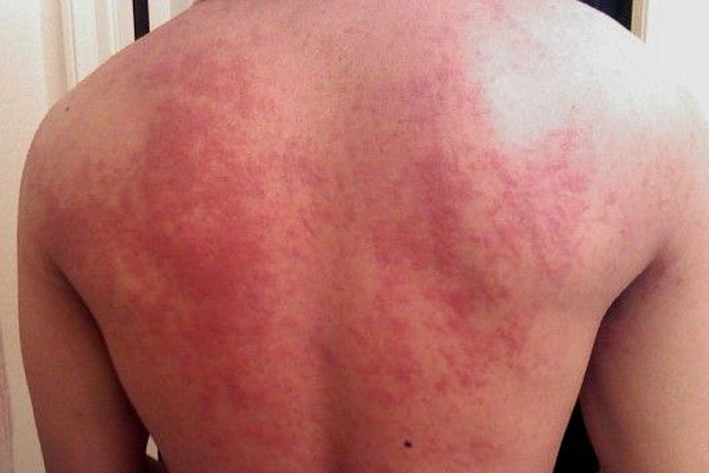
How to Treat Ticks and mites infestation in Dogs Through Ayurveda
Abstract
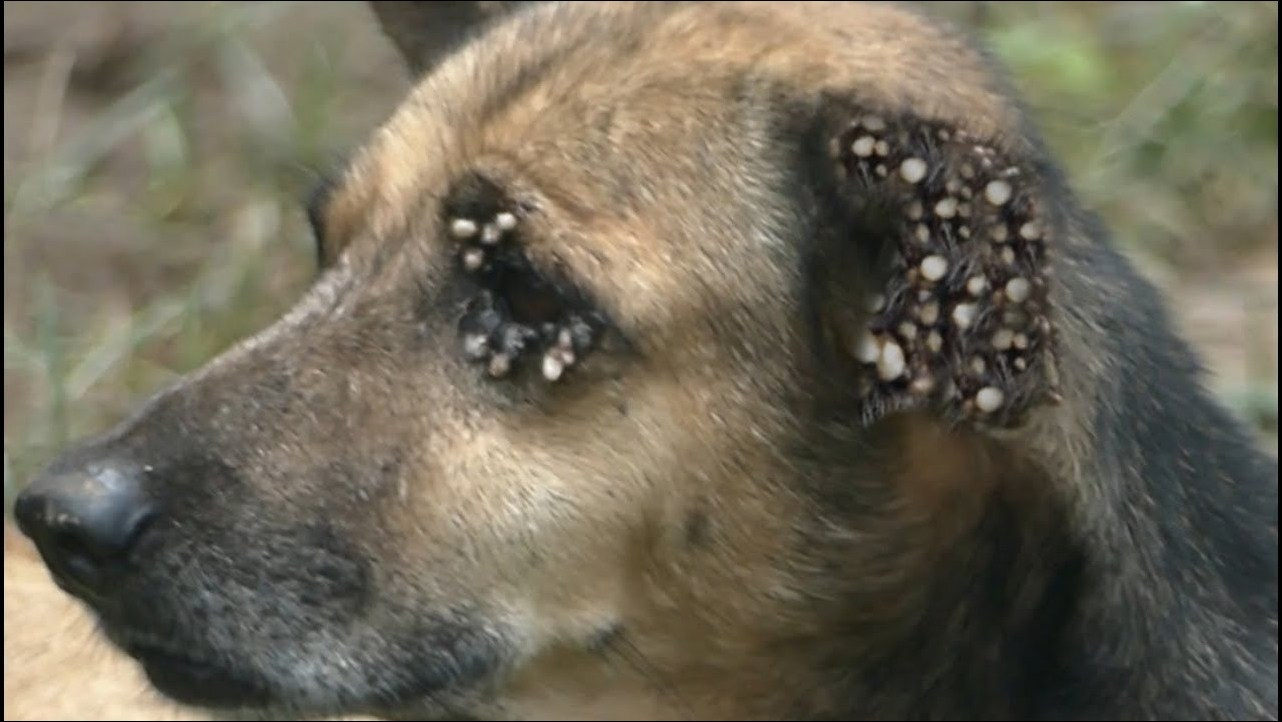
Ticks and mites are the external parasite which feeds on the blood of mammals. They sucks the blood of animals and lead to debilitation of animal health. Tick infestation leads to destruction of the external coat of animals. In dogs ticks infestation leads to severe alopecia and other chronic diseases. In large animals like ruminants and equines ticks cause very dreadful conditions which causes heavy economic loss. Here with help of this content I want to share that Ayurvedic herbs are very effective without any side effects in control of ticks and for the treatment of infections caused by ticks.
Introduction
Ticks belong to phylum arthropoda and class arachnida . Ticks can be divided into two forms Ixodidae ( hard ticks) and Argasidae ( soft ticks).The life cycle of ticks is as follows – egg,nymph , and adult. . Ticks act as the vector of many life threatening diseases in animals like ehrlichiosis, anaplasmosis , babesiosis , hepatozoonosis etc. Mites are tiny members of class arachnida which are not seen by naked eyes . Mites are deeply burrowed under skin surface infection. There are three types of mites infecting dogs viz; sarcoptic, demodex and ear mites causing infection like sarcoptic mange, demodicosis and ear itching /irritation. Below is the brief description of diseases caused by ticks and mites.
1. Ehrlichiosis
The infection Ehrlichiosis is caused by rickettsia Ehrlichia canis. Rhipicephalus sanguineus tick is the main transmissible vector for the infection. One single tick is enough to infect the animal.
Clinical signs : The clinical signs of ehrlichiosis are characterised by dull,depressed, anorectic animal with a history of epistaxis or haemorrhages, swollen lymph nodes,congested mucus membrane and high temperature which ranges from 103 to 105 degree fahrenheit.
Clinical findings –Thrombocytopenia and leukopenia are important clinical findings of Ehrlichia canis. Normal platelet count in dogs is 175,000–500,000 platelets per microliter of blood. In case of ehrlichiosis it gets reduced even below or equal to 100000 and the leukocytes count decreases below 5000 per microlitre hence leads to leukopenia.
Diagnosis : The most rapid and effective diagnostic tool to detect the organism of Ehrlichia is Polymerase chain reaction which is very very sensitive for rickettsial organisms
Treatment : Ehrlichiosis can be treated using broad spectrum antibiotics like tetracyclines through the I/V route . For highly anaemic patients blood transfusion is advised. Supportive therapy using vitamin b complex and hematinic preparations may be extended.
2. Babesiosis in dogs
Babesiosis is a protozoan disease which is carried by ticks, Babesiosis in dogs is transmitted by tick Rhipicephalus sanguineus causing B.gibsoni infection and another vector is Dermacentor reticulatus which causes B.canis infection. This infection mainly destructs red blood cells and the animal suffers with severe anaemic conditions.
Clinical signs: Clinical signs of babesiosis in dogs include high fever anorexia , pale mucous membrane , water hammer pulse , depression, renal failure, cerebral signs, acute respiratory distress, haemoconcentration, hypotension, cardiac involvement etc.
Clinical findings: Acute haemolysis results in complicated forms of diseases.also results in Coagulopathy, hepatopathy,pancreatitis etc.PCV, total erythrocyte count and haemoglobin value will drop 16, 20 and 24% within 48 hours. Leukocytosis is observed.There will be increased levels of blood glucose,total serum bilirubin and SGOT is observed.
Diagnosis: Capillary agglutination test, Indirect fluorescent antibody test, Enzyme linked immunosorbent assay, Radio immunoassay etc.
Treatment: Treatment for Babesia gibsoni can be given with help of antiprotozoal drugs and also with penicillin group antibiotics.
3. Canine Hepatozoonosis
This is also the protozoal infection caused by the Hepatozoan canis mainly which gets transmitted by tick Rhipicephalus sanguines. Here the transmission takes place by the ingestion of infected ticks. The tick gets infected by feeding on infected dogs . It affects the blood vascular and lymphatic tissues as blood generating organs.
Clinical signs– The clinical signs for hepatozoonosis are high fever,lethargy, weight loss and anaemia. Abnormality of gait of animals is very common in this infection.
Clinical findings: The clinical findings vary from asymptomatic to severe form of diseases. Asymptomatic forms may not show any clinical signs but on examination blood parasites may be observed@1.5% ; Severe form of infection will include clinical signs as well as the parasitemia rate in blood will be as high as 100%, severe neutrophilia is noticed
Diagnosis: microscopic detection will show the presence of H.canis gamots in blood smear, ELISA and IFAT is done for detection of HAI antibody
Treatment: Antiprotozoal and broad spectrum antibiotics are given . Combination therapy with sulphonamides is done.
4. Scabies
Scabies infection also called as mange caused by Sarcoptes.scabiei viz a Mite. The predisposing factors are contact with the infected animal, indirect transmission by touching inanimate objects. It’s a zoonotic infection and can be transmitted to humans also.
Clinical signs– The main site of lesions in scabies are head,neck,forelimb,face and ears.Severe pruritus is noticed which leads to oozing of blood and serum and hence the secondary infection by bacteria occurs resulting in the condition called pyoderma. Lesions may be covered with scales and crusts. A typical acidic odour is observed.
Clinical findings: The clinical findings of infection can be observed under the microscope which shows the presence of small circular white mites.
Diagnosis : It is diagnosed by taking the peripheral skin scraping from different sites of lesions with a drop of glycerin placed on the slide and observed under the 10x power of a microscope.
Treatment: Acaricidal drugs are used with some antibiotics. For external applications amitraz @ 6 ml/litre can be used.
5. Demodectic mange
This is also called demodicosis. Demodectic mites live in the hair follicle and the sebaceous gland. The predisposing factors are young age, short haired breeds , malnutrition and debility, systemic infections, hypothyroidism , biotin deficiency etc.
Clinical signs– Localised lesions are observed in periocular,perioral and antero-lateral surfaces of limbs.In the generalised form there are extensive lesions throughout the skin surface. Whereas the squamous form there are dry eczematous lesions.Hyperpigmentation is observed in squamous form. Pustular form results in pyoderma, the skin surface is covered with brownish grey crusts,grey scab and assumes a red colour and the condition is called “red mange”.
Clinical findings: The skin scrapings when observed under the microscope will notify the presence of cigar shaped mites.
Diagnosis: The diagnosis of demodectic mange can be done by taking deep skin scrapings on the slide and observed at 10x power of microscope. The point to be noted is that skin scrapings in demodex infection should be taken in that way the blood should ooze out from the lesion.
Treatment: Benzyl benzoate preparation with 70%alcohol can be used for external application. Amitraz @ 6ml/litre for 5 to 7 applications are required. Acaricidal drugs are used. Which are contraindicated in pregnant animals.
Modern treatment for tick control in animals
Ticks can be treated by using ivermectin, doramectin tablets etc. these drugs can be used externally as well as in the form of tablets and injections for parenteral use(S/C).For mites ivermectin can be injected and the benzoylbenzoate with 70%alcohol or benzene hexachloride can be used. Neguvon can be used. Amitraz can be used @6ml/litre will be useful for up to 5-7 applications.
Ayurvedic overview
The ayurvedic medications are very effective in ticks and mites control not from now but from years and years ago. When there was no modern medication available people used to treat the animals using these herbal formulations , ayurveda is ancient science which has provided the path for modern science discovery. The herbs used for the treatment of ticks and mites are neem leaves, tea tree, gandhak etc. the best thing about ayurvedic medication is that they do not cause toxicity to animals as we know that drugs used for tick and mites control are hepatotoxic. So here we can use the word that these are patient friendly medications.
Herbal Remedies by Planet Ayurveda for Tick and Mite infestation
The herbal formulations for control of ectoparasites like ticks and mites are very effective and 100%safe. All the products are formulated under the supervision of doctors who have strictly followed the principles of ayurveda. The herbal supplements are made from natural supplements which are very effective.
- Neem Oil
- Tea Tree Oil
- Gandhak Rasayan
- Dermo Plan Syrup
Product description
1. Neem oil
Neem oil is obtained from neem (Azadirachta indica). It is used as an external application for tick control as it acts as the insect repellent.neem oil also has a soothing effect on kin and it repairs the damage caused by ticks and mites . It works very nicely for killing the mites which are deeply penetrated under the skin.
2. Tea tree oil
Tea tree oil is obtained from leaves of tea tree (Melaleuca alternifolia). It acts as the insect repellent so helps in controlling ticks and mites infestations. Its wound healing, and skin repairing property helps to heal damage and lesions caused by ticks and mites.its helps in reducing the pruritis , itchiness etc. also it has the septictic property so any rashes on skin will get healed by tea tree oil.
Method of Application : Neem oil is mixed with tea tree oil and applied on the outer coat. Leave it for two hours and then give the shower to your pet.
3. Gandhak rasayan
Gandhak rasayan are tablets which consist of gandhak rasayan/sulphur which helps in relieving the animal from severe pruritus and allergy caused by ticks and mites. It is also antibacterial so treat the bacterial infection caused during mite infection.
Dosage : 1 tablet twice daily with feed.
4. Dermoplan syrup
Dermoplan syrup combines many herbs like Giloy (tinospora cordifolia), Neem (Areca catechu) etc which helps in killing insects and repairs the skin. Also it helps in boosting the immune system to fight against any secondary infections caused by mites.
Dosage: 1 tablespoon twice daily with feed.
Contact Planet Ayurveda Support Team to provide you the costing/ordering and delivery information at – costing.planetayurveda@gmail.com or Call at 0172-521-4040 (India), +91-172-521-4040 (Outside India) or Whatsapp at (+91) 842-749-4030.
Conclusion
The above written content gives the brief information about why the tick infection is harmful to the health of the dogs. It guides you about the mode of infection that occurs due to ticks and mites infestation and the diagnosis of those infections as well as the modern treatment followed in that. But my main objective was to introduce the ayurvedic treatment given by planet ayurveda in ticks and mite infection as well as for their control as we all know that modern medication for tick and infestation are generally hepatotoxic . The herbal formulations discussed above are totally safe and have no side effects. So to avoid any kind of toxicity in the body I would like to advise the use of ayurvedic formulations mentioned above.