Category: Blood

Clinical and Molecular Pharmacology of Empha : Advanced Therapeutic Dynamics of Empagliflozin

Abstract

Empha, formulated with the active pharmaceutical ingredient empagliflozin, represents a significant advancement in metabolic and cardiorenal therapeutics. It is classified as a highly selective inhibitor of sodium-glucose cotransporter 2 (SGLT2). Empha operates via a non-insulin-dependent pathway within the renal proximal convoluted tubules. By explicitly reducing the renal threshold for glucose and promoting sustained glucosuria and natriuresis, the drug safely manages hyperglycemia while delivering substantial secondary tissue benefits. This article provides an in-depth analysis of Empha, detailing its metabolic pathophysiology, accurate cellular mechanism of action, and systemic clinical indications across type 2 diabetes mellitus, heart failure, and chronic kidney disease. Furthermore, it integrates natural pharmacology by evaluating five prominent biomedical herbs—namely Vijaysar (Pterocarpus marsupium), Gurmar (Gymnema sylvestre), Cinnamon (Cinnamomum verum), Karela (Momordica charantia), and Methi (Trigonella foenum-graecum). Each botanical is analysed in detail to illustrate how its traditional mechanisms mirror the therapeutic pathways of modern SGLT2 inhibition.
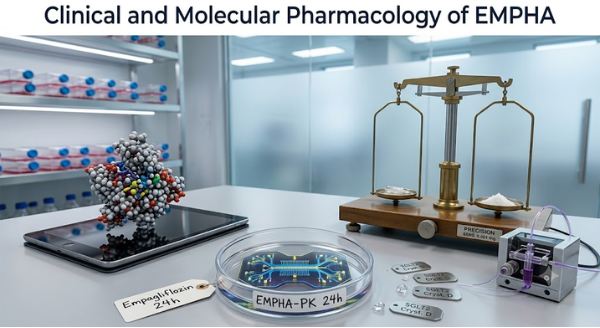
Clinical and Molecular Pharmacology of Empha

Introduction

The medical management of metabolic disorders has undergone a profound paradigm shift. For decades, the treatment of type 2 diabetes mellitus focused primarily on altering insulin signalling mechanics or forcing pancreatic beta-cell production. While these approaches reduced HbA1c, they often failed to mitigate the progressive, fatal macrovascular and microvascular complications associated with chronic metabolic disease, such as heart failure and end-stage renal decline. Chronic sustained hyperglycemia induces structural endothelial toxicity, alters systemic sodium regulation, and drives cellular hyperfiltration, eventually overwhelming the body’s homeostatic defences. Empha addresses these metabolic vulnerabilities through a unique approach that utilises the kidneys as an active clearance pathway rather than a target for damage. By targeting renal glucose filtration directly, Empha bypasses pancreatic insulin dependence entirely, avoiding common treatment complications like secondary beta-cell exhaustion or severe hypoglycemic episodes. As an advanced third-generation SGLT2 inhibitor, this molecule helps normalise serum plasma glucose levels while lowering systemic blood pressure, reducing visceral adipose mass, and stabilising vascular load. This multi-organ protection establishes Empha as a core foundational therapy in modern metabolic and cardiorenal medicine.

Pathophysiology of Renal Glucose Transport in Metabolic Disease

To understand the clinical utility of Empha, it is necessary to examine the underlying physiological transport mechanisms within the human nephron. Under normal, non-diabetic conditions, the kidney filters approximately 180 grams of plasma glucose daily through the glomerular apparatus into the primary filtrate. In a healthy state, essentially 100% of this filtered glucose is reabsorbed back into the systemic circulation, leaving the urine entirely free of glucose.

This specialised reabsorption occurs exclusively within the segments of the renal proximal tubule. The sodium-glucose cotransporter 2 is a low-affinity, high-capacity transport protein located specifically on the luminal brush-border membrane of the S1 and S2 segments of the proximal tubule. SGLT2 is responsible for reabsorbing approximately 90% of all filtered glucose. The remaining 10% is cleared downstream in the S3 segment by the high-affinity, low-capacity sodium-glucose cotransporter 1.

In chronic type 2 diabetes mellitus, this regulatory mechanism becomes highly maladaptive. Driven by persistent hyperglycemia, the proximal tubule cells undergo cellular hypertrophy, upregulating the genetic expression and physical density of SGLT2 proteins. This elevates the renal threshold for glucose from a normal plasma concentration of roughly 180 mg/dL up to 240 mg/dL. Consequently, the kidney inappropriately retains excess glucose, worsening systemic hyperglycemia and accelerating the development of glucotoxicity, tubulointerstitial inflammation, and glomerular hyperfiltration.

Mechanism of Action of Empha (Empagliflozin)

Empha targets this maladaptive renal retention through highly selective, competitive inhibition of the SGLT2 transport protein. It exhibits a 2700-fold selectivity for SGLT2 over SGLT1, ensuring targeted action in the early proximal tubule while avoiding interference with intestinal glucose transport.

Induction of Controlled Glucosuria

By binding to the extracellular transport domains of SGLT2, Empha effectively prevents the coupled reabsorption of filtered glucose and sodium. This lowers the renal threshold for glucose down to approximately 40 mg/dL. This intentional blockade induces controlled, sustained glucosuria, resulting in the excretion of roughly 60 to 80 grams of glucose per day in the urine. This process eliminates approximately 240 to 320 kilocalories daily, facilitating a steady reduction in plasma glucose and HbA1c, while encouraging loss of visceral adipose tissue and body weight.

Natriuresis and Restored Tubuloglomerular Feedback

Because SGLT2 transport relies on a coupled sodium gradient, Empha concurrently blocks active sodium reabsorption in the early proximal tubule, triggering a mild natriuretic effect. This excess sodium is carried downstream through the loop of Henle to the macula densa cells in the distal convoluted tubule. The macula densa senses this increased sodium load and interprets it as a sign of systemic hypervolemia. In response, it triggers the restoration of tubuloglomerular feedback, causing constriction of the afferent glomerular arteriole. This reduces excessive intraglomerular pressure, shields the delicate glomerular basement membrane from mechanical stress, and halts the structural progression of diabetic nephropathy.

Systemic Cardiorenal Protection and Clinical Indications

The systemic integration of glucosuria, weight loss, natriuresis, and lowered intraglomerular pressure produces extensive cardiorenal benefits that have expanded the clinical usage of Empha.

Type 2 Diabetes Mellitus

Empha effectively lowers blood glucose and HbA1c levels through insulin-independent urinary glucose excretion while minimising the risk of hypoglycemia and reducing glucotoxicity.

Heart Failure (HFrEF and HFpEF)

Empha reduces cardiovascular mortality and heart failure-related hospitalisations by promoting natriuresis and osmotic diuresis, decreasing cardiac preload, afterload, and ventricular wall stress while improving myocardial energy metabolism.

Chronic Kidney Disease (CKD)

Empha slows the progression of chronic kidney disease by restoring tubuloglomerular feedback, reducing intraglomerular hyperfiltration, lowering albuminuria, and preserving long-term kidney function.

Dosage and Clinical Use

Empha (active ingredient empagliflozin) is marketed globally under the pioneer brand name Jardiance, as well as regional single or combination generic equivalents like Oboravo, Vicra, Synjardy, and Glyxambi. The standard baseline dosage is 10 mg taken orally once daily in the morning, which is the fixed, approved dose for managing heart failure and slowing chronic kidney disease. For type 2 diabetes mellitus, if additional blood sugar control is required and well tolerated, a clinician may titrate the dose up to a maximum of 25 mg once daily. Initiation is contraindicated in patients with severe renal impairment (eGFR <30 mL/min/1.73 m²) when used purely for glycemic control, and baseline volume status should always be corrected first.

Ayurveda Insight

In the advanced framework of Ayurveda, the metabolic pathology targeted by Empha (empagliflozin) is identified as Madhumeha (Diabetes), a severe, Vata-dominant manifestation of Prameha (Urinary Disorders) characterised by chronic tissue depletion (Dhatu Kshaya) and micro-channel blockages (Srotorodha). The disease begins as a Kapha-Medas imbalance where a failure of the metabolic fire (Agni) creates an excess of morbid, sweet moisture known as Kleda, which pathologically overflows into the urinary channels (Mutra Vaha Srotas). This chronic blockage prevents nourishment from reaching deeper tissues, causing progressive structural wasting and severely depleting the body’s ultimate vital essence, Ojas. This structural decay ultimately targets the vital cardiorenal organs, leading directly to Hridroga (cardiomyopathy) and Vrikka Roga (nephropathy). Empha’s therapeutic action directly interrupts this destructive cascade by executing Sroto-Shodhana (channel purification); it drains the toxic, accumulated Kleda (morbid, sweet moisture) out of the circulation via controlled urination, which simultaneously relieves physical pressure on the kidneys and reduces the long-term workload on the heart.

Botanical Bio-Mimics: Pharmacological Analysis of Herbal Alternatives

In integrative pharmacology, several traditional herbs contain bioactive matrices that naturally mimic the multi-organ benefits of Empha. These botanicals provide valuable metabolic support by influencing renal transport, modulating carbohydrate metabolism, and delivering cardiorenal protection.

Vijaysar (Pterocarpus marsupium)

Vijaysar is a premier anti-diabetic botanical, traditionally utilised for its structural rejuvenating effects on metabolic tissue. The heartwood of this tree contains a high concentration of active phenolic components, most notably epicatechin, marsupsin, and pterosupin. From a pharmacological perspective, Vijaysar acts as a natural metabolic stabiliser by regulating glucose absorption and transport mechanics. Its active compounds help downregulate specific sodium-dependent transport markers in epithelial tissues, mirroring the glucose-clearing outcomes of SGLT2 inhibition. Furthermore, clinical evaluations show that Vijaysar actively reduces systemic oxidative stress, lowers serum low-density lipoprotein levels, and shields renal tissues from advanced glycation end-products, effectively stabilising plasma glucose levels while helping to prevent long-term diabetic vascular complications.

Gurmar (Gymnema sylvestre):

Gurmar, known as the destroyer of sugar, is a well-documented botanical choice for managing metabolic dysfunction. The primary therapeutic compounds within its leaves are gymnemic acids, a group of complex triterpene saponins structurally similar to glucose molecules. Gurmar exerts its bio-mimetic action by reversibly binding to and saturating transport proteins along the brush-border membranes of both intestinal cells and renal proximal tubules. By filling these receptor sites, it prevents excess glucose from entering the bloodstream, mimicking the glucose-excreting effects of drugs like Empha. Additionally, Gurmar supports the health of pancreatic islet cells, balances insulin secretion, and reduces cravings for simple carbohydrates, helping to correct foundational metabolic imbalances.

Cinnamon (Cinnamomum verum)

Cinnamon is a potent metabolic spice rich in polyphenolic polymers, volatile oils, and cinnamaldehyde. It supports metabolic health by optimising cellular insulin sensitivity and enhancing glucose distribution across major vascular beds. At the cellular level, Cinnamon mimics the metabolic benefits of SGLT2 inhibitors by improving glucose disposal and reducing systemic glucotoxicity. Its active components upregulate insulin receptor autophosphorylation and increase the expression of glucose transporter 4 proteins within skeletal muscle and adipose tissues. This action enhances peripheral glucose uptake, helping to clear excess glucose from the blood. Concurrently, Cinnamon inhibits key gluconeogenic enzymes in the liver, lowers systemic blood pressure, and provides valuable endothelial protection across major vascular networks.

Karela (Momordica charantia)

Karela, or Bitter Melon, is a widely recognised vegetable-derived medicine containing a distinct blend of bioactives, including charantin, vicine, and an insulin-like polypeptide known as p-insulin. Karela operates through a multi-targeted mechanism that closely aligns with the systemic benefits of Empha. It activates adenosine monophosphate-activated protein kinase, a master regulator of cellular energy that is also stimulated by the caloric loss associated with SGLT2 inhibition. AMPK activation increases glucose uptake in peripheral cells, suppresses hepatic glucose production, and downregulates fatty acid synthesis. This comprehensive pathway reduces insulin resistance, lowers circulating plasma glucose, and offers excellent protection against fat accumulation in visceral organs.

Methi (Trigonella foenum-graecum)

Methi, or Fenugreek, is an amino acid-rich seed containing high levels of soluble dietary fiber, galactomannan, and the unique chemical compound 4-hydroxyisoleucine. Methi provides metabolic support through a combination of physical and chemical actions. Its high-viscosity galactomannan fiber matrix slows gastric emptying and delays carbohydrate absorption in the digestive tract, preventing sudden spikes in blood glucose. At the same time, the compound 4-hydroxyisoleucine acts on pancreatic beta-cells to stimulate insulin release in a strictly glucose-dependent manner, minimising the risk of sudden hypoglycemia. This dual action mirrors the safe, balanced glycemic control of Empha, while also helping to lower systemic triglycerides and improve long-term cardiorenal health.

Conclusion

Empha represents a vital therapeutic advancement, providing significant cardiorenal protection and glycemic control by targeting renal glucose transport via an insulin-independent pathway. Its ability to lower intraglomerular pressure and optimise cardiac loading conditions highlights the value of multi-targeted approaches in chronic disease management. Concurrently, evaluating botanical alternatives like Vijaysar, Gurmar, Cinnamon, Karela, and Methi reveals how these traditional options can align with these exact metabolic mechanisms—offering pathway regulation, tissue protection, and enhanced glucose clearance. Combining the diagnostic accuracy of contemporary metabolic medicine with the systemic, supportive benefits of traditional pharmacology enables a more comprehensive, integrated framework for managing long-term metabolic and cardiorenal health.
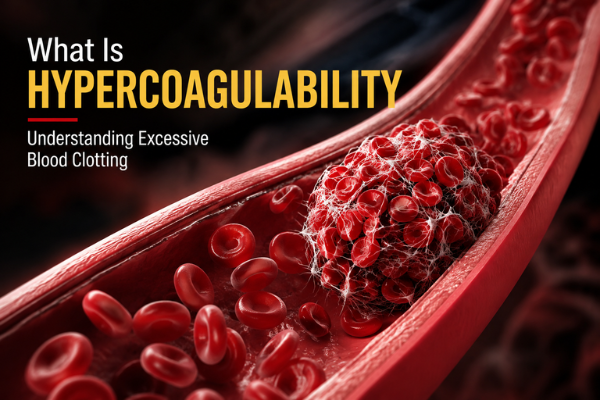
Herbal Remedies of Hypercoagulability – Causes, Symptoms, Diagnosis & Treatment

Abstract

Hypercoagulability, also known as thrombophilia, is an exaggerated operational state of the hemostatic system characterised by an increased tendency of the blood to form intravascular clots. Under normal physiological conditions, hemostasis maintains a delicate equilibrium between procoagulant mechanisms and anticoagulant control networks to prevent localised blood loss while preserving blood fluidity. When this balance is disrupted toward excessive coagulation, thrombosis can occur within the arterial, venous, or microvascular networks, leading to life-threatening clinical sequelae such as deep vein thrombosis, pulmonary embolism, stroke, and myocardial infarction. This condition arises from a complex interaction between inherited genetic mutations and acquired clinical risk factors, ultimately leading to endothelial dysfunction, stasis, or hypercoagulable blood states—collectively described by Virchow’s triad. Diagnostic evaluation relies on specialised laboratory assays, risk-stratification models, and diagnostic imaging. Contemporary management centers on targeted anticoagulant therapies, whereas Ayurvedic medicine offers an integrative perspective viewing hypercoagulability through the lens of Rakta Dushya, Pitta-Kapha dyscrasias, and impaired microcirculation (Srotorodha).

Hypercoagulability

Introduction

Blood clotting is an essential protective mechanism. When a blood vessel is injured, platelets adhere to the damaged area and coagulation proteins generate fibrin, producing a clot that limits blood loss. After healing, natural anticoagulant and fibrinolytic mechanisms prevent the clot from growing unnecessarily and help remove it. Hypercoagulability develops when this physiological balance becomes shifted toward excessive coagulation. The resulting tendency to form thrombosis can occur in otherwise healthy individuals or in association with an underlying genetic or acquired condition.
The term thrombophilia is often used when referring to an increased predisposition to thrombosis, particularly when the tendency is related to identifiable inherited or acquired abnormalities. Importantly, having a hypercoagulable state does not mean that a person definitely has a blood clot. Rather, it increases the likelihood of developing one under particular circumstances.
The clinical significance depends on the type of thrombosis, its location, the extent of vascular obstruction, and whether a clot travels to another part of the circulation.

What Causes Hypercoagulability?

The causes of hypercoagulability are broadly divided into inherited (congenital) and acquired conditions. In many patients, thrombosis develops through a combination of genetic susceptibility and secondary triggers such as surgery, immobilisation, inflammation, or hormonal exposure.

Inherited Causes

Factor V Leiden Mutation

A common inherited thrombophilia in people of European ancestry. It causes resistance to activated protein C, allowing factor V to remain active longer and promoting continued coagulation.

Prothrombin G20210A Mutation

This genetic variant increases circulating prothrombin levels, resulting in greater thrombin-generation potential and an increased risk of venous thrombosis.

Antithrombin Deficiency

A rare inherited disorder involving reduced antithrombin activity or levels. Since antithrombin naturally inhibits thrombin and factor Xa, its deficiency promotes excessive clotting.

Protein C and Protein S Deficiencies

These natural anticoagulant proteins help regulate activated clotting factors. Their deficiency reduces control over coagulation and increases thrombotic risk.

Hyperhomocysteinemia

Elevated homocysteine levels can contribute to endothelial dysfunction and may increase thrombotic risk, particularly in the presence of other risk factors.

Acquired Causes

Antiphospholipid Syndrome (APS)

An autoimmune disorder associated with antiphospholipid antibodies, including lupus anticoagulant, anticardiolipin, and anti-β2-glycoprotein I antibodies. These promote coagulation through effects on endothelial cells, platelets, and natural anticoagulant pathways.

Malignancy

Cancer can increase coagulation through tumour-derived tissue factor, procoagulant substances, and inflammatory mediators, contributing to conditions such as cancer-associated thrombosis.

Immobilisation and Surgery

Prolonged bed rest, paralysis, long-distance travel, and major surgery cause venous stasis and activate coagulation, increasing the risk of thrombosis.

Hormonal Factors

Estrogen-containing contraceptives, hormone replacement therapy, and pregnancy alter coagulation by increasing several clotting factors and reducing some natural anticoagulant activity.

Chronic Inflammatory and Systemic Diseases

Inflammatory bowel disease, systemic lupus erythematosus, nephrotic syndrome, and severe infections can promote a prothrombotic state through inflammation, endothelial activation, and impaired anticoagulant mechanisms.

Pathophysiology

Hypercoagulability operates through Virchow’s triad: endothelial injury, stasis, and hypercoagulability. When the endothelium is injured or activated by inflammatory cytokines, it downregulates protective molecules (thrombomodulin, nitric oxide) and exposes subendothelial tissue factor. Tissue factor initiates the extrinsic clotting pathway. Concurrently, venous stasis prevents the clearance of activated clotting enzymes, allowing localised thrombin concentrations to build up and convert fibrinogen into an insoluble fibrin mesh. At the cellular level, hypercoagulability propagates when natural braking mechanisms fail. Deficiencies or resistance in protein C, protein S, or antithrombin allow the amplification phase of coagulation to proceed unchecked, creating cross-linked fibrin clots that occlude vessels and cause downstream ischemia.

Signs and Symptoms

Symptoms depend on the location and extent of the vascular occlusion:

Venous Thromboembolism

  • Deep Vein Thrombosis (DVT): Unilateral limb swelling, warmth, erythema, localised tenderness, and calf pain.
  • Pulmonary Embolism (PE): Sudden dyspnea, pleuritic chest pain, tachypnea, tachycardia, hemoptysis, and syncope.

Arterial Thrombosis

  • Ischemic Stroke: Abrupt focal neurological deficits (facial drooping, unilateral weakness, speech difficulty).
  • Myocardial Infarction: Severe substernal chest pressure, diaphoresis, and shortness of breath.
  • Peripheral Arterial Occlusion: Acute pain, pallor, pulselessness, paresthesia, and coldness in the affected limb.

Diagnosis

Evaluation relies on clinical probability, non-invasive imaging, and laboratory tests:

Imaging

Duplex Ultrasonography for assessing DVT; CT Pulmonary Angiography (CTPA) for confirming PE; and MR Venography for atypical site thrombosis (e.g., cerebral or visceral veins).

Laboratory Testing

  • D-Dimer: Elevated levels indicate active fibrin turnover (useful for ruling out VTE in low-probability cases).
  • Coagulation Studies: Baseline PT, aPTT, and fibrinogen levels.
  • Thrombophilia Screening: DNA testing for Factor V Leiden and Prothrombin variants; functional assays for Antithrombin, Protein C, and Protein S; and antiphospholipid antibody panels.

Modern Management

Treatment focuses on resolving acute clots and preventing recurrence:

Acute Phase

Rapid-acting parenteral anticoagulants like Low-Molecular-Weight Heparin (LMWH), Unfractionated Heparin, or Fondaparinux are initiated immediately.

Maintenance Phase

Direct Oral Anticoagulants (DOACs) such as apixaban or rivaroxaban are preferred for long-term therapy due to their safety profile and lack of mandatory monitoring. Vitamin K antagonists (Warfarin) are used as an alternative, requiring routine INR checks.

Thrombolytic Interventions

Systemic or catheter-directed thrombolysis (e.g., tPA) or mechanical thrombectomy is reserved for life-threatening PE or severe limb ischemia.

Ayurveda Insight

Ayurveda interprets hypercoagulability through the disruption of Rakta Dhatu (blood tissue), Pitta, and Kapha Doshas, leading to Srotorodha (obstruction of vascular channels). Poor diet, stress, and systemic inflammation aggravate Pitta and Kapha. Aggravated Pitta creates heat and toxicity in the blood (Rakta Dushti), while Kapha imparts a thick, sticky (Picchila) quality. Simultaneously, Vata causes dryness and roughness in the vascular walls (Srotas). This combined imbalance alters blood viscosity, slowing circulation and obstructing flow (Srotorodha).
Ayurvedic care centres on purifying the blood (Raktashodhaka) and clearing channels (Srotoshodhana):

  • Panchakarma Therapies: Virechana (therapeutic purgation) eliminates excess Pitta and systemic toxins (Ama). Historically, Jalaukavacharana (leech therapy) was applied locally to clear static blood—notably, leech saliva contains hirudin, a potent direct thrombin inhibitor used in modern medicine.

Herbal Remedies for Hypercoagulability by Planet Ayurveda

Planet Ayurveda is a wellness brand rooted in the traditional principles of Ayurveda. It offers a wide range of herbal formulations prepared with carefully selected natural ingredients. The brand focuses on supporting various aspects of health, including digestion, immunity, joint health, heart wellness, and women’s well-being. Planet Ayurveda combines classical Ayurvedic knowledge with modern quality standards to create convenient wellness products. Its formulations are designed to complement healthy lifestyle practices and daily self-care. The brand promotes a holistic approach that considers overall physical and mental well-being. Planet Ayurveda aims to make traditional Ayurvedic wellness accessible and practical for modern lifestyles. Here, we will discuss some effective Ayurvedic formulation that helps in the management of Hypercoagulability. Let’s start!

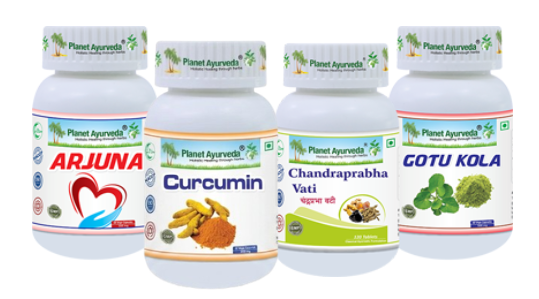
  1. Gotu Kola Capsules
  2. Arjuna Capsules
  3. Chandraprabha Vati
  4. Curcumin Capsules

Herbal Remedies for Hypercoagulability

Buy Now Herbal Remedies for Hypercoagulability

Buy Now<br /> Herbal Remedies for Hypercoagulability

Product Description

1. Gotu Kola Capsules

Gotu Kola Capsules containing Centella asiatica provide supportive Ayurvedic care for vascular health in people with hypercoagulability. Gotu Kola is traditionally used to support healthy circulation and the integrity of blood vessels. Its triterpenoid compounds, particularly asiaticoside and madecassoside, are associated with antioxidant and vascular-supportive activity. By supporting endothelial health and normal connective-tissue function, it contributes to maintaining healthy blood-vessel structure. It also supports tissue recovery and microcirculatorBlood function. From an Ayurvedic perspective, Gotu Kola is valued for supporting Rakta Vaha Srotas (channels of blood circulation) and maintaining healthy circulation.

Dosage: 1 Capsule twice daily after a meal with Plain water.

2. Arjuna Capsules

Arjuna Capsules containing Terminalia arjuna provide supportive cardiovascular care in hypercoagulability by helping maintain the structural and functional health of blood vessels. Its antioxidant constituents help protect the vascular endothelium from oxidative stress, an important factor in maintaining normal vascular function. Arjuna also supports healthy cardiac pumping and circulation, promoting efficient movement of blood through the vascular system. Its cardioprotective activity contributes to maintaining vascular resilience when circulatory stress is present. From an Ayurvedic perspective, Arjuna is considered Hridya (provides strength to the heart) and supports the healthy functioning of Rakta Vaha Srotas (channels of blood circulation). This makes it relevant as supportive care for maintaining vascular integrity and healthy circulation in individuals with an increased tendency toward clot formation.

Dosage: 1 Capsule twice daily after a meal with Plain water.

3. Chandraprabha Vati

Chandraprabha Vati, containing ingredients such as Shilajit, Guggul, Kapoor, Vacha, Mustak, and several other classical Ayurvedic components, supports metabolic and circulatory balance relevant to hypercoagulability. Guggul contributes anti-inflammatory and lipid-metabolism-supportive properties, helping maintain a healthier vascular environment. Shilajit is traditionally valued for supporting cellular energy and overall tissue function. Its antioxidant activity helps protect vascular tissues from oxidative stress, which is relevant to endothelial health. The formulation also supports efficient circulation and healthy tissue metabolism. From an Ayurvedic perspective, Chandraprabha Vati helps maintain proper Srotas (Channels) function and supports balanced movement of Vata through the body. These combined actions make it a supportive formulation for maintaining vascular and metabolic health in individuals with increased thrombotic risk.

Dosage: 2 tablets twice daily after a meal with Plain water.

4. Curcumin Capsules

Curcumin Capsules, containing concentrated curcuminoids from Curcuma longa, provide supportive vascular care relevant to hypercoagulability through their anti-inflammatory and antioxidant properties. Curcumin helps regulate inflammatory signalling pathways involved in endothelial activation and vascular stress. It also supports endothelial function by reducing oxidative damage to vascular tissues. By promoting a healthier vascular environment, curcumin contributes to maintaining normal blood-flow dynamics. Its effects on inflammatory mediators are particularly relevant when chronic inflammation contributes to an increased thrombotic tendency. Curcumin also supports healthy platelet and vascular responses as part of normal circulatory function. From an Ayurvedic perspective, turmeric (Haridra) is valued for supporting Rakta Shuddhi (Blood purification) and maintaining healthy Rakta Vaha Srotas (channels of blood circulation).

Dosage: 1 Capsule twice daily after a meal with Plain water.

Conclusion

Hypercoagulability is an increased tendency of the blood to form abnormal clots and may result from inherited thrombophilia, cancer, autoimmune disease, pregnancy, hormonal exposure, surgery, prolonged immobility, or other acquired conditions. The condition itself may remain silent until a thrombus develops, making recognition of risk factors important. DVT and pulmonary embolism are major manifestations of venous thrombosis, while arterial thrombosis can lead to serious events such as ischemic stroke or myocardial infarction. Diagnosis requires appropriate clinical assessment, laboratory testing, and imaging rather than relying on symptoms alone. Modern management centres on anticoagulation when thrombosis is present or prevention is indicated, together with treatment of the underlying cause and modification of risk factors. Ayurveda can provide a complementary perspective through individualised attention to Rakta, Srotas, diet, lifestyle, and systemic balance, but suspected or confirmed thrombosis requires appropriate medical evaluation and evidence-based treatment.