Natural Cure For Cervical Dystonia
Abstract
Cervical dystonia is a rare neurological disorder originating in the brain and also termed as spasmodic torticollis. In cervical dystonia there occur abnormal postures and movements of the head and neck due to involuntary muscle contractions in them. These abnormal contractions in some cases can be either continuous or sustained and in other cases such movements can resemble tremors and occur as spasms. Severity of this disorder may vary from person to person, however a significant amount of discomfort, difficulty and pain is caused due to the abnormal postures in cervical dystonia. This article contains all the detailed information about Cervical dystonia and its herbal treatment.
Introduction to Cervical Dystonia
Cervical dystonia is a painful disorder of the muscles in which the muscles of neck and head involuntarily contract, twisting or turning the head to one side. There can also occur involuntary and uncontrolled tilting backward or forward of the head in Cervical dystonia. Usually the people of middle age are more affected by this disorder, however it can occur to anyone of any age. Women are more prone to it than men. Signs and symptoms in Cervical dystonia develop gradually and stop at one point from where there is no worsening of symptoms. Daily activities and quality of life can be significantly affected by cervical dystonia.
Ayurvedic Aspect of Cervical Dystonia
In Ayurveda, Cervical dystonia is correlated with the term Manya stambha. As per Ayurvedic concepts tridosha, i.e. Vata, Pitta and Kapha are responsible for the balanced and healthy body and any imbalance in these doshas causes ailment. In cervical dystonia mainly the Vata dosha gets vitiated resulting in involuntary movements and spasm of the muscles.
Signs & Symptoms of Cervical Dystonia
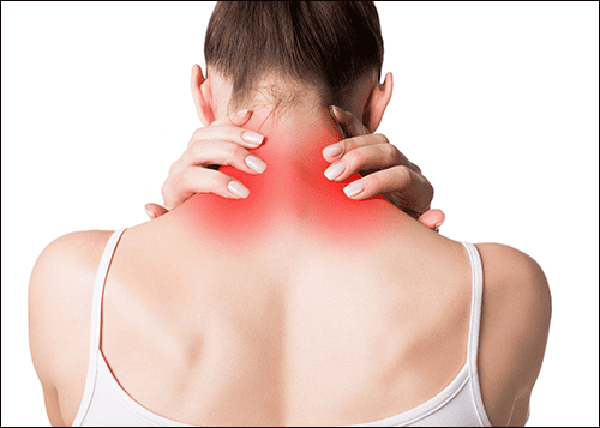
The main sign of Cervical dystonia is turning of the head in different directions like chin toward shoulder, chin straight down, ear toward shoulder, and chin straight up, all due to involuntary contraction of muscles. From all these the most common twisting involved in cervical dystonia is when the chin is pulled towards the shoulder. In certain cases a combination of abnormal head postures is also seen along with the jerking motion of the head. Neck pain radiating to shoulders is also felt by many people suffering from cervical dystonia. This disorder can also result in headaches and all these pains can be disabling and exhausting in cervical dystonia.
Causes of Cervical Dystonia
The exact cause behind cervical dystonia remains unknown in most of the cases. However, family history has been found to be playing a role in certain people affected by this disorder. Specific gene mutations have been linked with cervical dystonia. Sometimes injuries of the neck, head or shoulder can also cause this disorder.
Diagnosis of Cervical Dystonia
Usually the physical examination and clinical history is enough to diagnose cervical dystonia. However in certain cases MRI (Magnetic resonance imaging) or blood tests are done to rule out any other possible condition which can cause similar signs and symptoms.
Treatment for Cervical Dystonia
Conventionally, cervical dystonia is termed as incurable and treatment is given to relieve the signs and symptoms. In such treatment the relapse is common. Usually the medicine used in cervical dystonia is Botulinum toxin which is a paralyzing agent that is injected into the neck muscles.
Ayurvedic Treatment for Cervical Dystonia
As Cervical dystonia is a neurodegenerative disease, hence the Ayurvedic treatment will be of a rejuvenative or rasayana approach. In cervical dystonia the herbal remedies used are Rasayana which provide nutritious effect on the brain and balance the Vata dosha, treating the ailment from root cause.
Herbal Remedies by Planet Ayurveda for Cervical Dystonia
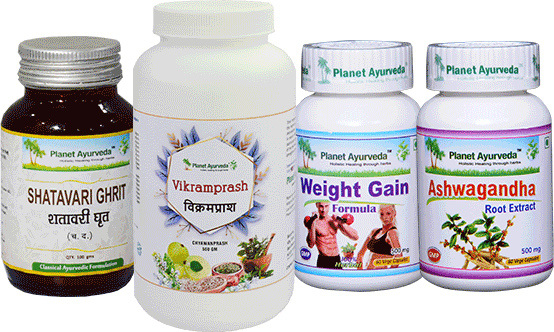
Planet Ayurveda is a known name for its herbal products and medicines throughout the globe. All the herbal remedies manufactured here are authentic and pure. The herbs used in them are genuine and products are free from preservatives, chemicals, fillers, additives, colors, dye and yeast. For cervical dystonia, Planet Ayurveda offers a combination of herbal medicines that help in annihilating the ailment from its root cause.
Products List
- Ashwagandha Capsule
- Brahmi Capsule
- Boswellia Curcumin
- Yograj Guggul
- Aamvatantak Churna
- Giloy Capsule


Products Description
1. Ashwagandha Capsule
Ashwagandha capsules are prepared using single herb from its standardized extract,i.e. Ashwagandha (Withania somnifera) herb. These herbal capsules help in preventing injuries to muscles and nerves, provide them with strength and relieve overall weakness.
Dosage: Take 1 capsule twice after meals with plain water.
2. Brahmi Capsule
Brahmi capsule is prepared using the standardized extract of the herb called Brahmi (Bacopa monnieri). These capsules possess neuroprotective properties which help in preventing any kind of damage to brain and nerves and helps in treating involuntary movements and tremors in neck and head.
Dosage: Take 1 capsule twice daily after meals with plain water.
3. Boswellia Curcumin
This amazing herbal formula is prepared from standardized extract of two therapeutic herbs, i.e. Shallaki (Boswellia serrata) and haridra (Curcuma longa). Boswellia curcumin capsules help in treating the inflammation and symptoms associated with it. They are also termed as herbal pain killers as they help in combating pain present in any part of the body.
Dosage: Take 2 capsules twice daily after meals with plain water.
4. Yograj Guggul
Therapeutic herbs like guggul (Commiphora mukul), Ela (Elettaria cardamomum), Haritaki (Terminalia chebula) Devdaru (Cedrus deodara), Jeeraka (Cuminum cyminum), Pippali (Piper longum), chitraka (Plumbago zeylanica), Mustaka (Citrus rotundus), Ardraka (Zingiber officinale), etc. Yograj guggul helps in preventing tremors and eases the movements of the head and neck.
Dosage: Take 2 tablets twice daily after meals with plain water.
5. Aamvatantak Churna
Aamvatantak churna is a herbal blend consisting of various therapeutic herbs like Haridra (Curcuma longa), Ashwagandha (Withania somnifera), Sonth (Zingiber officinale), etc. This churna consist of therapeutic properties like antioxidant, anti-inflammatory, and analgesic that helps in giving relief from pain.
Dosage: Take 1 teaspoon twice daily after meals with warm water.
6. Giloy Capsule
It is the single herb capsule prepared from Tinospora cordifolia (Giloy). Giloy capsules help to boost immunity that prevent infections and also fight with them to eliminate the causative agents from the body.
Dosage: Take 1 capsule twice daily after meals with plain water.
Conclusion
Cervical dystonia can be treated successfully with the help of the mentioned herbal remedies as they possess a natural ability to treat the symptoms of this disorder. For more details of our products check out our website www.planetayurveda.com and for queries you can send your queries to our email id herbalremedies123@yahoo.com.