August 7, 2026
Best Oral Hygiene Routine Recommended by Dentists for Healthy Teeth
Abstract
A good oral hygiene routine is important for maintaining strong teeth and healthy gums. Oral hygiene includes brushing, flossing, cleaning the tongue, and getting regular dental checkups. The dentist will conduct oral examinations and perform scaling procedures if required. This can prevent plaque build-up, tartar formation, and tooth decay. Diet and lifestyle must also be managed and followed consistently. Various dietary items can damage the enamel structure of the teeth and lead to decay. Several associated health conditions can also impact oral health. Managing systemic health conditions is useful for maintaining good oral hygiene. Proper oral care recommended by dentists and preventive measures should be followed to lead a healthier and happier life.
Statistics for Oral Hygiene
- About 78% of the adult population in India has gum disease.
- Only about 51% of people use a toothbrush and toothpaste to clean their teeth.
- Globally, about 10% of the population has periodontal disease.
- Oral cancer due to tobacco use ranks among the top three most common cancers.
- Nearly 30% of all cancer cases in India are oral cancers.
- 1 out of 4 adults has untreated dental caries.
- On average, most people brush for only 45 seconds.
- About 90% of adults have at least one dental cavity.
Introduction
Oral hygiene, or oral care, is the practice of maintaining strong teeth, healthy gums, and a disease-free oral cavity. It includes daily brushing and flossing, along with routine dental follow-ups. It is a preventive approach that helps reduce the risk of oral diseases such as dental caries, gingivitis, periodontitis, and halitosis. It can also help prevent certain systemic diseases, as oral health is closely linked to overall health and well-being. An increase in the bacterial count in the mouth allows toxins released by these bacteria to enter the bloodstream, potentially contributing to other health conditions. Infections in the oral cavity can also be a contributing factor to systemic diseases.
Signs and Symptoms of Poor Oral Hygiene
- Red, swollen, and bleeding gums
- Bad breath
- Plaque build-up and tooth decay
- Tooth mobility
- Tooth sensitivity and pain
- Tooth stains
Various conditions, including respiratory, cardiovascular, metabolic, renal diseases, and pregnancy-related complications, may also occur. The immune response becomes weakened or compromised, increasing the risk of infections. Proper oral hygiene also involves using appropriate toothbrushes, toothpastes, and mouthwashes. The right products help maintain healthy gums, strong teeth, and fresh breath while ensuring an effective and convenient oral care routine. The use of inappropriate dental products may cause gum problems, tooth sensitivity, xerostomia, enamel erosion, and even allergic reactions to certain ingredients. Therefore, a dentist’s advice is important to avoid damage and to receive recommendations for suitable dental products. Along with proper oral care, dietary modifications should also be made. Limiting sugary, sticky foods, carbonated drinks, and sodas helps protect the enamel layer of the teeth. Lifestyle modifications, including avoiding smoking, alcohol, and tobacco consumption, are also important.
Causes of Poor Oral Hygiene
- Improper Brushing– Harsh brushing with a hard-bristled toothbrush can cause tooth sensitivity and gum disease. Improper brushing techniques can also damage the teeth and gums.
- Diet– A diet high in acidic and sugary foods increases the risk of tooth decay.
- Lifestyle– Tobacco use, smoking, and alcohol consumption can negatively affect oral health. These habits may cause tooth discoloration and periodontal disease.
- Medications– Certain medications, such as antihypertensives, antidepressants, antihistamines, and decongestants, can contribute to poor oral health. They may cause dry mouth (xerostomia), bad breath, or inflammation.
- Other Health Problems– Systemic conditions such as diabetes, heart disease, and pregnancy can affect oral health. These conditions may cause inflammatory changes that lead to gingivitis, xerostomia, or halitosis.
Dentist Recommended Best Oral Hygiene Routine for Healthy Teeth
Good oral hygiene helps protect the teeth and other oral structures, promoting a healthier and brighter smile. Following a dentist’s recommendations helps maintain optimal oral health.
The Rule of 7 in Dentistry
The Rule of 7 emphasizes the importance of comprehensive oral care in maintaining strong teeth and healthy gums. It reminds us that oral health is multifaceted and requires consistent care and attention.
- Flossing
- Brushing
- Diet
- Avoiding tobacco
- Use of fluoride
- Regular dental checkups
- Management of other health conditions
By understanding these seven principles, individuals can adopt a balanced approach to maintaining good dental health.
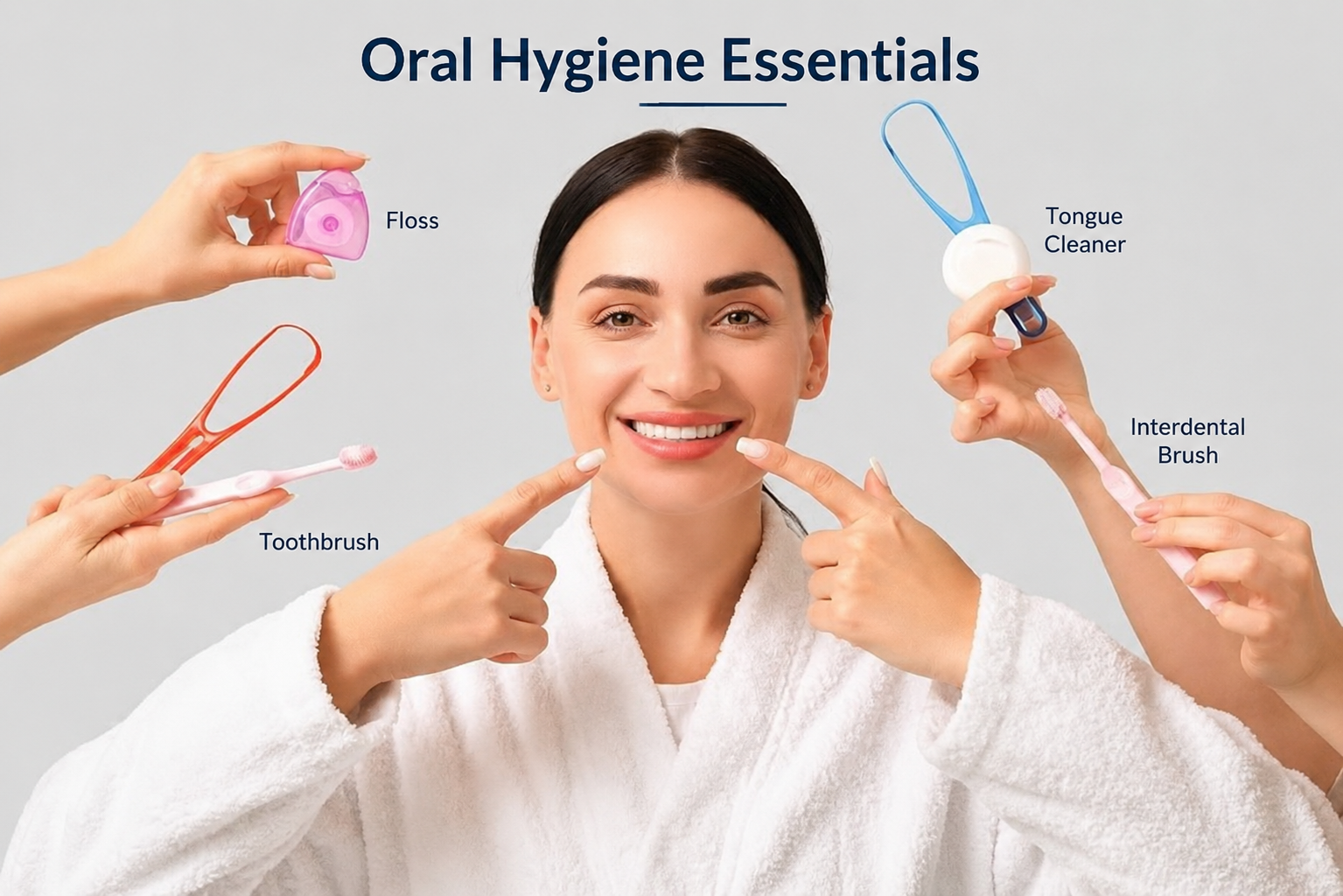
- Flossing once a day– Flossing removes trapped food particles and plaque from the spaces between the teeth. It cleans areas that toothbrush bristles cannot reach, helping prevent gum irritation, inflammation, bleeding, and swelling. It also removes sugars and acids that contribute to enamel demineralization. Use approximately 18–24 inches of dental floss. Wrap it around the middle fingers and gently slide it between the teeth. Water flossers are also available and offer an effective and convenient alternative.
- Brushing twice a day– Brushing twice daily helps prevent plaque, tooth decay, stains, and bad breath. It removes food debris, protects the gums, preserves enamel, and freshens the breath. Always use a soft-bristled toothbrush. Brush twice daily—once in the morning and once before bedtime—for at least 2 minutes each time. Hold the toothbrush at a 45-degree angle toward the gumline and use gentle circular motions instead of aggressive back-and-forth strokes. Electric toothbrushes provide more effective cleaning through vibrating and rotating movements with less manual effort. People wearing dental appliances can benefit from interdental brushes, which help clean around orthodontic appliances.
- Diet– Diet has a direct impact on oral health. Frequent consumption of sugary, starchy, and acidic foods and beverages damages tooth enamel and increases the risk of tooth decay and bacterial growth in the mouth. Consume dairy products and crunchy fruits and vegetables such as apples, pears, carrots, and celery. These foods stimulate saliva production and naturally help freshen the breath. Drink plenty of water to prevent dry mouth.
- Lifestyle factors– Lifestyle habits such as tobacco use, smoking, and excessive alcohol consumption can cause tooth staining, gum disease, and even oral cancer. These habits may also lead to xerostomia and halitosis. They weaken the body’s immune response, increasing the risk of infections and inflammatory conditions. Tar and nicotine found in tobacco products cause brownish-black stains on the teeth and slow wound healing. Smoking reduces blood supply to the gums, contributing to tooth loosening. Alcohol irritates the soft tissues lining the mouth and promotes inflammation.
- Use of Fluoride– Fluoride is a mineral that strengthens and protects tooth enamel. It helps prevent dental caries, promotes enamel remineralization, and reduces tooth sensitivity. Fluoride works by replacing minerals lost from the enamel and increasing resistance to acid attacks, thereby slowing the progression of tooth decay. Fluoridated toothpaste is recommended for individuals at increased risk of dental caries or those with weakened enamel. Dentists may also apply topical fluoride treatments to strengthen enamel. Community water fluoridation helps prevent fluoride deficiency. Fluoride concentrations up to 4.0 mg/L are considered safe under many regulatory standards, although the optimal level for preventing tooth decay is generally much lower (around 0.7 mg/L).
- Regular dental checkups– Regular dental visits allow early detection of dental caries, professional plaque removal, and screening for oral cancer. Early diagnosis helps prevent complications. Scaling and polishing are generally recommended every 6 months to maintain good oral health. Individuals with periodontal disease may require more frequent professional cleaning depending on the severity of their condition.
- Management of other health conditions– Managing systemic health conditions is important for maintaining good oral hygiene. This includes controlling diabetes, preventing xerostomia, and addressing cardiovascular diseases. Systemic diseases can affect oral tissues and contribute to poor oral health. People with diabetes should maintain good blood glucose control to reduce the risk of gum disease and delayed wound healing. Xerostomia may result from medications such as antihypertensives and antidepressants. Some heart conditions may increase the risk of oral complications, and bacteria from oral infections can enter the bloodstream under certain circumstances. Therefore, systemic diseases should be appropriately managed. During pregnancy, hormonal changes can increase inflammatory responses, leading to pregnancy gingivitis or pregnancy granulomas.
Conclusion
Maintaining good oral hygiene is essential for healthy teeth and gums. Daily preventive measures should be consistently followed to reduce the risk of serious oral health problems. Early signs and symptoms should never be ignored. Regular dental visits help keep the oral cavity healthy and disease-free. Oral health is closely linked to overall health and well-being. It is more important than many people realize. Maintaining proper oral hygiene contributes significantly to general health, overall well-being, and quality of life.

Dr. Vikram Chauhan
https://www.planetayurveda.comDr. Vikram Chauhan (MD - Ayurveda) is a Globally Renowned Ayurveda Physician with Expertise of more than 25 Years. He is the CEO & Founder of http://www.PlanetAyurveda.com, a leading Ayurveda Brand, Manufacturing, and Export Company with a Chain of Clinics and Branches in the US, Europe, Africa, Southeast Asia, India, and other parts of the World. He is also an Ayurveda Author who has written Books on Ayurveda, translated into Many European Languages. One of his Books is "Ayurveda – God’s Manual for Healing". He is on a Mission to Spread Ayurveda All Over the Planet through all the Possible Mediums. With his Vast Experience in Herbs and their Applied Uses, he is successfully treating Numerous Patients suffering from Various Ailments with the help of the Purest Herbal Supplements, Diet, and Lifestyle, according to the Principles of Ayurveda. For More Details, visit - www.planetayurveda.com, www.alwaysayurveda.com
View more posts from this author