Author: Dr. Vikram Chauhan

AYURVEDIC ALTERNATIVE OF METFORMIN / GLUCOPHAGE

ABSTRACT

Diabetes is one of the most challenging lifestyle disorders in the present era. It is a condition where the body cannot properly control blood sugar, leading to high glucose levels in the blood. It can cause fatigue, excessive thirst, frequent urination, and long-term complications if not managed. Metformin is a commonly prescribed oral medicine for type 2 diabetes. It works by reducing sugar production in the liver and improving the body’s response to insulin. It is often the first choice for doctors worldwide in managing type 2 diabetes. Though it provides temporary control it often leads to various side effects. Ayurveda however offers a timeless, holistic, and side-effect-free solution. The goal of Ayurveda is not merely to lower glucose but to restore complete metabolic harmony (Dhatu Samya).
 

INTRODUCTION

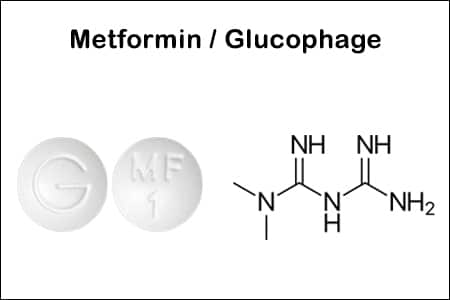
Metformin is an anti diabetic drug that is commonly used for the management of diabetes. It is a biguanide drug that is a first choice medication in case of diabetes. It is commonly prescribed as monotherapy or in combination with other drugs. It is available as both immediate and extended release formulations. It does not stimulate pancreatic β cells. It also improves lipid profile in type 2 diabetic patients. Its absorption mainly occurs in the intestine and the presence of food affects the rate of absorption. Glucophage:  It is the brand name for metformin. It is most commonly prescribed in type 2 diabetes. It is taken 2-3 times in a day. Other brand names are Fortamet, Glumetza, Metabet, Diagemet.

MODE OF ACTION

  • The mechanism involves activation of AMPK enzyme (Adenosine monophosphate activated protein kinase).
  • It suppresses gluconeogenesis from the liver and prevents glucose output from the liver.
  • It enhances insulin mediated glucose uptake and disposal in skeletal muscle and fat.
  • Metformin reduces intestinal absorption of glucose.

INDICATION

  • Type 2 Diabetes
  • Antipsychotic-induced weight gain (AIWG)
  • Gestational Hypertension
  • Oligomenorrhea due to PCOS

CONTRAINDICATION

  • Severe renal dysfunction
  • Hypersensitivity reactions
  • Hepatic impairment
  • Heart disorders
  • Diabetic ketoacidosis
  • Hypotension

ADVERSE EFFECTS

  • Diarrhea
  • Nausea and vomiting
  • Chest discomfort
  • Headache
  • Lactic acidosis
  • Abdominal pain
  • Malaise and weakness

In Ayurveda, Diabetes type 2 correlates with Madhumeha which is one of the 20 types of prameha. It is primarily a Vata-predominant metabolic disorder caused by derangement of Kapha and Meda (fat tissue) leading to Agnimandya (weak digestion) and improper Meda-Dhatu (fat body tissue) metabolism. Over time, this also results in Ojas Kshaya (depletion of vital essence). There are various drugs that are used in the management. Some of them are:

Gurmaar

  • Gurmaar or Gymnema slyvestre is known as Gurmaar which means sugar destroyer. Gymnemic acids in it block sugar absorption in the intestine and stimulate insulin secretion. It exhibits inhibitory effects on the levels of plasma glucose.
  • It temporarily suppresses the sweet taste sensation on the tongue and reduces sugar cravings.
  • Chewing its leaves daily is very beneficial for diabetic patients.

 Vijaysar

  • Pterocarpus marsupium or vijaysar is an Ayurvedic herb known for its anti-diabetic properties that help regulate blood sugar. It helps in managing diabetes (Madhumeha) by enhancing insulin sensitivity and reducing blood sugar levels. It increases cAMP content of the islets which helps in increasing insulin release and conversion of proinsulin to insulin.
  • बीजक: कुष्ठविसर्पश्वित्रमेहगुदकृमिन।।    (भावप्रकाश)

It means बीजक (Pterocarpus marsupium ) is used in diabetes (मेह).

  • Its heartwood decoction is very effective in Diabetes Type II. Drinking water kept in vijaysar bark wood glasses in the morning helps to keep blood sugar levels in control.

   Methika

  • Trigonella foenum-graecum or fenugreek is widely used in diabetes mellitus. An amino acid (4-hydroxyisoleucine) is found in fenugreek which contains the anti-diabetic properties.
  • It contains alkaloids like trigonelline, gentianine, carpaine and is rich in soluble fiber (galactomannan). It increases glucose uptake by peripheral tissues (muscle and fat), enhancing insulin receptor activity.
  • Taking its seeds or seed powder daily is beneficial in diabetes.

    Jambu

  • Syzygium cumini or jamun is widely used to manage diabetes. Its seeds are mostly used in hyperglycaemia and polyuria. It contains bioactive compounds like jamboline, jambosine, ellagic acid, and anthocyanins which helps to regulate blood sugar levels.
  • It has jamboline which slows down starch conversion into sugar in the intestines.
  • 300mg – 1gm powder of its dry seeds helps to stop the release of sugar in urine.

Karvellak

  • Momordica charantia or karela is also one of the most well known herbs used in diabetes. Its active constituents like charantin, polypeptide-p, vicine, and momordicin helps in stimulating insulin secretion, improving glucose uptake by cells, and inhibiting glucose production in the liver.
  • It is Kleda shoshaka (reduces excess fluid), Medohara (reduces fat) and Rakta prasadaka (improves blood quality).
  • Its fresh fruit juice is beneficial in diabetes and cooked fruit can also be used.

    Saptarangi

  • Salacia chinensis or saptarangi has active component Salacinol which is a unique thiosugar sulfonium compound that inhibits intestinal α-glucosidase enzyme thus reducing postprandial glucose absorption and the kotalanol helps to delay carbohydrate digestion and glucose absorption.
  • It reduces the urine output and regulates blood sugar levels. Its root powder twice daily is effective to manage diabetes.

    Shilajit

  • Shilajit or Asphaltum punjabinum is a sticky blackish compound and is rich in many bio active compounds.
  • It helps to regulate blood sugar levels by enhancing the body’s response to insulin and the fulvic acid in it enhances mitochondrial function and this further increases glucose metabolism and thus benefits the diabetic person by promoting better energy balance and glucose management.
  • It is considered as Rasayana (Rejuvenator) in ayurveda and as diabetes often causes weakness and fatigue, Shilajit helps to restore energy.

    PLANET AYURVEDA’S PRODUCTS

    Planet Ayurveda is a reputed herbal manufacturing company that provides pure, natural and authentic Ayurvedic products formulated on the foundation of ancient wisdom and produced under modern quality standards. All the products are prepared in compliance with strict GMP (Good Manufacturing Practice) guidelines. Products are formed under the supervision of MD doctors and following all the principles of ayurveda.

    Planet Ayurveda offers various formulations that have verified results in Diabetes and we will discuss some of the products:-
    Combo Pack
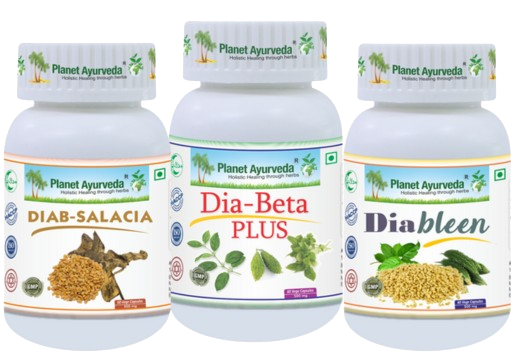

DIA-BETA PLUS

It is a capsule formulation of Planet Ayurveda. Its main ingredients are Gurmaar (Gymnema slyvestrae), Karela (Momordica charantia), Vijaysar (Pterocarpus marsupium), etc. which are known for their potent action in Prameha (Diabetes). It enhances the body’s ability to utilize glucose. It promotes pancreatic beta-cell regeneration, reduces blood sugar. It specifically acts on Medo dhatu (Fat body tissue) and Kapha dosha which are primarily involved in Prameha (Diabetes).

Dosage – 1-2 capsules twice a day with plain water ½ hour before meals.

DIAB SALACIA

It is another capsule formulation of Planet Ayurveda. Its ingredients are Saptarangi (Salacia chinensis) and Fenugreek (Trigonella foenum-graecum ). Its active constitution includes Salacinol, kotalanol which inhibits intestinal α-glucosidase enzymes. It enhances insulin sensitivity, regulates lipid metabolism, and protects pancreatic β-cells from oxidative stress.

Dosage – 1-2 capsules twice a day with plain water after meals.

DIABLEEN CAPSULES

It is also a capsule formulation of Planet Ayurveda which is very beneficial in Diabetes. It consists of Methika (Trigonella foenum-graecum), Gurmaar (Gymnema slyvestre), Jambu (Syzygium cumini), etc. Its active compounds like Trigonelline, gymnemic acid and ellagic acid are responsible for the anti-diabetic property. Tikta (bitter), Kashaya (astringent) rasa (taste) and Ruksha (Dry), Laghu (light) properties reduce Kapha Dosha and Medo (fat) Dhatu (tissue) and normalize sugar metabolism.

Dosage – 1-2 capsules twice a day with plain water  after meals.

CONCLUSION

Metformin is a widely used modern medicine for type 2 diabetes, providing rapid and effective blood sugar control through reduction of hepatic glucose production and improved insulin sensitivity. However it primarily manages symptoms and may cause side effects like gastrointestinal upset and vitamin B12 deficiency. Ayurveda, on the other hand, approaches diabetes (Prameha) holistically, focusing on balancing Kapha Dosha and Medo (fat) Dhatu (tissue), enhancing Agni (metabolic fire), and improving overall metabolism. Herbal remedies like Gudmar (Gymnema sylvestre), Vijaysar (Pterocarpus marsupium), Fenugreek (Trigonella foenum-graecum) support blood sugar regulation naturally. Ayurvedic management addresses root causes, promotes lifestyle changes, and has minimal side effects. Ayurveda offers a safe, natural, and holistic alternative while Metformin provides rapid symptomatic relief.
Natural Ayurvedic Substitute for Amoxicillin

ABSTRACT

Have you ever wondered what really happens when you catch an infection? It’s like an invisible battle inside the body. Tiny invaders such as bacteria, viruses, or fungi sneak into our body, multiply, and start causing trouble. Our immune system tends to fight back that leads to fever, swelling and overall feeling of being unwell. Then comes the role of antibiotics which fights those invaders and our body becomes disease free, such an antibiotic is Amoxicillin. This well-known antibiotic belongs to the penicillin family. Because of its broad-spectrum power, it’s used to treat a wide range of infections like sore throats, ear infections, chest, urinary, and skin infections, etc. However, overusing it can make bacteria smarter and stronger, leading to antibiotic resistance and many side effects.  Now you may wonder about its solution. And the solution is simple, use of something that is safe, natural, free of side effects and equally potent. And that something is what Ayurveda offers. So let’s discuss in detail about amoxicillin and its safer alternatives.

Amoxicillin 500

INTRODUCTION

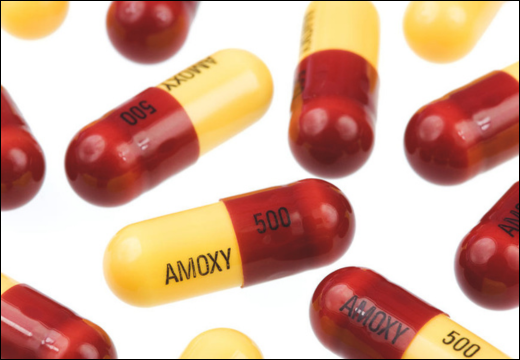
Amoxicillin is a broad-spectrum β-lactam antibiotic belonging to the penicillin class. It is one of the most widely prescribed antibiotics due to its effectiveness and versatility in treating bacterial infections and particularly in respiratory tract infections. Chemically, it is a semisynthetic derivative of penicillin, developed to overcome the limitations of penicillin such as acid instability and narrow antibacterial range.

It is effective against a wide range of Gram-positive and Gram-negative organisms, including Streptococcus, Staphylococcus, Haemophilus influenzae, Escherichia coli and Helicobacter pylori. Amoxicillin is commonly prescribed for infections of the ear, nose, throat, respiratory tract, urinary tract and skin. Its oral absorption is better and food also does not interfere with the absorption. It is not degraded by gastric acid.

MODE OF ACTION

Amoxicillin is a member of the beta-lactam class of antibiotics. These beta-lactams attach to penicillin-binding proteins, blocking transpeptidation, which is an essential process in bacterial cell wall synthesis that forms cross-links. By doing so, they trigger autolytic enzymes within the bacterial cell wall, leading to its breakdown and the death of the bacterial cell. This process is referred to as bactericidal activity.

Amoxil is the brand name of antibiotic amoxicillin that is used to treat various infections. It is available with prescription only. It is used in ENT infections, dental infections, respiratory infections, urinary infections and in case of H. Pylori bacteria.

Moxatag is an extended release formulation of penicillin antibiotic amoxicillin. It is used to treat tonsillitis, pharyngitis that is caused by Streptococcus pyogenes in adults and children above 12 years.

INDICATIONS

  • Bronchitis
  • In penicillin resistant Streptococcus pneumoniae.
  • Urinary Tract Infections (UTIs)
  • Subacute Bacterial Endocarditis (SABE)
  • Gonorrhea

CONTRAINDICATIONS

  • Allergy to penicillin or cephalosporin
  • History of antibiotic associated colitis
  • Pregnancy or breastfeeding (can be taken under expert supervision)
  • Severe Kidney disorders
  • Liver dysfunction
  • Less active against Shigella and H. influenzae

ADVERSE EFFECTS

  • Allergic reactions
  • Severe diarrhoea
  • Fever
  • Severe or prolonged vomiting
  • Liver or Kidney issues
  • Yeast infection

Today, the widespread overuse and misuse of antibiotics have led to growing antibiotic resistance so, the holistic approach is used to manage infectious diseases. Ayurveda provides a natural and effective alternative, focusing on enhancing the body’s inherent defense mechanisms rather than relying solely on antibiotics. According to Ayurvedic principles, infections arise due to an imbalance in the Doshas—primarily Pitta and Kapha—combined with the accumulation of Ama (toxins). Instead of directly attacking bacteria like Amoxicillin does, Ayurveda works by strengthening Agni (digestive or metabolic fire) and Ojas (immunity), helping the body eliminate toxins and control microbial overgrowth naturally.

Some of the Ayurvedic herbs that have anti inflammatory, anti oxidant, antihelmintic, anti viral properties are mentioned as below:

Haridra

  • Haridra or Turmeric (Curcuma longa) is commonly available in every home. It contains Tikshana guna (Sharp properties), Ushana virya (hot potency) and Tikta rasa (bitter taste) and is used in various respiratory conditions.
  • It helps in liquefaction and expulsion of thick mucus from airways and hence clears air passages, eases breathing and reduces cough congestion.
  • Its fumes are useful in bronchial asthma, cough, cold, hiccoughs, etc.

Tulsi

  • Tulsi or Ocimum sanctum also known as Holy Basil is one of the most important drugs in Ayurveda and is known for its wide ranging therapeutic properties.
  • It is described as ‘bhutaghni’ (भूतघ्नि) i.e. herb that ward off infections, microorganisms, or negative energies. Its leaves contain ursolic acid, apigenin, luteolin, etc. and essential oil contains eugenol, carvacrol, nerol and eugenolmethylether. Ursolic acid exhibits protection of mast cell membrane by preventing granulation and decreased histamine release.
  • The leaf and seed are used in rhinitis and influenza. In cough, its leaves juice along with black pepper powder is very helpful.

Yashtimadhu

  • Yashtimadhu or Glycyrrhiza glabra also known as licorice is widely used in respiratory, digestive, and infectious disorders.
  • It is used in bronchitis, respiratory infections, genito urinary diseases, urinary tract infections, chronic gastritis etc. by the action of its constituents like glycyrrhizin, glycyrrhetinic acid, lignans, etc.
  • Sucking a piece of liquorice root controls coughing, hoarseness of voice and it is also used as decoction to clear air passages.

Vasaka

  • Vasa or Adhatoda vasica is very effective in respiratory disorders. Its active alkaloids like vasicine and vasicinone provide bronchodilatory and antitussive (cough suppressing) properties.
  • It dilutes the phlegm and helps in its release from the body. It is helpful in asthmatic patients as it inflates air passages thus allowing them to breathe easily.
  • The juice of its fresh leaves along with honey is beneficial in old cough, bronchial asthma and tuberculosis.

Trikatu

  • It consists of three bitter herbs namely Maricha (Piper nigrum), Pippali (Piper longum), Shunthi (Zingiber officinale). It calms down the increased Vata and Kapha. It has pungent (katu) taste, hot (ushna) potency, light (laghu) and dry (ruksha) quality, and digestive (Amapachaka) therapeutic effect.
  • It is effective in respiratory problems due to bronchodilator properties. It also reduces the production of phlegm. Its efficacy is due to its active constituents like piperine, gingerol, etc.
  • Its 2-3 gram powder along with honey and ghee provides relief in bronchitis, cough, cold and bronchial asthma.

Some of the formulations used in Respiratory System diseases are:

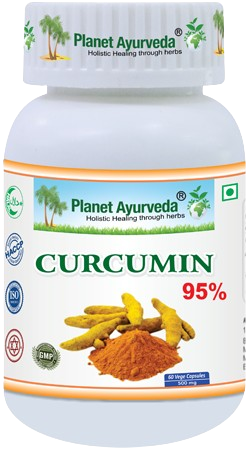
PLANET AYURVEDA’S CURCUMIN 95% CAPSULES

Planet Ayurveda is a well-known Ayurvedic company based in India, specializing in natural herbal supplements formulated by MD Ayurveda experts. One of our prominent products is the Curcumin 95% Capsules, which are formed to get maximum benefits of turmeric’s active compound, Curcumin. It is a capsule formulation and is free from any kind of preservatives, colour, additives, chemicals, starch, yeast, etc. It is safe to use and is free from any side effects. The curcuminoids in curcumin are anti-inflammatory, blood purifier, antiprotozoal and carminative. It helps in controlling upper and lower respiratory tract infections thus reducing bacterial load and infection-induced inflammation and it also strengthens immunity against recurrent infections and modulates hypersensitivity reactions seen in allergic rhinitis and asthma.

                                                               CURCUMIN 95% CAPSULES

Its  Dosage is 1-2 capsules twice a day with plain water after meals.

CONCLUSION

Modern medicine relies heavily on antibiotics to combat bacterial infections. However, their overuse and misuse have led to severe challenges such as antibiotic resistance, gut flora imbalance, and recurrent infections. However, Ayurveda, the ancient Indian system of medicine, offers natural alternatives through herbs (Dravyas), formulations (Aushadhis), and lifestyle principles (Dinacharya & Ritucharya) that enhance the body’s inherent defense mechanism. While antibiotics remain vital for acute and life-threatening infections, their overuse has highlighted the need for alternative, holistic, and sustainable solutions. Ayurveda offers a profound preventive and curative approach by enhancing natural immunity, detoxifying the system, and addressing the root cause of infection. Herbs like Tulsi, Haridra and Guduchi are nature’s own antibiotics — safer, synergistic, and body-friendly. Therefore, Ayurveda is a powerful alternative in the era of antibiotic resistance.