Author: Dr. Vikram Chauhan

Ayurvedic Treatment of Levator Ani Syndrome

Abstract

Pelvic floor disorders occur due to dysfunctional muscles which mostly result when the muscles are either too relaxed or too tight. Levator ani syndrome results when non-relaxing pelvic muscles are not functioning properly and cause rectal pain which can become unbearable at some point. After the confirmation of the syndrome, you should plan your treatment according to the root cause of the ailment. Depending on self-medication and temporary suppressors can even cause long-term side effects with temporary relief. Hence, here we have discussed the alternative mode of natural management of the disease with the traditional method of healing.
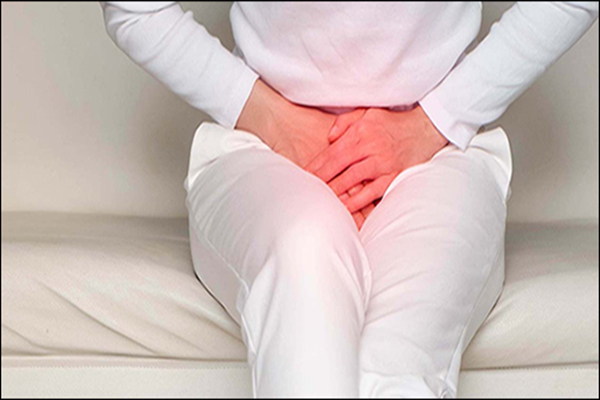
Levator Ani Syndrome

Introduction

Levator ani syndrome which is also termed piriformis syndrome or pelvic tension myalgia; is usually a long-term pelvic floor dysfunction condition characterized by spasmodic episodes of pain in the rectum and anus region. A person feels dull aching pain caused due to spasms in the levator ani muscle which gets worse by sitting for a long duration and disappear while laying down or walking. It has been estimated that 7.4 percent of women and around 5.7 percent of men get affected with levator ani syndrome. This is more prevalent in individuals aging between 30-60 years of age.

What are the Signs and Symptoms of Levator Ani Syndrome?

Generally, symptoms may vary from one individual to another and the severity of the condition. Moreover, which may get aggravated by stress, trauma, sexual intercourse, surgical phenomenon, defecation, etc. The signs and symptoms may be ongoing and highly impact the quality of life. Here are some of the symptoms listed below-

  • Severe Pain– Periodic episodes of rectal pain which can continue for hours and even for days; usually gets triggered while sitting or lying down. This rectal pain sometimes gets radiated to groins or thighs while in men pain may spread to testicles, Penis tip, and prostate.
  • Urinary and Bowel Problems– An affected person may experience difficulty in passing stool which can lead to constipation and bloating also. The individual may also feel the need to urinate frequently along with pain in the bladder while urinating.

What are the Causes of Levator Ani Syndrome?

Specific causes of Levator ani syndrome are not yet clearly understood and researched but certain factors can contribute to the onset of this syndrome.

  • Interstitial cystitis, Irritable bowel syndrome (IBS), and Endometriosis.
  • Painful sexual intercourses or sexual abuse
  • Previous injury in the pelvic floor from surgery or trauma
  • Vaginal atrophy
  • Inflammation and chronic tension in pelvic floor muscles

How is Levator Ani Syndrome Diagnosed?

The procedure for identification of Levator Ani Syndrome is often termed as “Diagnosis of exclusion” as the analysis is done to exclude other disorders. These clinical tests include blood tests, imaging tests, and endoscopic processes. Usually, this gets misdiagnosed as prostatitis in males due to similarities in symptoms. Levator Ani Syndrome is suspected in an individual if the person reports tenderness in levator muscle and recurrent episodes of rectal pain which lasts for more than 15 minutes.

What are the Treatments Available for Levator Ani Syndrome?

Undoubtedly science is moving forward at a fast pace and modern medicine has provided different ways to loosen the tension in pelvic floor muscles. Here are some most popular ways given below-

  • Tricyclic antidepressants
  • Physical therapies like heat and massage
  • Muscle relaxants like gabapentin or pregabalin
  • Corticosteroids or Botox
  • Acupuncture or nerve stimulation procedures
  • Sitz Bath

What is the Alternative Ayurvedic Treatment Given by Planet Ayurveda for Levator Ani Syndrome?

According to Ayurvedic principles, Levator Ani Syndrome is caused due to vitiated Vyana Vata which results in spasm of muscles (Khalli vata). Generally, muscular spasms result from the deposition of Ama (Metabolic waste/toxins) in nerve endings and muscle tissues. Ayurvedic treatment involves herbal remedies for the elimination of the root cause of the disease. Planet Ayurveda is offering the best quality herbal supplements for the management of Levator Ani Syndrome.

Herbal Supplement for Levator Ani Syndromebuy-now

Product Description

1. Avipattikar Churna

Avipattikar churna is an amazing herbal blend of numerous herbs i.e. Baheda (Terminalia bellirica), Ginger powder (Zingiber officinale), Haritaki (Terminalia chebula), Vidanga (Embelia ribes), Clove (Syzygium aromaticum), Tejpatta (Laurus nobilis), Amla (Emblica officinalis), Peepal (Ficus religiosa), Nisoth (Operculina turpethum), Black pepper (Piper nigrum), etc. It provides effective results in constipation, indigestion, and various urinary problems. All these herbs show anti-inflammatory, carminative, antacid, and diuretic properties which makes it a perfect natural remedy.

Dosage– 1 teaspoon thrice 10 mins before a meal with warm water

2. Yograj Guggul

These tablets contain traditional herbs like Shudh guggul (Commiphora mukul), Amalaki (Emblica officinalis), Haritaki (Terminalia chebula) and Chitraka (Plumbago zeylanica), etc. Yograj Guggul provides strength to muscles, anti-inflammatory effect, and maintains healthy digestion.

Dosage– 2 tablets twice a day with warm water after meals.

3. Arogyavardhini Vati

This is another classical herbal formulation from Planet Ayurveda containing Ayurvedic herbs like Shudh guggul (Commiphora mukul), Amalaki (Emblica officinalis), Baheda (Terminalia bellirica), Kautki (Picrorhiza kurroa), and Chitrakmool (Plumbago zeylanica). Arogyavardhini vati helps to maintain the healthy digestive system, boosts our immune system and promotes a rejuvenating effect.

Dosage– ½ tablet twice a day with plain water.

4. Navkarshik Churna

Navkarshik churna is very beneficial in detoxification, relieves constipation, and boosts our immune system naturally. This is composed of many medicinally important herbs like Amalaki (Emblica officinalis), Haritaki (Terminalia chebula), Kautki (Picrorhiza kurroa), Baheda (Terminalia bellirica), Manjishtha (Rubia cordifolia), Neem (Azadirachta indica), Giloy (Tinospora cordifolia), Daru Haldi (Berberis aristata) and Vacha (Acorus calamus).

Dosage– 1/2 teaspoon twice a day with warm water.

5. Dhanwantharam Thailam

Dhanwantharam Thailam is an ayurvedic oil that is efficient in clearing blockages and improves circulation in the body. It possesses relaxant herbs like Balamoola (Sida cordifolia), Barley (Hordeum vulgare), Kola (Ziziphus jujuba), Bilva (Aegle marmelos), Shyonaka (Oroxylum indicum), Patala (Stereospermum suaveolens), Gambhari (Gmelina arborea), Gokshura (Tribulus terrestris), etc. This oil helps reduce pain, muscle cramps, and swelling in the affected area.

How to Use– Apply locally after warming up the oil and then give a hot sensation over the muscular area.

6. Ashwagandha Capsules

Ashwagandha capsules are a single herb formulation made up of Indian ginseng i.e. Ashwagandha (Withania somnifera). This Ayurvedic herb strengthens muscles, rejuvenates, and provides vitality all over the body.

Dosage– 1 capsule twice after meals with plain water.

Conclusion

Levator ani syndrome can turn into a chronic condition as there is no permanent cure but with proper management, time, and holistic mode of treatment, the symptoms can become less severe. It is very important in any ailment to search for the root cause rather than popping pills for temporary comfort.

Treatment and Prevention of Seborrheic keratosis

Abstract

Skin care holds prime importance in day to day life. Due to the environmental changes, the most affected part is our skin which ultimately escorts its way towards occurance of the diseases. There are so many diseases like psoriasis, acne, seborrheic keratosis, leprosy, urticaria, scarring of skin and various others. In today’s article we will discuss seborrheic keratosis and its management with ayurveda in detail.

Introduction

Seborrheic keratosis can be described as a common non-cancerous growth of skin cells. Usually Seborrheic keratosis is black, brown or light tan in color. This growth appears scaly, waxy and little raised. More often this disease can develop at the chest, neck, head or the back. The occurrence of this disease is mostly observed in people with passing age. Seborrheic keratosis is a non-communicable disease and not harmful. There is no pain felt in this condition but Seborrheic keratosis can irritate you in clothing and skin appearance.

Seborrheic keratosis

Symptoms

Seborrheic keratosis is a wart-like or waxy growth on the skin. More commonly it can be seen in the areas of the chest, back, shoulder or face.

Some Major Symptoms of Seborrheic keratosis are

  1. Itching
  2. Can vary from light tan to black or brown color
  3. Oval or round shapes
  4. “Pasted on” look
  5. Can range from very tiny to 2.5 centimeter in size
  6. Flat or little raised containing a scaly surface

Causes

The exact cause of Seborrheic keratosis is not clear yet. Doctors assume that it may be the result of genetic factors and can run into family generations. Also the people over 50 years of age are at high risk of being affected with Seborrheic keratosis or the people having family history of Seborrheic keratosis can become prone to this disease easily.

Diagnosis

When you visit a doctor’s clinic, the doctor may diagnose Seborrheic keratosis just by seeing it. To detect the reason behind Seborrheic keratosis, the doctor may remove it to examine under a microscope.

Treatment

Treatment or prevention of Seborrheic keratosis is very easy by following the Ayurvedic system of medicines. Ayurvedic medicines are prepared with herbs only which contain the potency to heal any health issue in a natural manner. So, it is advised to recover your skin health by Seborrheic keratosis with the help of Ayurvedic medicines.

To treat your Seborrheic keratosis, a well-known herbal manufacturing company Planet Ayurvedaformulated some marvelous herbal remedies with standardized extract of some very effective herbs. All herbal remedies of Planet Ayurveda are completely natural and treat the disease in a natural manner. No preservative, color, chemical, additive or any artificial material is added in these herbal remedies as these remedies are prepared under guidance of Ayurvedic experts. Take a look at these wonderful herbal remedies.

Treatment of Seborrheic keratosis

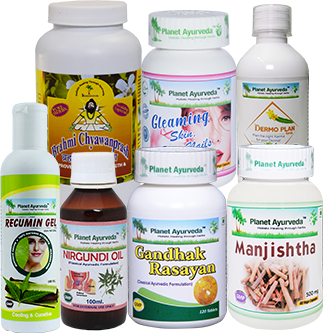
Seborrheic keratosisHerbal Remedies By Planet Ayurveda

  1. Manjishtha Capsules
  2. Gandhak Rasayan
  3. Gleaming Skin Hair Nails Formula
  4. Brahmi Chyawanprash
  5. Dermo Plan Syrup
  6. Nirgundi Oil
  7. Recumin Gel

Product Description

1. Manjishtha Capsules

Planet Ayurveda manufactured Manjishtha capsules with pure extract of Manjishtha (Rubia cordifolia) herb which is very beneficial in enhancing the health of skin, and protecting it from various skin ailments. Along with that, these capsules will prevent the disorders of blood, herpes, wound, diabetes, vaginal disorders, and strengthen the immune system.

Dosage: 2 capsules two times daily with normal water after meals.

2. Gandhak Rasayan

The best quality extract of Shuddh Gandhak (Purified sulfur) is used to prepare Gandhak Rasayan tablets in the house of Planet Ayurveda. Gandhak Rasayan tablets will improve the quality of the skin, boost the health of reproductive organs in females, and improve overall health.

Dosage: 2 capsules two times daily with normal water after meals.

3. Gleaming Skin Hair Nails Formula

Gleaming skin, hair, nails formula made by Planet Ayurveda consists of best quality extract of herbs such as Ghrit Kumari (Aloe barbadensis), Sariva (Hemidesmus indicus), Pit Papda (Fumaria officinalis) and Manjishtha (Rubia cordifolia). All these herbs work in a synergistic manner to sooth the health of skin, hair and nails by providing them protection from numerous disorders. Seborrheic keratosis can be easily managed with these capsules.

Dosage: 2 capsules two times daily with normal water after meals.

4. Brahmi Chyawanprash

Brahmi Chyawanprash is a well known herbal remedy for improving overall body functions and inhibiting a large number of diseases which can harm health. Planet Ayurveda’s Brahmi Chyawanprash includes standardized extract of 28 herbs like Brahmi (Bacopa Monnieri), Bala (Sida Cordifolia), Shatavari (Asparagus Racemosus), Punarnava (Boerhavia diffusa), etc. Potency of 28 health beneficial herbs are present in single formulation whose consumption will be very advantageous for your health.

Dosage: 2 teaspoon two times daily with milk after meals.

5. Dermo Plan Syrup

Planet Ayurveda’s Dermo Plan syrup is formulated with Manjishtha (Rubia cordifolia), Giloy (Tinospora cordifolia), Sariva (Hemidesmus indicus), Haridra (Curcuma longa), etc. Consumption of Dermo Plan syrup will help you in treating Seborrheic keratosis and preventing various ailments related to skin.

Dosage: 1 teaspoon twice daily after meals.

6. Nirgundi Oil

  • Kalihari (Gloriosa superba)
  • Haridra (Curcuma longa)
  • Nirgundi (Vitex negundo)
  • Tila oil (Sesamum indicum)
  • Manjishtha (Rubia cordifolia).

Nirgundi oil is very favorable for healing the marks and scars of skin. In Seborrheic keratosis, Nirgundi Oil will restore the external health of skin while other herbs will show their action internally.

Dosage: Apply Nirgundi oil over the affected area two times daily.

7. Recumin Gel

Recumin Gel formulated in the manufacturing unit of Planet Ayurveda consists of

  • Neem (Azadirachta indica)
  • Common Jasmine (Jasminum officinale)
  • Sesame (Sesamum indicum)
  • Guggul (Commiphora mukul).

All these herbs are well described in Ayurvedic literature for their multiple medicinal properties. In this gel, these herbs will show their action in treating Seborrheic keratosis and numerous other body disorders.

Dosage: Apply Recumin gel over the affected area two times daily.

Contact my assistant to provide you the costing /ordering and delivery information at – costing.planetayurveda@gmail.com or call at +91-172-5214030 Or Check Website – www.PlanetAyurveda.com

Conclusion

After reading this article, you have gained enough knowledge about Seborrheic keratosis. Treatment of this disease is mandatory to take at the correct time as ignorance can make your skin look less attractive and healthy. If this disease develops on your face, then the condition is worse as our face is the first thing coming to notice of other people. But don’t worry, the herbal remedies mentioned above will help you in restoring health in a natural manner. All the above discussed herbal remedies are totally safe and don’t possess any side effects in the body of the patient. Any person of any age can consume these remedies to enhance his health.