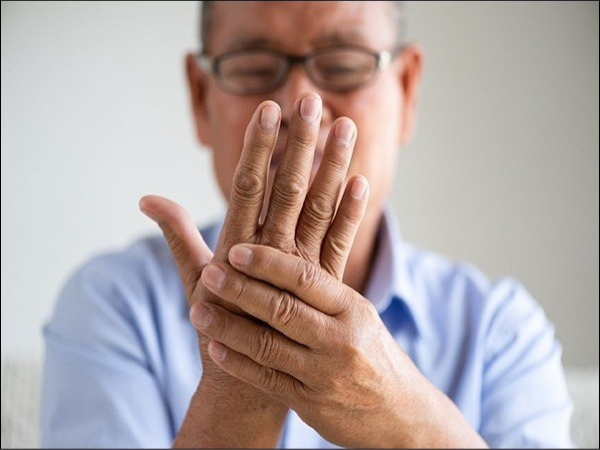
Herbal Remedies Treatment For Crest Syndrome
Abstract
Crest Syndrome is known as a limited cutaneous form of systemic sclerosis which is a multisystem connective tissue disorder. Skin is a layer of the soft, flexible outer layer of tissue that affects the integumentary system which encloses the body including skin, nails, and related glands. Epidermis is the outermost layer of the skin which forms the protective barrier over the body and prevents entry of pathogens from entering. Dermis is the layer of skin that consists of connective tissue and cushions from stress and strain. There are seven layers of ectodermal tissue that guard the muscles, bones, and internal organs. Skin is the largest organ in the human body and the thickness of the skin varies which is present all over the body. Epidermis is divided into several layers formed through mitosis in the innermost layer. In this article, we are going to discuss the signs, symptoms, and Ayurvedic aspects of this disease in detail.

Introduction
The Acronym of Crest Syndrome refers to five main features- Calcinosis (painful lumps of calcium in the skin), Raynaud’s phenomenon (White or cold skin on the hands and feet which causes blood problems), Esophageal dysmotility (Problem in swallowing causes scarring in the esophagus), Sclerodactyly (tightness and thickness of the finger and skin due to collagen deposition) and Telangiectasia (Red spots on the hand, palms and causes widened blood vessels). Crest Syndrome is a type of scleroderma that affects the connective tissue which supports various skin and organs. It is an autoimmune disease which affects the connective tissue which provides structure and support to other tissues and organs. It is a form of systemic sclerosis that causes hardening and tightening of the skin. Crest syndrome can be coupled with portal hypertension which further leads to heart and respiratory failure.
Causes
- The exact cause of Crest Syndrome is not known but it is caused due to various genes and hormones.
- Generally, it is involved in the production of Autoimmune anti-nuclear and anti-centromere antibodies.
- The atypical activity of the immune system reacts to the cells of the body.
- Triggers of the environment such as Silica Dust, Organic solvents, and L-tryptophan
- Genetic which increase the risk of having the disease.
- Use of tobacco and many other drugs.
- Cytomegalovirus (CMV)
- Certain radiations and various other chemicals such as pesticides and other solvents.
Symptoms Of Creast Syndrome
Symptoms develop over time which causes Calcinosis, Raynaud’s syndrome. Esophageal Dysmotility and Sclerodactyly, Telangiectasia and changes in the color of skin (hands, legs, and face). It includes symptoms such as-
- Calcinosis: It forms irregular lumps which are an abnormal collection of calcium salts.
- Raynaud Syndrome: It is a condition when the arteries move to spasm and limits the flow of blood, which loses the flow of blood to hands and feet and turns down the color of hands and feet turning white and then blue. Ulceration can get predisposed to chronic infections.
- Esophageal Dysmotility: It is due to the presence of extra collagen which breaks down the muscles into the esophagus resulting which has reflux and thus makes problems in swallowing. It is made from the atrophy of the gastrointestinal tract wall smooth muscle.
- Sclerodactyly: When the skin gets thickened it makes the finger go stiff and shiny which makes the finger hard to move and trouble opening the mouth. Skin becomes edematous and inflamed which causes progressive skin tightening. There is a formation of digital ischemic ulcers on distal fingers in about 50% of patients.
- Telangiectasia: Blood vessels become swell and expand which causes red color spots on the face and lips. It is also related to pulmonary arterial hypertension which tends to increase over time.
- Dizziness and badly healing wounds
- Difficulty in breathing and exhaustion
- Pain in hands and feet
- The appearance of spider veins
- Heart failure and abnormal rhythm of the heart
- Kidney problem
- Grating noise as there is moving inflamed tissues
- Fecal Incontinence
- Erectile dysfunctions
Diagnosis
- Various blood tests to check the sign of inflammation and autoimmunity
- Kidney function test to check the level of creatinine
- Creatinine kinase
- Urine analysis
- Antinuclear antibody testing (ANA)
- Pulmonary function testing
- Electromyography and various nerve conduction test
- MRI (Magnetic resonance imaging)
- CT (Computed tomography)
- X-Ray
- Doppler Echocardiography
- Anti RNA Polymerase 111 antibody
Treatment
The primary goal of the treatment includes
- Reduces inflammation
- Limit the progression of the disease
- Improve the quality of life
Options it includes are
- Anti-inflammatory drugs
- Immunosuppressants
- Vasodilators
- Laxatives and various heartburn medications
- Calcium channel-blocking agents
- Laser Treatment
- Physical therapy and exercise to maintain the strength of the muscle
Complications
- Dental problems
- Kidney failure
- Lung problem
- Liver disease
Ayurvedic Aspect
Ayurveda is the oldest established system in India which aims at promoting health and prevention with the management of the disease.
In Ayurveda, CREST Syndrome is due to an imbalance of Vata doshas and it can be correlated with Uttana Vatarakta. It mainly affects Vata doshas imbalance affecting the Rakta dhatu (blood tissues). This causes an imbalance in the functioning of the immune system, brain, and nerves. It Afflicts the superficial tissues (skin and muscles) which look like skin lesions and causes pain in the muscle.
Nidana- Causes Of Creast Syndrome
- Excessive physical exertion
- Suppression of the natural urge
- Depletion of the tissue of the body
- Excess consumption of Dry and cold food.
Purvaroppam
- Twak Rogas- Skin diseases
Samprapti
- In this tridoshas move through the channels of circulation and this aggravated doshas fills up the empty track and moves inside them and gets enveloped in the other doshas.
- This aggravated Vata dosha moves into the skin and various blood vessels.
Lakshana
- Twak Sankocham- Stretching of the skin
- Hasta, Anguli and Sandhi Sankocham
- Ushna Kamitwam (war environment)
- Sheeya Asahishnutha (cold intolerance)
- Twak Vaivarnya (discoloration of the skin)
Line Of Treatment
It Involves Shodhana Therapy And Shamana Therapy.
1. Shodhana Therapy
- Basti (medicated enema)
- Abhyangam (oil massage on the body)
- Swedana
- Rakta Visravan Karma (bloodletting)
2. Uttana Vatarakta can be handled with
- Lepa- use of medicated paste
- Parisheka- steam pouring and showering of medicinal liquids over the affected area.
- Avagahana- Dip of liquids on the affected part.
- Upanaha- Poultice
Herbal Remedies By Planet Ayurveda For Creast Syndrome
Planet Ayurveda is an illustrious and recognized organization that offers herbal products worldwide and is prepared under the supervision of expert Ayurvedic doctors. These herbal formulations are safe and free from any kind of preservatives, additives, and chemicals. These herbal supplements act on the body and correct the imbalance of doshas without causing any side effects. Planet Ayurveda provides herbal supplement which is helpful in this disease and here are the following medications-
Product List
1. Ashwagandha Capsules
2. Boswellia Curcumin
3. Gotu Kola Capsules
4. Sanjivani Vati
5. Gandhak Rasayan
6. Sinhnaad Guggul
7. Panchtiktaka Ghrit


Product Description
1. Ashwagandha Capsules
Ashwagandha Capsules are single herbal capsules from planet Ayurveda consisting of a standardized extract of Ashwagandha (Withania somnifera). These capsules have anti-inflammatory properties and are helpful in preventing the immunosuppressive activity of the body. Useful in promoting collagen production and regenerating new skin cells.
Dosage: 1 capsule twice daily with warm water.
2. Boswellia Curcumin
Boswellia Curcumin is a polyherbal capsule from planet Ayurveda that contains Shallaki (Boswellia serrata) and Curcumin (Curcuma longa). It is helpful in reducing swelling and pain in the joint region. Helpful in promoting the proper circulation in the joints and makes them flexible.
Dosage: 2 capsules twice daily with warm water.
3. Gotu Kola Capsules
Gotu Kola Capsules is a single herbal capsule from Planet Ayurveda that has a standardized extract of Gotu Kola (Centella asiatica). It has an anti-inflammatory property which is helpful in reducing inflammation, supports strength in the nervous system, and thus reduces anxiety and depression. It is helpful in autoimmune diseases and is an excellent brain tonic.
Dosage- 1 capsule twice daily with warm water.
4. Sanjivani Vati
Sanjivani Vati is a herbal tablet formulation made by planet ayurveda using ingredients such as Vidanga (Embelia ribes), Ginger (Zingiber officinale), Amalaki (Emblica officinalis), Shuddh Vatsnabh (Aconitum ferox) and many more. It is helpful in removing toxins from the body and helpful in all types of autoimmune disorders. Builds up immunity and makes the body stronger.
Dosage- 2 tablets twice daily with warm water
5. Gandhak Rasayan
Gandhak Rasayan is an herbal tablet from planet Ayurveda using Shuddha Gandhak (Purified Sulphur). Helpful in all types of skin ailments and reduces the excessive production of collagen and makes the skin looks healthier and more beautiful. Gandhak Rasayan is useful in boosting immunity and fertility, enhancing the strength of the body, and providing nourishment.
Dosage- 2 tablets twice daily with warm water
6. Sinhnaad Guggul
Sinhnaad Guggul is a herbal tablet formulation from planet Ayurveda using Haritaki (Terminalia chebula), Amla (Emblica officinalis), and many more. Helpful in joint pain, inflammation, and arthritis. Manages all types of skin problems and abdominal disorders. Detoxifies the body and provides relief from toxins and relieves pain as it has anti-inflammatory properties and mild laxative properties.
Dosage: 2 tablets twice daily with warm water
7. Panchtiktaka Ghrit
Panchtiktaka Ghrit is a classical ayurvedic formulation which is made by planet Ayurveda using various ingredients such as Patola Patra (Trichosanthes dioica), Nimba Twak (Azadirachta Indica), Haritaki (Terminalia chebula), Guduchi (Tinospora cordifolia) and many more. Has anti-inflammatory properties and Pitta-balancing properties. Reduces dryness and irritation due to its various properties.
Dosage: 1 tsp twice daily with warm water
CONTACT PLANET AYURVEDA TO PROVIDE YOU WITH THE COSTING / ORDERING AND DELIVERY INFORMATION AT – COSTING.PLANETAYURVEDA@GMAIL.COM OR CALL AT +91-172-5214040
CONCLUSION
Crest Syndrome is known as a limited cutaneous form of systemic sclerosis which is a multisystem connective tissue disorder. It is a form of systemic sclerosis that causes hardening and tightening of the skin. Crest syndrome can be coupled with portal hypertension which further leads to heart and respiratory failure. In Ayurveda, CREST Syndrome is due to an imbalance of Vata doshas and it can be correlated with Uttana Vatarakta. It mainly affects Vata doshas imbalance affecting the Rakta dhatu (blood tissues). Further planet Ayurveda formulates many herbal supplements which are helpful in this disease without causing any side effects.