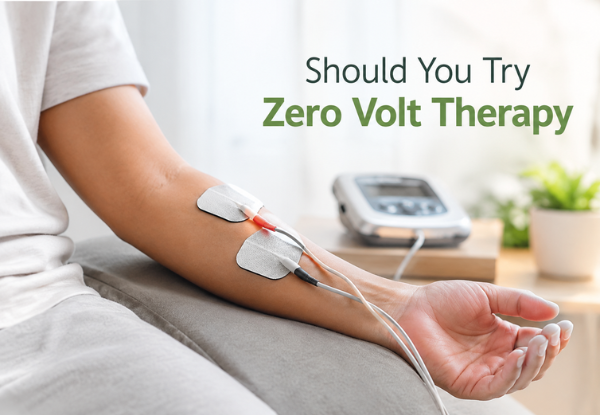
Should You Try Zero Volt Therapy
Abstract
Zero Volt Therapy, more commonly known as grounding or earthing, has become increasingly popular as a natural wellness practice. The therapy involves making direct physical contact with the Earth’s surface or using grounding devices with the aim of restoring the body’s electrical balance. Supporters claim that it can improve sleep, reduce stress, relieve pain, decrease inflammation, and enhance overall well-being. Although preliminary scientific studies have reported promising results, the available evidence remains limited and insufficient to establish grounding as a proven medical treatment. Ayurveda does not specifically describe Zero Volt Therapy but strongly advocates maintaining harmony with nature through healthy daily routines and lifestyle practices. This article explores the concept of Zero Volt Therapy, examines the current scientific evidence, discusses its proposed mechanisms, and evaluates whether it is worth trying from both modern medical and Ayurvedic perspectives.
Introduction
In recent years, interest in non-pharmacological approaches to health has grown significantly. Alongside yoga, meditation, and mindfulness, Zero Volt Therapy—also known as grounding or earthing—has emerged as a popular wellness trend. The concept is based on the idea that direct contact with the Earth’s surface allows the body to equalize its electrical potential with that of the Earth, potentially producing beneficial physiological effects. Modern lifestyles often limit direct contact with nature due to footwear, indoor occupations, and urban living. Advocates of grounding suggest that reconnecting with the Earth may help restore the body’s natural balance and reduce the harmful effects of chronic stress and inflammation. While several small studies have reported encouraging findings, the scientific community remains cautious because robust clinical evidence is still lacking. Understanding both the potential benefits and the limitations of Zero Volt Therapy can help individuals make informed decisions about incorporating it into their wellness routine.
History of Zero Volt Therapy
- Early observations: Walking barefoot on natural surfaces such as grass, soil, and sand has been practiced for centuries and was believed to promote relaxation and overall well-being.
- Clinton Ober’s contribution: In the late 1990s, Clinton Ober popularized the concept of earthing, proposing that direct contact with the Earth’s surface may support health by restoring the body’s electrical balance.
- Development of grounding devices: To make grounding accessible indoors, products such as grounding mats, sheets, patches, and conductive footwear were developed.
- Growing scientific interest: Over the past two decades, researchers have increasingly studied Zero Volt Therapy for its potential effects on sleep, stress, pain, inflammation, and cardiovascular health. While early results are promising, further high-quality research is needed to establish its clinical effectiveness
How Does Zero Volt Therapy Work?
Several biological mechanisms have been proposed, although none have been conclusively proven.
- Electron Transfer: The Earth’s surface carries a mild negative electrical charge. Researchers hypothesize that direct skin contact may allow electrons to enter the body and neutralize unstable free radicals that contribute to oxidative stress.
- Reduction of Oxidative Stress: Oxidative stress is associated with aging, chronic inflammation, and numerous diseases. Grounding has been proposed to reduce oxidative damage by supplying electrons that may act as natural antioxidants.
- Modulation of Inflammation: Some researchers believe grounding may influence inflammatory pathways, potentially reducing tissue inflammation and promoting healing after injury or exercise.
- Improved Autonomic Nervous System Function: Grounding may help shift the body toward greater parasympathetic (“rest-and-digest”) activity, reducing sympathetic (“fight-or-flight”) dominance and promoting relaxation.
- Cortisol Regulation: Preliminary studies suggest grounding may improve the normal daily rhythm of cortisol secretion, which could contribute to better sleep and stress management.
These mechanisms remain theoretical and require confirmation through larger human studies.
Types of Zero Volt Therapy
- Barefoot Walking on Natural Ground: Walking barefoot on natural surfaces such as grass, soil, sand, or unsealed stone is the simplest and most traditional form of grounding. It allows direct contact with the Earth’s surface.
- Grounding Mats: Grounding mats are conductive mats placed on the floor or desk. They connect to a grounded outlet or ground rod, enabling users to practice grounding while sitting, standing, or working indoors.
- Grounding Sheets: Grounding sheets are conductive bed sheets connected to the Earth’s electrical ground. They are designed to maintain grounding during sleep and are commonly used by individuals seeking overnight exposure.
- Grounding Patches: Grounding patches are adhesive conductive patches applied directly to the skin. They are connected to a grounding system and are often used to provide localized grounding to specific areas of the body.
- Grounding Footwear: Grounding footwear is specially designed with conductive materials in the soles that help maintain electrical contact with the Earth while walking on natural conductive surfaces. These shoes provide an alternative for individuals who prefer not to walk barefoot.
How to Practice Zero Volt Therapy at Home
- Walk barefoot outdoors: Spend 20–30 minutes daily walking barefoot on natural surfaces such as grass, soil, sand, or unsealed stone.
- Use grounding mats: Place a grounding mat under your feet or on your desk while working, reading, or relaxing indoors.
- Sleep on grounding sheets: Grounding bed sheets can be used during sleep to maintain prolonged contact with the Earth’s electrical ground.
- Apply grounding patches: Use grounding patches as directed by the manufacturer for targeted grounding of specific body areas.
- Wear grounding footwear: Choose conductive footwear when walking outdoors if going barefoot is not practical.
- Ensure proper grounding: Use only properly connected grounding devices and follow the manufacturer’s instructions for safe and effective use.
- Maintain consistency: Regular daily practice is generally recommended by proponents, although the optimal duration has not been established through scientific research.
What Does Scientific Research Show?
Improved Sleep
Small pilot studies have reported improvements in sleep quality, fewer nighttime awakenings, and reduced daytime fatigue among grounded participants. Some studies also observed normalization of cortisol rhythms. However, these findings are based on limited data and require larger randomized controlled trials.
Reduced Pain and Inflammation
Several preliminary studies suggest grounding may reduce chronic pain, muscle soreness, and certain inflammatory markers. Researchers propose that reduced oxidative stress may contribute to these effects, although the exact biological mechanism has not been established.
Exercise Recovery
Grounding has been studied in athletes and physically active individuals. Some research indicates reduced delayed-onset muscle soreness (DOMS) and improved recovery following strenuous exercise, but the evidence remains preliminary.
Cardiovascular Effects
A few studies have observed temporary improvements in blood viscosity, circulation, and red blood cell aggregation after grounding. While these findings are scientifically interesting, there is currently no evidence that grounding reduces the risk of heart attack, stroke, or cardiovascular disease.
Stress and Heart Rate Variability
Limited research suggests grounding may improve heart rate variability (HRV), an indicator of autonomic nervous system balance and stress resilience. Additional studies are required to confirm these findings.
Potential Benefits of Zero Volt Therapy
People who practice Zero Volt Therapy commonly report:
- Better sleep quality
- Reduced stress
- Greater relaxation
- Less muscle soreness after exercise
- Reduced fatigue
- Improved sense of well-being
While these experiences may be genuine for some individuals, they should not be interpreted as proof that grounding can treat or cure medical conditions.
Are There Any Risks of Zero Volt Therapy?
Walking barefoot on clean natural surfaces is generally safe for healthy individuals.
However, caution is advised for:
- People with diabetes and peripheral neuropathy
- Individuals with foot ulcers or open wounds
- Older adults at risk of falls
- Areas containing sharp objects, broken glass, contaminated soil, or electrical hazards
Grounding devices should not replace prescribed medications or evidence-based medical treatments.
Ayurvedic Perspective on Zero Volt Therapy
Classical Ayurvedic texts do not specifically describe Zero Volt Therapy or grounding. Nevertheless, Ayurveda has always emphasized maintaining harmony with nature.
Practices that align with Ayurvedic principles include:
- Walking barefoot on clean natural ground when safe.
- Spending time in green environments.
- Practicing yoga and meditation outdoors.
- Following Dinacharya (daily routine).
- Supporting balanced Vata, Pitta, and Kapha through appropriate diet and lifestyle.
From an Ayurvedic perspective, these practices promote mental calmness, reduce stress, and encourage overall balance rather than acting through electrical mechanisms.
Who May Consider Trying It?
Zero Volt Therapy may be a valuable addition to a healthy lifestyle for individuals who:
- Experience everyday stress.
- Have difficulty sleeping.
- Engage in regular physical exercise.
- Spend little time outdoors.
- Wish to incorporate more natural wellness practices into their daily routine.
Because it is simple, inexpensive, and easy to practice, grounding may serve as an accessible wellness habit alongside balanced nutrition, regular exercise, yoga, meditation, and adequate sleep.
Frequently Asked Questions (FAQs)
What is Zero Volt Therapy?
Zero Volt Therapy, also known as grounding or earthing, is the practice of making direct contact with the Earth’s surface or using grounding devices to connect the body to the Earth’s natural electrical charge.
How does Zero Volt Therapy work?
It is based on the theory that the Earth’s free electrons may help balance the body’s electrical state and reduce oxidative stress. However, the exact mechanisms are still being investigated.
What are the potential benefits of Zero Volt Therapy?
Preliminary studies suggest it may improve sleep, reduce stress, relieve pain, decrease inflammation, and support overall well-being. More high-quality research is needed to confirm these effects.
Is Zero Volt Therapy scientifically proven?
No. While some studies have reported promising results, the current evidence is limited, and larger, well-designed clinical trials are required before definitive conclusions can be made.
How long should I practice grounding each day?
There is no scientifically established duration. Many practitioners recommend 20–30 minutes daily, although this recommendation is not based on conclusive clinical evidence.
Can I practice Zero Volt Therapy indoors?
Yes. Grounding mats, sheets, patches, and other grounding devices are designed to allow grounding indoors when used according to the manufacturer’s instructions.
Is Zero Volt Therapy safe?
For most healthy individuals, walking barefoot on safe natural surfaces is generally considered low risk. However, people with medical conditions, implanted electrical devices, or concerns about using grounding products should consult a healthcare professional before trying it.
Can Zero Volt Therapy replace medical treatment?
No. Zero Volt Therapy should be considered a complementary wellness practice and should not replace prescribed medical treatments or professional healthcare advice.
Conclusion
Zero Volt Therapy has generated growing interest because of its simplicity and its potential to improve sleep, reduce stress, and support recovery from physical exertion. Preliminary scientific studies suggest modest benefits in areas such as sleep quality, pain perception, autonomic nervous system regulation, and inflammation. However, the current evidence is limited by small study sizes and methodological weaknesses, and no major medical organization currently recommends grounding as a standard treatment for disease. From an Ayurvedic perspective, spending time in nature and maintaining harmony with the environment are long-standing principles that support overall well-being. If practiced safely and with realistic expectations, Zero Volt Therapy may serve as a beneficial lifestyle habit, but it should complement—not replace—a balanced diet, regular exercise, stress management, and evidence-based medical care.
