Tag: Side Effects of Keto Diet

Keto Diet : When Your Body Changes Its Fuel

The human body is remarkably flexible when it comes to producing energy. Under normal conditions, glucose from carbohydrates is the body’s main fuel source. A ketogenic or “keto” diet dramatically reduces carbohydrate intake and provides more energy from fats, causing the body to gradually change the way it obtains fuel. As carbohydrate availability falls, insulin levels generally decrease, and the liver begins breaking down fatty acids to produce ketone bodies. These ketones can then be used as an energy source by the brain and other tissues. This metabolic state is called ketosis. The change does not happen simply because a person eats more fat; carbohydrate restriction is the key factor that encourages ketone production. During the initial phase, the body also uses stored glycogen, so some of the early weight loss can be due to water loss. Over time, the body’s ability to use fat and ketones for energy becomes more prominent.
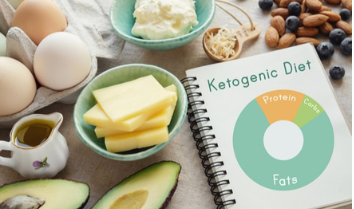
 Keto Diet

MECHANISM OF THE KETO DIET

The keto diet works by changing the body’s main source of energy. Normally, carbohydrates are broken down into glucose, which is used as the primary fuel. When carbohydrate intake is kept very low, the body has less glucose available and insulin levels generally fall. This encourages the body to release stored fat from adipose tissue and break fatty acids down for energy. The liver takes some of these fatty acids and converts them into ketone bodies—acetoacetate, beta-hydroxybutyrate, and acetone. This process is called ketogenesis. Ketones can then provide an alternative fuel for the brain, muscles, and other tissues. At the same time, the liver continues to make a limited amount of glucose through gluconeogenesis, mainly to supply tissues that still require glucose.

Very low carbohydrate intake
↓
Lower glucose availability
↓
Lower insulin + increased glucagon activity
↓
Increased breakdown of stored fat (lipolysis)
↓
Fatty acids reach the liver
↓
Ketogenesis
↓
Ketone bodies are produced
↓
Brain and other tissues use ketones as an alternative fuel

The keto diet may also influence appetite, insulin sensitivity, and body weight, although the degree of these effects differs between individuals. Importantly, nutritional ketosis is different from diabetic ketoacidosis (DKA). Nutritional ketosis is a controlled metabolic adaptation to carbohydrate restriction, whereas DKA is a dangerous medical emergency associated mainly with severe insulin deficiency.

WHAT GOES ON A KETO PLATE?

A keto plate is built around very low-carbohydrate foods, adequate protein, and healthy sources of fat. The goal is to keep carbohydrate intake low enough to support ketosis while still providing essential nutrients. Instead of filling the plate with rice, roti, potatoes, or other high-carbohydrate foods, a keto meal can focus on non-starchy vegetables, protein-rich foods, and healthy fats.

  • Non-starchy vegetables: Spinach, cauliflower, broccoli, cucumber, cabbage, zucchini, mushrooms, capsicum, and leafy greens provide fiber, vitamins, and minerals while generally contributing fewer carbohydrates.
  • Protein sources: Eggs, fish, chicken, meat, paneer, and tofu can provide protein needed for muscle maintenance and other body functions.
  • Healthy fats: Avocado, nuts, seeds, olives, coconut, and oils such as olive oil can provide energy and help increase meal satiety.
  • Dairy options: Unsweetened Greek yogurt, paneer, cheese, and other lower-carbohydrate dairy foods may fit into a keto diet depending on individual carbohydrate limits.
  • Drinks: Water, unsweetened tea, and unsweetened coffee are generally preferable to sugary beverages.

USES OF THE KETO DIET

  • Drug-resistant epilepsy- Ketogenic dietary therapy has an established therapeutic role in selected people with drug-resistant epilepsy. It can reduce seizure frequency and, in some patients, seizure severity. It is also used in certain metabolic disorders associated with epilepsy.
  • GLUT1 deficiency syndrome- Ketones can provide an alternative energy source for the brain when glucose transport into the brain is impaired, making ketogenic therapy an important treatment approach for GLUT1 deficiency syndrome.
  • Pyruvate dehydrogenase deficiency-Ketogenic therapy can provide ketone bodies as an alternative fuel when glucose metabolism through the pyruvate dehydrogenase pathway is impaired.
  • Weight management- Keto can produce relatively rapid short-term weight loss in some people with overweight or obesity. Reduced carbohydrate intake, changes in appetite and increased reliance on fat as a fuel can contribute to reduced energy intake. However, current evidence does not establish that keto is superior to every other effective dietary strategy over the long term.
  • Type 2 diabetes- Very-low-carbohydrate ketogenic diets can reduce carbohydrate-related glucose excursions and may improve fasting glucose, HbA1c, insulin resistance and triglycerides in some people with type 2 diabetes. Evidence is mixed regarding whether keto provides additional long-term benefits over other calorie-controlled dietary approaches.
  • Metabolic syndrome and insulin resistance- By reducing carbohydrate intake and, frequently, body weight, ketogenic diets may improve several metabolic parameters associated with insulin resistance, including glucose, triglycerides, and blood pressure.
  • Polycystic ovary syndrome (PCOS)- Ketogenic diets have been investigated in women with PCOS, particularly those with obesity or insulin resistance. Possible benefits include improvements in body weight and metabolic parameters, although the evidence is still developing and keto is not an established universal treatment for PCOS.
  • Metabolic dysfunction-associated steatotic liver disease (MASLD): Low-carbohydrate and ketogenic approaches are being studied for their potential to reduce body weight and liver fat.
  • Neurological disorders under investigation: Ketogenic diets are being studied in conditions such as Alzheimer’s disease, Parkinson’s disease and migraine

IS KETO DIET BENEFICIAL FOR WEIGHT LOSS?

The keto diet may support weight loss by changing the way the body uses energy. When carbohydrates are greatly reduced, the body has less glucose available and begins relying more on stored fat and dietary fat for fuel. During this transition, glycogen stores decrease, and because glycogen holds water, some of the initial weight loss is water rather than body fat. As the diet continues, increased fat use and, in some people, reduced hunger may make it easier to consume fewer calories, which can contribute to fat loss. However, keto is not a metabolic shortcut that automatically causes weight loss; overall energy intake, food quality, physical activity, sleep, and long-term adherence still matter. Protein intake is also important because adequate protein can help preserve muscle during weight loss. Therefore, the main benefit of keto for weight management is its ability to create a dietary pattern that may help some individuals reduce energy intake while maintaining a low-carbohydrate, higher-fat eating pattern.

PRECAUTIONS WHILE FOLLOWING A KETO DIET

A ketogenic diet is not suitable for everyone. Because it involves a major reduction in carbohydrates, it is important to follow it thoughtfully and maintain adequate nutrition.

  • Stay adequately hydrated: Early in a keto diet, the body may lose more water because glycogen stores decrease. Drink sufficient fluids according to your thirst, activity level, climate, and medical needs.
  • Pay attention to electrolytes: Sodium, potassium, and magnesium balance can be affected, particularly during the initial phase. Do not take electrolyte supplements in large amounts without professional advice, especially if you have kidney or heart problems.
  • Do not ignore vegetables and fiber: Very low carbohydrate intake can sometimes reduce fiber intake and contribute to constipation. Include suitable low-carbohydrate vegetables, seeds, and nuts to improve dietary fiber and micronutrient intake.
  • Choose healthy fats: Keto does not mean eating unlimited butter, processed meat, or fried foods. Prefer sources such as nuts, seeds, avocado, olive oil, and other minimally processed foods, while keeping saturated fat intake appropriate for your individual cardiovascular risk.
  • Get enough protein: Adequate protein is important for maintaining muscle during weight loss. Avoid making the diet almost entirely fat-based.
  • Monitor blood glucose if you have diabetes: People taking insulin or medicines that can cause hypoglycemia may need medication adjustment when carbohydrate intake falls substantially. This should be done with a healthcare professional.
  • Be especially careful with SGLT2(Sodium-Glucose Cotransporter-2 ) inhibitors: People taking medicines such as dapagliflozin, empagliflozin, or canagliflozin should not start a ketogenic diet without discussing it with their doctor because carbohydrate restriction can increase the risk of euglycemic diabetic ketoacidosis.
  • Consider your kidney and liver health: People with significant kidney or liver disease should seek medical advice before starting a ketogenic diet, as dietary composition and electrolyte requirements may need individual adjustment.

AYURVEDA’S INSIGHT!

The keto diet focuses on very low carbohydrate intake, adequate protein, and higher amounts of fat to encourage the body to use stored fat for energy. While this approach may help some people with weight management, Ayurveda looks at weight loss from a broader perspective rather than focusing only on macronutrient ratios.

In Ayurveda, excess weight is commonly associated with an imbalance involving Kapha dosha, Meda (adipose tissue), Agni (digestive/metabolic function), and lifestyle habits. Therefore, sustainable weight management is traditionally approached through appropriate food choices, proper digestion, physical activity, sleep, and daily routine.

From an Ayurvedic perspective, simply eliminating carbohydrates is not necessarily the goal. Ayurveda emphasizes Ahara (diet) according to an individual’s constitution, digestive capacity, age, activity level, and health condition. Excessive intake of heavy, oily, or calorie-dense foods may be unsuitable for some individuals, even when carbohydrates are restricted.

A more sustainable Ayurvedic approach may include fresh and appropriately portioned meals, adequate protein, vegetables, whole foods, mindful use of fats, regular physical activity, and attention to meal timing. Spices traditionally used to support digestion, such as ginger, cumin, and black pepper, may also be incorporated according to individual suitability.

Ultimately, weight management is not about following one universal diet. Ayurveda emphasizes balance, individualized nutrition, healthy digestion, and consistent lifestyle habits rather than relying solely on dietary restriction.

CONCLUSION

The keto diet is more than simply cutting down carbohydrates—it represents a shift in the body’s energy pathway, encouraging greater use of fat and ketones as fuel. This metabolic change may support weight management and improve blood-glucose control in selected individuals. However, ketosis should not be mistaken for a guarantee of better health or faster weight loss. A well-planned keto diet should provide adequate protein, fiber, vitamins, minerals, fluids, and healthy fats. Particular care is needed in people with diabetes, kidney or liver problems, and those taking medicines such as SGLT2 inhibitors. Ultimately, the value of keto depends on individual health needs, nutritional balance, and the ability to follow it safely and sustainably over time.

Benefits of the Keto Diet: How It Works and Why It’s Effective

ABSTRACT

The ketogenic diet is the most popular diet around the world. The keto diet, short for ketogenic, means eating a high amount of fat, a moderate amount of protein and very few carbs, that causes the body to break down fat into ketones. The aim of this diet is to facilitate weight loss, boost energy levels and enhance mental clarity. Ketogenic diet stimulates ketogenesis. Ketogenesis provides energy to the body’s organs, especially the heart, brain and skeletal muscles, when there isn’t enough glucose or carbohydrates in the diet. Ketogenesis is preferred to compensate for the energy requirements. But the keto diet is considered quite difficult to follow due to its strict regimen and restrictions on carbohydrates, which can lead to significant lifestyle changes. Due to limited food options many people find it challenging to sustain for the long-term. If not carefully planned, a keto diet could lead to health problems and deficiencies in certain vitamins.

Keto Diet, What is Keto Diet, Ketogenesis, Fat Fad Diets, Types of Keto Diet, Liquid Diet, Intermittent Fasting, Healthy Eating, Fasting Benefits, Low Carb, Keto Diet Lifestyle, Clean Eating, Ayurvedic Healing, Holistic Living, Healing Vibes, Wellness Lifestyle, Ayurveda Experts, Benefits of Keto Diet, Side Effects of Keto Diet

INTRODUCTION

The keto-diet which is also known as the ketogenic diet is a specific type of diet in which low amounts of carbohydrates are taken and moderate amounts of protein is taken but the content of fat is kept high in food. So the body’s weight is reduced with high fats. This is a way of dieting which has been practised for several years. As the intake of carbohydrates content is reduced, the body is forced to switch to fatty acid oxidation. As it stimulates oxidation and ketogenesis, this diet is beneficial to treat different disorders such as obesity, triglycerides, blood pressure and blood sugar, refractory epilepsy, Parkinson’s diseases, Alzheimer’s disease, traumatic brain injury, and sleep disorders. It’s not just the diet for weight loss but also to manage many disorders.

WHAT IS KETO-DIET

The keto diet is a dietary plan that emphasizes foods high in fats, moderate protein, and minimal carbohydrates. Its objective is to derive a greater proportion of calories from fat than from carbohydrates. This diet operates by exhausting the body’s sugar stores, prompting it to begin breaking down fat for energy. This process produces ketones, which the body uses as fuel. As fat is burned, weight loss may also occur.

HOW DOES THE KETO-DIET WORK?

Our body uses different types of fuel from the food we eat in order to function properly, our body is designed to use three main fuels including carbohydrates, fats, and protein. Carbohydrates are the body’s primary fuel source. The keto diet aims to force your body to rely on ketone bodies (A type of fuel that the liver produces from stored fat) instead of carbohydrates. This is done by increasing the intake of fats roughly up to 70–80% and greatly reducing the intake of carbohydrates up to 5–10%.

KETOGENESIS

Ketogenesis is initiated in the liver. Ketone bodies are produced in the ketogenesis process. Ketone bodies are supplemental energy compounds. In the mitochondria of the liver, fatty acids are oxidized to produce a significant amount of energy, resulting in the creation of three compounds called “ketone bodies.” The three ketone molecules formed are – Acetone, Acetoacetate, and D-3-hydroxybutyrate. These ketones serve as significant sources of energy for outer tissues such as cardiac, skeletal muscle etc. The ketone bodies then enter the bloodstream and can be utilized by the brain, heart, and muscle, where they produce cellular energy. Ketone bodies not only serve as a source of fuel but also promote resistance to oxidative and inflammatory stress, by the upregulation of anti-oxidative and anti-inflammatory activities. Liver produces significant amounts of ketone bodies during a non-ketogenic diet also. However, in conditions like uncontrolled diabetes, ketoacidosis can happen if too many ketone bodies get built up.

BUT ISN’T FAT BAD FOR HEALTH?

Nowadays, many “healthy” foods are advertised with a low fat content…after all “cholesterol kills” doesn’t it? Fats have been the subject of its negative impacts on the body in recent years. Though It is true that too much fat can lead to arteriosclerosis which can lead to heart attacks or strokes. But fat is not as bad as people have been taught. Fats also have an important role to play in nutritional health, even cholesterol in controlled amounts is necessary for the body. Fats are the structural units of cellular membranes and it supports cell function. Fats help in the absorption of fat-soluble vitamins A, D, E, and K in the body. Body fat insulates the body, and helps to keep the body warm. So fat can be good or bad depending on the type of fat and how much you consume.

FAT FOR KETO DIET

Limit the consumption of fats from highly processed oils, meats, and fried foods. Reduce saturated fat intake and replace it with unsaturated fats, which can help decrease LDL (Low density lipoprotein) cholesterol levels. Healthy keto foods are fresh, unprocessed, whole foods that include beneficial fats, such as monounsaturated and omega-3 polyunsaturated fats, while steering clear of inflammatory seed oils and refined carbohydrates, like sugary drinks. The keto diet includes healthy unsaturated fats, but it also promotes the consumption of significant amounts of saturated fats. Saturated fats can increase levels of both low-density lipoprotein (LDL), often referred to as “bad” cholesterol, and high-density lipoprotein (HDL), often called “good” cholesterol. Thus saturated fats should be taken in limited amounts.

Unsaturated fats include

  • Monounsaturated Fats: They are healthy fats commonly included in the keto diet, known for their ability to help lower blood pressure, improve cholesterol, and aid in weight management. Some sources of monounsaturated fats are chia seeds, avocado oil, olive oil, and hemp seeds.
  • Omega-3 Polyunsaturated Fatty Acids: Foods such as fish, flax seed, and walnuts are beneficial in lowering cholesterol.

Saturated fats include

  • Coconut oil and palm oil
  • Butter
  • Cocoa butter, etc.

TYPES OF KETOGENIC DIET

The keto-diet can be categorized into four types. They are characterized on the basis of the percentage of macronutrients they contain, allowing for increased compliance with the regimen. These include:

  1. Classic Long Chain Triglyceride (LCT): This generally follows a 4:1 ratio of fat to protein and carbohydrates, meaning fat contributes around 90% of daily calories.
  2. Medium Chain Triglyceride (MCT): The MCT diet is a modified version of the standard 4:1 ketogenic diet. It incorporates MCT oil, which contains fatty acids that are more efficient in producing ketones compared to those found in butter and oil. This enables the diet to include higher amounts of carbohydrates and protein while still promoting ketone production. MCT oil such as coconut oil, palm kernel oil can be used.
  3. Modified Atkins Diet (MAD): The MAD is a less rigid form of the ketogenic diet (KD) designed to treat epilepsy. This type of diet restricts carbohydrate intake to 15–20 grams per day, with no limitations on protein, typically contributing 35% of daily calories. It is a high-fat diet, with a fat-to-protein-and-carbohydrate ratio of approximately 1.5:1.
  4. Low Glycemic Index Treatment: The LGIT is a variation of the ketogenic diet that emphasizes the consumption of complex carbohydrates rather than simple sugars. This diet tracks daily carbohydrate intake, with a typical target of 40-60 grams per day.

BENEFITS OF KETO-DIET

  • Weight Loss: It helps in weight loss by boosting metabolism and reducing appetite. Weight loss is the most primary benefit of the ketogenic diet.
  • Energy level: It increases energy levels.
  • Appetite: It reduces appetite by producing a state of satisfaction. The ketogenic diet suppresses hunger hormones. So by doing this it reduces the appetite.
  • Heart health: It manages heart health by increasing the levels of HDL in the diet.
  • Diabetes: Keto diet helps in managing diabetes, instead of sugar the keto diet fat is used for energy. So this diet may improve blood glucose (sugar) levels while also reducing the need for insulin.
  • Blood Pressure: This diet helps in the management of blood pressure. The ketogenic diet reduces blood pressure by reducing triglycerides and LDL.
  • Brain Health: Ketones produced in keto diet that protect neural cells. It acts as an antioxidant and assists in safeguarding brain cells from any damage. This diet reduces the risk of neurological decline and is used to treat seizures in neurological studies.
  • Acne: This diet helps in clearing the texture of the skin. It helps in reduction of insulin in the body. Lower insulin levels contribute to fewer acne lesions. So it has a good effect on acne.
  • PCOS: PCOS causes hormonal imbalance, keto diet is helpful in managing hormones thus it helps women with PCOS.
  • Migraines: This diet helps in maintaining the energy level of neural cells. This diet shows a reduction in migraine and severe headaches.
  • Cancer Treatment: This diet is the treatment of choice for cancer. Some research has shown reduction in growth of cancer cells due to this diet.

SIDE EFFECTS OF KETO-DIET

  1. The “Keto Flu”: Keto diet can lead to the keto flu. It consists of the following symptoms:
    • Headache
    • Constipation
    • Dizziness
    • Nausea or vomiting
    • Fatigue
  2. Hard to follow
  3. Vitamin and Mineral Deficiencies
  4. Dehydration
  5. Kidney Stones
  6. Weight Regain
  7. Anxiety

RISK ASSOCIATED WITH KETO-DIET

  • Serious Muscle Loss Is a Possible Side Effect of Keto.
  • The Possibility of Low Blood Sugar due to keto diet can be risky for people with diabetes.
  • Nutrient Deficiencies e.g. calcium, selenium, magnesium and other micronutrients.
  • Ketoacidosis
  • Atherosclerosis

WHO CAN FOLLOW THE KETO-DIET

  • In adolescents and adults
  • For weight loss
  • Bodybuilders
  • Endurance athletes
  • Patients of Alzheimer’s disease and autism
  • In the patients of seizures

WHO SHOULD AVOID KETO-DIET

The keto diet may not be safe for people with certain conditions:

  • Heart failure
  • High cholesterol
  • History of heart events or surgery
  • Respiratory failure
  • Pregnancy
  • Eating disorder
  • Recent stroke or myocardial infarction
  • Active or severe infections
  • Heart disease
  • People with type 1 diabetes must not adopt the keto-diet due to the possibility of hypoglycaemia (low blood sugar), also one who has already the gall-bladder replaced must skip this diet as this diet is too rich in fat

SOME GENERAL RULES OF KETOGENIC DIET INCLUDES

Keto-diet has several rules including:

  • Fat intake: Daily calories from fat should be 70–80%. Your main source of fuel should be fats. Some examples of fats to incorporate into your diet are avocado, peanut, butter, nuts, seeds, cheese, olives, full fat mayo, olive oil, coconut oil, ghee, heavy cream, vegetable oil and avocado oil.
  • Protein intake: Daily calories from proteins should be 10–20%. Some examples of protein sources include eggs, yogurt, seafood, meat, poultry and cottage cheese.
  • Carbohydrate intake: Daily calories from carbs should be less than 50 grams, or even as low as 20 grams. Avoid any type of food that is high in carbs. This includes potatoes, sweet potatoes, beets, peas, oatmeal, wheat flour, whole wheat flour, rice, barley. Fruits are also high in carbs so they should be avoided, such as apples, grapes, bananas, dates, mangoes, peaches, pineapples, raisins, pears etc. Avoid beverages, avoid legumes and beans, and low-fat dairy products should be avoided.
  • Hydration: Stay hydrated.

THE AYURVEDIC TAKE ON KETO-DIET

The keto diet is a low-carb, high-fat diet. By minimizing your carbohydrate intake and upping your fat intake, the body enters a metabolic state called ketosis and becomes a fat-burning machine. In ayurveda the 3 main types of prakruti (body constitution type) have been mentioned. They are Vata, Pitta, Kapha. These prakruti have different digestive powers. When the doshas are vitiated, Vata dominant prakruti people have Vishama Agni (Irregular Metabolism), Pitta dominant prakruti people have Tikshna Agni (Hypermetabolism) and Kapha dominant prakruti people have Manda Agni (Hypometabolism). So according to their agni (digestive power) food is metabolised. From an Ayurvedic perspective, this diet could be useful in short periods of time for kapha dosha to reduce excess weight. Keto-diet may be challenging if used for a longer duration in any Prakruti (Vata, Pitta, Kapha). However, in the long term, this diet would create problems, so it is advised for a shorter duration to get its benefit. Given that the keto diet involves 70-80 percent saturated fats. This could lead to serious health issues. But some herbs can be added with this diet to gain the maximum result.

CONCLUSION

In this article we discussed ketogenic diet and how it will work on our body. In this article we mentioned how keto-diet works, process of ketogenesis, types of ketogenic diet its`s benefits, side effects of keto-diet, risk associated with keto-diet, who can follow keto-diet, who should avoid keto-diet, some general rules of ketogenic diet and the ayurvedic take on keto-diet. In keto-diet, calories are restricted therefore it gives benefit by reducing the risk of different diseases.