Tag: prostate cancer risk factors

Integrative Approach to Cancer : Dendritic Cell Therapy and Ayurvedic Management

ABSTRACT

Cancer remains one of the most complex health challenges globally, defined by uncontrolled cellular proliferation and the ability of malignant cells to evade the host immune system. Modern oncology has increasingly turned toward immunotherapy—specifically Dendritic Cell Therapy (DCT)—to re-educate the immune system to recognize and eliminate cancer cells. Simultaneously, traditional systems of medicine such as Ayurveda offer a holistic, systemic framework aimed at optimizing cellular metabolism (Dhatvagni), reducing systemic inflammation, suppressing abnormal tissue growths (Gulma/Arbuda), and rejuvenating overall host vitality (Ojas). When combined thoughtfully under qualified medical oversight, Dendritic Cell Therapy and targeted Ayurvedic botanical formulations present an integrative protocol designed to target tumor pathology while preserving patient resilience. In this article, we shall explore the mechanisms of Dendritic Cell Therapy, its integration with Ayurvedic principles, diagnostic pathways, and a comprehensive management model featuring targeted botanical remedies.
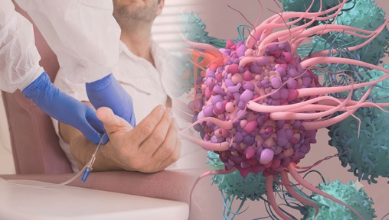
 Integrative Approach to Cancer

INTRODUCTION

The immune system is inherently designed to identify and destroy abnormal cells; however, malignant tumors employ sophisticated mechanism to bypass immune surveillance, often becoming “invisible” to T-cells. Dendritic Cell Therapy (DCT) is an advanced form of autologous cell-based immunotherapy designed to break this immune tolerance. Dendritic cells act as the chief “antigen-presenting cells” (APCs) of the immune system—they capture tumor markers, process them, and present them directly to T-lymphocytes to trigger a targeted anti-tumor attack.

While DCT provides a precision-guided immunological signal, the systemic environment in which these immune cells operate dictates their overall success. Metabolic dysfunction, systemic oxidative stress, and chronic inflammation can impair the survival and efficacy of infused dendritic cells. This is where Ayurveda offers significant complementary value. By addressing the internal landscape—balancing metabolic fire (Agni), clearing micro-circulatory channels (Srotas), and modulating cell-signaling pathways using standardized botanical extracts like Curcumin, Guggul, Graviola, Ashwagandha, and Artemisinin—Ayurveda creates a supportive biological environment that enhances host immunity and quality of life during therapy.

CAUSES AND PATHOPHYSIOLOGY

Biological Basis of Tumor Immune Evasion

Cancer arises from a combination of genetic mutations, environmental toxins, chronic metabolic stress, and immune dysfunction. Key driver mechanisms include:

  • Immune Checkpoint Hijacking: Tumors exploit pathways (such as PD-1/PD-L1) to deactivate cytotoxic T-cells.
  • Loss of Antigen Presentation: Tumor cells downregulate Human Leukocyte Antigen (HLA) class I molecules, rendering them invisible to standard immune clearance.
  • Immunosuppressive Microenvironment: Secretion of factors like TGF-beta, IL-10, and VEGF by tumor-associated macrophages suppresses immune activity.
  • Mitochondrial & Metabolic Dysfunction: The Warburg effect, where cancer cells shift to anaerobic glycolysis, leading to an acidic microenvironment that inhibits immune cell survival.

CONTRIBUTING & RISK FACTORS

  • Prolonged exposure to environmental carcinogens and heavy metals
  • Chronic low-grade systemic inflammation
  • Chronic psycho-emotional stress leading to sustained elevated cortisol
  • Oncogenic viral infections (e.g., HPV, HBV, HCV, EBV)
  • Genetic predisposition and DNA repair deficiencies

SIGNS AND SYMPTOMS

Clinical presentation varies widely depending on the anatomical site and stage of the malignancy. Common systemic and localized features include:

  • Unexplained Weight Loss & Cachexia: Progressive loss of muscle mass and fat tissue due to systemic metabolic dysfunction.
  • Persistent Fatigue & Weakness: Profound exhaustion that does not improve with rest, linked to systemic inflammation and anemia.
  • Localized Swelling or Masses: Palpable nodules or deep tissue enlargement (Arbuda).
  • Pain & Discomfort: Persistent, aching, or sharp pain caused by tissue infiltration or pressure on nerve pathways.
  • Low-Grade Fever & Night Sweats: Systemic immune responses triggered by tumor necrosis or cytokine release.
  • Functional Impairment: Changes in bowel/bladder habits, non-healing ulcers, or persistent cough, depending on the affected organ.

INVESTIGATIONS AND DIAGNOSTIC PATHWAYS

An accurate, multi-modal diagnostic assessment is critical for staging, identifying target tumor antigens, and designing autologous dendritic cell vaccines:

Clinical & Diagnostic Assessment

  • Histopathology & Biopsy: Tissue biopsy to confirm histological type, grade, and molecular markers.
  • Advanced Radiometric Imaging: PET-CT scans, Contrast-Enhanced CT (CECT), or MRI to map primary tumor burden and identify distant metastases.
  • Liquid Biopsy & Circulating Tumor DNA (ctDNA): Assessment of circulating tumor cells and genetic fragments to monitor dynamic disease progression.

Biomarkers & Immunological Profiling

  • Tumor Markers: Serial monitoring of markers such as CEA, CA-125, PSA, CA 19-9, or AFP.
  • Immunophenotyping: Flow cytometry to evaluate immune cell subsets (CD4+, CD8+, NK cells, and Treg counts) prior to

MANAGEMENT: DENDRITIC CELL THERAPY & INTEGRATIVE APPROACHES

How Dendritic Cell Therapy Works

  • Leukapheresis: Monocytes are extracted from the patient’s peripheral blood.
  • Ex Vivo Maturation: In a specialized GMP-certified laboratory, these monocytes are cultured and differentiated into mature dendritic cells.
  • Antigen Loading: The dendritic cells are exposed (“pulsed”) with the patient’s specific tumor antigens or synthetic neo-antigens, teaching them what to target.
  • Re-Infusion: The primed dendritic cells are re-infused into the patient, where they migrate to lymph nodes and activate cytotoxic T-cells (CD8+) and helper T-cells (CD4+) to launch a targeted attack on cancer cells.

AYURVEDIC VIEW AND INTEGRATIVE MANAGEMENT

In classical Ayurvedic literature, cancerous conditions are categorized under terms such as Arbuda (tumorous growths) and Gulma (palpable mass disorders). These conditions occur when all three Doshas (predominantly Kapha and Vata) become deeply vitiated, leading to impaired cellular metabolic fire (Dhatvagni) and the accumulation of toxic metabolic byproducts (Ama). Over time, this chronic metabolic blockage compromises Ojas—the primary essence responsible for cellular immunity and physical vitality.

SYNERGISTIC RATIONALE: DCT + AYURVEDA

While Dendritic Cell Therapy delivers a precise immunological instruction set, Ayurvedic management optimizes the biological microenvironment. Classical herbal extracts act as Rasayanas (rejuvenators) and Arbudahara (tumor-suppressive agents) to:
Clear subtle circulatory channels (Srotas), enabling effective tissue penetration of immune cells.
Reduce systemic oxidative stress and tone down excessive inflammatory cytokines (e.g., TNF-alpha, IL-6).
Support organ function and protect healthy tissues from secondary metabolic stress.

HERBAL REMEDIES BY PLANET AYURVEDA FOR CANCER CARE

Planet Ayurveda is a prestigious global herbal healthcare provider committed to preserving health using authentic, classical Ayurvedic wisdom. Every formulation is crafted using premium standardized plant extracts and pure minerals gathered from natural habitats. Operating out of state-of-the-art, GMP-certified manufacturing units, Planet Ayurveda ensures that all remedies are entirely free from synthetic chemicals, artificial preservatives, binders, and heavy metal contaminants. By marrying ancient texts with rigorous quality control, the company delivers pure, potent solutions to support holistic wellness safely. Planet Ayurveda proudly presents a selection of highly effective remedies suited for supporting cellular health, immune function, and systemic vitality.

PRODUCT LIST

  1. Curcumin Capsules
  2. Kanchnaar Guggul
  3. Cap. Graviola
  4. Cap. Ashwagandha
  5. Crab Arlu Capsules
  6. Crab Artemisinin Capsules

Herbal Remedies For Integrative Approach to Cancer

Buy Now Herbal Remedies For Integrative Approach to Cancer

Buy Now Herbal Remedies For Integrative Approach to Cancer

PRODUCT DETAILS

1. Curcumin Capsules

Curcumin Capsules contain concentrated, standardized extracts of Curcuma longa (Turmeric), yielding high concentrations of active curcuminoids. Curcumin is celebrated in both modern research and traditional systems for its profound anti-inflammatory, antioxidant, and immunomodulatory properties. At the cellular level, it helps downregulate inflammatory transcription factors (such as NF-kB), supports normal apoptotic signaling in damaged cells, and neutralizes circulating free radicals, thereby helping to protect healthy tissue architecture.

Dosage: 2 capsules twice daily with plain water after meals.

2. Kanchnaar Guggul

Kanchnaar Guggul is an iconic classical polyherbal formulation traditionally used to manage tissue enlargements, glandular swellings (Granthi), and deep-seated masses (Arbuda). Combining the bark of Kanchnaar (Bauhinia variegata) with purified Guggulu resin (Commiphora mukul) and the classical Triphala group, this formula works by clearing channel blockages (Srotoshodhana), scraping away metabolic waste (Lekhana), and balancing stagnant Kapha and Vata energies.

Dosage: 2 tablets twice daily with warm water after meals.

3. Cap. Graviola

Graviola Capsules are formulated using standardized extracts of Annona muricata, a botanical long valued for its rich profile of naturally occurring phytochemicals known as Annonaceous Acetogenins. These compounds are studied for their ability to support cellular balance, assist in modulating ATP production in rapidly proliferating tissues, and exert strong antioxidant effects that help defend cells against oxidative stress.

Dosage: 1 capsule twice daily with plain water after meals.

4. Cap. Ashwagandha

Ashwagandha (Withania somnifera) is widely recognized as one of Ayurveda’s premier adaptogenic Rasayana herbs. Formulated from standardized roots of Withania somnifera, these capsules are rich in active withanolides. Ashwagandha helps lower stress-induced cortisol, enhances overall physical strength and stamina, reduces cancer-related fatigue, and supports immune cell responsiveness (including Natural Killer cell activity) during times of systemic stress.

Dosage: 1 capsule twice daily with plain water or milk after meals.

5. Crab Arlu Capsules

Crab Arlu Capsules feature a specialized extract of Arlu (Ailanthus excelsa), a classical herb known for its bitter (Tikta) and astringent (Kashaya) taste profiles. Rich in bioactive alkaloids like Ailanthionine, it aids in deep cellular detoxification (Ama-Pachana), supports blood purification, reduces free radical damage, and helps suppress abnormal tissue growth while maintaining healthy microcirculation.

Dosage: 1 capsule twice daily with plain water after meals.

6. Crab Artemisinin Capsules

Crab Artemisinin Capsules contain standardized extracts derived from Artemisia annua (Sweet Wormwood). The primary bioactive compound, Artemisinin, contains a unique endoperoxide bridge that interacts with intracellular iron—which proliferating cells tend to accumulate in higher quantities—to generate localized reactive oxygen species (ROS) that target abnormal cells while sparing iron-balanced normal tissues.

Dosage: 1 capsule twice daily with plain water after meals.

HOME REMEDY: GOLDEN TURMERIC & BLACK PEPPER INFUSION

A soothing, highly bioavailable functional beverage designed to enhance the absorption of lipophilic botanical actives, soothe systemic inflammation, and support healthy digestion (Agni).

Ingredients

  • Organic Turmeric Powder – 1/2 teaspoon
  • Freshly ground Black Pepper (Piper nigrum) – 1 pinch
  • Pure Cow’s Ghee or Extra Virgin Coconut Oil – 1/2 teaspoon
  • Warm Water – 1 cup (approx. 200 ml)

Method of Preparation

  • Gently heat 1 cup of pure water in a pan until warm (avoid boiling).
  • Add 1/2 teaspoon of organic turmeric powder and a pinch of freshly ground black pepper.
  • Stir in 1/2 teaspoon of pure Cow’s Ghee or Coconut Oil until completely melted and incorporated.
  • Allow the mixture to cool to a comfortable drinking temperature.

Why is This Infusion Used?

In Ayurvedic principles, Turmeric provides Katu (pungent) and Tikta (bitter) tastes that help clear Ama and balance Kapha-Pitta Doshas. Ghee acts as a Yogavahi (catalytic carrier), taking active herbal principles deep into tissue layers without aggravating Pitta.
Scientifically, curcumin (the primary bioactive in turmeric) is lipid-soluble and has low systemic bioavailability on its own. The fat molecules in ghee provide a lipid carrier medium, while the piperine in black pepper significantly enhances curcumin absorption across the intestinal barrier, maximizing its systemic antioxidant and anti-inflammatory benefits.

How to Use

Drink 1 warm cup daily in the morning after breakfast or as recommended by your healthcare practitioner.

CONCLUSION

The integration of modern biological immunotherapy—such as Dendritic Cell Therapy—with classical Ayurvedic medicine represents a comprehensive paradigm in integrative oncology. While Dendritic Cell Therapy provides a precise, targeted immune instruction set to mobilize T-cells against tumor antigens, Ayurvedic therapies work systemically to optimize metabolic health, clear micro-circulatory pathways, reduce systemic oxidative stress, and rebuild vital resilience (Ojas). Formulations like Curcumin, Kanchnaar Guggul, Graviola, Ashwagandha, Crab Arlu, and Crab Artemisinin offer valuable multi-target botanical support to help maintain quality of life and physical strength.
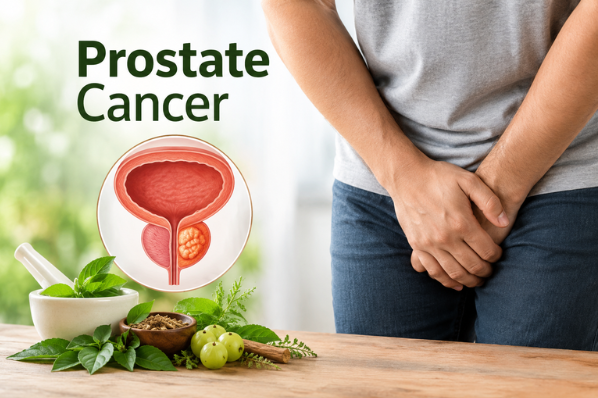

Herbal Remedies for Prostate Cancer – Causes, Symptoms & Diagnosis

Abstract

Prostate cancer is a significant health concern among aging men and requires timely diagnosis, appropriate staging, and evidence-based medical management. Ayurveda offers a supportive therapeutic perspective that focuses on maintaining physiological balance, strengthening general health, and improving resilience during illness and conventional management. Certain Ayurvedic herbs and formulations have traditionally been studied for their antioxidant, anti-inflammatory, immunomodulatory, and tissue-supportive properties, which may have relevance in supportive cancer care. However, Ayurvedic medicines should be selected according to an individual’s constitution, disease stage, symptoms.Treating Prostate Cancer

Statistics for Prostate Cancer

  • Approximately 1.5 million new prostate cancer cases are reported worldwide each year.
  • Around 333,830 men are projected to receive a prostate cancer diagnosis.
  • Approximately 36,320 deaths are expected to occur due to prostate cancer.
  • The estimated lifetime chance of developing prostate cancer is about 1 in 8 men, equivalent to approximately 13.2%.
  • Men diagnosed with prostate cancer that remains confined to the prostate generally have a 5-year relative survival rate close to 100% .
  • More than 3.5 million men in the United States are currently living after a prostate cancer diagnosis, reflecting improvements in detection and management.
  • More than 60% of prostate cancer cases occur in men aged 65 years or older.

Some Facts about Prostate Cancer

  • Prostate cancer can be extremely slow-growing. Some prostate cancers grow so slowly that they may never cause symptoms or threaten a man’s life, particularly in older men.
  • Many prostate cancers are discovered accidentally.
  • Benign prostatic enlargement, prostatitis, urinary infection, ejaculation and certain medical procedures can also raise PSA levels.
  • Prostate cancer can exist without urinary symptoms.
  • The prostate is about the size of a walnut in younger adults. It sits beneath the bladder and surrounds part of the urethra, which explains why enlargement can affect urination.
  • Prostate cancer is biologically unusual because it is strongly influenced by hormones.
  • Prostate cancer is not one single disease. Tumors differ considerably in their molecular characteristics, growth rate and aggressiveness. This is why two men with prostate cancer can require completely different management.
  • The Gleason system does not simply tell whether cancer is present.
  • The prostate changes considerably with age.
  • Prostate cancer can be so common in older men that microscopic prostate cancer is found incidentally during autopsy in men who died from completely unrelated causes.

Introduction

Prostate cancer is one of the most common cancers affecting men, particularly in older age groups. It develops when cells in the prostate gland begin to grow abnormally and multiply without normal control. Some prostate cancers progress slowly, while others may be more aggressive and spread to nearby tissues, lymph nodes, or bones. Early diagnosis and appropriate medical management are therefore important for improving outcomes and maintaining quality of life. Conventional management may include active surveillance, surgery, radiation therapy, hormone therapy, chemotherapy, targeted medicines, or a combination of these approaches depending on the stage and characteristics of the disease. Ayurveda offers a traditional system of healthcare that focuses on maintaining physiological balance, supporting strength, and promoting overall well-being. Several Ayurvedic herbs and formulations have been traditionally used to support urinary function, digestion, metabolism, immunity, and general vitality.

Causes and Risk Factors of Prostate Cancer

Prostate cancer does not usually have one single identifiable cause. It develops when genetic changes cause prostate cells to grow and divide abnormally. Over time, these abnormal cells may escape normal growth controls and form a tumor. Several factors can increase the likelihood of developing prostate cancer.

  • Increasing Age – Age is one of the strongest risk factors for prostate cancer. The disease is uncommon in younger men but becomes considerably more frequent after the age of 50. Cellular changes and the accumulation of genetic damage over many years may contribute to this increased risk.
  • Family History – Men with a close relative, particularly a father or brother, who has had prostate cancer have a higher risk of developing the disease. The risk may be greater when the relative was diagnosed at a younger age or when several family members are affected.
  • Inherited Genetic Mutations – Certain inherited gene changes can increase susceptibility to prostate cancer. BRCA2 mutations are particularly important, while alterations involving BRCA1, ATM, CHEK2, and other DNA – repair genes may also contribute. Some hereditary cancer syndromes, such as Lynch syndrome, are associated with increased risk.
  • Abnormal Hormonal Influence – The prostate is influenced by male sex hormones called androgens, particularly testosterone and dihydrotestosterone (DHT). Prostate cancer cells commonly depend on androgen signaling for their growth, although the relationship between normal hormone levels and the initial development of cancer is complex.
  • Genetic Damage in Prostate Cells – Changes in the DNA of prostate cells can interfere with genes responsible for controlling cell growth, repairing damaged DNA, and eliminating abnormal cells. When several such changes accumulate, cells may begin multiplying uncontrollably and eventually become cancerous.
  • Obesity and Excess Body Weight – Being overweight or obese has been associated particularly with an increased likelihood of developing more aggressive or advanced prostate cancer. Metabolic changes, chronic inflammation, altered hormone levels, and insulin-related pathways may contribute to this association.
  • Physical Inactivity – A sedentary lifestyle may contribute to obesity, insulin resistance, cardiovascular disease, and chronic inflammation. These metabolic conditions may be associated with a higher risk of aggressive prostate cancer. Regular physical activity is therefore encouraged as part of general cancer-prevention and health-promoting measures.
  • Metabolic Syndrome and Diabetes – Conditions such as abdominal obesity, high blood pressure, abnormal blood lipids, and impaired glucose regulation can alter inflammatory and hormonal pathways. Diabetes and metabolic syndrome have been investigated in relation to prostate cancer, particularly aggressive disease, although the relationship is not straightforward.
  • Previous Prostate Abnormalities – Certain non-cancerous microscopic abnormalities, including high-grade prostatic intraepithelial neoplasia (HGPIN), may be associated with an increased likelihood of detecting prostate cancer in subsequent evaluation. These findings do not themselves mean that cancer is present.

Signs and Symptoms of Prostate Cancer

Prostate cancer can be difficult to recognize in its early stages because many men have no symptoms at all. Symptoms often appear when the tumor becomes larger or begins affecting nearby structures. The signs can also resemble those of benign prostatic hyperplasia (BPH) or prostatitis, so symptoms alone cannot confirm prostate cancer. The symptoms include:

  • Difficulty Starting Urination – A person may experience difficulty initiating the urine stream. The feeling of needing to wait before urine begins can occur when an enlarged prostate interferes with the urethra.
  • Weak or Interrupted Urine Flow – The urine stream may become weaker than usual or stop and start during urination. Progressive narrowing of the urethra can contribute to this symptom.
  •  Increased Urinary Frequency – A frequent need to urinate, particularly during the night, may occur. Some men may wake several times at night to pass urine.
  • Urgency to Urinate – There may be a sudden, difficult-to-control urge to urinate. Urinary urgency can occur when the bladder becomes irritated or does not empty properly.
  • Difficulty Emptying the Bladder – A feeling that the bladder has not completely emptied after urination may develop. This can occur because the prostate obstructs normal urine flow.
  • Pain or Burning During Urination – Some men may experience discomfort, burning, or pain while passing urine. However, these symptoms are more commonly associated with urinary infection or prostatitis than prostate cancer.
  •  Blood in the Urine – Hematuria, or blood in the urine, can occasionally occur when prostate cancer affects nearby urinary structures. Blood in urine should always be medically evaluated because it can have many causes.
  • Blood in Semen – Blood may occasionally be noticed in the semen, a condition known as hematospermia. Although it can occur with prostate conditions, infections and inflammation are more common causes.
  • Erectile Dysfunction – Some men may experience difficulty achieving or maintaining an erection. Erectile dysfunction can occur because of prostate disease, but it is also associated with diabetes, vascular disease, medications, psychological factors, and aging.
  • Painful Ejaculation – Discomfort during ejaculation may occur in some men. This symptom is not specific to prostate cancer and can also occur with inflammation or infection of the prostate and surrounding reproductive organs.
  • Persistent Pain in the Lower Back or Pelvis – Advanced prostate cancer may spread outside the prostate, particularly to the bones. Persistent pain involving the lower back, pelvis, hips, or thighs can therefore occur in advanced disease.
  • Bone Pain – Prostate cancer has a particular tendency to spread to bones. When bone metastases develop, they may cause persistent or progressive pain, especially in the spine, pelvis, ribs, or hips.
  • Numbness or Weakness in the Legs – When cancer spreads to the spine, it can sometimes compress the spinal cord or nerves. This may result in weakness, numbness, difficulty walking, or changes in sensation.
  • Unexplained Weight Loss – Advanced cancer may cause unintended weight loss because of changes in metabolism, reduced appetite, or the body’s response to the tumor.
  • Persistent Fatigue – Advanced prostate cancer may be accompanied by unusual or persistent tiredness. Anemia, cancer-related inflammation, nutritional problems, or advanced disease can contribute to fatigue.
  • Kidney or Upper Urinary Tract Problems – Severe and prolonged urinary obstruction can interfere with the normal drainage of urine from the kidneys. In advanced cases, this may contribute to impaired kidney function.

Diagnosis of Prostate Cancer

The diagnosis of prostate cancer usually involves several steps rather than a single test. Doctors consider the patient’s age, symptoms, family history, PSA level, physical examination findings, imaging results, and, when indicated, prostate tissue analysis. These investigations help determine whether cancer is present and, if confirmed, establish how extensive and aggressive it may be.

  • Prostate-Specific Antigen (PSA) Test – The PSA test is a blood test that measures the concentration of prostate-specific antigen, a protein produced by prostate cells. An elevated PSA level can be associated with prostate cancer, but it does not establish the diagnosis by itself. Benign prostatic enlargement, prostatitis, urinary infection, recent ejaculation, and certain prostate procedures can also influence PSA levels.
  • Digital Rectal Examination (DRE) – A digital rectal examination allows the physician to assess the prostate directly through the rectum. During the examination, a gloved and lubricated finger is gently inserted into the rectum to evaluate the prostate for abnormalities.
  • Multiparametric MRI – Magnetic resonance imaging (MRI) provides detailed images of the prostate and surrounding tissues. Multiparametric MRI can identify areas that appear suspicious for clinically significant cancer and can help doctors determine the location and extent of a lesion.
  • Prostate Biopsy – A prostate biopsy is the definitive method for confirming prostate cancer. During this procedure, a specialist removes several small tissue samples from the prostate using a needle. The samples are examined by a pathologist under a microscope to determine whether malignant cells are present.
  • Gleason Score and Grade Group – The Gleason grading system evaluates how closely prostate cancer cells resemble normal prostate tissue under the microscope. Different areas of the tumor may receive different grades, which are combined to produce a Gleason score.
  • CT Scan – A computed tomography (CT) scan uses X-rays to produce detailed cross-sectional images of the body. CT may be used when doctors need to evaluate whether prostate cancer has extended beyond the prostate, particularly to regional lymph nodes or other structures.
  • PET Scan – A positron emission tomography (PET) scan can help identify prostate cancer that has spread to other parts of the body. In prostate cancer, specialized tracers such as PSMA-targeted agents may be used to detect prostate cancer cells in appropriate clinical situations.
  • Bone Imaging – Because prostate cancer has a tendency to spread to the bones in advanced disease, doctors may recommend imaging when there is a significant risk of bone involvement or when symptoms such as persistent bone or back pain are present. Depending on the situation, evaluation may involve bone scans, PET/CT, MRI, or other imaging techniques.

Management of Prostate Cancer

The management of prostate cancer is individualized according to the stage and grade of the tumor, PSA level, rate of cancer growth, whether the disease has spread, age, general health, and personal management preferences. A small, slow-growing tumor may require careful monitoring, whereas aggressive or metastatic cancer usually requires active management. The major management approaches are described below:

  • Active Surveillance – Active surveillance may be appropriate for selected men with low-risk or very slow-growing prostate cancer. Instead of treating the cancer immediately, doctors monitor it regularly through PSA testing, physical examination, MRI, and sometimes repeat biopsy.
  • Radical Prostatectomy – Radical prostatectomy is a surgical procedure in which the entire prostate gland is removed, along with surrounding tissues and sometimes nearby lymph nodes. It is mainly considered for men with localized prostate cancer who are suitable candidates for surgery. The procedure can potentially remove all detectable cancer when the disease remains confined to the prostate.
  • Radiation Therapy – Radiation therapy uses high-energy radiation to damage and destroy cancer cells. It may be used as a primary management for localized prostate cancer or after surgery in selected patients. Two commonly used approaches include:
  • External-beam radiation therapy – Radiation is delivered from a machine outside the body and precisely directed toward the prostate and, when necessary, nearby tissues.
  • Brachytherapy – Small radioactive sources are placed inside or near the prostate to deliver radiation directly to the tumor.
  • Hormone Therapy – Prostate cancer cells commonly depend on androgen signaling, particularly testosterone, for growth. Hormone therapy, also called androgen-deprivation therapy (ADT), reduces testosterone production or prevents testosterone from stimulating cancer cells. Hormone therapy is frequently used for advanced disease and may also be combined with radiation in certain patients with higher-risk localized or locally advanced cancer.
  • Immunotherapy – Immunotherapy attempts to help the body’s immune system recognize and attack cancer cells. Its usefulness in prostate cancer depends on the characteristics of the tumor. A particular immunotherapeutic approach, sipuleucel-T, has been used for selected men with metastatic castration-resistant prostate cancer.
  •  Management for Bone Metastases – Management may include systemic cancer management as well as therapies specifically directed at bone involvement. Radiation therapy can help relieve pain from individual bone lesions. Medicines that help reduce skeletal complications may also be considered.

Ayurveda Insights

Ayurveda views prostate and urinary health through the balance of Doshas, proper digestion, tissue nourishment, and healthy urinary function. Conditions affecting urination may be discussed under concepts such as Mutraghata and Mutrakrichra, although these are not direct equivalents of prostate cancer. Herbs such as Gokshura, Punarnava, Varuna, Ashwagandha, Guduchi, and Amalaki are traditionally valued for supporting urinary function and general vitality. A balanced diet, regular physical activity, adequate sleep, and stress management are also emphasized.

Pathogenesis of Prostate Cancer

The process may be interpreted as progressive Dosha imbalance, particularly disturbance of Vata and Kapha, along with impairment of Agni and accumulation of metabolic waste (Ama). Disturbed Doshas may affect the Mutravaha Srotas and Mamsa and Meda Dhatu, resulting in abnormal tissue growth and obstruction of normal urinary function. Chronic imbalance and impaired tissue metabolism may further contribute to Dhatvagni dysfunction, allowing pathological changes to become established and progressively affect surrounding tissues. From an Ayurvedic perspective, weakened Ojas and impaired systemic balance may influence the body’s ability to maintain healthy tissues.

Herbal Remedies by Planet Ayurveda

Planet Ayurveda is a well-established Ayurvedic healthcare organization that works to promote the ancient knowledge of Ayurveda through natural remedies and holistic health solutions. The company develops a wide range of herbal formulations using pure, high-quality ingredients and standardized herbal extracts, with a focus on maintaining safety, authenticity, and effectiveness. Following the principles of classical Ayurveda, Planet Ayurveda aims to support overall health by addressing the underlying causes of health concerns and encouraging balance in the body, mind, and emotions. With an emphasis on quality, natural ingredients, and traditional approaches supported by modern research, the organization works toward making Ayurvedic wellness solutions available globally. We will explore various herbal approaches used for the management of Prostate Cancer according to Ayurvedic principles. The herbal formulations are:

  1. Kanchnaar Guggul
  2. Tumotrim Capsules
  3. Vriddhi Vadhika Vati
  4. Crab Arlu Capsules
  5. Prostate Endza
  6. Varunadi Vati
  7. Chandraprabha Vati

Herbal Remedies for Prostate Cancer

Buy Now Herbal Remedies for Treating Prostate Cancer

Buy NowHerbal Remedies for Treating Prostate Cancer

Product description

1. Kanchnaar Guggul

Kanchnaar Guggulu is a classical Ayurvedic formulation containing Kachnar, Triphala, Trikatu, Varuna, Guggulu and other ingredients. Its Vata-Kapha balancing, Lekhana (scraping), Shothahara (anti-inflammatory), and Mutrala (urinary-supportive) properties may provide supportive benefits for prostate-related urinary disturbances. Clinical studies have primarily evaluated Kanchnaar Guggulu in Mutraghata and benign prostatic hyperplasia (BPH), where improvements in urinary flow and residual urine have been reported.

Dosage: 1 tablet twice a day with lukewarm water.

2. Tumotrim Capsules

Tumotrim Capsules by Planet Ayurveda contain Haridra, Shallaki, Tulsi, Ashwagandha, Maricha, and Sonth, traditionally selected for their antioxidant, anti-inflammatory, and immune-supportive properties. In the context of prostate cancer, these herbs may provide supportive care for general strength, inflammation, and cellular health. Curcumin from Haridra and other phytochemicals have demonstrated anticancer activity.

Dosage: 1 capsule twice a day.

3. Vriddhi Vadhika Vati

It is a classical Ayurvedic herbo-mineral formulation traditionally described for conditions involving abnormal growths and Vriddhi disorders. Its ingredients, including Triphala, Trikatu and several processed mineral preparations, are traditionally considered to possess Lekhana, Vata-Kapha balancing, and supportive metabolic properties.

Dosage: 1 tablet twice a day with lukewarm water.

4. Crab Arlu Capsules

Crab Arlu Capsules contain standardized extracts of Arlu (Ailanthus excelsa) and Maricha (Piper nigrum). Arlu is traditionally valued in Ayurveda for its bitter, cooling and Kapha-balancing properties, while Maricha supports digestion and may enhance the activity of other herbs. The formulation has been promoted for its antioxidant, anti-inflammatory and cytotoxic potential, with preclinical research suggesting activity against abnormal cell growth.

Dosage: 1 capsule twice a day with plain water after meals.

5. Prostate Endza

Prostate Endza is a polyherbal Ayurvedic formulation containing Gokshur, Varuna, Kanchnaar, and Guggul, traditionally selected to support prostate and urinary health. Gokshur is valued for supporting normal urinary flow, while Varuna is traditionally used for urinary-system wellness. Kanchnaar and Guggul are regarded in Ayurveda for their Kapha-balancing and anti-inflammatory properties.

Dosage: 1 capsule twice a day.

6. Varunadi Vati

Varunadi Vati is an Ayurvedic formulation containing Punarnava, Varuna, Gokshur, and Shuddha Guggulu, traditionally used to support urinary and prostate health. Punarnava is valued for its diuretic and anti-inflammatory properties, while Varuna and Gokshur are traditionally associated with healthy urinary flow and genitourinary function. Shuddha Guggulu contributes Kapha-balancing and anti-inflammatory actions.

Dosage: 1 tablet twice a day with lukewarm water.

7. Chandraprabha Vati

It is a classical Ayurvedic herbo-mineral formulation traditionally used for urinary and metabolic disorders. It contains numerous herbs along with ingredients such as Shuddha Shilajit, Shuddha Guggulu, Triphala, Trikatu, and mineral preparations. Its traditional Mutrala (urinary-supportive), Deepana-Pachana, and Vata-Kapha balancing properties may help support urinary comfort and general prostate health.

Dosage: 1 tablet twice a day with lukewarm water.

Conclusion

Prostate cancer is a complex condition influenced by age, genetics, hormonal factors, lifestyle, and other risk factors. Early detection through appropriate evaluation can improve the chances of effective management. Management should be selected according to the cancer’s stage, grade, and overall health of the patient. Ayurveda may offer complementary supportive care for general wellbeing and urinary health, but it should not replace evidence-based cancer management. An integrated, medically supervised approach can help support quality of life and overall care.