Tag: Preventive Healthcare

The Electric Skeleton: Why Movement is Medicine and the Ancient Wisdom of Asthi Dhatu (Bone Tissue)

We are often taught that our skeleton is a dead structure- just a static frame made of calcium that serves as a support for our muscles. This is one of the major misconceptions in contemporary anatomy.

In truth, our bones are very much alive. They are filled with a complex network of nerve endings and act as the body’s main chemical factory, producing about two million red blood cells every second.They also function as the body’s primary mineral storage, holding 99% of our calcium, 85% of our phosphorus, and 60% of our magnesium. However, bones do more than just store minerals.They are also powerful electrical generators.
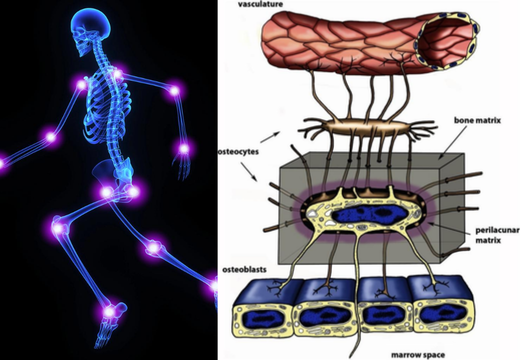
SThe Electric Skeleton

The Physics of Bone: The Piezoelectric Effect

In 1957, Japanese orthopedic surgeon Dr. Iwao Yasuda demonstrated that compressed or bent human bone generates a detectable electrical voltage. This is called the piezoelectric effect, the same principle that powers quartz watches, microphones, and sonar technology.The collagen and mineral structures in our bones convert mechanical stress into electrical currents.

Every time we walk, run, or lift something, each step sends an electrical charge through our skeleton. This current acts as a signaling system.The tiny voltages tell the osteoblasts—cells that build bone tissue—where to place new minerals to strengthen the structure.This biological electricity explains why astronauts lose 1% to 2% of their bone density each month in space.

Without physical pressure, the piezoelectric signal stops, and the body ceases to build new bone.

In the 1960s, Dr. Robert O. Becker showed that these microcurrents control the entire healing process.His discovery led to the development of FDA-approved electromagnetic devices used in hospitals today.

If our bones need movement to generate the electricity that maintains their density, then a sedentary lifestyle causes the skeletal system to lose its charge.

Osteoporosis isn’t just about not getting enough calcium. It’s about a lack of mechanical force to deliver that calcium to the right places. Our bones are like batteries, and they only recharge when we move.

Asthi Dhatu (Bone Tissue): The Ancient Ayurvedic Perspective

Long before modern science mapped the electrical currents of bone tissue, Ayurveda saw the skeleton not as lifeless stone, but as a dynamic and living tissue system called Asthi Dhatu (bone tissue).

In Ayurveda, the body is sustained by seven layers of tissues (Dhatus).
Asthi Dhatu (bone tissue) is responsible for sustaining, supporting, and shaping life.”Asthi” doesn’t just mean raw calcium.It represents the Earth element (Prithvi), stabilized by Air (Vayu), which gives structure to our consciousness.According to Ayurvedic texts, Asthi Dhatu (bone tissue) is the direct result of the metabolism of fat tissue (Meda Dhatu).When your metabolic fire (Agni) is strong and balanced, it converts nutrients into dense, strong bone tissue.

In Ayurvedic anatomy, tissue development follows a precise chain.

Asthi Dhatu (bone tissue) functions as the metabolic mother and physical protector of Majja Dhatu (bone marrow and nerve tissue).Strong bone metabolism ensures that its refined essence feeds and nurtures the central nervous system, brain, and blood-making marrow.Therefore, maintaining high-quality bone tissue is important not just for structure, but also for preventing neurological stress, protecting the nervous system from anxiety, and ensuring long-term cognitive and neuromuscular health.

However, if a lack of movement or poor diet disrupts this process, Vata dosha (the air and space element) increases in the hollow parts of the bones.

An excess of Vata dries out the bone matrix, leading to weakness, brittleness, and decay—what modern medicine calls osteopenia and osteoporosis. Ayurveda advocates that maintaining Asthi Dhatu (bone tissue) strength and alignment requires awakening bodily intelligence through appropriate movement, lifestyle practices, and targeted plant-based remedies.

Ayurvedic Synergy: Restoring and recharging your cellular matrix with Planet Ayurveda.

To support this self-charging crystal matrix, we need to combine the mechanical stimulus of movement with natural, biologically active materials that the body can effectively use.

Standard synthetic calcium supplements often fail because they lack the organic intelligence needed to guide minerals into the deep layers of bone.

To bridge this gap, Planet Ayurveda offers targeted formulations that directly feed Asthi Dhatu (bone tissue), ensuring that when movement generates an electrical charge, the body has the exact materials needed to rebuild

1. Bone Support Capsules by Planet Ayurveda

True bone health requires a wide range of trace minerals and organic catalysts to ensure that when your movement generates an electrical charge, the osteoblasts have the raw materials they need.

Planet Ayurveda’s Bone Support Capsules combine classic Ayurvedic herbs and natural calcium sources like Shudh Laksha, Suhanjana Beej, and Hadjod, along with traditional mineral preparations like Praval Pishti, Mukta Pishti, and Arjun.

  • Natural Mineral Bioavailability: Unlike synthetic calcium carbonates, which can lead to arterial calcification or kidney stones, the marine and mineral formulations (Pishtis) used by Planet Ayurveda provide calcium in an ionized, organic form.
  • Kindling Tissue Metabolism: Ingredients like Arjun and Suhanjana stimulate Dhatu Agni (tissue metabolism), ensuring that the absorbed minerals move past the digestive system and are deposited directly into the deeper layers of Asthi Dhatu (bone tissue).

2. Cissus Power Capsules by Planet Ayurveda

To speed up the rebuilding process and support the cellular signaling that Dr.
Becker and Dr.Yasuda discovered.

Ayurveda turns to a powerful therapeutic vine: Cissus quadrangularis, known in Sanskrit as Asthishrinkhla, which translates to “chain of bones.” It is also called Hadjod, meaning “bone joiner.”
Planet Ayurveda’s Cissus Power Capsules contain a highly potent, standardized extract of this specialized herb.

Cissus directly affects the body’s bio-electrical framework by:

  • Stimulating Osteoblast Genesis: It signals the bone-building cells to multiply, mimicking the natural effects of the piezoelectric current created during weight-bearing exercise.
  • Enhancing Collagen Synthesis: It increases the production of the flexible collagen matrix that gives bones their tensile strength, ensuring they remain strong and resilient.
  • Speeding Recovery: Just as micro-current therapy shortens healing times, Cissus has been shown to significantly reduce the recovery time of fractures and joint injuries by structurally reinforcing the bone matrix early in the repair cycle.

Nourish the Current, Build the Structure

We are not passive machines that run exclusively on food calories.

We are complex bioelectric systems that thrive on frequency, movement, and elemental nutrition.

To maintain strong, vibrant bones throughout your life, you cannot simply sit still and rely on a pill.

You must move to activate your body’s natural piezoelectric currents—and you must provide your Asthi Dhatu (bone tissue) with the deep botanical nourishment it needs to convert that electricity into lasting structural strength.By combining regular, weight-bearing movement with the pure, standardized formulations of Bone Support and Cissus Power Capsules by Planet Ayurveda, you harmonize ancient elemental wisdom with modern physics to keep your skeletal battery fully charged.

Lipaglyn With Saroglitazar: Modern Therapeutic Approach To Diabetic Dyslipidemia And Its Ayurvedic Herbal Substitute

In the landscape of metabolic medicine, managing the overlap of high blood sugar and abnormal cholesterol levels has traditionally required a multi-drug cocktail. Patients with Type 2 Diabetes Mellitus frequently experience a specific, hazardous pattern of lipid disruption known as diabetic dyslipidemia. This condition is characterized by elevated triglycerides, high levels of low-density lipoprotein (LDL, or “bad” cholesterol), and dangerously low levels of high-density lipoprotein (HDL, or “good” cholesterol).

To address this complex, interconnected health challenge, researchers developed Lipaglyn, a prescription medication containing the novel active pharmaceutical ingredient Saroglitazar. Approved by regulatory authorities such as the Drug Controller General of India (DCGI), Lipaglyn represents a unique pharmacological class: it is a “first-in-class” dual peroxisome proliferator-activated receptor (PPAR) agonist.

Unlike older generations of metabolic medications that selectively target either glucose or fat metabolism, Lipaglyn addresses both pathways simultaneously. By acting as a unified therapeutic agent, it helps lower triglycerides, improves the overall lipid profile, and enhances glycemic control, significantly lowering the risk of long-term cardiovascular complications.

Mechanism of Action: The Power of Dual PPAR Activation

To appreciate how Lipaglyn achieves its dual therapeutic effects, it is necessary to examine the cellular receptors it targets. Saroglitazar works as a dual agonist at two specific sub-types of nuclear receptors: PPAR-alpha and PPAR-gamma. These receptors act as molecular switches that regulate the expression of genes involved in clearing fats and utilizing blood sugar.

PPAR-Alpha Activation: Fixing the Lipid Profile

he PPAR-alpha receptor is primarily active in the liver, skeletal muscle, and heart tissue, where it governs lipid oxidation and clearance. When Saroglitazar binds to and activates PPAR-alpha, it sets off a cascade of beneficial lipid-modifying events:

  • Enhanced Lipoprotein Lipase (LPL) Activity: It increases the activity of LPL, an enzyme responsible for breaking down circulating, triglyceride-rich particles like very-low-density lipoproteins (VLDL) and chylomicrons.
  • Reduced Triglyceride Synthesis: It suppresses the liver’s production of new triglycerides and inhibits the expression of Apolipoprotein C-III (Apo C-III), an element that normally slows down fat clearance.
  • Elevation of Good Cholesterol: It stimulates the production of Apolipoproteins A-I and A-II, which serve as the primary structural building blocks of HDL cholesterol, helping raise “good” cholesterol levels in the blood.

PPAR-Gamma Activation: Resolving Insulin Resistance

While PPAR-alpha handles fat clearance, the PPAR-gamma arm focuses on glucose utilization, primarily within adipose (fat) and muscle tissues. In individuals with Type 2 Diabetes, cellular responses to insulin are compromised, causing glucose to accumulate in the bloodstream. Saroglitazar’s activation of PPAR-gamma corrects this by:

  • Sensitizing Peripheral Tissues: It alters gene expression to make muscle and fat cells highly sensitive to insulin, allowing them to absorb glucose from the blood efficiently.
  • Stimulating Adiponectin: It increases the secretion of adiponectin, an adipose-derived hormone that improves glucose regulation and limits tissue inflammation.
  • Lowering Glycated Hemoglobin (HbA1c): By lowering fasting plasma glucose levels, it directly aids in reducing HbA1c levels, providing smoother, long-term blood sugar control.

Therapeutic Indications and Clinical Efficacy

Lipaglyn is primarily prescribed to manage metabolic conditions where glucose and lipid imbalances occur together. Its clinical utility extends across several key areas:

Diabetic Dyslipidemia and Hypertriglyceridemia

The primary indication for Lipaglyn is the management of elevated triglycerides and mixed dyslipidemia in patients with Type 2 Diabetes. Clinical trials, including the EVIDENCES study series, demonstrate that a standard daily dose of 4 mg significantly reduces serum triglycerides (often by 45% or more) while lowering non-HDL cholesterol and raising beneficial HDL levels.

Non-Alcoholic Fatty Liver Disease (NAFLD) and NASH

Because fat metabolism is intimately tied to liver health, excess circulating triglycerides often accumulate within liver cells, causing Non-Alcoholic Fatty Liver Disease (NAFLD). If left unchecked, this progresses to Non-Alcoholic Steatohepatitis (NASH), marked by liver inflammation and scarring (fibrosis).

Saroglitazar has shown excellent results in reducing hepatic fat fraction, lowering elevated liver enzymes like Alanine Aminotransferase (ALT) and Aspartate Aminotransferase (AST), and mitigating liver stiffness and ballooning degeneration in biopsy-proven NASH trials.

Safety Profile, Side Effects, and Advantages

One of the most notable features of Lipaglyn is its favorable tolerability profile, especially when compared to historical PPAR agonists (such as glitazones or fibrates).

Common, Mild Side Effects

While Lipaglyn is generally well-tolerated, some patients may experience mild side effects, which typically resolve as the body adapts to the medication:

  • Gastrointestinal Symptoms: Mild gastritis, nausea, dyspepsia, or a feeling of stomach inflammation.
  • Systemic Manifestations: Occasional mild headaches, dizziness, or localized fatigue (asthenia).
  • Pyrexia: Infrequent, low-grade fever during the initial phases of therapy.

Key Advantages Over Older Drug Classes

Older medications that target PPAR receptors often carry heavy side-effect burdens. For example, older insulin sensitizers frequently cause significant fluid retention, peripheral edema (swelling), congestive heart failure risks, and notable weight gain. Fibrates, on the other hand, can sometimes trigger muscle pain (myopathy) or stress the kidneys.

Saroglitazar’s unique molecular structure allows it to achieve high therapeutic potency with minimal side effects:

  • No Significant Weight Gain: Clinical evaluations show no notable increase in body weight or abnormal fat accumulation.
  • No Edema or Fluid Retention: It does not cause the dangerous fluid retention often seen with older PPAR-gamma agents.
  • Non-Renal Elimination: Because it is not primarily cleared through the kidneys, it presents a lower risk of renal strain, making it an option doctors consider carefully for patients with delicate metabolic profiles.

The Ayurvedic Perspective: Metabolic Dysregulation as Prameha and Medoroga

To find an effective alternative or supportive herbal therapy within Ayurveda, we must translate the modern medical concepts of diabetic dyslipidemia and fatty liver into classical Ayurvedic principles.

In Ayurveda, Type 2 Diabetes is categorized under Prameha (specifically Madhumeha), a disease primarily rooted in an imbalance of the Kapha Dosha and an impairment of the body’s metabolic fire, known as Agni.

When Agni becomes sluggish (Mandagni), the body cannot digest food components completely. This results in the formation of Ama—a toxic, sticky, undigested metabolic byproduct. In diabetic dyslipidemia, this Ama mixes with disrupted fat tissue (Medo Dhatu), leading to a state called Medoroga (metabolic lipid disorders) and Srotorodha (the micro-channels of the body becoming clogged with sticky fat and metabolic waste).

To match the dual-action power of Lipaglyn, an Ayurvedic remedy must be able to rekindle Agni, eliminate deep-seated Ama, digest excess fat, and clear the body’s channels.

The Ideal Ayurvedic Herbal Substitute: Musta (Cyperus rotundus)

While several herbs support metabolic health, clinical research and traditional texts point to Musta (known botanically as Cyperus rotundus, and commonly referred to as Nut Grass) as a premier herbal counterpart for addressing the specific challenges of dyslipidemia and metabolic imbalance.

In comparative clinical meta-evaluations of various Ayurvedic interventions for dyslipidemia, formulations containing Musta Churna (the fine root powder of the herb) consistently demonstrate exceptional efficacy. Research indicates it can help reduce total cholesterol, lower serum triglycerides significantly, reduce bad LDL cholesterol, and simultaneously support a healthy rise in good HDL cholesterol. This broad-spectrum lipid-modifying impact mirrors the dual-action profile of modern PPAR agonists.

How Musta Works: Mechanisms of Action in Ayurveda and Modern Science

Musta targets metabolic disorders through a multi-faceted approach, combining traditional energetic principles with validated pharmacological pathways.

Energetic Properties (Rasa, Virya, Vipaka)

Musta possesses an optimal combination of Ayurvedic attributes that allow it to counter the root causes of Prameha and Medoroga

  • Katu, Tikta, Kashaya Rasa (Pungent, Bitter, and Astringent Tastes): These tastes directly counter the heavy, sticky, sweet qualities of excess Kapha and accumulated fat (Medas).
  • Laghu and Ruksha Guna (Light and Dry Qualities): These properties physically scrap away excess fat accumulation and dry up damp, sluggish metabolic wastes.
  • Sheeta Virya (Cooling Potency) & Katu Vipaka (Pungent Post-Digestive Effect): This unique balance ensures that while the herb strongly stimulates metabolism and digests fats, it does not aggravate systemic inflammation or overheat the body.

Deepana and Pachana (Rekindling Fire and Digesting Toxins)

The primary way Musta corrects blood lipid and glucose abnormalities is through its potent Deepana (appetite-stimulating) and Pachana (toxin-digesting) actions. It acts directly on the liver (Yakrit) and the localized tissue metabolic fires (Dhatvagni). By clearing the sticky Ama that coats insulin receptors, Musta helps restore natural cellular sensitivity, allowing the body to process sugars and fats efficiently without creating toxic accumulations.

Lekhana Karma (Scrapping of Excess Tissue Fats)

In classical Ayurveda, Musta is celebrated for its Lekhana or “scrapping” action. Just as Lipaglyn activates PPAR-alpha to clear circulating VLDL and triglycerides from the blood, Musta physically and metabolically scraps away excess fat accumulation from the blood vessels and liver cells, helping reverse conditions like fatty liver disease (NAFLD).

Modern Pharmacological Correlates

Modern phytochemical analyses reveal that Musta is rich in active essential oils, flavonoids, terpenoids, and polyphenols. These natural plant compounds exhibit strong antioxidant and anti-inflammatory properties that protect blood vessels from cholesterol-induced damage.

Furthermore, research indicates that Musta extracts modulate key enzymes involved in carbohydrate and fat metabolism, gently encouraging the liver to burn fatty acids rather than storing them, while helping keep blood sugar readings stable.

Practical Application and Integration

While Musta presents an excellent natural approach to metabolic care, managing conditions like diabetes and dyslipidemia requires a careful, personalized strategy.

Sourcing and Dosages

Musta is traditionally consumed as a fine root powder (Musta Churna) at a standard dose of 2 to 3 grams, taken twice daily with warm water, typically before meals. It can also be prepared as a concentrated decoction (Kwath).

Important Clinical Considerations

It is critical to recognize that herbal alternatives should never be substituted abruptly for prescribed medications like Lipaglyn without close medical supervision. Lipaglyn is a high-potency, targeted pharmaceutical agent designed for acute or deep-seated metabolic crises.

An herbal substitute like Musta works beautifully as part of a long-term, preventative approach or alongside modern therapies to help reduce dependence on multiple medications over time. Any adjustments to your treatment plan must be made in consultation with your prescribing physician and a qualified Ayurvedic doctor to ensure your blood sugar and lipid levels remain safely controlled.