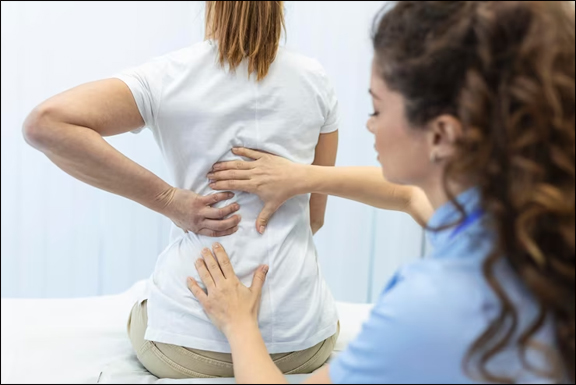
Sciatica- Symptoms, Diagnosis, and Ayurcedic Treatment
ABSTRACT
Sciatica refers to the pain which travels along the pathway of the sciatic nerve. Pain is a distressing feeling which is caused by damaging the stimuli. It is associated with potential tissue damage. It lasts until the stimulus is removed until the damage is healed. Pain is an uncomfortable sensation in the body which is activated by the nervous system. It usually ranges from a sharp stab to a dull ache. It may be consistent and lasts shortly or long for a certain period of time. Pain may be localized which affects some specific part of the body or generalized which is related to the whole body. There are various types of pain such as Acute pain which is usually for a short period of time and often results from injury or illness. Chronic Pain comes and goes over multiple years such as migraine, cancer and sometimes arthritis. Nociceptive pain is caused due to damaged tissue such as cuts, fractures and in tissue inflammation condition. Neuropathic pain is caused due to damaged nerves it can develop in diseases such as multiple sclerosis. Functional pain is caused due to no injury or damage to the body. In this article, we are going to discuss the causes and symptoms of sciatica and its ayurvedic view in detail.

INTRODUCTION
Sciatica is a common type of pain which is affecting the sciatic nerve which radiates from the lower back down to the lower leg. It is generally caused by irritation, inflammation and by compressing of the nerve which is in the lower back and originates from the gluteal area. The sciatic nerve is the longest and thickest nerve in the body. It is made up of five roots of nerves two from the lower back which is the lumbar spine and three in the final section of the spine known as the sacrum. These both come together and further form the sciatic nerve. Sciatica is a stabbing type of pain which is mainly the sharp, shooting type of pain. 90% of the sciatica is due to herniation of the spinal disc which presses the roots of the lumbar and sacral nerves. One may feel pain, weakness and numbness in the areas, which further affects the bones of the neck and back.
FACTS ABOUT SCIATICA
- Sciatica overlaps with multiple diseases such as lumbar radiculopathy which compresses the nerve.
- The risk of Sciatica increases with height and weight
- In sciatica, exercise is better than rest as exercise helps to improve the spinal discs and improve the tone of muscles.
- Mainly men and middle-aged adults are more seen in Sciatica.
- When there is sciatica type of pain one may change their Gait (antalgic Gait) which is adjusted while walking.
- Diabetes mirrors sciatic nerve pain which involves the compression of the sciatica nerve.
CAUSES
Sciatica is caused by different medical conditions such as
1. Herniated or slipped discs
It is due to pressing of the lumbar and sacral nerve which is seen in 90% of the cases. The pain usually increases while bending and reduces when the patient is lying down. It is the most common cause of sciatica.
2. Spinal Stenosis
It includes lumbar stenosis, which runs through the spinal cord and compresses the cord and this narrowing causes inflammation and herniated disc. It is commonly seen when the patient is standing, or walking and reduces when they bend forward.
3. Piriformis Syndrome
When there is trauma to the piriformis muscle it leads to compression of the sciatic nerve.
4. Endometriosis
It is known as cyclical sciatica whose diagnosis is made by MRI and CT myelography.
5. Pregnancy
Sciatica can also occur during pregnancy as the weight of the fetus presses on the sciatica nerves during sitting poses.
6. Muscle spasms on buttock back
7. Spondylolisthesis (when the vertebrae slip over one another)
8. Osteoarthritis (bone spurs which form in the spines and further compress the lower back).
9. Cauda equina syndrome
Rare but serious condition which affects the bundle of nerves and causes pain deep down the legs which further numbs the area.
PATHOPHYSIOLOGY
Sciatica is caused due to compression of L4 – L5 or S1. It is mainly due to the bulging of the spinal disc and herniation. The Intervertebral spinal disc consists of the annulus and inner nucleus pulposus. The annulus consists of a rigid ring around the nucleus which is contained within the disc; these discs separate the spinal vertebrae and increase the stability of the spine. As the age increases the annulus weakens and becomes less rigid which further causes a tear which gets pressed against spinal nerves. The secondary cause is spinal misalignment which reduces the lateral foramen.
SYMPTOMS
- Pain in the hip area
- Shooting and constant type of pain
- Burning and tingling sensation in the leg
- Numbness and hard time in the leg
- Loss of bladder and bowel control
- Moderate to severe pain in the buttock and lower back.
- Pain gets worse during any movement.
- Overweight
- Smoking
- Wearing high heels
DIAGNOSIS
- Spinal X-ray
- MRI (magnetic resonance imaging)
- CT Scan (computed tomography)
- Electromyography (EMG)
- Myelogram
TREATMENT
Home remedies
1. Using ice packs
2. Stretching
- Side-lying hip stretch
- Back-lying hip flexor
- Buttock pinch
3. Medications
- Anti-inflammatory
- Anti-seizure
- Narcotics
- Antidepressants
4. Steroid Injections- Like cortisone shot
5. Surgery
AYURVEDIC MANAGEMENT
Sciatica refers to gridhasi in ayurveda which is one of the neurological disorders due to Vata imbalance which is derived from Gridha which means bird vulture. It is caused due to vitiation of Vata dosha in the body along with Kapha doshas which radiates the pain in the affected leg and changes the Gait. Aggravated Vata enters the hip region and fills up the channel and empty spaces further producing stiffness and pain in the affected area which moves down in the leg region and causes sciatica (Gridhasi).
NIDANA (AETIOLOGY)
1. Aharaja ( Inappropriate diet)
- Intake of oily and fried food
- Intake of cold items (frozen)
- Fasting
- Formation of ama (toxins)
2. Viharaja (Inappropriate activities)
- Using uncomfortable seats
- Sleeping during day time
- Suppression of natural urges
- Sexual indulgence in excess
- Ratri Jagran (awake at night)
3. Mansika- (psychological)
- Excessive anger and fear
4. Abhighataja (Traumatic)
- Injuries
- Any kind of trauma
POORVA ROOPA
- Constipation
- Feeling of heaviness
- Stiffness and pain in the hip region
BHEDA (TYPES)
1. Vataja Gridhrasi- It includes the vitiation of Vata doshas which includes
- Stamba
- Pain
- Pricking type of pain
- Twitching type of pain
2. Vata
Kaphaja Gridhasi- It includes vitiation of Vata doshas along with Kapha doshas along with symptoms includes
- Drowsiness
- Heaviness in the body
- Anorexia
UPASHAYA- ANUPASAYA
Upashyaya (pacifying factors)
- Yoga
- Maintaining the proper diet
- Stretching exercises
- Staying active
- Use of heat and cold packs
ANUPASHAYA (non-pacifying factors)
- Poor alignment
- Depression
- Sedentary lifestyle
- Smoking
- Improper sleep and lying postures
TREATMENT
1. Shodhana
It is the removal of the accumulated toxins
- Snehana (oleation)- helps to reduce the Ruksha gunas which are caused by the vitiation of Vata doshas. It helps to promote and provides digestion.
- Swedana (sudation)- It is done by various fomentation processes such as Nadi swedana, tub bath and many more.
- Basti (enema)- Pakvasaya is the main seat for Vata doshas so enema is the best treatment. They are of two types- Niruha Basti and anuvasana basti.
- Virechana- It is the mild purgation with drugs.
2. Shamana Chikitsa
This is classified into two types
- Bahya Chikitsa (external)- in the form of dhara and sweda.
- Abhyantra Chikitsa (internal)- in the form of churna, guggul and arista.
3. RASAYAN CHIKITSA Rejuvenating Therapies
- Abhyanga- massage with medicated oils which helps to improve circulation.
- Kati Basti
- Nasya
HERBS USEFUL IN SCIATICA
NIRGUNDI
Nirgundi (Vitex negundo) is a very good muscle relaxant which helps in relieving pain and in swelling. Has properties of anti-inflammatory, anticonvulsant and hepato-protective activity. It is used in the treatment of cysts and in fistula in ano. Helps to improve ventilation and has analgesic properties, Improves the menstrual flow and improves the blood circulation process.
ERANDA
Eranda (Castor) is very useful in neurological diseases and helps to relieve pain. It is helpful in balancing Vata and Kapha doshas and helps to relieve bloating and is useful in abdominal tumours. Has anti-inflammatory properties which relieve swelling and oedema. Helpful in the treatment of asthma and chronic respiratory disorders. Improves digestion further balances the Vata disorders and is useful in liver disorders.
GUGGUL- Guggul (Commiphora Mukul)
is one of the most used ayurvedic herbs which has binding properties and helps in relieving inflammation. Helpful in strengthening the bones and joints and useful in fractures and dislocations. It has rejuvenative properties and is helpful in improving digestion. Heals wounds quickly and is easy to digest and lowers the level of cholesterol.
RASNA
Rasna (Pluchea lanceolata) is helpful in the treatment of pain and in indigestion. It is known as the best drug for Vata disorders. It helps to reduce the vitiated Kapha and Vata disorders and helps to control the poison. Rasna helps to improve digestion and relieves the ama doshas. Helpful in the treatment of joints and muscles.
HERBAL REMEDIES BY PLANET AYURVEDA FOR SCIATICA
Planet Ayurveda is an eminent ISO 9001:2015 certified, GMP certified and US-FDA registered ayurvedic company which adheres to the objective of its ayurvedic products as mentioned in the ayurvedic texts. Formulations which are manufactured by planet ayurveda are without any additives and preservatives and do not cause any side effects on the human body. Products manufactured at planet Ayurveda are pure and devoid of any adulterations. These products are pure and gluten-free. For the sciatica planet, ayurveda manufactured a sciatica care pack which is helpful and beneficial in it.
PRODUCTS LIST
SCIATICA CARE PACK
- Boswellia Curcumin
- Hakam Churna
- Ashwagandha Capsules
- Yograj Guggul
- Vrihat Vatchintamani Ras
- Dhanwantharam Tailam


PRODUCTS DESCRIPTION
1. Boswellia Curcumin
Boswellia Curcumin is a polyherbal capsule which is made by planet ayurveda using Shallaki (Boswellia serrata) and Curcumin (Curcuma longa). These capsules have anti-inflammatory properties which are helpful in relieving joint pain. It has Boswellia and curcumin which helps to reduce brain oedema and kills the cancer cells. Has antioxidant properties which help to support the joint movement.
Dosage- 2 capsules twice daily with plain water after meals.
2. Hakam Churna
Hakam Churna is polyherbal churna which is made by planet ayurveda using various ingredients such as Chandershoor (Lepidium sativum), Kalonji (Nigella sativa), Ajwain (Trachyspermum Ammi) and many more. It has anti-inflammatory properties which are useful in joint conditions and helps to balance the tridoshas of the body. Reduces the serum cholesterol level and improves digestion.
Dosage- 1 teaspoon twice daily
3. Yograj Guggul
Yograj Guggul is a herbal tablet which is prepared by planet ayurveda with various ingredients such as Guggul (Commiphora mukul), Jeeraka (Cuminum cyminum), Ela (Elettaria cardamomum) and many more. It has anti-inflammatory properties which help with swelling and heart ailments. Yograj guggul helps to maintain healthy cellular and body functions.
Dosage- 2 tablets twice daily with lukewarm water
4. Ashwagandha Capsules
Ashwagandha Capsules are single herbal capsules which are formulated by Planet Ayurveda using a standardized extract of Ashwagandha (Withania somnifera). It helps to strengthen immunity and enhances spermatogenesis and has inflammatory properties. Helpful in strengthening the muscles and maintains the blood flow in the body.
Dosage- 1 capsule twice daily with plain water after meals.
5. Vrihat Vatchintamani Ras
Vrihat Vatchintamani Ras is a classical ayurvedic tablet formulation made by Planet Ayurveda using ingredients such as Swarn Bhasma (Calx of gold), Loha Bhasma (Calx of iron), Mukta Bhasma (Calx of pearl) and many more. These tablets are helpful in Vata imbalance such as in paralysis, tremors and in many more. Helps to maintain the healthy nervous system and functioning of the brain.
Dosage- 1 tablet twice daily
6. Dhanwanthram Tailam
Dhanwanthram Tailam is a classical ayurvedic product which is made by Planet Ayurveda using Kola (Ziziphus jujuba), Bilva (Aegle marmelos), Brihat (Solanum Indicum) and many more. This tailam is helpful in arthritis problems and in Vata imbalance disorders. Helpful in toothache pain and in neuralgia.
Dosage- Massage externally on the affected site.
Contact Planet Ayurveda Support Team to provide you the costing / ordering and delivery information at – costing.planetayurveda@gmail.com or Call at 0172-521-4040 (India), +91-172-521-4040 (Outside India) or Whatsapp at (+91) 9915-593-604
CONCLUSION
Sciatica refers to the pain which travels along the pathway of the sciatic nerve. Pain is a distressing feeling which is caused by damaging the stimuli. It is associated with potential tissue damage. It lasts until the stimulus is removed until the damage is healed. Sciatica is a common type of pain which is affecting the sciatic nerve which radiates from the lower back down to the lower leg. It is generally caused by irritation, inflammation and by compressing of the nerve which is in the lower back and originates from the gluteal area. The sciatic nerve is the longest and thickest nerve in the body. It is caused due to vitiation of Vata dosha in the body along with Kapha doshas which radiates the pain in the affected leg and changes the Gait. Planet Ayurveda provides many herbal remedies which are very beneficial without causing any side effects.