Tag: ITP Treatment In Ayurveda

Immune Thrombocytopenia (ITP) – Causes, Symptoms & Ayurvedic Treatment

Abstract

Idiopathic Thrombocytopenic Purpura (ITP),also known as Immune Thrombocytopenia is a auto-immune disorder characterized by isolated thrombocytopenia platelet count 100,000/ul without another identifiable cause .In ITP, autoantibodies destroy circulation platelets and may impair platelet production, increase the risk of bleeding Let us discuss more about this!

Immune Thrombocytopenia (ITP)

Introduction

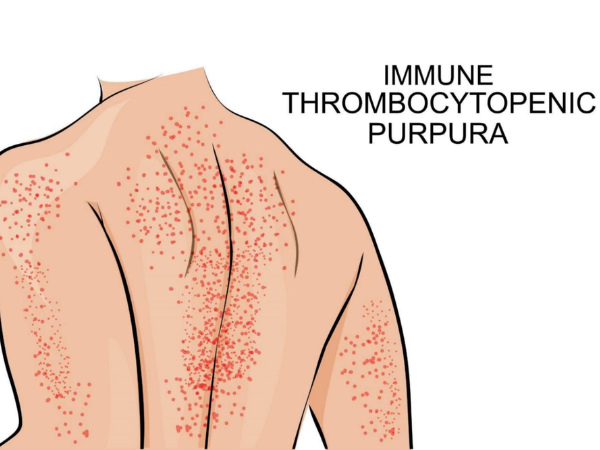
Idiopathic Thrombocytopenic Purpura (ITP) also called Immune Thrombocytopenia -it is an autoimmune disorder where the immune system mistakenly attacks and destroys blood- clotting platelets. This results in easy bruising, bleeding gums, nose bleeds and pinpoint red dots on the skin, reddish-purple dots on the skin that look like a rash.Low level of the cells that help blood clot, also known as platelets, most often cause the bleeding.

Causes

  • The system that protects your body from germs accidentally attacks your own platelets instead .
  • In adults some infections can trigger ITP. these includes HIV, HEPATITIS and a stomach infection caused by H.pylori bacteria
  • In Children ,ITP often starts after they have had a virus like the flu or mumps.
  • Immune disorders like Rheumatoid arthritis.

Symptoms

  • Petechiae: Tiny red or purple spots on the skin caused by small amounts of bleeding under the skin.
  • Purple and Bruising : Purple, brown or dark patches on the skin or bruises that appear easily
  • Mucosal Bleeding : Frequently nosebleeds or bleeding from the gums
  • Excessive Bleeding: Very heavy periods or blood appearing in urine or stool

Symptoms according to ayurveda

Poorva Roopa (Premonitory Symptoms)
Early warning sign

  • Gala Shuka Purnata : Sensation of the throat being filled with dust or biological fibers.
  • Ura Vidaha : Burning sensation in the chest area.
  • Amla Udgara: Sour belching or severe acid reflux.
  • Sheeta Kamitva : Intense craving for cold foods and environment.
  • Loha gandhi nishwasa : Breath that smells distinctively metallic or iron like.
  • Aruchi & Klama: Sudden loss of appetite accompanied by unexplained fatigue


Roopa (Active Clinical Manifestations)

Active blood vitiation

  • Triyakgata Raktasrava: Bleeding under the skin, which appears as tiny red or purple spots(Petechiae) or unusual bruises (purpura).
  • Nasagata Raktastrava: Frequent bleeding from the nose (nosebleeds).
  • Asrigdhara/Menorrhagia: Very heavy or longer then usual menstrual bleeding in women
  • Mukha Raktasrava: Bleeding from the gums or the formation of bl;ood filled blisters inside the mouth.
  • Raktamutra &Purisha: Presence of blood in urine or stool.
  • Sarvanga Dahatva: A strong burning feeling or heat sensation throughout the body.
  • Jwara: Mild to moderate fever affecting the whole body.

Jwara: Mild to moderate fever affecting the whole body.

When Pitta & Rakta imbalance remains unmanaged, it leads to severe complication

  • Brahma & Daurbalya: Feeling very dizzy, lightheaded and extremely weak because of losing a lot of blood
  • Abhyantara Raktasrava: Dangerous internal bleeding where blood leaks inside the body and may affect important organs like the lung, stomach, intestine or brain

Diagnosis

    • Physical examination – Check for red dots, purple spots,
    • Medical history – Review viral illness, past health issues .

Lab test –

    • Complete blood count(CBC) : Shows a low platelet count(typically below 100 × 10⁹/L), while red & white blood cell counts remain completely normal.
    • Peripheral blood smear: Examine blood cells to confirm the low number and check the size and shape of platelets.
    • Exclusion test: Screening blood tests for conditions that mimic ITP, such as HIV, hepatitis viruses or systemic lupus erythematosus

Modern treatment

  • Corticosteroids: Prednisone or dexamethasone help in raising platelet counts by showing how fast the immune system destroys them .
  • Intravenous Immunoglobulin (IVIG): Given by iv infusion to increase platelets count
  • Anti-D Immunoglobulin: Used for specific Rh-positive patients to block platelet destruction as an alternative to IVIG.
  • TOP Receptor Agonists: Medications like romiplostim and eltrombopag signal the bone marrow to produce more platelets.
  • Monoclonal Antibodies: Drugs like rituximab target specific immune cells to stop them from attacking platelets.
  • Avoid Blood thinners

AYURVEDIC OVERVIEW

According to the Ayurveda, Immune Thrombocytopenic Purpura(ITP) is best understood as Triyakgata Raktapitta, a bleeding caused by the imbalance of Pitta and Vata doshas and the contamination of Rakta dhatu (blood tissue) According to Acharya Vagbhata, excessive intake of foods possessing Ushna (hot), Tikshna (sharp/pungent), Katu (pungent), and Lavana (salty) rasa leads to the aggravation of Pitta Dosha. The aggravated Pitta, along with the involvement of Vata and Kapha, causes vitiation of the Rakta Dhatu (blood tissue), resulting in the development of Raktapitta. In this condition, the vitiated Pitta combines with the vitiated Rakta, leading to bleeding from various body orifices. When the vitiated blood also oozes through the Romakupa (hair follicles), the condition is known as Triyakgata Raktapitta. Triyakgata Raktapitta is primarily considered a Pitta-dominant disorder. However, as the disease progresses, Vata and Kapha also become significantly involved, transforming it into a Pitta-predominant Tridoshaja (Sannipataja) disorder. According to Ayurvedic principles, chronic or advanced diseases often progress to a Sannipataja stage, where all three Doshas are simultaneously vitiated. Due to its severe nature, complex pathogenesis, and poor prognosis in advanced stages, Triyakgata Raktapitta is classified as a Mahagada (major/severe disease).

Herbal remedies for Ulcerative Colitis by Planet Ayurveda

Planet Ayurveda is an Indian herbal manufacturing and healthcare enterprise founded by Dr. Vikram Chauhan in Mohali, Punjab. The company specializes in producing 100% natural Ayurvedic herbal supplements made from carefully selected medicinal plants. Its product range includes standardized plant extract capsules, powders, herbal teas, and liquid formulations featuring herbs such as Ashwagandha, Curcumin, and Triphala. All products are manufactured without the use of chemicals, preservatives, artificial colors, or additives, ensuring purity and authenticity. In addition to manufacturing herbal products, the company offers Ayurvedic clinical consultations and exports its products to customers worldwide, promoting traditional Ayurvedic healthcare through natural, high-quality herbal formulations.

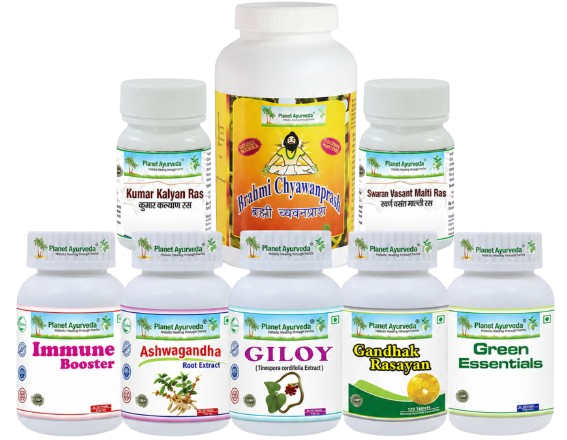
  • Immune Booster
  • Ashwagandha Capsules
  • Giloy Capsules
  • Gandhak Rasayan
  • Green Essentials
  • Kumar Kalyan Ras
  • Brahmi Chyawanprash
  • Swaran Vasant Malti Ras

Product description:-

  • Immune Booster Capsules- Immune Booster Capsules are a capsule formulation designed to support healthy immune function and improve the body’s natural defense mechanisms. The key ingredients include Amalaki (Emblica officinalis), Bhumi Amla (Phyllanthus niruri), Grape Seed (Vitis vinifera), Cow Colostrum etc. These ingredients are rich in antioxidants, polyphenols, vitamins, and bioactive compounds that help combat oxidative stress and promote balanced immune responses. In disease management, the formulation supports immune modulation, enhances resistance against recurrent infections, promotes tissue repair, and improves overall vitality.
    Dosage: 1–2 capsules twice daily after meals with plain water or as directed by an Ayurvedic physician.
  • Ashwagandha Capsules- Ashwagandha Capsules are a vegetarian capsule formulation containing a standardized extract of Ashwagandha (Withania somnifera). Ashwagandha is a renowned Ayurvedic adaptogen that helps the body cope with physical and mental stress while supporting strength and endurance. It possesses immunomodulatory, antioxidant, anti-inflammatory, and rejuvenating properties. In disease management, it helps improve immunity, supports healthy nervous system function, promotes muscle strength, enhances recovery, and reduces fatigue associated with chronic illnesses. It also supports healthy inflammatory responses and overall well-being.
    Dosage: 1–2 capsules twice daily after meals with plain water or as directed by an Ayurvedic physician
    .
  • Giloy Capsules- Giloy Capsules are a capsule formulation prepared from a standardized extract of Giloy (Tinospora cordifolia). Giloy is widely recognized in Ayurveda as a potent Rasayana herb that supports immunity and detoxification. It exhibits antioxidant, immunomodulatory, anti-inflammatory, hepatoprotective, and antimicrobial properties. In disease management, Giloy helps regulate immune responses, reduces inflammation, supports liver health, and enhances the body’s resistance to infections. It also helps improve recovery and maintain healthy metabolic functions while reducing oxidative stress.
    Dosage: 1–2 capsules twice daily after meals with plain water or as directed by an Ayurvedic physician
  • Gandhak Rasayan- Gandhak Rasayan is a classical Ayurvedic tablet formulation prepared using purified Sulphur (Shuddha Gandhak). It is considered a potent Rasayana that supports immune health and tissue rejuvenation. In disease management, it helps enhance immunity, supports healthy skin and mucosal tissues, promotes detoxification, reduces microbial burden, and improves recovery by minimizing oxidative stress and inflammation.
    Dosage: 1 tablet twice daily after meals with plain water or as directed by an Ayurvedic physician
  • Green Essentials- Green Essentials is a powder formulation prepared from a blend of nutrient-rich superfoods including Spirulina, Wheat Grass, Grape Seed (Vitis vinifera) etc. It provides essential vitamins, minerals, chlorophyll, antioxidants, amino acids, and phytonutrients. In disease management, it helps improve nutritional status, supports immunity, promotes detoxification, combats oxidative stress, and enhances cellular health. Its antioxidant-rich composition supports tissue repair, energy production, and overall vitality during chronic illnesses and recovery.
    Dosage: Mix 1 teaspoon (approximately 5 g) in water or juice once or twice daily, or as directed by an Ayurvedic physician.
  • Kumar Kalyan Ras- Kumar Kalyan Ras is a classical Ayurvedic tablet formulation prepared using purified mineral preparations such as Swarna Bhasma, Mukta Bhasma, Pravala Bhasma, Rasa Sindoor, and Abhrak Bhasma, processed according to classical Ayurvedic pharmaceutics. Traditionally regarded as a rejuvenative formulation, it supports immunity, strength, and healthy growth. In disease management, it enhances immune resilience, supports respiratory health, promotes tissue nourishment, and improves recovery in debilitated individuals. It also acts as a Rasayana by improving vitality and strengthening the body’s natural defense mechanisms.
    Dosage: 1 tablet once or twice daily with honey, ghee, or as directed by an experienced Ayurvedic physician.
  • Brahmi Chyawanprash- Brahmi Chyawanprash is a herbal avaleha (herbal jam) prepared using Amalaki (Emblica officinalis), Brahmi (Bacopa monnieri), Ashwagandha, Pippali, Ghee, Honey, and numerous classical Ayurvedic herbs. It is a nourishing Rasayana that supports both cognitive and immune health. Rich in antioxidants and rejuvenating herbs, it helps improve mental performance, supports memory, enhances immunity, promotes respiratory health, and increases overall vitality. In disease management, it assists in improving resistance to recurrent illnesses while supporting healthy nervous system function.
    Dosage: 1–2 teaspoons twice daily with warm milk or lukewarm water after meals, or as directed by an Ayurvedic physician
  • Swaran Vasant Malti Ras- Swarn Vasant Malti Ras is a classical Ayurvedic tablet formulation containing Swarna Bhasma, Mukta Bhasma, Maricha (Piper nigrum), Hingula, and other purified mineral ingredients, processed according to classical Ayurvedic texts. It is traditionally considered a potent Rasayana with immunomodulatory and rejuvenating properties. In disease management, it supports healthy immune responses, promotes strength, enhances tissue nourishment, improves recovery from chronic illnesses, and helps maintain respiratory health and vitality.
    Dosage: 1 tablet once or twice daily with honey, ghee, or as prescribed by an Ayurvedic physician

Home Remedies by Planet Ayurveda

  • Red Juice: Red juice is quite a drink. It can be prepared with things which are obviously of red color like pomegranate,apple,beetroot,half or one carrot and one thing which is green but is important in this juice. It is amla or gooseberries.You can take the juice of one apple,one pomegranate,one beetroot,two gooseberries and two or three black grapes.Mix these well and have this juice at least once in a day.
  • Juice of Papaya Leaves:If nothing can be done like you don’t have ingredients for red juice or green juice or you want to try something extra to maintain your platelets then nothing is better than the juice of papaya leaves. Take two fresh papaya leaves and extract fresh juice. Have freshly extracted papaya juice at least twice daily. This will give you wonderful results.
  • Giloy Decoction or Juice: Giloy or Guduchi is a very famous herb of Ayurveda and of India as well. It not just has an immune modulatory effect but it can mould its effect according to the needs of the body. Giloy decoction of juice can be prepared with a giloy stem. Take a giloy stem and crush it. Boil it in water to make decoction. In case of fresh juice extract the juice from the giloy stem. It can be taken once daily in the quantity of around 50-100ml varying according to age.

Diet In Idiopathic Thrombocytopenic Purpura (ITP)

AVOIDE

  • Non-veg
  • All Citric food & fruits
  • Cauliflower
  • Cabbage
  • Kidney beans
  • Green and Red chillies

TO TAKE

  • Egg white
  • Coconut water
  • Pumpkin seeds
  • Pomegranate
  • Pumpkin
  • Broccoli
  • Turnip
  • Green gram
  • Fennel
  • Turmeric

Conclusion

Idiopathic Thrombocytopenic Purpura (ITP) is an autoimmune hematological disorder characterized by isolated thrombocytopenia due to immune-mediated platelet destruction and impaired platelet production, resulting in an increased risk of bleeding. Early diagnosis through clinical evaluation and laboratory investigations, along with appropriate medical management, is essential to prevent complications. From an Ayurvedic perspective, ITP can be correlated with Triyakgata Raktapitta, involving Pitta dosha aggravation and Rakta dhatu dushti. Ayurvedic management focuses on maintaining Dosha balance, improving Rakta dhatu health, enhancing immunity (Ojas), and supporting overall well-being through proper diet, lifestyle modification, and individualized therapy. Integrative care with regular platelet monitoring and guidance from qualified healthcare professionals is important for safe and effective management of the condition.

Ayurvedic Management of ITP in Children

Abstract

ITP (Immune Thrombocytopenic Purpura) is a medical condition related to blood, it is an autoimmune condition that occurs when our own body attacks the platelets and destroys them.  It is the commonest type of thrombocytopenia that occurs amongst the growing children. In India each year ITP affects around 30,000 children under the age of 16 years and globally around 200,000 people at any given time suffer from this condition. If left untreated this condition can pose serious complications such as bleeding in the lungs, brain or vital organs with increase in mortality rates in older patients.

ITP

Introduction

Idiopathic Thrombocytopenic Purpura is a condition characterized by a low platelet count, that is below 150,000 per microliter of blood. Platelets are one of the components of blood that are responsible for blood clotting, it helps stop bleeding when injured. This condition is classified under autoimmune diseases as the body’s own immune system mistakenly attacks the platelets and tries to destroy them in the spleen and other parts of the body. Platelets are produced in the bone marrow and about 1/3rd of it is stored in the spleen for use in emergencies. In ITP due to unknown reasons either the production of platelets is minimised or there is constant destruction due to autoimmune condition. This condition generally presents itself with signs and symptoms of purpura, easy bruising, bleeding from nose and gums. While it can occur in all ages it is growingly becoming frequent in children. In this article we will try to understand this condition, its causes, signs and symptoms, how to diagnose the condition and what are the treatment options available with special knowledge about how to manage the condition using Ayurvedic principles and herbs.

Understanding ITP

ITP, expanded as Immune Thrombocytopenic Purpura also known as Idiopathic Thrombocytopenic Purpura is an autoimmune disease in which our own immune system attacks the platelets and tries to destroy them. Platelets also called as thrombocytes are small disc shaped fragments in our blood that help in blood clotting and wound healing whenever we are injured. They are formed in bone marrow and circulate in blood throughout the body. Our spleen plays a crucial role in regulating plates and acts as a storage box for platelets. About 1/3rd of the body’s platelets are stored in the spleen and are released when the body needs it during injury or blood loss to form a clot. The normal count of platelets in a healthy individual ranges from 150,000 to 450,000 platelets per microliter of blood. This normal count drops down below 1,50,000 in children suffering from ITP putting them at risk of excessive bleeding without clotting.

This condition can occur as acute onset as in viral infections such as dengue and chicken pox. This occurs mainly in children between the age of 2 to 6 years. And it usually recovers quickly as the viral infection comes down. The chronic onset on the other hand can occur at any age and the patient suffers lower platelet counts for months and has the period of recovery and relapse and the patient might need an ongoing treatment for a certain period of time.

What causes ITP in children

We don’t often always know what causes ITP in children but here are few factors that contribute in causing this condition

  1. Viral Infections : the viral diseases such as Dengue, chickenpox, rubella or even some of the viral respiratory illnesses can drop the platelet counts in children when affected.
  2. Autoimmune Disorder : sometimes our body identifies platelets as a foreign body and tries to attack and destroy them.
  3. Hereditary Factors : occasionally a family history is seen to be present but it is not always a genetically inherited condition.
  4. According to Ayurveda a deranged Pitta is the cause for ITP to occur. This condition can be considered as RaktaPitta from the Ayurvedic point of view where the increased Pitta settles in the blood causing bleeding disorders. Generally, if a pitta constitutional person indulges in foods that are heating, spicy, too much oily, too much sour and salty foods, indulges in activities that includes prolonged exposure to heat and sun, intense physical workouts etc. experiences anger issues, the pitta in his body is likely to increase and flows through the blood disturbing the components of blood leading to conditions such as ITP.

Clinical presentation of ITP in children

In many cases children with ITP go unnoticed as they don’t pose any signs and symptoms and they are diagnosed only during regular blood work incidentally. However, in others the clinical presentations may vary from mild to severe depending on the platelet count. Here are some of the common signs and symptoms that generally appear amongst children.

  1. Purpura : Reddish to purple spots on the skin caused due to bleeding underneath the skin or mucous membrane
  2. Petechiae : small or tiny red or purple dots on the skin caused due to minor bleeding from the small blood vessels.
  3. Bruising : The skin of a person suffering from ITP bruises easily even with a slightest injury or hurt.
  4. Bleeding Through Nose : prolonged bleeding from nose occurs often is the sign of ITP.
  5. Gum Bleeding : Bleeding from gums especially after brushing the teeth may also be a typical sign in children with ITP.
  6. Menorrhagia : Heavy menstrual bleeding can be one of the symptoms of an adolescent girl suffering from ITP.
  7. Blood In Urine Or Stools : In severe cases internal bleeding can lead to blood to be seen in urine and stools.

Consistent formation of purpura and petechiae in children especially in upper or lower extremities. If the platelet counts fall below 20,000 microliter,  bleeding from the nose or gums may occur with excessive menstrual flow in early teens. We can also observe spontaneous formation of blood masses in the mouth if the platelets drop down below 10,000 microliters. Serious complications may occur with fatality if the count goes below 3000 microliters. Hence, a child with ITP must have regular blood work for platelet counts and needs to be taken care of early on.

How to confirm the diagnosis of ITP in children

Generally, the clinical presentation of above symptoms suggests ITP. However, to understand the severity of ITP, a complete blood count becomes critical. CBC shows low platelet count generally less than 100,000 microliters of blood with no changes in WBC or RBC counts. It is important to take a peripheral blood smear to rule out blood disorders such as leukaemia in which the platelets are constantly destroyed due to blood cancer. It is also recommended to take bone marrow aspiration to rule out any abnormalities in the bone marrow as it is the place where the platelets are formed.

Ayurvedic view of ITP in children

The present day Ayurvedic scholars correlate ITP to an Ayurvedic condition called Rakta Pitta. Rakta means blood and Pitta is one of the 3 bio energies responsible for transformation in the body. so, the compound word Rakthpitta is a bleeding disorder caused by the aggravated Pitta residing in the blood. The signs and symptoms of Raktha pitta are characterised by bleeding. This condition is classified into three types as

  1. Urdhwagata Raktapitta : This includes bleeding from the upper part of the body such as bleeding gums, blood vomiting, nasal bleeding, bleeding from ears etc.
  2. Adhogata Raktapitta : This includes bleeding from lower part of the body such as anal bleeding, rectal bleeding, blood in urine, and menorrhagia
  3. Tiryak Gata Raktapitta : this includes bleeding under the skin that is petechiae, purpura, ecchymosis which is more correlated to ITP condition explained in modern medicine.

In rakta pitta both rakta and pitta are deranged leading to the appearance of various signs and symptoms related to bleeding. Ayurveda says if a person indulges in food and lifestyle that can increase Pitta such as eating more of pungent, sour and salty tasting foods which includes eating spicy, hot, oily and deep fried food, pickles, mustard, sesame seeds, chillies, horse gram,  excessively fermented foods etc.  consumes excess alcohol and caffeine, red meat. Excessive physical activity such as running a marathon, constant exposure to sun and heat, staying up all night, irregular eating habits, stress and anger issues. The Pitta in the body increases and gets aggravated and settles down in blood (Rakta) disturbing the components of blood leading to the condition called Raktha pitta. RaktaPitta is characterized by the signs and symptoms of bleeding from various parts of the body.

Management of ITP in children

  1. Observation : In children, when viral Infection is the cause for low platelet counts and if the count is above 50,000 microliters, then we can safely wait and watch with regular CBC tests, as the viral infection reduces, the platelets generally improve in weeks. However, encouraging the patient to take herbs and supplements that can improve platelets is recommended.
  2. Medication : In the modern system of medicine corticosteroids are the drug of choice when the platelets drop down severely to below 20,000 microliters. Apart from this in more severe lower counts (IVIG) intravenous immunoglobulin therapy is given for faster recovery.

Herbal remedies for ITP in children by Planet Ayurveda

Planet Ayurveda is an established Ayurvedic company that manufactures and distributes Ayurvedic products and supplements since 1990. This company was founded by Dr. Vikram Chauhan, a renowned Ayurveda practitioner and herbalist. He is the CEO of Planet Ayurveda and has over 30 years of practice in the field of Ayurveda. Planet Ayurveda aims to reach out to the entire planet by spreading the knowledge of Ayurveda and helping patients with their authentic and all natural Ayurvedic herbs and products. Based in Chandigarh, India, the products are shipped and are available worldwide with its branches spread across India. Planet Ayurveda focuses on providing authentic and natural Ayurvedic solutions for various health conditions through traditional Ayurvedic approach.

Planet Ayurveda offers a wide range of products including single herb and formulations for various disease conditions, prevention of the diseases, and rejuvenation. The products include tablets, capsules, syrups, powders, herbal juice extracts, oils, herbal teas, ointments. This company adheres to holistic healing providing the best quality products for safety and efficacy of healing. The management of ITP in children with Planet Ayurveda.

  1. Plato Plan Syrup
  2. Ashwagandha Capsules
  3. Punarnava Mandur
  4. Hemo Plan Syrup
  5. Suvarna Basant Malti Ras


Herbal Remedies For Itp In Children

Products Description

1. Plato Plan Syrup

Plato plan syrup is prepared using Eranda Karkati (Carica papaya), Guduchi/ Tinospora cordifolia), Amalaki (Emblica officinalis), Draksha / Vitis vinifera and many more. The herbal combination in Plato plan syrup is planned in such a way that it helps in overall improvement of a patient suffering from ITP. The combination of these ingredients is packed with vitamins and minerals, antioxidants, immunomodulators, nourishing and rejuvenating herbs which are essential to improve the vitality in a child suffering from ITP. It has potent herbs such as papaya, ashwagandha, Giloya and wheatgrass that have the ability to increase the platelet counts in the blood. This syrup helps regenerate new cells in the blood, reduce inflammation, boosts the immunity, increases the vitality, and protects the platelets from further damage. These herbs balance the functioning of Pitta Dosha in the blood and improves kapha (nutrition) and quality of Rakta Dhatu. They have Rasayana(rejuvenating ) and balya (strengthening) qualities which are beneficial in children suffering from ITP.

Dosage : 2 teaspoonful twice daily after food.

2. Ashwagandha Capsules

Ashwagandha capsules contain pure extract of Ashwagandha (Withania somnifera). It forms one of the powerful and potent herbs in managing ITP in children because of the qualities it possesses. It is a well known adaptogen, antioxidant, a rejuvenator, immunomodulator, vitalizer, possesses anti-inflammatory effect and studies suggest that it has the ability to promote haematopoiesis (formation of new blood cells) and enhance platelet counts in the blood. Its Rasayana (Rejuvenating) property helps regenerate new cells and its Balya ( strengthen) property helps to strengthen the blood cell preventing them from getting destroyed. Its Rakta prasadana ( blood purifying and nourishing) property helps clear the blood from toxins and nourishes the cells. It mainly pacifies Pitta Dosha which is an imbalance in the case of ITP.

Dosage : 1 cap twice daily after meals with Plain water.

3. Punarnava Mandur

This is a classical ayurvedic preparation prepared using Punarnava (boerhaavia diffusa), Shunti (Zingiber officinalis), Pippali (Piper longum) and various others. Punarnava mandur is a classical formulation in the form of tablets. This is a herbo-minieral formulation containing both potent herbs as well as mineral as ferric oxide calz. This formulation has been used since ancient times for improving blood count. The presence of ferric oxide and herbs rich in iron helps boost the haemoglobin levels and stimulate the production of blood cells including platelets. It is specially used where the children have had blood loss due to bleeding or excess menstrual flow. The herb Punarnava as the name indicates helps regenerate new cells, reduces the swollen spleen, and stimulates the liver to detoxify the blood and improve the blood production. This combined herbo mineral formulation helps relieve the fatigue and weakness that is caused due to low platelet counts and fixes anaemia in children suffering from ITP.

Dosage : 1 tablet twice daily best taken with buttermilk after food.

4. Hemo Plan Syrup

This is a Patent syrup preparation prepared using Manjistha (Rubia cordifolia), Shatavari (Asparagus racemosus), Gorakhmundi (Sphaeranthus Indicus), Ashwagandha (Withania somnifera) etc. Hemoplan syrup has a unique combination for herbs that naturally boosts the red blood cells. The herbs in this formulation is a natural source of Iron that is easily digestible and assimilated in the body. Hemoplan syrup is known to boost immunity which is needed in autoimmune conditions. The herbs Mnajista, shatavari and ashwagandha have the power to regenerate new blood cells hence making it beneficial in treating ITP.

Dosage : 2 teaspoons twice daily after food.

5. Suvarna Basant Malti Ras

Thi classical ayurvedic preparation is prepared using Swarna basma (ashes of gold), Mukta basma (Ashes of pearl), Purified cinnabar (an ore of mercury and sulphur), Parada (Purified and processed form of mercury) etc. Swarna vasant malini Ras is a herbo- mineral formulation which has been in use since ancient times. It is a classical formulation in the form of tablets or pills containing Swarna, the purified and processed form of gold ashes along with other potent herbs and minerals that help in increasing the immunity in patients. The immunomodulatory effect of this combination helps fight any autoimmune diseases including ITP, and prevents destruction of platelets. The haemostatic action (Rakta stambhak) helps stop bleeding that occurs in children suffering from ITP.

Dosage : 1 tablet taken every daily morning after breakfast with plain water.

Overall the combined effect of all these formulations helps pacify Pitta Dosha in the blood, improves Rakta Dhatu/ blood by regenerating components of blood, enhancing the immune system to fight against the autoimmune ITP and restoring the general health of the child. As early years are part of physical growth of the child, inclusion of proper nutrition plays a major role in not just accelerating the growth of the child but also ensures building resistance to illness. Apart from using above protocols, consuming healthy and cooling foods such as tender coconut water, ash gourd juices, lots of fresh fruits juices and green vegetable juices helps in boosting the platelets and immunity.

Conclusion

Management and treating ITP in children needs a personalised approach based on their signs and symptoms and the platelet counts. ITP in children is generally self-limiting but needs a critical observation and efforts to improve the platelets and maintain the normal levels consistently. Specially in children a careful observation should be made to prevent any occurrence of internal bleeding and infections. There are plenty of Ayurvedic herbs that have shown to improve platelet counts naturally in the body and it forms one of the safest ways to manage ITP in children without any side effects.