Tag: Glutathione IV Drip Side Effects

Herbal Remedies of Glutathione IV drip therapy – Causes, Symptoms, Diagnosis & Treatment

Abstract

Glutathione IV drip therapy is a treatment in which glutathione, a naturally occurring antioxidant, is administered directly into a vein. It is commonly promoted for supporting antioxidant activity, skin brightness, and overall wellness, although clinical evidence for cosmetic benefits remains limited. Maintaining healthy skin and antioxidant balance requires consistent lifestyle habits rather than relying only on IV therapy. Ayurveda emphasizes proper diet, digestion, adequate sleep, stress management, and suitable herbs and formulations to support overall well-being. Ayurvedic approaches may complement healthy routines after IV therapy, but they should not be considered a proven method for preserving glutathione-related cosmetic results. Professional guidance is recommended for individualized care.
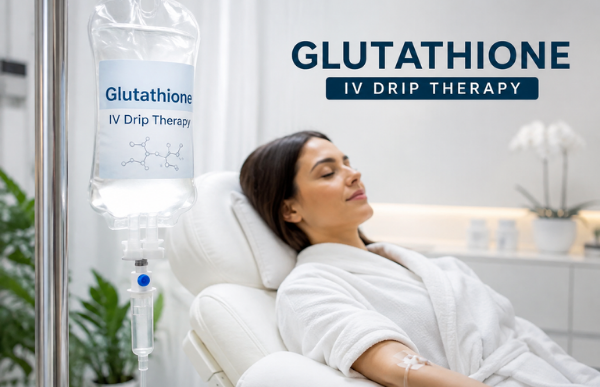
Glutathione IV Drip Therapy

Statistics on Glutathione IV drips

  • IV glutathione is commonly administered in doses ranging from 600 mg to 2,000 mg per session.
  • Glutathione has a relatively short plasma half-life of approximately 10 minutes, after which it is broken down into its constituent amino acids.
  • Clinical evidence suggests that skin-lightening effects may occur temporarily in some individuals, with reported improvement in approximately 37.5% of participants in one study.
  • Adverse effects have been reported, including liver-related complications and serious allergic reactions.
  • IV administration delivers glutathione directly into the bloodstream, resulting in immediate systemic availability.
  • IV administration can produce substantially higher plasma concentrations than intramuscular administration.
  • Since circulating glutathione is cleared relatively quickly, any cosmetic effects may not be permanent and may require appropriate long-term skin and lifestyle care.

Interesting Facts about Glutathione

Often called the master antioxidant

Glutathione is sometimes given this nickname because it helps protect cells from oxidative stress and supports the activity of other antioxidants.

It is made inside the body

Unlike many nutrients that must come primarily from food, the body can synthesize glutathione from three amino acids: cysteine, glutamate, and glycine.

Most cells can produce it

Glutathione is present in many tissues, with particularly important concentrations found in the liver, where it participates in detoxification processes.

It has two forms

Glutathione mainly exists as reduced glutathione (GSH) and oxidized glutathione (GSSG). The balance between these forms reflects the cellular redox environment.

It can recycle other antioxidants

Glutathione participates in the regeneration of antioxidants such as vitamin C and vitamin E, helping maintain their antioxidant functions.

Cysteine can be a limiting factor

Although the body needs three amino acids to make glutathione, cysteine availability is often an important factor controlling its production.

It is not simply a detox supplement

Glutathione has legitimate biochemical roles, but claims that increasing glutathione automatically “detoxes” the entire body or produces dramatic cosmetic effects are more extensive than the available clinical evidence supports.

The brain also uses glutathione

Glutathione is present in the central nervous system and contributes to protecting neural cells from oxidative damage.

It is continuously recycled

Cells can convert oxidized glutathione back into its active reduced form, allowing glutathione to participate repeatedly in antioxidant defense.

Introduction

Glutathione IV drip therapy has gained attention in recent years as a treatment promoted for antioxidant support, skin brightening, and overall wellness. Glutathione is a naturally occurring compound produced by the body from three amino acids: cysteine, glutamic acid, and glycine. It plays an important role in protecting cells from oxidative stress and supports several metabolic processes, particularly in the liver. During IV therapy, glutathione is delivered directly into a vein, allowing it to enter the bloodstream without passing through the digestive system. Maintaining healthy skin after glutathione therapy involves more than focusing on glutathione levels alone. Adequate nutrition, hydration, regular physical activity, sufficient sleep, stress management, and protection from excessive sun exposure can contribute to healthier skin and overall well-being. These measures may help support the body’s natural antioxidant systems. Ayurveda takes a broader approach by emphasizing balanced digestion, proper nutrition, daily routines, restorative sleep, and individualized care. Certain Ayurvedic herbs and dietary practices are traditionally used to support healthy skin and overall metabolic balance. They may be considered as complementary measures rather than as a proven method for preserving the cosmetic effects of IV glutathione.

How Glutathione IV Therapy Works in the Body?

Glutathione is an endogenous antioxidant that helps protect cells against oxidative stress and participates in several metabolic and detoxification pathways. Its levels may be influenced by nutrition, age, illness, oxidative stress, and other physiological factors. Glutathione can be obtained through dietary sources and supplements, although oral administration may be affected by gastrointestinal digestion and metabolism. Glutathione IV therapy involves administering glutathione directly into a vein. This route bypasses the gastrointestinal tract and provides immediate systemic availability. However, claims of complete or 100% absorption should be interpreted cautiously, as bioavailability and clinical effectiveness can vary depending on the formulation, dose, and individual factors. Evidence supporting IV glutathione for cosmetic purposes, particularly skin lightening, remains limited. The duration of an infusion depends on the prescribed dose, formulation, and clinical protocol.

What Happens During an IV Session?

A healthcare professional administers the prescribed glutathione solution through an intravenous line. The infusion time can vary according to the dose, formulation, and clinical protocol. Patients are generally monitored during the procedure for any immediate reactions. The treatment does not usually require a prolonged recovery period, although individual responses can differ. The main attraction of glutathione therapy is its role in managing oxidative stress. Glutathione helps neutralize reactive compounds and works alongside other antioxidant systems to maintain cellular balance. It also participates in enzymatic reactions involved in the metabolism of certain compounds in the liver.

The Health Benefits of Glutathione IV Therapy

Glutathione is an important intracellular antioxidant involved in maintaining redox balance, cellular protection, and several metabolic processes. However, many benefits promoted for IV glutathione are based on proposed mechanisms or limited clinical evidence rather than established treatment outcomes. Its potential benefits can be understood as follows:

Supports antioxidant defense

Glutathione helps neutralize reactive oxygen species and protects cells from oxidative damage. It also works with other antioxidant systems to maintain cellular redox balance.

Supports immune function

Glutathione contributes to normal immune-cell activity and helps regulate redox-sensitive pathways involved in immune responses. Adequate glutathione availability is therefore important for normal immune function.

May help regulate oxidative stress and inflammation

Oxidative stress and inflammation are closely interconnected biological processes. Glutathione participates in antioxidant and cellular signaling pathways that help maintain this balance.

Support healthy skin

Glutathione has been studied for its potential effects on melanin production and skin pigmentation.

Supports liver antioxidant capacity

The liver contains substantial amounts of glutathione and uses it in several antioxidant and metabolic pathways. Glutathione is involved in the body’s handling of certain reactive compounds and xenobiotics. This biological role does not mean that IV glutathione can simply “flush out” toxins from the body.

Support metabolic health

Research has identified associations between glutathione status, oxidative stress, and metabolic conditions. Some experimental and clinical studies are investigating whether improving glutathione availability may influence metabolic pathways.

Role in healthy aging

Glutathione helps protect cells against oxidative stress, which is one of several biological processes associated with ageing. Maintaining normal antioxidant defenses may contribute to cellular health.

Recovery from exercise fatigue

Physical activity increases metabolic activity and can temporarily alter oxidative balance. Glutathione participates in antioxidant defense during these processes.

Effects on sleep and well being

Glutathione and sleep are biologically interconnected through oxidative and circadian processes. Research has explored relationships between antioxidant status and sleep quality.

Side Effects of Glutathione IV Therapy

Glutathione is naturally produced by the body, but intravenous administration involves giving a concentrated dose directly into the bloodstream. Although some people tolerate IV glutathione without significant problems, adverse reactions can occur. The risk may depend on the dose, formulation, infusion rate, treatment frequency, and individual health status. The potential side effects include:

Nausea

Some individuals may experience nausea during or after an infusion. It can occur as an immediate reaction to the treatment and may become more noticeable when higher doses are administered.

Abdominal discomfort

Bloating, abdominal discomfort, or cramping may occasionally be reported after treatment. These symptoms can vary between individuals and may resolve after the infusion is completed.

Diarrhoea

Loose stools or increased bowel movements have been reported in association with glutathione administration.

Allergic or hypersensitivity reactions

Hypersensitivity reactions are an important potential concern with IV administration. Symptoms may include itching, skin rash, hives, facial or throat swelling, breathing difficulty, or a sudden drop in blood pressure.

Dizziness

Dizziness may occur during or shortly after an infusion. Changes in blood pressure, the infusion process, dehydration, or an individual reaction to treatment may contribute to this symptom.

Electrolyte changes

Repeated or prolonged use of high-dose glutathione has raised concerns about possible changes in certain nutrient levels, including zinc.

Kidney-related concerns

The kidneys play an important role in eliminating metabolic waste and maintaining fluid and electrolyte balance. Claims that IV glutathione routinely “strains” the kidneys are not well established. Nevertheless, people with pre-existing kidney disease should undergo medical assessment before receiving intravenous therapy.

Liver-related effects

Although glutathione naturally participates in liver antioxidant pathways, adverse liver effects have been reported in association with some IV glutathione treatments.

Ayurveda Insights for Glutathione Therapy: How Can the Results Be Maintained?

Ayurvedic principles can provide a supportive approach to maintaining healthy skin, digestion, metabolism, and overall well-being after such therapy. The focus is not on replacing glutathione but on encouraging sustainable habits that support the body’s natural antioxidant and tissue-maintenance systems.

Support Agni (Digestive and Metabolic Function)

Ayurveda considers Agni important for proper digestion and metabolism. Regular meals, appropriate portion sizes, freshly prepared foods, and limiting excessive fried, highly processed, and sugary foods can support healthy digestion.

Follow a Skin-Supportive Diet 

A balanced diet containing vegetables, fruits, whole grains, legumes, nuts, and adequate protein provides nutrients required for normal skin maintenance. Foods naturally rich in vitamin C, carotenoids, and other antioxidant compounds can complement a healthy dietary pattern.

Maintain Adequate Hydration

Proper hydration supports normal physiological processes and helps maintain healthy skin. Water intake should be adjusted according to climate, activity level, diet, and individual requirements rather than following a fixed quantity for everyone.

Consider Rasayana-Based Support

Rasayana is an Ayurvedic approach focused on maintaining vitality, nourishment, and healthy ageing. Rather than promising to preserve a cosmetic effect permanently, an individualized Rasayana approach may emphasize nutrition, restorative routines, adequate sleep, and appropriate herbal support.

Prioritize Quality Sleep

Ayurveda places considerable importance on appropriate sleep (Nidra) for physical and mental well-being. Maintaining a consistent sleep schedule and reducing excessive screen exposure before bedtime can support overall recovery and healthy skin.

Manage Stress

Chronic psychological stress can influence sleep, eating patterns, inflammation, and skin health. Ayurveda emphasizes practices such as meditation, yoga, Pranayama, and Abhyanga as supportive measures for maintaining balance and relaxation.

Protect the Skin From Excessive Sun Exposure

Sun exposure can contribute to tanning, pigmentation, and premature skin ageing. Using suitable sun protection, wearing protective clothing, and avoiding excessive midday exposure are practical ways to help maintain an even skin appearance after cosmetic treatments.

Home Remedies for Glutathione IV drips maintenance by Planet Ayurveda

Planet Ayurveda is a well-established Ayurvedic healthcare organization that works to promote the ancient knowledge of Ayurveda through natural remedies and holistic health solutions. The company develops a wide range of herbal formulations using pure, high-quality ingredients and standardized herbal extracts, with a focus on maintaining safety, authenticity, and effectiveness. Following the principles of classical Ayurveda, Planet Ayurveda aims to support overall health by addressing the underlying causes of health concerns and encouraging balance in the body, mind, and emotions. With an emphasis on quality, natural ingredients, and traditional approaches supported by modern research, the organization works toward making Ayurvedic wellness solutions available globally. We will explore various herbal approaches used for maintenance of Glutathione IV Drips according to Ayurvedic principles. The herbal formulations are:

  1. Liver Detox Formula
  2. Amalaki Rasayan
  3. Gandhak Rasayan
  4. Green Essentials

Herbal Remedies Of Glutathione IV Drip Therapy
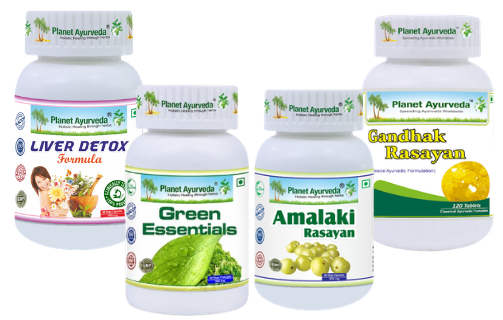
Buy Now Herbal Remedies Of Glutathione IV Drip Therapy

Buy Now Herbal Remedies Of Glutathione IV Drip Therapy

Product description

1. Liver Detox Formula

Liver Detox Formula may be considered a supportive Ayurvedic formulation for maintaining overall liver health after glutathione IV therapy. It contains Katuki, Punarnava, Kalmegh, Makoy, Jhavuka, Himsra, Haritaki, and Kasni, herbs traditionally used in Ayurveda to support liver function, digestion, and metabolic balance. A healthy liver is important for normal antioxidant and detoxification pathways, including the body’s natural glutathione metabolism. By supporting these physiological processes, the formula may complement healthy dietary and lifestyle practices following IV therapy.
Dosage: 1 capsule twice a day with plain water after meals.

2. Amalaki Rasayan

Amalaki Rasayana, prepared from Amalaki (Phyllanthus emblica), may provide complementary support after glutathione IV therapy by promoting overall antioxidant and skin health. Amalaki is traditionally regarded in Ayurveda as a Rasayana and is valued for its nourishing and rejuvenating properties. It naturally contains vitamin C and other antioxidant compounds that may help support the body’s defense against oxidative stress. Regular use, along with a balanced diet, adequate hydration, quality sleep, sun protection, and stress management, may contribute to maintaining healthy-looking skin and overall wellness.
Dosage: 1 capsule twice a day with plain water after meals.

3. Gandhak Rasayan

Gandhak Rasayana, traditionally prepared using purified Gandhak (Sulphur), is an Ayurvedic formulation traditionally associated with skin health and Rasayana support. In the context of glutathione IV therapy, it may be considered a complementary approach for maintaining healthy skin and supporting overall tissue health. Ayurveda traditionally uses Gandhak in formulations intended to support skin conditions and maintain skin clarity. Its use should be combined with balanced nutrition, adequate hydration, regular sleep, sun protection, and healthy daily routines.
Dosage: 2 tablets twice a day with lukewarm water.

4. Green Essentials

Green Essentials, containing grape seed, wheatgrass, spirulina, green tea, and Amla, may provide nutritional and antioxidant support as part of a healthy routine following glutathione IV therapy. These ingredients contain various naturally occurring polyphenols, vitamins, minerals, pigments, and other bioactive compounds that contribute to antioxidant defense. Amla is traditionally valued in Ayurveda for its Rasayana properties, while grape seed and green tea provide polyphenols that have been studied for their antioxidant potential. Wheatgrass and spirulina can complement overall nutritional intake.
Dosage: 1 capsule twice a day with plain water after meals.

Conclusion

The cosmetic effects associated with glutathione therapy may be temporary, making long-term skin care and healthy lifestyle habits important for maintaining overall results. Ayurveda offers a holistic approach that focuses on balanced nutrition, healthy digestion, adequate hydration, restful sleep, stress management, and protection from excessive sun exposure. Ayurvedic herbs and formulations traditionally used for antioxidant, skin, liver, and Rasayana support may be incorporated according to individual requirements and professional guidance. Various supportive herbs may complement a nourishing diet and consistent daily routine.
Herbal Remedies of Glutathione IV Drip Therapy – Causes, Symptoms, Diagnosis & Treatment

Abstract

Glutathione IV drip therapy is a treatment in which glutathione, a naturally occurring antioxidant, is administered directly into a vein. It is commonly promoted for supporting antioxidant activity, skin brightness, and overall wellness, although clinical evidence for cosmetic benefits remains limited. Maintaining healthy skin and antioxidant balance requires consistent lifestyle habits rather than relying only on IV therapy. Ayurveda emphasizes proper diet, digestion, adequate sleep, stress management, and suitable herbs and formulations to support overall well-being. Ayurvedic approaches may complement healthy routines after IV therapy, but they should not be considered a proven method for preserving glutathione-related cosmetic results. Professional guidance is recommended for individualized care.

 Glutathione IV Drip Therapy

Statistics on Glutathione IV drips

  • IV glutathione is commonly administered in doses ranging from 600 mg to 2,000 mg per session.
  • Glutathione has a relatively short plasma half-life of approximately 10 minutes, after which it is broken down into its constituent amino acids.
  • Clinical evidence suggests that skin-lightening effects may occur temporarily in some individuals, with reported improvement in approximately 37.5% of participants in one study.
  • Adverse effects have been reported, including liver-related complications and serious allergic reactions.
  • IV administration delivers glutathione directly into the bloodstream, resulting in immediate systemic availability.
  • IV administration can produce substantially higher plasma concentrations than intramuscular administration.
  • Since circulating glutathione is cleared relatively quickly, any cosmetic effects may not be permanent and may require appropriate long-term skin and lifestyle care.

Interesting Facts about Glutathione

Often called the “master antioxidant”

Glutathione is sometimes given this nickname because it helps protect cells from oxidative stress and supports the activity of other antioxidants.

It is made inside the body

Unlike many nutrients that must come primarily from food, the body can synthesize glutathione from three amino acids: cysteine, glutamate, and glycine.

Most cells can produce it

Glutathione is present in many tissues, with particularly important concentrations found in the liver, where it participates in detoxification processes.

It has two forms

Glutathione mainly exists as reduced glutathione (GSH) and oxidized glutathione (GSSG). The balance between these forms reflects the cellular redox environment.

It can recycle other antioxidants

Glutathione participates in the regeneration of antioxidants such as vitamin C and vitamin E, helping maintain their antioxidant functions.

Cysteine can be a limiting factor

Although the body needs three amino acids to make glutathione, cysteine availability is often an important factor controlling its production.

It is not simply a “detox supplement”

Glutathione has legitimate biochemical roles, but claims that increasing glutathione automatically “detoxes” the entire body or produces dramatic cosmetic effects are more extensive than the available clinical evidence supports.

The brain also uses glutathione

Glutathione is present in the central nervous system and contributes to protecting neural cells from oxidative damage.

It is continuously recycled

Cells can convert oxidized glutathione back into its active reduced form, allowing glutathione to participate repeatedly in antioxidant defense.

Introduction

Glutathione IV drip therapy has gained attention in recent years as a treatment promoted for antioxidant support, skin brightening, and overall wellness. Glutathione is a naturally occurring compound produced by the body from three amino acids: cysteine, glutamic acid, and glycine. It plays an important role in protecting cells from oxidative stress and supports several metabolic processes, particularly in the liver. During IV therapy, glutathione is delivered directly into a vein, allowing it to enter the bloodstream without passing through the digestive system. Maintaining healthy skin after glutathione therapy involves more than focusing on glutathione levels alone. Adequate nutrition, hydration, regular physical activity, sufficient sleep, stress management, and protection from excessive sun exposure can contribute to healthier skin and overall well-being. These measures may help support the body’s natural antioxidant systems. Ayurveda takes a broader approach by emphasizing balanced digestion, proper nutrition, daily routines, restorative sleep, and individualized care. Certain Ayurvedic herbs and dietary practices are traditionally used to support healthy skin and overall metabolic balance. They may be considered as complementary measures rather than as a proven method for preserving the cosmetic effects of IV glutathione.

How Glutathione IV Therapy Works in the Body?

Glutathione is an endogenous antioxidant that helps protect cells against oxidative stress and participates in several metabolic and detoxification pathways. Its levels may be influenced by nutrition, age, illness, oxidative stress, and other physiological factors. Glutathione can be obtained through dietary sources and supplements, although oral administration may be affected by gastrointestinal digestion and metabolism. Glutathione IV therapy involves administering glutathione directly into a vein. This route bypasses the gastrointestinal tract and provides immediate systemic availability. However, claims of complete or 100% absorption should be interpreted cautiously, as bioavailability and clinical effectiveness can vary depending on the formulation, dose, and individual factors. Evidence supporting IV glutathione for cosmetic purposes, particularly skin lightening, remains limited. The duration of an infusion depends on the prescribed dose, formulation, and clinical protocol.

What Happens During an IV Session?

A healthcare professional administers the prescribed glutathione solution through an intravenous line. The infusion time can vary according to the dose, formulation, and clinical protocol. Patients are generally monitored during the procedure for any immediate reactions. The treatment does not usually require a prolonged recovery period, although individual responses can differ. The main attraction of glutathione therapy is its role in managing oxidative stress. Glutathione helps neutralize reactive compounds and works alongside other antioxidant systems to maintain cellular balance. It also participates in enzymatic reactions involved in the metabolism of certain compounds in the liver.

The Health Benefits of Glutathione IV Therapy

Glutathione is an important intracellular antioxidant involved in maintaining redox balance, cellular protection, and several metabolic processes. However, many benefits promoted for IV glutathione are based on proposed mechanisms or limited clinical evidence rather than established treatment outcomes. Its potential benefits can be understood as follows:

Supports antioxidant defense

Glutathione helps neutralize reactive oxygen species and protects cells from oxidative damage. It also works with other antioxidant systems to maintain cellular redox balance.

Supports immune function

Glutathione contributes to normal immune-cell activity and helps regulate redox-sensitive pathways involved in immune responses. Adequate glutathione availability is therefore important for normal immune function.

May help regulate oxidative stress and inflammation

Oxidative stress and inflammation are closely interconnected biological processes. Glutathione participates in antioxidant and cellular signaling pathways that help maintain this balance.

Support healthy skin

Glutathione has been studied for its potential effects on melanin production and skin pigmentation.

Supports liver antioxidant capacity

The liver contains substantial amounts of glutathione and uses it in several antioxidant and metabolic pathways. Glutathione is involved in the body’s handling of certain reactive compounds and xenobiotics. This biological role does not mean that IV glutathione can simply “flush out” toxins from the body.

Support metabolic health

Research has identified associations between glutathione status, oxidative stress, and metabolic conditions. Some experimental and clinical studies are investigating whether improving glutathione availability may influence metabolic pathways.

Role in healthy aging

Glutathione helps protect cells against oxidative stress, which is one of several biological processes associated with ageing. Maintaining normal antioxidant defenses may contribute to cellular health.

Recovery from exercise fatigue

Physical activity increases metabolic activity and can temporarily alter oxidative balance. Glutathione participates in antioxidant defense during these processes.

Effects on sleep and well being

Glutathione and sleep are biologically interconnected through oxidative and circadian processes. Research has explored relationships between antioxidant status and sleep quality.

Side Effects of Glutathione IV Therapy

Glutathione is naturally produced by the body, but intravenous administration involves giving a concentrated dose directly into the bloodstream. Although some people tolerate IV glutathione without significant problems, adverse reactions can occur. The risk may depend on the dose, formulation, infusion rate, treatment frequency, and individual health status. The potential side effects include:

Nausea

Some individuals may experience nausea during or after an infusion. It can occur as an immediate reaction to the treatment and may become more noticeable when higher doses are administered.

Abdominal discomfort

Bloating, abdominal discomfort, or cramping may occasionally be reported after treatment. These symptoms can vary between individuals and may resolve after the infusion is completed.

Diarrhoea

Loose stools or increased bowel movements have been reported in association with glutathione administration.

Allergic or hypersensitivity reactions

Hypersensitivity reactions are an important potential concern with IV administration. Symptoms may include itching, skin rash, hives, facial or throat swelling, breathing difficulty, or a sudden drop in blood pressure.

Dizziness

Dizziness may occur during or shortly after an infusion. Changes in blood pressure, the infusion process, dehydration, or an individual reaction to treatment may contribute to this symptom.

Electrolyte changes

Repeated or prolonged use of high-dose glutathione has raised concerns about possible changes in certain nutrient levels, including zinc.

Kidney-related concerns

The kidneys play an important role in eliminating metabolic waste and maintaining fluid and electrolyte balance. Claims that IV glutathione routinely “strains” the kidneys are not well established. Nevertheless, people with pre-existing kidney disease should undergo medical assessment before receiving intravenous therapy.

Liver-related effects

Although glutathione naturally participates in liver antioxidant pathways, adverse liver effects have been reported in association with some IV glutathione treatments.

Ayurveda Insights for Glutathione Therapy: How Can the Results Be Maintained?

Ayurvedic principles can provide a supportive approach to maintaining healthy skin, digestion, metabolism, and overall well-being after such therapy. The focus is not on replacing glutathione but on encouraging sustainable habits that support the body’s natural antioxidant and tissue-maintenance systems.

Support Agni (Digestive and Metabolic Function)

Ayurveda considers Agni important for proper digestion and metabolism. Regular meals, appropriate portion sizes, freshly prepared foods, and limiting excessive fried, highly processed, and sugary foods can support healthy digestion.

Follow a Skin-Supportive Diet 

A balanced diet containing vegetables, fruits, whole grains, legumes, nuts, and adequate protein provides nutrients required for normal skin maintenance. Foods naturally rich in vitamin C, carotenoids, and other antioxidant compounds can complement a healthy dietary pattern.

Maintain Adequate Hydration

Proper hydration supports normal physiological processes and helps maintain healthy skin. Water intake should be adjusted according to climate, activity level, diet, and individual requirements rather than following a fixed quantity for everyone.

Consider Rasayana-Based Support

Rasayana is an Ayurvedic approach focused on maintaining vitality, nourishment, and healthy ageing. Rather than promising to preserve a cosmetic effect permanently, an individualized Rasayana approach may emphasize nutrition, restorative routines, adequate sleep, and appropriate herbal support.

Prioritize Quality Sleep

Ayurveda places considerable importance on appropriate sleep (Nidra) for physical and mental well-being. Maintaining a consistent sleep schedule and reducing excessive screen exposure before bedtime can support overall recovery and healthy skin.

Manage Stress

Chronic psychological stress can influence sleep, eating patterns, inflammation, and skin health. Ayurveda emphasizes practices such as meditation, yoga, Pranayama, and Abhyanga as supportive measures for maintaining balance and relaxation.

Protect the Skin From Excessive Sun Exposure

Sun exposure can contribute to tanning, pigmentation, and premature skin ageing. Using suitable sun protection, wearing protective clothing, and avoiding excessive midday exposure are practical ways to help maintain an even skin appearance after cosmetic treatments.

Home Remedies for Glutathione IV drips maintenance by Planet Ayurveda

Planet Ayurveda is a well-established Ayurvedic healthcare organization that works to promote the ancient knowledge of Ayurveda through natural remedies and holistic health solutions. The company develops a wide range of herbal formulations using pure, high-quality ingredients and standardized herbal extracts, with a focus on maintaining safety, authenticity, and effectiveness. Following the principles of classical Ayurveda, Planet Ayurveda aims to support overall health by addressing the underlying causes of health concerns and encouraging balance in the body, mind, and emotions. With an emphasis on quality, natural ingredients, and traditional approaches supported by modern research, the organization works toward making Ayurvedic wellness solutions available globally. We will explore various herbal approaches used for maintenance of Glutathione IV Drips according to Ayurvedic principles. The herbal formulations are:

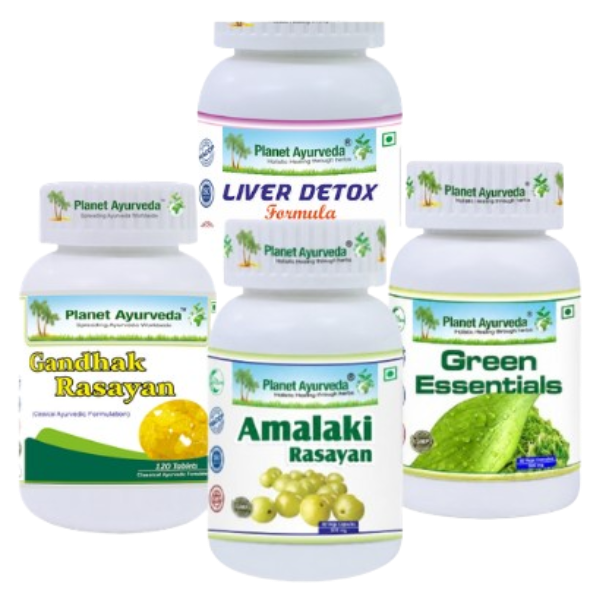
  1. Liver Detox Formula
  2. Amalaki Rasayan
  3. Gandhak Rasayan
  4. Green Essentials

Glutathione IV Drip Therapy – Care Pack

Buy Now Glutathione IV Drip Therapy - Care Pack

Buy Now Glutathione IV Drip Therapy - Care Pack

Product description:

1. Liver Detox Formula

Liver Detox Formula may be considered a supportive Ayurvedic formulation for maintaining overall liver health after glutathione IV therapy. It contains Katuki, Punarnava, Kalmegh, Makoy, Jhavuka, Himsra, Haritaki, and Kasni, herbs traditionally used in Ayurveda to support liver function, digestion, and metabolic balance. A healthy liver is important for normal antioxidant and detoxification pathways, including the body’s natural glutathione metabolism. By supporting these physiological processes, the formula may complement healthy dietary and lifestyle practices following IV therapy.
Dosage: 1 capsule twice a day with plain water after meals.

2. Amalaki Rasayan

Amalaki Rasayana, prepared from Amalaki (Phyllanthus emblica), may provide complementary support after glutathione IV therapy by promoting overall antioxidant and skin health. Amalaki is traditionally regarded in Ayurveda as a Rasayana and is valued for its nourishing and rejuvenating properties. It naturally contains vitamin C and other antioxidant compounds that may help support the body’s defense against oxidative stress. Regular use, along with a balanced diet, adequate hydration, quality sleep, sun protection, and stress management, may contribute to maintaining healthy-looking skin and overall wellness.
Dosage: 1 capsule twice a day with plain water after meals.

3. Gandhak Rasayan

Gandhak Rasayana, traditionally prepared using purified Gandhak (Sulphur), is an Ayurvedic formulation traditionally associated with skin health and Rasayana support. In the context of glutathione IV therapy, it may be considered a complementary approach for maintaining healthy skin and supporting overall tissue health. Ayurveda traditionally uses Gandhak in formulations intended to support skin conditions and maintain skin clarity. Its use should be combined with balanced nutrition, adequate hydration, regular sleep, sun protection, and healthy daily routines.
Dosage: 2 tablets twice a day with lukewarm water.

4. Green Essentials

Green Essentials, containing grape seed, wheatgrass, spirulina, green tea, and Amla, may provide nutritional and antioxidant support as part of a healthy routine following glutathione IV therapy. These ingredients contain various naturally occurring polyphenols, vitamins, minerals, pigments, and other bioactive compounds that contribute to antioxidant defense. Amla is traditionally valued in Ayurveda for its Rasayana properties, while grape seed and green tea provide polyphenols that have been studied for their antioxidant potential. Wheatgrass and spirulina can complement overall nutritional intake.
Dosage: 1 capsule twice a day with plain water after meals.

Conclusion

The cosmetic effects associated with glutathione therapy may be temporary, making long-term skin care and healthy lifestyle habits important for maintaining overall results. Ayurveda offers a holistic approach that focuses on balanced nutrition, healthy digestion, adequate hydration, restful sleep, stress management, and protection from excessive sun exposure. Ayurvedic herbs and formulations traditionally used for antioxidant, skin, liver, and Rasayana support may be incorporated according to individual requirements and professional guidance. Various supportive herbs may complement a nourishing diet and consistent daily routine.