Fatty Liver (MASLD): Causes, Symptoms & Ayurvedic Treatment
Abstract
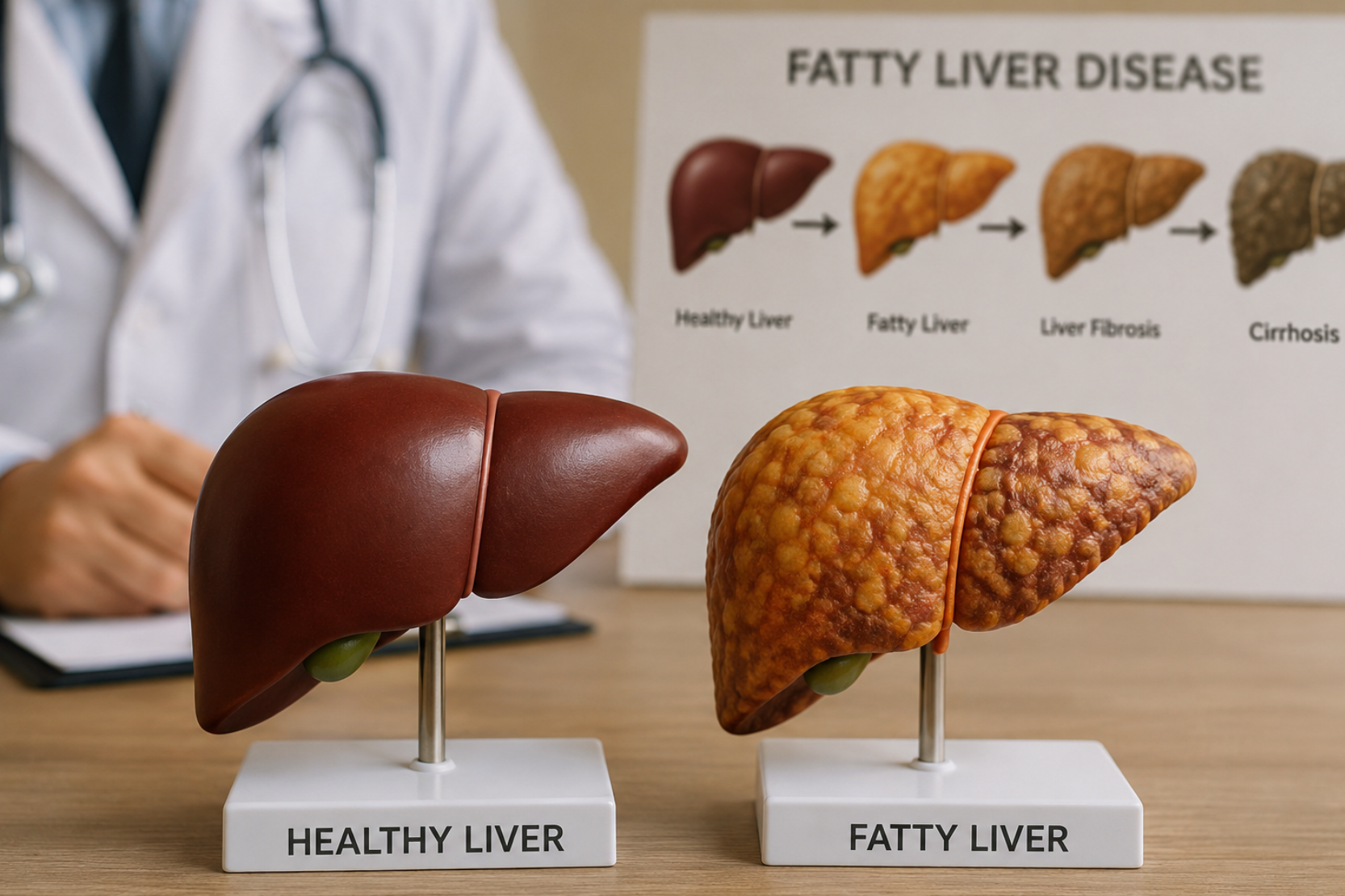
Fatty Liver Disease, now known as Metabolic Dysfunction-Associated Steatotic Liver Disease (MASLD), can be correlated in Ayurveda with Santarpanajanya Vyadhi (diseases caused by overnutrition) involving Medo Dhatu Dushti (vitiation of the adipose tissue). It is considered a metabolic disorder associated with metabolic syndrome. Today, MASLD is one of the most common chronic liver diseases, affecting approximately 25–30% of the global population. It is characterized by the excessive accumulation of fat in the liver and is strongly associated with obesity, insulin resistance, type 2 diabetes, dyslipidemia, and other metabolic health disorders. If left unmanaged, MASLD can progress to metabolic dysfunction-associated steatohepatitis (MASH), liver fibrosis, cirrhosis, liver failure, and may also increase the risk of cardiovascular disease, which remains the leading cause of death in these patients.
Introduction
वामपार्श्वाश्रितः प्लीहा च्युतः कोष्ठात् प्रवर्धते।
तद्वद्यकृत् प्रकाशं स्यात् सव्यपार्श्वे तथैव च॥
In Ayurveda, Fatty Liver Disease (Metabolic Dysfunction-Associated Steatotic Liver Disease, MASLD) can be correlated with Santarpanajanya Vyadhi (disorders caused by overnutrition), primarily involving Medovaha Srotas Dushti along with the vitiation of Kapha and Pitta Dosha. Impaired Agni leads to the formation of Ama (improperly digested metabolic by-products), which, along with disturbed fat metabolism, contributes to the abnormal accumulation of fat in the liver. From a modern medical perspective, fatty liver disease is broadly classified into Alcohol-Related Liver Disease (ALD) and Metabolic Dysfunction-Associated Steatotic Liver Disease (MASLD) (previously known as Non-Alcoholic Fatty Liver Disease, NAFLD).
Types of Fatty Liver Disease
1. Metabolic Dysfunction-Associated Steatotic Liver Disease (MASLD)
(formerly Non-Alcoholic Fatty Liver Disease [NAFLD]– MASLD is associated with metabolic dysfunction, including obesity, insulin resistance, type 2 diabetes, hypertension, dyslipidemia (high cholesterol or triglycerides), and other features of metabolic syndrome. It is characterized by the accumulation of excess fat in the liver in the absence of significant alcohol consumption.
2. Metabolic Dysfunction-Associated Steatohepatitis (MASH)
(formerly Non-Alcoholic Steatohepatitis [NASH])– MASH is the progressive and inflammatory form of MASLD, in which fat accumulation is accompanied by liver inflammation and hepatocellular injury. If left untreated, it can progress to fibrosis, cirrhosis, liver failure, and an increased risk of hepatocellular carcinoma (liver cancer).
3. Alcohol-Related Liver Disease (ALD)
(includes Alcohol-Related Fatty Liver Disease)– ALD results from excessive alcohol consumption, which impairs the liver’s ability to metabolize fats, leading to fat accumulation within liver cells. Continued alcohol intake may cause alcoholic hepatitis, fibrosis, cirrhosis, and eventually liver failure.
Causes
- Obesity
- Insulin Resistance And Type 2 Diabetes
- Alcohol Consumption
- Fatty Food
- Smoking
- Packets Foods
- Eating Heavy Meals
- Eating Stale Food
- Deep Fried Food
- Overeating
- Late Night Eating
- If On certain Medications
- Sugar
Symptoms
- Digestion Issue
- Hyper Acidity
- Limit Of Food Intake
- Obesity
- Obesity
- Fatigue
- Discomfort in Abdomen
- Itchy Skin
- Urine Color Changes
- Weight Loos
Liver disease is often called a “silent disease” because its early signs and symptoms are frequently ignored or considered normal. In many cases, significant liver damage becomes evident only after it is reflected in diagnostic tests. Therefore, rather than overlooking these warning signs, individuals should pay close attention to their diet, lifestyle, and overall liver health. Early lifestyle modifications and timely medical evaluation can play a crucial role in preventing the progression of liver disease.
Diagnosis
1. Blood Test
- Liver Function Test (Lft)- Elevated levels of ALT(Alanine Aminotransferase) and AST (Aspartate Aminotransferase)
- Lipid Profile Test – High triglycerides (>150 mg/dL), low HDL (“good” cholesterol, <40 mg/dL), and high LDL (“Bad” cholesterol, >100 mg/dL)
- Viral Hepatitis Test –Elevated liver enzymes (ALT/AST)
2. Imaging Test
- Ultrasound Typically grade it from Grade 1 (Mild) to Grade 3 (Severe),
- MRI Or CT Scan -Typically refers to hepatic steatosis (fatty liver) or fat deposits in other organs or tissues
- Fibro Scan -< 238 dB/m (Grade S0): Normal (Healthy liver, minimal to no fat)238 – 259 dB/m (Grade S1): Mild fat accumulation (11 – 33%)260 – 290 dB/m (Grade S2): Moderate fatty liver (34 – 66%)> 290 dB/m (Grade S3): Severe fatty liver (>67%)
- Liver Biopsy -Steatosis Grade (0-3): Measures the percentage of liver cells containing fat.
- Grade 0: Normal (less than 5%)
- Grade 1: Mild (5% – 33%)
- Grade 2: Moderate (33% – 66%)
- Grade 3: Severe (more than 66%)
Modern Treatment
For Metabolic Dysfunction-Associated Steatotic Liver Disease (MASLD) (formerly NAFLD), the primary treatment focuses on lifestyle modification, including gradual weight loss, a balanced and calorie-controlled diet, and regular physical activity (at least 150 minutes of moderate exercise per week). Managing associated conditions such as obesity, type 2 diabetes, hypertension, and dyslipidemia is equally important. In selected patients with Metabolic Dysfunction-Associated Steatohepatitis (MASH) and liver fibrosis, medications such as Resmetirom (Rezdiffra®) may be prescribed, while drugs like Semaglutide may be used to promote weight loss and improve metabolic health. Vitamin E may also be considered in carefully selected non-diabetic patients with MASH. For Alcohol-Related Liver Disease (ALD), the cornerstone of treatment is complete abstinence from alcohol, along with nutritional support, correction of vitamin deficiencies, management of liver-related complications, and treatment of alcohol dependence. In advanced cases of liver failure or cirrhosis, liver transplantation may be considered.
Ayurvedic Overview
Metabolic Disorder Driven By Impaired Digestion And Aggravated Kapha And Pitta Dosha Which leads in Agnimandya ,Meda Dhatu Dushti ,Srotorodha According to Ayurveda, fatty liver is associated with weak digestion (Mandagni), blockage in the body’s channels (Srotas), and an imbalance of the Meda Dhatu (fat tissue). By adopting Ayurvedic principles and improving our lifestyle, we can support the body’s natural healing process and give it a fresh start. This includes incorporating Ayurvedic medicines, herbal remedies, a balanced diet, and regular exercise into our daily routine. Avoiding fatty and fried foods, reducing sugar intake, following a Satvik (wholesome and natural) diet, and maintaining an active lifestyle can help improve liver health and overall well-being. Ayurveda emphasizes treating the root cause of imbalance and encourages healthy habits that promote long-term wellness and a better quality of life.
According to Ayurveda, simple lifestyle changes and natural home remedies can play an important role in supporting liver health. Avoid consuming tea with biscuits, fatty and fried foods, packaged and processed foods, sugary items such as pastries and desserts, baked junk foods, stale or leftover food, and late-night meals, as these can weaken digestion and increase toxin accumulation. Instead, choose fresh, home-cooked, wholesome meals and eat at regular times. Drinking green tea in moderation, staying hydrated, and following a balanced, Satvik diet along with regular physical activity can help improve digestion, support liver function, and promote overall health naturally.
According to Ayurveda, fatty liver can be managed through both Shamana Chikitsa (pacification therapy) and Shodhana Chikitsa (purification therapy), depending on the individual’s condition and Prakriti (body constitution). One of the most commonly recommended purification procedures is Virechana (therapeutic purgation), which helps eliminate excess Pitta and accumulated toxins from the body while supporting liver health. In addition, Ayurvedic formulations such as Avipattikar Churna may be prescribed by an Ayurvedic physician to improve digestion, support healthy bowel movements, and help balance Pitta. These therapies should always be undertaken under the guidance of a qualified Ayurvedic practitioner after a proper clinical assessment.
Items to be avoided
- All non veg food
- Dairy products
- Cinnamon
- Coconut oil
- Refined & corn flour
- Frozen foods etc.
Herbal remedies for Fatty liver disease By Planet Ayurveda
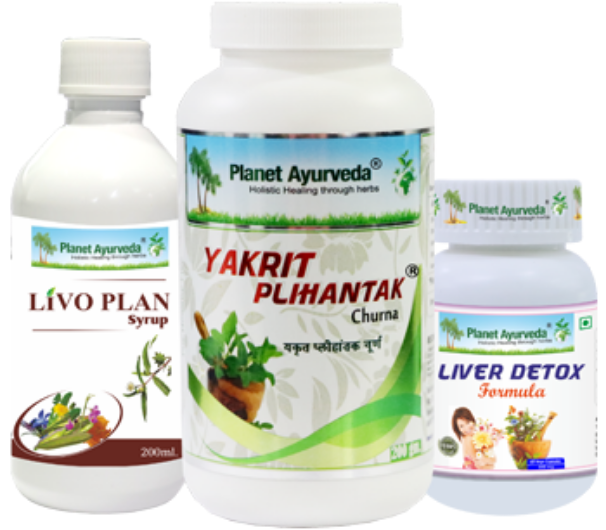
Planet Ayurveda is committed to delivering authentic Ayurvedic herbal formulations prepared according to classical Ayurvedic principles and modern quality standards. The company offers over 300 premium-quality herbal products manufactured in GMP-certified facilities. For individuals with fatty liver, Planet Ayurveda provides the Fatty Liver Care Pack, a carefully selected combination of Ayurvedic herbal formulations designed to support liver health, healthy metabolism, and overall liver function as part of a holistic wellness approach under professional guidance.
- Yakrit Plihanatak Churna
- Livo Plan Syrup
- Liver Detox Formula
Fatty Liver Care Pack

Product description
1. Yakrit Plihantak Churna
Yakrit plihantak churna is a powdered preparation prepared using ingredients such as Bhumiamla (Phyllanthus Niruri), Katuki (Picrorhiza Kurrao), Makoy (Solanum Indicum), (Boerrhavia Diffusa) etc. This Ayurvedic herbal powder that supports healthy liver function and promotes balanced fat metabolism. It helps maintain normal liver enzymes, supports natural detoxification, and assists in reducing excess fat accumulation in the liver while improving digestion.
Dosage – 1 Teaspoonful Twice A Day Before Meals With Warm Water Or Decoction Method.
2. Livo Plan Syrup
This is a herbal syrup made from extract of herbs like–Bhringraj (Eclipta Alba) , Sharpunkha (Tephrosia Purpurea) , Kalmegh (Andrographis Paniculata) , Kasni (Cichorium Intybus) etc This syrup formulated to support liver health and digestion. It helps protect liver cells from oxidative stress, promotes healthy bile secretion, enhances appetite, and supports the liver’s natural cleansing processes.
Dosage – 2 Tsp Twice A Day After Meals.
3. Liver Detox Formula
Liver detox formula is a polyherbal Cap prepared using Kutki (Picrorhiza Kurroa) , Punarnava (Borehavia Diffusa) , Makoy (Solanum Indicum) -Its Flush Out Liver Toxins and Help To Reduce Lipid Accumulation and Lower Liver Enzymes. Its Antioxidant, Anti -Inflammatory, properties help In Metabolic Actions and Yakrituttejan (Liver Stimulant thus Improve Bile Flow, Stimulate Liver Metabolism.
Dosage – 1 Capsule Twice A Day After Meals With Warm Water.
Conclusion
At last we can say that Fatty liver disease is an important warning sign of underlying metabolic dysfunction, but it is not a permanent condition. In most cases, it is treatable and can be completely reversible with timely intervention, including a healthy diet, regular physical activity, weight management, and control of associated risk factors. Early diagnosis and lifestyle modification are essential to prevent progression to irreversible liver damage, such as liver fibrosis and cirrhosis.

