Herbal Remedies for Hypervitaminosis D Management In Ayurveda
Abstract
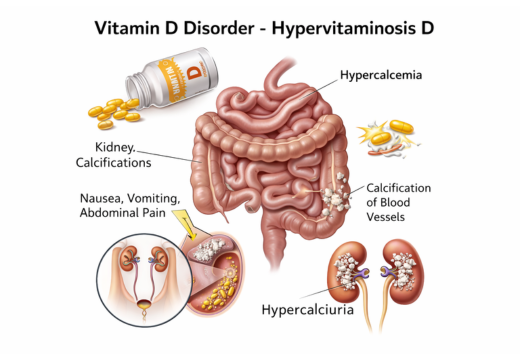
Hypervitaminosis D is a rare but serious condition caused by excessive intake of Vitamin D supplements, leading to dangerously high calcium levels in the blood. While vitamin D is essential for bone health, immunity, and calcium metabolism, its excessive supplementation can disturb physiological balance. Ayurveda emphasizes maintaining balance of Dhatus and Doshas and views such conditions as outcomes of improper Ahara (diet), Vihara (lifestyle), and irrational drug use. This article explores hypervitaminosis D from a modern medical as well as Ayurvedic perspective and discusses supportive herbal management using formulations by Planet Ayurveda. Understanding this disorder through both viewpoints helps in safe supplementation, early recognition, and effective management.
Introduction
Vitamin D plays a crucial role in calcium absorption, bone strength, immunity, and cellular functions. With increasing awareness about bone health, many people resort to high-dose Vitamin D supplements without medical guidance. Modern healthcare has reported rising cases of Vitamin D toxicity, especially with injectable or megadose capsules. Ayurveda emphasizes the importance of moderate consumption and warns that even beneficial substances can turn harmful when consumed excessively. Hypervitaminosis D is a clear example of how imbalance rather than deficiency can disrupt homeostasis.
Causes of Hypervitaminosis D
Hypervitaminosis D almost never occurs through sunlight or food. It is primarily caused by:
- Excessive intake of vitamin D supplements such as high-dose cholecalciferol or ergocalciferol
- Long-term use of mega-dose injections without monitoring
- Self-medication or irrational prescription practices
- Concomitant intake of calcium supplements
- Reduced renal clearance in chronic kidney disease
- Granulomatous disorders increasing vitamin D activation
Symptoms of Hypervitaminosis D
Symptoms mainly arise due to hypercalcemia and may vary in severity.
- Nausea and vomiting
- Constipation or abdominal pain
- Loss of appetite
- Fatigue
- Irritability
- Confusion
- Muscle weakness
- Increased urination
- Frequent thirst
- Kidney stone formation
- Irregular heartbeat
- High blood pressure
Diagnosis of Hypervitaminosis D
Diagnosis involves laboratory investigations such as:
- Serum 25(OH)D level test
- Serum calcium test
- Serum creatinine test
- Urine calcium excretion test
- PTH level test
Modern Medical Management of Hypervitaminosis D
Treatment focuses on reducing calcium levels and preventing organ damage.
-
- Discontinuation of Vitamin D supplements
- Hydration therapy using intravenous normal saline to enhance calcium excretion
- Medications such as calcitonin, bisphosphonates, and corticosteroids
- Dialysis in severe kidney failure or extreme hypercalcemia
- Regular monitoring of calcium levels, kidney function, and Vitamin D levels
Ayurvedic Overview of Hypervitaminosis D
According to Ayurveda, hypervitaminosis D occurs due to Ati-sevana, meaning excessive or improper intake of supplements, which aggravates Pitta Dosha. Since vitamin D metabolism mainly occurs in the liver, excessive intake disturbs Yakrit (liver) function and leads to improper metabolism.
Samprapti (Pathogenesis)
Excessive intake of Vitamin D increases Ushna (heat) and Tikshna (sharp) qualities, aggravating Pitta in the liver and blood. This weakens Agni (metabolic fire) and leads to formation of Ama (toxic metabolic waste). When the liver fails to process nutrients properly, excess calcium accumulates in the blood. Vitiated Pitta and Rakta lead to symptoms such as nausea, burning sensation, weakness, fatigue, inflammation, and headache. Involvement of Asthi Dhatu explains bone pain and abnormal calcium regulation. Disturbance of Mutravaha Srotas affects kidney function and may lead to excessive urination, dehydration, and kidney stones.
Ayurvedic Management
Ayurvedic management focuses on Pitta Shamana, Yakrit Shodhana (liver detoxification), improving Agni without increasing heat, Rakta Prasadana, and Srotas Shodhana to eliminate excess metabolites and restore balance.
Shamana Therapy
-
-
- Digestive spices such as Trikatu including Shunthi, Maricha, and Pippali to stimulate digestive fire
- Diuretic herbs such as Punarnava, Gokshura, and Varuna to support urinary channel cleansing
- Blood purifying herbs such as Manjishtha, Daruharidra, and Patola for Rakta Shodhana and Pitta balancing
-
Foods to Avoid (Apathya Ahara)
Avoid heavy, oily, or calcium-rich foods that aggravate Kapha and Pitta and promote stone formation.
-
- Dairy products such as curd, milk, and cheese
- Meat and fortified foods that increase excessive unctuousness
- Salty, sour, fried snacks and excessive sweets
- Unnecessary supplements including vitamin D
Herbal Remedies for Hypervitaminosis D by Planet Ayurveda
Planet Ayurveda is a GMP-certified Ayurvedic organization providing natural and standardized herbal formulations based on classical Ayurvedic principles. The organization focuses on correcting disease at the root by balancing Dosha, Dhatu, Agni, and Srotas while avoiding chemicals, steroids, and preservatives.
Product List
-
-
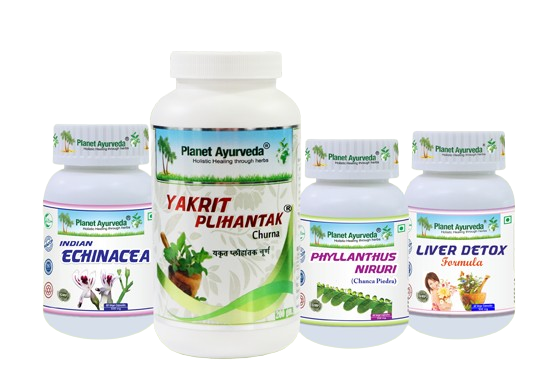
- Liver Detox Formula
- Indian Echinacea
- Yakrit Plihantak Churna
- Phyllanthus Niruri
-

Product Description
1. Liver Detox Formula
This polyherbal capsule contains hepatoprotective herbs such as Kutki, Punarnava, Kalmegh, and Makoy. It helps eliminate Ama from the liver, supports metabolic fire, balances Pitta and Kapha Dosha, and assists liver detoxification.
Dose: 1 capsule twice daily after meals.
2. Indian Echinacea
Prepared from Kalmegh extract, this formulation supports liver metabolism, balances Pitta-Kapha Dosha, and assists the body in maintaining healthy vitamin and mineral metabolism.
Dose: 1 capsule twice daily after meals.
3. Yakrit Plihantak Churna
This classical herbal powder supports liver and spleen health, improves metabolism, promotes detoxification, and maintains balance of Asthi and Meda Dhatu while supporting kidney health.
Dose: 1 teaspoon twice daily after meals.
4. Phyllanthus Niruri
This single herbal formulation prepared from Bhumi Amla acts as a natural diuretic and supports kidney health by preventing calcium crystal formation and clearing urinary channels.
Dose: 1–2 capsules twice daily after meals.
Conclusion
Hypervitaminosis D demonstrates that excessive intake of even beneficial nutrients can disturb the body’s natural balance. Overuse of vitamin D supplements increases calcium levels and affects organs such as the liver, kidneys, bones, and heart. From an Ayurvedic perspective, this condition develops due to improper intake causing Pitta imbalance, weakened digestion, and toxin accumulation. With early diagnosis, proper medical monitoring, dietary control, and supportive Ayurvedic care, vitamin D toxicity can be effectively managed and long-term complications can be prevented.
