Kyphosis (Hunched Back/Dowager’s Hump): Causes, Symptoms & Ayurvedic Treatment
ABSTRACT
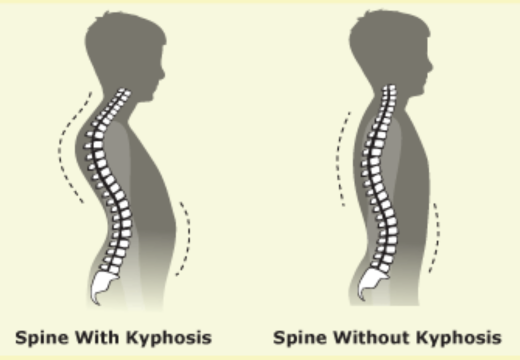
Kyphosis, commonly known as a hunched back or hunchback, refers to an excessive forward curvature of the upper spine that results in a rounded appearance of the back. In modern times, this condition is increasingly seen due to prolonged sitting, poor posture, and extensive use of digital devices. In older individuals, it may also develop due to bone weakening conditions such as osteoporosis. From an Ayurvedic perspective, kyphosis can be associated with Vata Dosha imbalance, particularly affecting Asthi Dhatu (bone tissue) and Mamsa Dhatu (muscle tissue). Ayurveda emphasizes strengthening bones, nourishing tissues, correcting posture, and improving flexibility through herbs, therapies, and lifestyle changes.
INTRODUCTION
Kyphosis is characterized by an abnormal rounding of the thoracic spine (upper back), giving a stooped or hunched appearance. A mild curvature is natural in the spine, but when the curve becomes exaggerated, it leads to visible deformity, discomfort, and sometimes breathing difficulties. This condition may appear in adolescents due to poor posture or in elderly individuals due to degenerative bone changes. The term Dowager’s Hump is often used to describe a noticeable hump at the base of the neck, usually seen in older adults. In Ayurveda, spinal deformities are often linked to Vata aggravation, which causes dryness, degeneration, weakness, and improper alignment of bones and joints.
TYPES OF KYPHOSIS
Postural Kyphosis:
This is the most common type and usually develops due to poor posture, especially in teenagers and adults who spend long hours sitting or using mobile phones and computers.
Features:
- Rounded shoulders
- Forward bending of the upper back
- Usually flexible and reversible
Structural Kyphosis:
This occurs due to structural changes in the vertebrae.
Examples include:
- Congenital defects
- Vertebral fractures
- Spinal diseases
Age-Related Kyphosis (Dowager’s Hump):
Commonly seen in elderly individuals, particularly due to osteoporosis, where weakened bones collapse and create a hump-like appearance.
CAUSES OF KYPHOSIS
- Poor posture while sitting or standing
- Excessive mobile or computer use (Text Neck)
- Weak back and shoulder muscles
- Osteoporosis (bone thinning)
- Degenerative spinal diseases
- Spinal injuries or fractures
- Vitamin D and calcium deficiency
- Congenital spinal abnormalities
SYMPTOMS OF KYPHOSIS
- Rounded upper back
- Visible hump at the base of the neck
- Back stiffness
- Neck and shoulder pain
- Muscle fatigue
- Reduced flexibility
- Difficulty maintaining proper posture
- In severe cases, breathing difficulty
RISK FACTORS FOR KYPHOSIS
- Sedentary lifestyle
- Poor ergonomics
- Aging
- Osteoporosis
- Hormonal changes (especially after menopause)
- Nutritional deficiencies
- Lack of physical exercise
DIAGNOSIS OF KYPHOSIS
- Physical examination
- Posture assessment
- X-ray imaging
- MRI or CT scan (if nerve involvement is suspected)
- Bone density test (for osteoporosis)
AYURVEDIC ASPECT OF KYPHOSIS
In Ayurveda, conditions involving spinal deformity such as kyphosis can be understood under disorders caused by aggravated Vata Dosha, particularly affecting the Asthi Dhatu (bone tissue) and Mamsa Dhatu (muscle tissue). The spine (Merudanda) is considered the main structural support of the body, and its health depends on proper nourishment of bones, muscles, ligaments, and joints. Kyphosis resembles conditions described in Ayurveda as Kubjata (spinal deformity or hump formation), where abnormal curvature or bending of the spine occurs due to weakness, degeneration, or improper support of tissues.
Dosha Involvement
Vata Dosha: Vata governs movement, structure, and stability of bones and joints. When Vata becomes aggravated due to aging, poor nutrition, dryness, excessive strain, or faulty posture, it causes:
- Degeneration of bones
- Weakening of spinal support
- Dryness in joints
- Loss of flexibility
- Structural deformity of the spine
This leads to curvature and formation of a hump-like structure.
Secondary Doshas
- Kapha Dosha: Kapha imbalance contributes to stiffness, heaviness, and reduced mobility in muscles and joints.
- Pitta Dosha: In some cases, Pitta involvement may lead to inflammation, pain, and burning sensation around the affected region.
Dhatu (Tissue) Involvement
Kyphosis mainly affects the following tissues:
Asthi Dhatu (Bone Tissue):
- Weak bones
- Vertebral deformity
- Reduced bone density
- Increased spinal curvature
Mamsa Dhatu (Muscle Tissue): Weakness of back muscles leads to poor support of the spine.
Majja Dhatu (Nerve Tissue): In advanced cases, nerve involvement may lead to pain, tingling, or weakness.
Ayurvedic Pathogenesis (Samprapti)
- Improper posture, sedentary lifestyle, and poor nutrition aggravate Vata Dosha
- Increased Vata causes dryness and degeneration of bone tissue
- Asthi Dhatu Kshaya leads to vertebral weakness
- Mamsa Dhatu weakness reduces muscular support
- Structural instability results in spinal curvature and hump formation
AYURVEDIC MANAGEMENT OF KYPHOSIS
- Pacifying aggravated Vata
- Strengthening bones and muscles
- Improving flexibility
- Preventing further degeneration
- Correcting posture
Treatment includes herbal medicines, Panchakarma therapies, external treatments, yoga, and dietary regulation.
CONCLUSION
Kyphosis, whether manifesting as postural Tech Neck or the age-related Dowager’s Hump, represents a significant structural challenge that modern sedentary lifestyles have only intensified. From an Ayurvedic perspective, the condition is a clear manifestation of Vata aggravation leading to the depletion of Asthi (bone) and Mamsa (muscle) tissues. Effective management requires a multi-dimensional approach: nourishing the skeletal matrix with bone-strengthening and rejuvenating substances, reversing muscular rigidity through targeted Panchakarma therapies like Prishtha Basti, and re-establishing spinal extension through Yoga. By combining internal tissue rejuvenation with external postural correction, individuals can halt degenerative changes, alleviate chronic pain, and restore the spine’s natural alignment and functional integrity.

