Tag: Ayurvedic Remedies For Asthma

How To Manage Asthma in Winters

Abstract

Winter is a challenging season for people with asthma due to cold air, increased respiratory infections, and aggravated Vata–Kapha dosha. Ayurveda offers a systematic approach to strengthen the pranavaha srotas (respiratory channels), reduce airway inflammation, support immunity, and prevent attacks. Various research on herbs like turmeric, liquorice, ginger, tulsi, and Vasaka further validates their bronchodilatory and anti-inflammatory roles.  The condition of asthma is correlated with the term Tamaka Shwasa, a Vata–Kapha predominant condition marked by obstructed respiration, chest congestion, and episodic breathlessness. In this article, we will discuss Asthma and various tips to manage Asthma. Let’s Start!
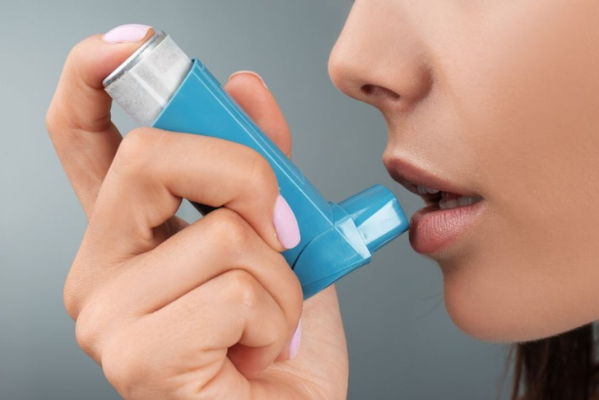
Manage Asthma

Introduction

Asthma is one of the most prevalent chronic respiratory conditions globally, affecting an estimated 262 million people, with rising incidence due to pollution, lifestyle changes, and genetic susceptibility. Winter months, cold air, and viral infections further aggravate symptoms by increasing bronchial sensitivity. Clinically, it involves airway inflammation, mucosal oedema, bronchoconstriction, and excess mucus production, which collectively restrict airflow and lead to difficulty in breathing. In Ayurveda, Asthma corresponds to Tamaka Shwasa, described extensively in the Charaka Samhita, Sushruta Samhita, and Kashyapa Samhita.

Pathogenesis of Asthma According to Ayurveda

In Ayurveda, the pathogenesis of asthma (Tamaka Shwasa) begins with the aggravation of Kapha Dosha due to factors like cold exposure, heavy food, and weak digestion, leading to Srotas (Channels) Avarodha (blockage) in the Pranavaha Srotas (respiratory channels). This obstruction restricts the natural movement of Vata Dosha (air/ movement force), causing it to move in a Pratiloma Gati (reverse direction). The reverse-flowing Vata (Pratilom Vayu) increases Rukshata (dryness) in the airways, disturbing their natural smoothness and flexibility. As a result, the airflow becomes irregular and obstructed, producing symptoms like breathlessness, wheezing, chest tightness, and cough. Thus, Kapha-induced obstruction and Vata’s disordered movement together form the core mechanism of asthma according to Ayurveda.

Types of Asthma According to Ayurveda

Pratamaka Shwasa

Is a severe form of Shwasa (Asthma) in which, along with the classical features of Tamaka Shwasa, the patient also experiences fever (Jwara) and fainting (Murcha). It develops due to factors such as suppressed natural urges, indigestion, and the strong vitiation of Pitta dosha, which combine with Vata and Kapha to intensify the attack. This subtype reflects a tridoshic involvement, making the condition more acute, forceful, and potentially life-threatening. The breathing becomes highly labored, chest congestion worsens rapidly, and the patient may feel exhausted or unstable. Hence, Pratamaka Shwasa is regarded as a more aggressive and dangerous presentation of asthma-like symptoms.

Santamaka Shwasa

Is marked by a unique sensation described as “drowning in darkness,” where breathlessness becomes pronounced during nighttime or in dark conditions. This type is specifically aggravated at night, creating anxiety, fear, and a sudden need to gasp for breath. A key distinguishing feature is that its symptoms are relieved by cold. The patient feels heaviness in the chest, difficulty lying down, and breathlessness that often improves with cool air or cold applications.

Why is Asthma Aggravated in Winters?

Asthma often worsens during winter due to exposure to cold, dry air that irritates and narrows the airways, making mucus thicker and breathing more difficult. Spending more time indoors increases contact with allergens such as dust mites, mould, and pet dander, which can trigger flare-ups. Winter also brings a higher risk of respiratory infections like colds and the flu, known to aggravate asthma symptoms. Sudden temperature shifts between warm indoor environments and cold outdoor air can cause bronchoconstriction. Additionally, heating systems dry out indoor air and reduce ventilation, leading to the buildup of irritants and pollutants that further compromise respiratory health.

How to Manage Asthma in Winters?

Managing asthma in winter requires extra care, as cold air and seasonal changes can easily trigger breathing difficulties. With the right precautions and lifestyle adjustments, winter asthma flare-ups can be effectively reduced and better controlled. Here, we will discuss some effective ways and remedies to manage this condition:

  • Mix one teaspoon of Indian gooseberry powder and one teaspoon of honey together and take it early in the morning.
  • Applying ten to twelve drops of neem oil on a betel leaf and consuming it helps relieve asthma.
  • During an asthma attack, mix rock salt in mustard oil and gently massage it over the chest
  • Take long pepper (Pippali), black pepper (Kali Mirch), dry ginger (Sonth / Ginger powder), and sugar in equal quantities, grind them well, and take half a teaspoon of this powder with warm water in the morning, afternoon, and evening.
  • Make a chutney using garlic, tulsi leaves, and jaggery. Take a pea-sized amount of this paste with warm water.
  • Dry pomegranate peels in sunlight, grind them into powder, and take half a teaspoon mixed with honey.
  • Take liquorice (mulethi), dry ginger (sonth), and brown sugar, all in equal quantities. Boil them in one cup of water until half remains, add sugar, and drink. Take this decoction morning and evening.
  • Take 10 g black pepper, 10 g long pepper, 10 g dry ginger, 10 g green cardamom, and 5 g bay leaf. Grind into powder and mix with 50 g of jaggery. Form chickpea-sized tablets. Take two tablets daily, morning and evening.
  • Mix honey, Vasa/ Adusa juice (Adhatoda vasica), and ginger juice, 5 g each, and consume three times a day. Regular use for one month helps relieve asthma.
  • Mix half a teaspoon of Pushkarmool (Inula racemosa) powder in 20 ml of Dashamoola Kwath and take it.

Conclusion

Winter-induced asthma flare-ups can be effectively managed by integrating Ayurvedic lifestyle practices, herbal remedies, and Panchakarma therapies. Ayurveda emphasizes strengthening the respiratory system, maintaining digestive fire, and balancing Vata-Kapha—making its approach both preventive and therapeutic. With proper winter care, dietary discipline, and regular use of safe Ayurvedic formulations, asthma patients can experience improved breathing, fewer attacks, and enhanced lung resilience.

Alternative Medicines for Asthma Treatment – Respiratory Disorder

Abstract

Respiratory problems are very scary and need very good management to evaluate choking chances due to any mistake. Asthma is a very hampering respiratory disorder that needs immediate management to avoid its complications. It usually begins in early childhood itself, but can also develop in people of any age group. Asthma attacks can be severe and life-threatening that must need immediate management. Long-term modern medicines usage can be replaced by ayurvedic medications under good supervision, which is explained in detail in the following article along with possible causes, and symptoms of asthma disease.

Introduction

Asthma or Bronchial asthma is a chronic respiratory condition that is associated with many abnormal respiratory tract problems. The bronchial lining and the respiratory tract lining become inflamed during an asthmatic attack which makes it harder for the person to breathe normally and has to take deep breaths and has to try harder to take a breath.

Asthma

Types of Asthma

Depending upon the studied cases, the two types of asthma are-

  • Childhood asthma – that could be possibly due to genetic causes.
  • Adult onset asthma – that also includes asthma due to excessive physical work like- exercise induced asthma and occupational asthma.

Bronchodilators also commonly known as Air pumps are used for quick relief that dilate the pathway by reducing the inflammation in the respiratory pathway due to any sudden trigger factor. Trigger factors are many for the asthmatic person, which includes allergic reactions to various items including dust, pollens, or any food item. Severe cases of asthma would require longer acting inhalers (that may contain steroids) to keep airways open. But, Ayurveda provides steroids free, chemical free, toxins free, herbal management for asthma patients.

Ayurvedic Aspect

In Ayurveda Asthma is correlated to “Tamak Swasa roga” in which vatadi dosha imbalance causes the problem in breathing. Kapha dosha causes asthmatic conditions along with vata dosha imbalance. Excess kapha in the body causes cough and indirected vayu causes difficulty in breathing. The wrong diet and lifestyle trigger the symptoms of the disease. There are two types of Tamak swasa (Bronchial asthma) according to Ayurveda texts-

  1. Pratamak Swasa (Bronchial asthma with superimposed infection)
  2. Santamak swasa (Tropical Eosinophilia)

Shloka

asthma treatment

asthma treatment in ayurveda

In Ayurveda this swas roga is said to be very difficult to treat and needs a very long and correct medication and environment to be controlled and recovered. As a small triggering factor can destroy the maintenance of airways for a very long time. To manage the abnormal symptoms of this respiratory disorder proper medications along with the right diet and lifestyle are mandatory. Planet Ayurveda offers the management of Asthma in children and adults in an effective manner after a complete evaluation of the cause and studying the history. You can contact our professionals for effective treatment through the details provided in the article.   While the medicines manufactured particularly for these diseases management are described in detail in the following phrases.

Causes

Various causative factors for asthma are

  • Genetics
  • Allergens
  • Airborne irritants
  • Respiratory infections
  • Complications of certain respiratory diseases
  • Occupational causes
  • Unhygienic causes
  • Overactive immune system

Symptoms

Symptoms can vary from individual to individual, while common symptoms recorded for asthma are-

  • Shortness of breath
  • Wheezing
  • Tightness in chest
  • Difficulty sleeping
  • Cough
  • Sleep apnea
  • Difficulty in breathing when triggered
  • Breathlessness doing heavy exercise

Diagnosis

Diagnosis of asthma is done through

  • Physical examination
  • Medical history
  • Lung function tests
  • Spirometry test
  • Bronchodilator test
  • Allergic tests
  • Blood tests
  • Methacholine challenge test

Treatment

Treatment for asthma includes medications and therapies to give immediate relief and allow relaxed breathing through-

  • Anti-inflammatory drugs
  • Bronchodilators
  • Keep the protection from asthma trigger factors
  • Allergy immunotherapy

According to Ayurveda, the ‘Ushan padarth’ (Warm food items) are helpful in managing the symptoms of Tamak swasa as the heat has a tendency to soften the excess accumulated kapha in the respiratory region and whole body. This will eventually improve breathing schedules.

HERBAL REMEDIES FOR THE TREATMENT OF ASTHMA BY PLANET AYURVEDA

Planet Ayurveda has a wide range of Ayurvedic medicines to be used in the treatment of various diseases accordingly. The medicines prepared are fully herbal and 100% pure. Sample testing of all the medicines is done before being launched in the market to be sold and prescribed to the patients. Here are some medicines described in detail about their use and benefits in the management of the disease Asthma.

herbal supplements for asthma

Ayurvedic Management of Asthma

1. Aller- G Care

This ayurvedic preparation of Planet Ayurveda is pure medicine that is 100% organically pure. It contains extracts of herbs such as- Shirish (Albizia lubbock), Neem (Azadirachta indica), etc. This medicine is very effective in managing all types of allergic reactions. The anti-inflammatory, and analgesic properties of this medicine manage to ease allergic symptoms effectively.

Dosage- Take 2 capsules twice daily after meal with plain water.

2. Praanrakshak Churna

This ayurvedic medicine is named after its working. Prann in Ayurveda refers to breathing which is the main necessity for living. This ayurvedic churna contains an herbal mixture of herbs such as- Vasa (Adhatoda vasica), Dalchini (Cinnamomum zeylanica), Mulethi (Glycyrrhiza glabra), etc. this herbal churna is most effective ayurvedic formulation for management of bronchial asthma, bronchial allergies, allergic disorders like rhinitis and sinusitis, etc. Breathlessness and respiratory tract problems of asthma patients are indicated in this churna for long-term rest.

Dosage- Take 1 teaspoon of churna twice daily after meal with plain water.

3. Tulsi Capsules

These ayurvedic capsules contain standard natural extracts of the herb Tulsi (Holy basil). Tulsi is a well-known herb for treating respiratory problems. It is useful in allergic reactions, anti-inflammatory conditions of various types, chronic respiratory disorders, etc. Tulsi strengthens the lining of internal body systems including the respiratory system, digestive system, etc. Tulsi capsules also manage to control cough by mobilizing mucus in asthma patients.

Dosage- Take 1 capsule twice daily after meal with plain water.

4. Shwas Kuthar Ras

This is an ayurvedic medicine that is predominantly used in the management of asthma, dyspnea, bronchitis, etc respiratory disorders. Shwas (breath) is allowed to pass without any hindrance in and out of the body. Breathlessness and sleep apnea-like abnormal conditions are overcome with the usage of these ayurvedic medicated tablets.

Dosage- Take 1 tablet twice daily after meal with plain water.

Conclusion

From the above-given information, we can conclude that Ayurveda has a vast research in the field of managing respiratory diseases and these medicines are effective enough to treat health conditions like Asthma. The medicines are used along with proper diet and lifestyle changes recommended and altered under the guidance of a professional doctor. For more queries related to any disease t to book your online appointments please visit us at our official website www.planetayurveda.com