Tag: Ayurvedic oils for sports injuries

SPORT INJURIES AND AYURVEDIC TREATMENTS – Causes, Symptoms, Diagnosis & Treatment

ABSTRACT

Sports injuries are physical injuries that occur during athletic activities, exercise, training, or recreational sports. They may affect muscles, tendons, ligaments, bones, and joints, ranging from minor strains and sprains to severe fractures and ligament tears. These injuries can develop suddenly due to falls, collisions, twisting movements, or excessive force, or gradually as a result of repetitive stress and inadequate recovery. Common manifestations include pain, swelling, stiffness, muscle weakness, and restricted movement, which may interfere with physical performance and daily activities. The severity and recovery period depend on the type of injury, the tissues involved, and the extent of damage. Early diagnosis, appropriate treatment, rehabilitation, adequate nutrition, and preventive measures play an important role in restoring physical function and reducing the risk of recurrent injuries.
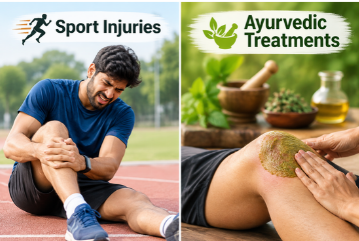
Sport Injuries and Ayurvedic Treatments

INTRODUCTION

Sports and physical activities play an important role in maintaining physical fitness, muscular strength, cardiovascular health, and overall well-being. However, excessive physical exertion, repetitive movements, sudden twisting, and direct impact can lead to sports injuries. These injuries commonly affect muscles, tendons, ligaments, bones, and joints, particularly in the knees, ankles, shoulders, and lower back. They may occur suddenly due to falls, collisions, or awkward movements, or develop gradually because of repetitive stress and inadequate recovery. Depending on their severity, sports injuries can cause pain, swelling, stiffness, muscle weakness, and restricted mobility. Timely diagnosis, appropriate treatment, rehabilitation, proper nutrition, and preventive measures are essential for restoring physical function, maintaining athletic performance, and reducing the risk of recurrent injuries.

COMMON TYPES OF SPORTS INJURIES

Sports injuries can be broadly classified into acute injuries and chronic or overuse injuries:

Muscle Strain

A muscle strain occurs when muscle fibres or their associated tendons are overstretched or torn due to excessive force. It commonly affects the hamstrings, quadriceps, calf muscles, and lower back. Symptoms include sudden pain, tenderness, muscle weakness, swelling, and difficulty moving the affected area.

Ligament Sprain

A sprain involves stretching or tearing of ligaments, which connect bones and provide stability to joints. Ankle sprains are particularly common in sports involving running, jumping, and sudden changes in direction. Knee and wrist sprains may also occur.

Tendinitis and Tendinopathy

Tendons connect muscles to bones and help transmit muscular force during movement. Repetitive loading and inadequate recovery can cause tendon-related pain and dysfunction. Common examples include Achilles tendinopathy, patellar tendinopathy, and rotator cuff tendinopathy.

Tennis Elbow

Tennis elbow, medically known as lateral epicondylitis or lateral elbow tendinopathy, is associated with pain around the outer side of the elbow. It commonly develops due to repetitive gripping, wrist extension, and forearm movements.

Runner’s Knee

Runner’s knee, commonly associated with patellofemoral pain syndrome, causes pain around or behind the kneecap. It may develop due to repetitive running, jumping, increased training intensity, or biomechanical factors.

Shin Splints

Shin splints, medically known as medial tibial stress syndrome, cause pain along the inner border of the shinbone. They are frequently associated with running, jumping, sudden increases in training intensity, and repetitive impact.

Anterior Cruciate Ligament (ACL) Injury

The ACL is an important ligament responsible for maintaining knee stability. It may be injured during sudden stopping, twisting, pivoting, or awkward landing movements. Severe injuries may cause knee instability and require surgical evaluation.

Stress Fractures

Stress fractures are small cracks in bones caused by repetitive loading and insufficient recovery. They commonly affect the feet, ankles, and lower legs, particularly in athletes involved in running and jumping activities.

CAUSES AND RISK FACTORS OF SPORTS INJURIES

Several factors can contribute to sports injuries, including:

  • Inadequate warm-up before exercise or sports activities.
  • Sudden increases in exercise intensity, duration, or frequency.
  • Repetitive movements and excessive training without adequate recovery.
  • Improper sports techniques and incorrect body mechanics.
  • Weak muscles and inadequate joint stability.
  • Muscle imbalance and restricted flexibility.
  • Wearing unsuitable footwear or using improper sports equipment.
  • Training on hard, uneven, or inappropriate surfaces.
  • Previous injuries and incomplete rehabilitation.
  • Dehydration, nutritional deficiencies, and inadequate sleep.

AYURVEDIC TREATMENTS FOR SPORTS INJURIES

Ayurveda describes several therapeutic approaches for managing musculoskeletal discomfort and supporting tissue health. The selection of treatment depends on the stage of injury and the condition of the affected structures.

1. Abhyanga (Therapeutic Oil Massage)

Abhyanga involves the external application of medicated oils with appropriate massage techniques. It is traditionally used to pacify aggravated Vata Dosha, nourish tissues, and support flexibility and mobility.

Some commonly used Ayurvedic oils include:

  • Maha Narasimha Thailam: Traditionally used in musculoskeletal conditions associated with Vata Dosha.
  • Kshirabala Taila: Traditionally used for Vata-related disorders and associated discomfort.
  • Jai Shree Dhanwantharam Oil: Traditionally used in musculoskeletal and neuromuscular conditions.
  • Barleria Sehchar Thailam: Traditionally used in conditions involving stiffness and restricted movement.

The selection of oil should be based on the individual’s condition. Massage should be avoided over fresh injuries, suspected fractures, acute ligament tears, and areas with significant swelling or inflammation until medically assessed.

2. Swedana (Sudation Therapy)

Swedana refers to therapeutic procedures involving the application of heat to induce sweating. In Ayurveda, it is traditionally used to alleviate stiffness, heaviness, and certain Vata-related complaints.

Different forms include:

  • Nadi Sweda: Localised steam application through a tube.
  • Bashpa Sweda: Steam therapy using a specialised chamber.
  • Patra Pinda Sweda: Fomentation using a bolus containing medicinal leaves.
  • Valuka Sweda: Fomentation using heated sand.

Swedana may be considered in selected subacute or chronic musculoskeletal conditions. However, heat therapy should be avoided during the initial phase of an acute injury when significant swelling, bleeding, or inflammation is present.

3. Lepana (Herbal Paste Application)

Lepana involves applying medicinal herbal pastes externally over the affected area. Depending on the formulation, it is traditionally used to support local comfort and manage swelling and inflammation.

Some commonly used herbs include:

  • Nirgundi (Vitex negundo): Traditionally used in Ayurvedic preparations for musculoskeletal discomfort.
  • Eranda (Ricinus communis): Used in various traditional formulations for Vata-related conditions.
  • Haridra (Curcuma longa): Traditionally valued for its anti-inflammatory properties.
  • Shunthi (Zingiber officinale): Traditionally used in formulations addressing inflammatory and painful conditions.

The choice of herbal paste depends on the injury and the condition of the affected tissues. It should not be applied over open wounds, damaged skin, or suspected fractures without appropriate medical guidance.

4. Localised Basti (Oil Pooling)

  • Janu Basti: This procedure involves retaining warm medicated oil within a specially prepared boundary over the knee joint. It is traditionally used in knee-related discomfort and stiffness.
  • Kati Basti: In this procedure, warm medicated oil is retained over the lower back region. It is traditionally used for lower back discomfort and stiffness.
  • Greeva Basti: This procedure involves retaining warm medicated oil over the cervical region and is traditionally used for neck-related discomfort.

These procedures may provide symptomatic support in selected conditions but should not be considered methods for repairing torn ligaments, healing fractures, or replacing necessary surgical treatment.

IMPORTANT AYURVEDIC HERBS FOR MUSCULOSKELETAL HEALTH

Several medicinal herbs are traditionally used in Ayurveda to support muscle, bone, joint, and connective tissue health:

1. Ashwagandha (Withania somnifera)

Ashwagandha is classified as a Rasayana (rejuvenative herb) in Ayurveda. It is traditionally used to support physical strength, stamina, and recovery. Research has also explored its potential role in exercise performance and muscle strength, although further clinical evidence is required.

2. Bala (Sida cordifolia)

Bala is traditionally valued for its Balya (strength-promoting) properties. It is used in various Ayurvedic formulations intended to support muscle strength and neuromuscular health.

3. Guggulu (Commiphora mukul)

Guggulu is widely used in traditional Ayurvedic formulations for joint and musculoskeletal conditions. It is included in several classical preparations intended to support joint comfort and mobility.

4. Shallaki (Boswellia serrata)

Shallaki is traditionally used in joint-related conditions. Its resin contains boswellic acids, which have been investigated for their potential anti-inflammatory activities.

5. Hadjod (Cissus quadrangularis)

Hadjod is traditionally recognised for its use in bone-related conditions. Also it has been investigated for its potential role in bone healing.

HERBAL REMEDIES FOR SPORTS INJURIES BY PLANET AYURVEDA

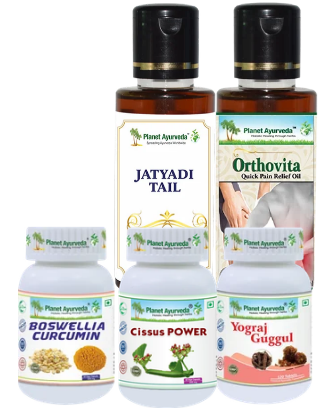
Planet Ayurveda is a trusted name in Ayurvedic healthcare, dedicated to promoting natural wellness through traditional Ayurvedic knowledge and modern quality standards. We offer a wide range of herbal formulations prepared under the guidance of experienced Ayurvedic doctors, following strict quality-control practices. Our products are designed to support overall health and well-being through the principles of Ayurveda. Understanding the importance of proper care and recovery after sports-related injuries, Planet Ayurveda offers a specially curated Sports Injury Care Pack. This pack combines selected Ayurvedic herbal formulations to support joint, muscle, ligament and tendon health. It is intended to complement an appropriate injury-management and rehabilitation plan, helping support the body’s natural recovery process.

Sports Injury Care Pack

  1. Boswellia Curcumin
  2. Yograj Guggul
  3. Cissus Power Capsules
  4. Jatyadi Tail
  5. Orthovita Oil

Care Pack of Sports Injuries
Buy Now Care Pack of Sports Injuries

Buy Now Care Pack of Sports Injuries

Product Description

1. Boswellia Curcumin

Boswellia Curcumin is an Ayurvedic herbal formulation prepared by Planet Ayurveda under the guidance of M.D. Ayurveda doctors. It contains standardised extract of Boswellia (Boswellia serrata) and Curcumin (Curcuma longa), traditionally valued for their Shothahara (anti-inflammatory) and antioxidant properties. These herbs may help support joint comfort, manage exercise-related inflammation and maintain musculoskeletal health.

Dosage: 2 capsules twice daily with plain water after meals.

2. Yograj Guggul

Yograj Guggul is a classical Ayurvedic formulation prepared by Planet Ayurveda according to traditional Ayurvedic principles, under the guidance of M.D. Ayurveda doctors. It contains ingredients such as Guggul (Commiphora wightii), Chitraka (Plumbago zeylanica), Ajwain (Trachyspermum ammi), etc. It is traditionally used for Vata-related musculoskeletal complaints and may help support joint mobility, flexibility and physical comfort.

Dosage: 2 tablets twice daily with plain water after meals.

3. Cissus Power Capsules

Cissus Power Capsules are a herbal formulation by Planet Ayurveda containing Cissus (Cissus quadrangularis), a plant traditionally used in Ayurveda for supporting Asthi Dhatu (bone tissue) health. It may help support bone strength and musculoskeletal wellness. Cissus is also being investigated for its potential role in bone healing and recovery.

Dosage: 1 capsule twice daily with plain water after meals.

4. Jatyadi Tail

Jatyadi Tail is a traditional Ayurvedic oil prepared using herbs such as Jati (Jasminum officinale), Nimba (Azadirachta indica), Patola (Trichosanthes dioica) and other ingredients. It is traditionally used for external application in minor wounds, cuts and skin injuries. Its Vranaropana (wound-healing) properties make it relevant for supportive skin care in minor sports-related injuries.

Method of Application: Clean the affected area gently with clean water or saline and pat it dry. Apply a thin layer of Jatyadi Tail over the affected skin using clean hands or sterile gauze, as appropriate. It may be applied once or twice daily, or as directed by an Ayurvedic healthcare professional.

5. Orthovita Oil

Orthovita Oil is an external-use formulation from Planet Ayurveda containing ingredients such as Shul Gajendra Oil, Gandhapura Oil, Turpentine Oil, etc. These ingredients are traditionally used in external applications for their warming and soothing properties. The formulation may help provide temporary relief from muscular discomfort, joint stiffness and soreness associated with physical exertion. It can be used as supportive external care for sports-related muscle and joint discomfort.

Method of Application: Warm the oil through the water bath method before application. Never warm the hot through direct heating. Apply it on the affected area and massage gently.

CONCLUSION

Sports injuries can affect muscles, ligaments, tendons, bones and joints, making timely diagnosis, appropriate treatment and proper rehabilitation essential for recovery. Ayurveda offers various traditional approaches, including herbal formulations, medicated oils and external therapies, that may provide supportive care for musculoskeletal health. Planet Ayurveda offers a specially curated Sports Injury Care Pack comprising Boswellia Curcumin, Yograj Guggul, Cissus Power Capsules, Jatyadi Tail and Orthovita Oil. These formulations are intended to complement appropriate injury management by supporting joint comfort, bone health, muscle function and external skin care. A balanced diet, adequate rest, gradual return to physical activity and supervised rehabilitation are equally important for recovery and prevention of recurrent injuries.
Sport Injuries And Ayurvedic Treatments – Causes, Symptoms, Diagnosis & Treatment

Abstract

Sports injuries are physical injuries that occur during exercise, training, competition, or recreational activities. They may involve muscles, tendons, ligaments, bones, joints, or nerves and can range from minor strains to fractures and ligament ruptures. Common examples include sprains, muscle strains, contusions, tendinopathies, dislocations, and overuse injuries. Their management depends on the type and severity of tissue damage, with early assessment being important when significant pain, deformity, instability, or inability to bear weight is present. Modern sports medicine combines acute injury care, pain management, rehabilitation, progressive loading, and sport-specific conditioning. Ayurveda approaches musculoskeletal injury through concepts such as Vata aggravation, Abhighata (trauma), Shotha (swelling), Vedana (pain), and Dhatu involvement. Ayurvedic interventions such as appropriate Snehana (Oleation therapy), Swedana (Sudation therapy), external applications, therapeutic exercise, and selected herbal formulations may be incorporated according to the stage and nature of the injury. An integrated approach can emphasise safe recovery, restoration of movement, and prevention of recurrence.

Sport Injuries And Ayurvedic Treatments

Introduction

Sports participation improves cardiovascular fitness, muscle strength, bone health, coordination, and psychological well-being. However, repetitive loading, sudden movements, physical contact, inadequate preparation, or inappropriate training progression can result in injury. Sports injuries may occur suddenly, such as when an athlete twists an ankle, falls, collides with another player, or lands awkwardly. Others develop gradually because repetitive stress exceeds the body’s capacity to recover. The severity of an injury is not determined only by pain. A seemingly minor injury may involve significant ligament or tendon damage, while a painful contusion may resolve without complications. Therefore, understanding the mechanism of injury and assessing functional limitations are important. Modern management increasingly emphasises controlled recovery rather than prolonged complete immobilisation. For many soft-tissue injuries, early protection followed by appropriately graded movement can help restore function and reduce stiffness. Ayurveda offers a traditional framework that focuses on the affected tissues, the nature of trauma, pain, swelling, and the individual’s overall strength.

Types of Sports Injuries

Sports injuries are broadly classified based on their onset, structural involvement, and tissue mechanical characteristics. These are as follows:

Acute Injuries

These result from a sudden, macro-traumatic event during physical activity, such as a direct blow, sudden twisting, or high-impact collision. Common acute injuries include muscle strains, ligament sprains, joint dislocations, bone fractures, and acute contusions.

Overuse and Chronic Injuries

These develop progressively due to repetitive micro-trauma, submaximal load stress, inadequate recovery intervals, or biomechanical flaws. Examples include tendonitis, plantar fasciitis, stress fractures, medial tibial stress syndrome, and bursitis.

Soft Tissue Injuries

Involving muscles, tendons, ligaments, and fascia, these injuries account for the majority of sports-related presentations. They range from Grade I micro-tears to Grade III complete ruptures.

Hard Tissue Injuries

Involving bones and cartilage, these require careful structural assessment to rule out displacement, joint instability, or long-term articular damage.

Causes and Risk Factors

The development of sports injuries involves an interplay between intrinsic (internal) and extrinsic (external) factors.

Biomechanical and Structural Vulnerabilities

Anatomical variations, such as limb length discrepancies, hypermobility, flat feet, or poor posture, alter force distribution during physical exertion, placing excessive stress on specific joints and tissues.

Inadequate Warm-up and Conditioning

Muscle tissue that is cold, inflexible, or poorly conditioned lacks the elasticity needed to absorb sudden tensile forces, significantly increasing the likelihood of tears and strains.

Overtraining and Insufficient Recovery

Excessive training volume or intensity without adequate rest periods leads to cumulative fatigue. Fatigue impairs neuromuscular coordination and suppresses cellular tissue repair mechanisms.

Poor Technique and Equipment

Flawed movement mechanics during running, jumping, or lifting transfer stress to vulnerable soft tissues. Unsuitable footwear or inadequate protective gear further exacerbates injury risks.

Environmental Factors

Uneven playing surfaces, extreme weather conditions, or slippery turf increase the likelihood of trips, falls, and unexpected joint torque.

Pathophysiology of Sports Injuries

The biological response depends on the tissue involved. When muscles, ligaments, tendons, or other structures are damaged, the body initiates an inflammatory and repair response. Blood vessels and immune cells participate in removing damaged tissue and initiating healing. Acute inflammation can produce pain, swelling, warmth, tenderness, and restricted movement. Although excessive swelling may interfere with mobility, inflammation itself is part of the normal repair process. Muscle injuries can involve disruption of muscle fibers, while ligament injuries range from microscopic stretching to partial or complete tears. Tendons may develop microscopic structural changes when repetitive loading repeatedly exceeds their capacity to adapt. Healing generally involves overlapping phases of inflammation, tissue repair, and remodelling. Rehabilitation must therefore change as the injury progresses. Early protection may be followed by controlled movement, strengthening, balance training, and sport-specific activity.

Signs and Symptoms

The signs and symptoms of sports injuries vary depending on the severity and anatomical site involved:

Pain

Can range from sharp, acute pain at the moment of impact to a dull, throbbing ache that persists during rest or movement.

Swelling and Inflammation

Localised oedema due to fluid accumulation and vascular permeability in injured tissues.

Erythema and Warmth

Increased local blood flow around the site of acute trauma.

Functional Limitation

Marked reduction in range of motion, weakness during muscle activation, or inability to bear weight on the affected limb.

Instability and Deformity

Present in severe joint dislocation, complete ligamentous disruption, or bone displacement.

Diagnosis

Accurate diagnosis involves combining clinical history, physical examination, and advanced imaging modalities:

History Taking

Details regarding the mechanism of injury, onset, training history, previous injuries, and specific pain patterns.

Physical Examination

Palpation to identify tender points, passive and active range of motion testing, joint stability tests, and functional strength assessments.

Imaging Modalities

Radiographs (X-rays) to rule out fractures or dislocations; Magnetic Resonance Imaging (MRI) to evaluate soft tissue structures like ligaments, tendons, menisci, and articular cartilage; and Diagnostic Ultrasound for real-time dynamic evaluation of tendon and muscle tears.

Modern Management

The immediate phase of sports injury management typically follows the traditional principles of protection, rest, ice, compression, and elevation (PRICE), progressing in recent sports medicine literature to the POLICE protocol (Protection, Optimal Loading, Ice, Compression, Elevation) or the PEACE & LOVE framework (Protection, Elevation, Avoid Anti-inflammatories, Compression, Education & Load, Optimism, Vascularisation, Exercise). Acute medical care aims to mitigate excessive oedema and manage pain through short-term analgesics, followed by structured physical therapy focused on restoring mobility, strength, proprioception, and sport-specific biomechanics.

Rehabilitation and Return to Sport

Recovery should be based on function rather than simply the disappearance of pain. Rehabilitation usually progresses through several stages. The initial stage focuses on protecting injured tissues and controlling symptoms. The next stage emphasises restoring range of motion and basic muscle activation. Strengthening is then progressively increased to restore capacity. Balance and proprioception are particularly important after lower-limb injuries because they help the athlete regain control of the joint during dynamic movements. Before returning to competitive sport, the athlete should demonstrate appropriate strength, mobility, coordination, and sport-specific tolerance. Returning too quickly can increase the risk of reinjury. Adequate sleep, hydration, protein intake, and overall nutrition also support the physiological demands of recovery.

Prevention of Sports Injuries

Prevention begins before the injury occurs. A structured warm-up prepares the body for activity, while appropriate technique reduces unnecessary mechanical stress. Training should increase progressively rather than suddenly. Rest and recovery periods are essential, particularly when the same muscle groups or joints are repeatedly loaded. Strengthening exercises can improve muscular capacity and joint control. Balance and neuromuscular training are particularly useful in sports involving jumping, cutting, and rapid changes in direction. Appropriate footwear and sport-specific protective equipment should be used. Athletes should also address previous injuries and complete rehabilitation before returning to unrestricted activity.

Ayurveda Insight

Ayurveda describes traumatic injury under the broader concept of Abhighata, with manifestations such as Vedana (pain), Shotha (swelling), restricted movement, and tissue disturbance. Ayurveda explains the pathophysiology of trauma through the lens of the three Doshas (Vata, Pitta, and Kapha) and the Dhatus (body tissues), specifically Mamsa (muscle), Sira (blood vessels and nerves), Snayu (tendons and ligaments), Asthi (bone), Majja (marrow and nervous tissue), and Sandhi (joints).

Vata Dominance in Injury

External impact instantly causes an acute surge and disruption of Vata Dosha, particularly Vyana Vayu, which governs movement and circulation. Vitiated Vata accounts for sharp, radiating pain, stiffness, loss of movement, and tissue degeneration (Kshaya).

Pitta and Inflammation

The immediate inflammatory response—characterised by heat, redness, burning sensation, and oedema—is driven by Pitta Dosha and Rakta Dhatu (blood).

Kapha and Swelling/Stability

Accumulation of fluid, swelling, and subsequent stiffness involve Kapha Dosha. Healthy Kapha provides joint lubrication (Sleshaka Kapha) and structural stability; however, unbalanced Kapha leads to sluggish fluid movement and chronic stiffness.

According to Ayurvedic traumatology, soft tissue structures like tendons and ligaments are considered Upadhatus (secondary tissues) of Meda (fat tissue) and Rasa (plasma). Restoring these tissues requires targeted therapies that balance local Doshas, clear blood stagnation, promote tissue nutrition, and strengthen the structural matrix.

Ayurvedic Management Strategies

Ayurvedic treatment for sports injuries adopts a phased approach based on the acute or chronic stage of the injury:

Acute Phase Management (Amavastha)

In the immediate aftermath of an acute injury accompanied by severe swelling, heat, and Pitta-Rakta involvement, heavy oily applications or deep tissue therapies are contraindicated.

Lepa (Topical Herbal Pastes)

Application of cooling, anti-inflammatory, and astringent herbal pastes such as Shatadhauta Ghrita, or pastes made from chandana (sandalwood), etc., to calm local heat, soothe damaged capillaries, and reduce swelling.

Pichu

Placing a cotton pad soaked in medicated oils or decoctions over the affected area to relieve acute discomfort without causing deep tissue friction.

Cold Fomentation (Sheeta Seka)

Pouring cool herbal decoctions made from Pitta-soothing herbs over the injured joint.

Sub-acute and Chronic Phase Management (Nirama State)

Once the initial heat and sharp inflammation subside, treatment shifts toward relieving stiffness, dispelling Vata, restoring circulation, and promoting cellular regeneration.

Abhyanga and Snehana (Therapeutic Oleation)

Application of specific medicated oils tailored to the injury type. Mahanarayana Taila, Ksheerabala Taila, Dhanwantharam Taila, and Murivenna are extensively used. Murivenna—a traditional Ayurvedic oil containing coconut oil, aloe vera, betel leaf, and onion—is renowned for accelerating the healing of soft tissue injuries, muscle tears, and sprains.

Swedana (Fomentation)

Thermal therapies to soften rigid muscles and improve joint mobility. Patra Pinda Sweda (fomentation using cloth boluses filled with medicated leaves fried in oils) and Shashtika Shali Pinda Sweda (bolus fomentation using processed rice cooked in milk and herbal decoctions) nourish wasted or torn muscle tissue, reduce pain, and improve neuromuscular function.

Janu Basti / Kati Basti / Griva Basti

Localised oil pooling therapies where a dam made of dough is built over an injured joint (such as the knee, lower back, or shoulder) and filled with warm medicated oil. This provides deep, continuous nourishment to worn cartilage, ligaments, and tendons.

Bandhana (Therapeutic Bandaging)

Ancient Ayurvedic texts detail specialised bandaging techniques using cotton cloths soaked in medicated oils or pastes to immobilise joints, stabilise fractures, and support soft tissue alignment during the healing process.

Herbal Remedies for Sports Injuries by Planet Ayurveda

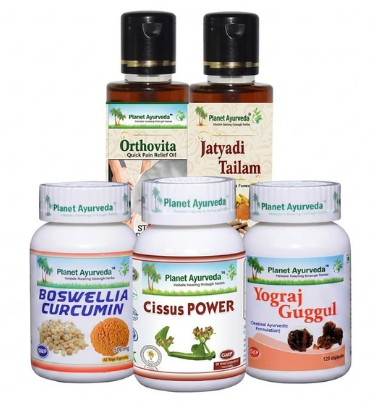
Planet Ayurveda is an Ayurvedic wellness brand offering a wide range of herbal and traditional formulations inspired by classical Ayurvedic principles. Its products use carefully selected herbs and natural ingredients to support areas such as digestion, immunity, joint and bone health, skin care, women’s wellness, and overall vitality. The brand combines traditional Ayurvedic knowledge with modern quality standards to provide convenient wellness solutions. Planet Ayurveda focuses on promoting holistic health and making Ayurvedic wellness practical for modern lifestyles. Here, in this article, we are going to discuss some herbal formulations by Planet Ayurveda for the management of Sports injuries. Let’s Start!

  1. Boswellia-Curcumin
  2. Yograj Guggul
  3. Cissus Power
  4. Jatyadi Tailam
  5. Orthovita Oil

Herbal Remedies for Sport Injuries

Buy Now Herbal Remedies for Sport Injuries

Buy Now<br /> Herbal Remedies for Sport Injuries

Product Description

1. Boswellia-Curcumin

Boswellia-Curcumin Capsules provide supportive care during recovery from sports injuries through the combined properties of Boswellia serrata and Curcuma longa (turmeric). Their active compounds help regulate inflammatory pathways associated with muscle, joint, and soft-tissue irritation after physical activity. This support is useful for managing exercise-related soreness, stiffness, and musculoskeletal discomfort. The formulation also promotes comfortable movement during the rehabilitation phase and supports the body’s natural recovery processes. Its anti-inflammatory action complements progressive strengthening and mobility exercises during rehabilitation. Along with proper rest, nutrition, and physiotherapy, it supports a balanced approach to sports-injury recovery.

Dosage: 2 Capsules twice daily after meals with water.

2. Yograj Guggul

Yograj Guggul, containing Commiphora mukul, Cyperus rotundus, Plumbago zeylanica, Emblica officinalis, Terminalia bellirica, Terminalia chebula, and several other classical ingredients, is traditionally used in Ayurveda to support musculoskeletal health and recovery from physical strain. In sports injuries, it helps maintain healthy circulation to affected tissues and supports the body’s natural repair mechanisms. The formulation is valued for its role in reducing stiffness, promoting flexibility, and improving joint mobility after injury. Its ingredients also support the removal of metabolic waste products generated during intense physical activity. From an Ayurvedic perspective, it helps balance aggravated Vata Dosha, which is commonly associated with pain, restricted movement, and tissue discomfort following trauma. Regular use supports smoother rehabilitation and helps restore functional movement in muscles and joints. It serves as a supportive component in the overall management of sports-related musculoskeletal injuries.

Dosage: 2 tablets twice daily after meals with water.

3. Cissus Power

Cissus Power, containing Hadjod (Cissus quadrangularis), provides Ayurvedic support for recovery from sports-related musculoskeletal injuries. Hadjod is traditionally recognised for supporting bone strength, tissue repair, and musculoskeletal resilience, making it particularly relevant after strains, sprains, and physical trauma. Its phytoconstituents support the body’s natural healing processes and help maintain healthy connective-tissue function. The formulation also supports recovery when physical activity places repeated stress on bones and joints. From an Ayurvedic perspective, Hadjod is valued for strengthening injured tissues and supporting Vata balance after trauma. It helps maintain mobility and functional recovery during rehabilitation. Overall, Cissus Power serves as a supportive herbal formulation alongside appropriate rest, physiotherapy, and progressive exercise.

Dosage: 1 Capsule twice daily after meals with water.

4. Jatyadi Tail

Jatyadi Tail, containing herbs such as Chameli (Jasminum officinale), Neem (Azadirachta indica), Patola Patra (Stereospermum chelonoides), Madhuuchchhishta (Beeswax), Mulethi (Glycyrrhiza glabra), Koot/Kushtha (Saussurea lappa), and many other ingredients, is traditionally used to support the healing of skin and superficial soft-tissue injuries. In sports injuries involving abrasions, minor cuts, or damaged skin, these ingredients support tissue repair and maintain a healthy local healing environment. Neem and other herbs contribute traditional antimicrobial and soothing properties, while beeswax helps provide a protective, moisturising layer over the skin. The oil helps relieve local dryness and discomfort during the healing process. Its traditional use is particularly relevant for superficial injuries rather than deep muscle, ligament, or bone damage. Thus, Jatyadi Tail serves as supportive topical care during the recovery of minor sports-related skin injuries.

5. Orthovita Oil

Orthovita Oil, containing Shul Gajendra Oil, Gandhapura Oil, Turpentine Oil, Saindhavadi Taila, Prasarini Oil, and Camphor, provides topical support for sports-related muscle and joint discomfort. Gandhapura oil and camphor produce a soothing counter-irritant effect that helps ease localised pain and stiffness. Saindhavadi Taila and Prasarini Oil are traditionally used in Ayurveda to support Vata-related musculoskeletal discomfort and restricted movement. The formulation promotes a warming, soothing sensation that can improve comfort during recovery. Gentle massage also supports local circulation and mobility of muscles and joints. It is particularly useful as supportive external care during the rehabilitation phase after physical strain or minor injuries.

Dosage of Jatyadi Tailam and Orthovita Oil: Mix both oils and warm the mixture using the water-bath method. Do not heat the oils directly over a flame or heating element. Once comfortably warm, apply the mixture to the affected area and massage gently.

Conclusion

Sports injuries range from minor strains and sprains to complex injuries involving bones, ligaments, tendons, muscles, and joints. Successful recovery depends on accurate assessment, appropriate early care, progressive rehabilitation, adequate nutrition, and a carefully planned return to activity. Modern sports medicine emphasises protection during the acute phase followed by gradual restoration of movement, strength, coordination, and sport-specific function. By bridging functional biomechanical principles with the profound insights of Ayurvedic traumatology, athletes and active individuals can achieve thorough rehabilitation. Ayurvedic modalities—ranging from targeted topical oil therapies and specialised bandaging to internal rejuvenative remedies work synergistically to calm vitiated Vata, reduce chronic inflammation, and rebuild damaged tissues. Incorporating these integrative techniques into sports rehabilitation protocols fosters faster recovery, minimises re-injury risk, and enhances overall physical vitality.