How To Manage Asthma in Winters
Abstract
Winter is a challenging season for people with asthma due to cold air, increased respiratory infections, and aggravated Vata–Kapha dosha. Ayurveda offers a systematic approach to strengthen the pranavaha srotas (respiratory channels), reduce airway inflammation, support immunity, and prevent attacks. Various research on herbs like turmeric, liquorice, ginger, tulsi, and Vasaka further validates their bronchodilatory and anti-inflammatory roles. The condition of asthma is correlated with the term Tamaka Shwasa, a Vata–Kapha predominant condition marked by obstructed respiration, chest congestion, and episodic breathlessness. In this article, we will discuss Asthma and various tips to manage Asthma. Let’s Start!
Introduction
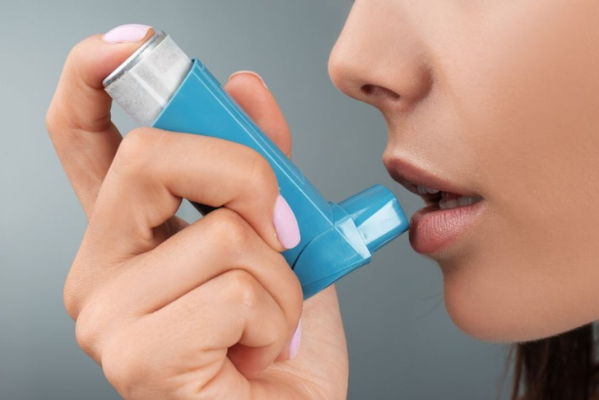
Asthma is one of the most prevalent chronic respiratory conditions globally, affecting an estimated 262 million people, with rising incidence due to pollution, lifestyle changes, and genetic susceptibility. Winter months, cold air, and viral infections further aggravate symptoms by increasing bronchial sensitivity. Clinically, it involves airway inflammation, mucosal oedema, bronchoconstriction, and excess mucus production, which collectively restrict airflow and lead to difficulty in breathing. In Ayurveda, Asthma corresponds to Tamaka Shwasa, described extensively in the Charaka Samhita, Sushruta Samhita, and Kashyapa Samhita.
Pathogenesis of Asthma According to Ayurveda
In Ayurveda, the pathogenesis of asthma (Tamaka Shwasa) begins with the aggravation of Kapha Dosha due to factors like cold exposure, heavy food, and weak digestion, leading to Srotas (Channels) Avarodha (blockage) in the Pranavaha Srotas (respiratory channels). This obstruction restricts the natural movement of Vata Dosha (air/ movement force), causing it to move in a Pratiloma Gati (reverse direction). The reverse-flowing Vata (Pratilom Vayu) increases Rukshata (dryness) in the airways, disturbing their natural smoothness and flexibility. As a result, the airflow becomes irregular and obstructed, producing symptoms like breathlessness, wheezing, chest tightness, and cough. Thus, Kapha-induced obstruction and Vata’s disordered movement together form the core mechanism of asthma according to Ayurveda.
Types of Asthma According to Ayurveda
Pratamaka Shwasa
Is a severe form of Shwasa (Asthma) in which, along with the classical features of Tamaka Shwasa, the patient also experiences fever (Jwara) and fainting (Murcha). It develops due to factors such as suppressed natural urges, indigestion, and the strong vitiation of Pitta dosha, which combine with Vata and Kapha to intensify the attack. This subtype reflects a tridoshic involvement, making the condition more acute, forceful, and potentially life-threatening. The breathing becomes highly labored, chest congestion worsens rapidly, and the patient may feel exhausted or unstable. Hence, Pratamaka Shwasa is regarded as a more aggressive and dangerous presentation of asthma-like symptoms.
Santamaka Shwasa
Is marked by a unique sensation described as “drowning in darkness,” where breathlessness becomes pronounced during nighttime or in dark conditions. This type is specifically aggravated at night, creating anxiety, fear, and a sudden need to gasp for breath. A key distinguishing feature is that its symptoms are relieved by cold. The patient feels heaviness in the chest, difficulty lying down, and breathlessness that often improves with cool air or cold applications.
Why is Asthma Aggravated in Winters?
Asthma often worsens during winter due to exposure to cold, dry air that irritates and narrows the airways, making mucus thicker and breathing more difficult. Spending more time indoors increases contact with allergens such as dust mites, mould, and pet dander, which can trigger flare-ups. Winter also brings a higher risk of respiratory infections like colds and the flu, known to aggravate asthma symptoms. Sudden temperature shifts between warm indoor environments and cold outdoor air can cause bronchoconstriction. Additionally, heating systems dry out indoor air and reduce ventilation, leading to the buildup of irritants and pollutants that further compromise respiratory health.
How to Manage Asthma in Winters?
Managing asthma in winter requires extra care, as cold air and seasonal changes can easily trigger breathing difficulties. With the right precautions and lifestyle adjustments, winter asthma flare-ups can be effectively reduced and better controlled. Here, we will discuss some effective ways and remedies to manage this condition:
- Mix one teaspoon of Indian gooseberry powder and one teaspoon of honey together and take it early in the morning.
- Applying ten to twelve drops of neem oil on a betel leaf and consuming it helps relieve asthma.
- During an asthma attack, mix rock salt in mustard oil and gently massage it over the chest
- Take long pepper (Pippali), black pepper (Kali Mirch), dry ginger (Sonth / Ginger powder), and sugar in equal quantities, grind them well, and take half a teaspoon of this powder with warm water in the morning, afternoon, and evening.
- Make a chutney using garlic, tulsi leaves, and jaggery. Take a pea-sized amount of this paste with warm water.
- Dry pomegranate peels in sunlight, grind them into powder, and take half a teaspoon mixed with honey.
- Take liquorice (mulethi), dry ginger (sonth), and brown sugar, all in equal quantities. Boil them in one cup of water until half remains, add sugar, and drink. Take this decoction morning and evening.
- Take 10 g black pepper, 10 g long pepper, 10 g dry ginger, 10 g green cardamom, and 5 g bay leaf. Grind into powder and mix with 50 g of jaggery. Form chickpea-sized tablets. Take two tablets daily, morning and evening.
- Mix honey, Vasa/ Adusa juice (Adhatoda vasica), and ginger juice, 5 g each, and consume three times a day. Regular use for one month helps relieve asthma.
- Mix half a teaspoon of Pushkarmool (Inula racemosa) powder in 20 ml of Dashamoola Kwath and take it.
Conclusion
Winter-induced asthma flare-ups can be effectively managed by integrating Ayurvedic lifestyle practices, herbal remedies, and Panchakarma therapies. Ayurveda emphasizes strengthening the respiratory system, maintaining digestive fire, and balancing Vata-Kapha—making its approach both preventive and therapeutic. With proper winter care, dietary discipline, and regular use of safe Ayurvedic formulations, asthma patients can experience improved breathing, fewer attacks, and enhanced lung resilience.
