Tag: Ayurveda help to Weight loss

7 Healthy Recipes for Weight Loss: Easy, High-Protein & Fiber-Rich Meals

ABSTRACT

Obesity and excess body weight are global health concerns linked to metabolic disorders, hormonal imbalance, and sedentary lifestyles. Dietary modification remains the most sustainable pillar of weight management. This article presents seven simple, flavourful, nutrient-dense healthy recipes that support weight loss through calorie control, fibre enrichment, high-quality proteins, and gut-friendly ingredients. In addition, an Ayurvedic perspective highlights how food choices, Agni (digestive fire), and Dosha balance contribute to sustainable fat reduction.
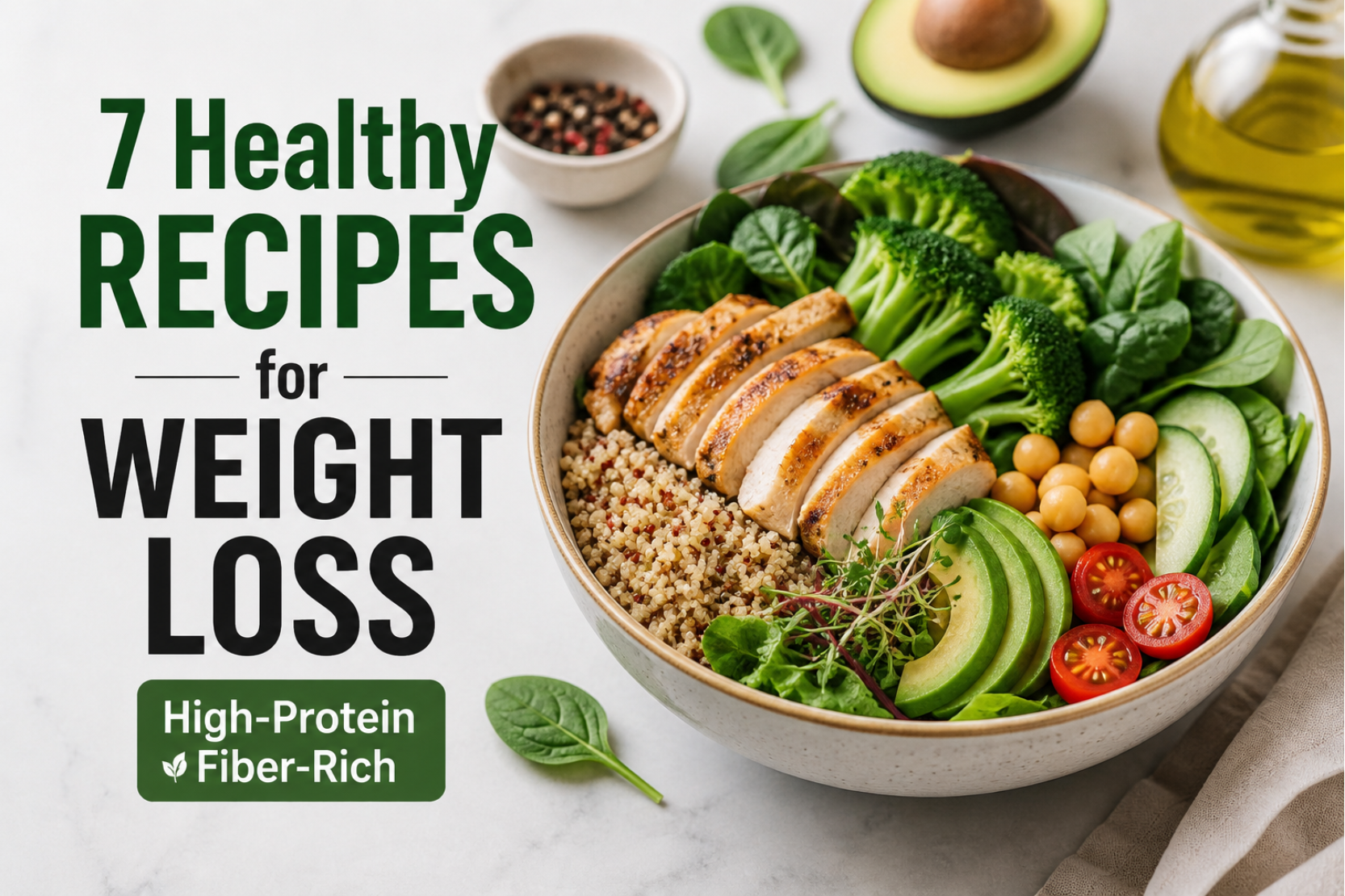
7 Healthy Recipes for Weight Loss

INTRODUCTION

Weight loss does not require starvation; it simply needs smart eating. Colourful meals that are rich in fibre, satisfying, and low in extra sugars or refined carbohydrates help the body move toward better metabolism, smoother digestion, and fewer cravings. Many people abandon diets because the food becomes boring and tasteless, so the secret is choosing recipes that are easy to prepare, full of micronutrients, gentle on the gut, supportive of portion control, and genuinely enjoyable every day. Such meals promote satiety, support insulin balance, and make weight control a natural process, turning the journey into something tasty instead of stressful.

TOP 7 HEALTHY RECIPES FOR WEIGHT LOSS

Following selections emphasize fibre, low glycemic load, controlled fats, plant proteins, and easy digestion:

Vegetable Quinoa Bowl

Ingredients: Cooked quinoa, steamed broccoli, carrots, bell peppers, chickpeas, lemon and pepper.
Clinical indication: Quinoa is a complete protein source; vegetables add bulk and micronutrients; lemon enhances palatability without calorie load.

Moong Dal Cheela

Ingredients: Soaked moong dal, ginger, green chili blended into a batter and pan-cooked.
Clinical indication: High plant protein improves satiety and muscle maintenance; low oil preparation reduces unnecessary calories.

Clear Vegetable Soup with Lemon and Coriander

Ingredients: Vegetable broth, coriander, lemon, ginger, garlic, pepper.
Clinical indication: Low-calorie, improves hydration, supports digestive lightness, suitable for evening intake.

Ragi Vegetable Upma

Ingredients: Ragi flour, mixed vegetables, mustard seeds, curry leaves.
Clinical indication: Millets provide slow-release carbohydrates, minerals, and lower glycemic index useful in weight and glycemic management.

Sprouted Moong Salad

Ingredients: Sprouted moong, chopped cucumber, tomato, coriander, black pepper and lime.
Clinical indication: High-enzyme activity improves digestibility; sprouts offer plant protein with negligible fat.

Millet–Pumpkin Soup

Ingredients: Foxtail or barnyard millet (small portion), pumpkin puree, pepper, rock salt.
Clinical indication: Millets regulate glucose and enhance satiety; pumpkin offers beta-carotene and smooth texture; pepper aids metabolic activation.

Steamed Vegetable Platter with Lemon-Pepper

Ingredients: Broccoli, beans, carrot, zucchini, lemon, pepper.
Clinical Indication: High-fiber vegetables amplify gastric volume with minimal calories; lemon substitutes for calorie-dense dressings; pepper promotes thermogenic response.

SUPPORTIVE DIETARY PRACTICES

Choose whole grains and millets over refined flours:

Whole grains retain their bran and germ, giving you fiber, vitamins, and minerals. This slows down sugar absorption, keeps your energy steady, and improves insulin sensitivity. Millets like ragi, foxtail, and barnyard rice are especially good because they are low on the glycemic index, keeping you fuller for longer and supporting fat metabolism.

Get natural sweetness from fruits instead of sugar:

Fruits provide sugar in a natural, fiber-bound form, which helps prevent sudden spikes in blood sugar. They also contain antioxidants and polyphenols that support metabolism and reduce inflammation. Replacing sugary snacks with fruits can help control appetite and support healthy body weight.

Stay well-hydrated:

Drinking enough water helps your metabolism work efficiently and prevents fluid retention. Sometimes, thirst can be mistaken for hunger, so staying hydrated can also prevent unnecessary snacking. Drinking a glass of water before meals may even help you eat slightly less.

Include protein in every meal:

Protein helps maintain muscle mass, boosts metabolism, and keeps you feeling full. Plant-based proteins like lentils, chickpeas, and soy are excellent choices—they also help manage cholesterol and blood sugar levels. Ensuring protein at breakfast, lunch, and dinner can reduce cravings and support weight loss.

Use digestive spices:

Spices like ginger, cinnamon, black pepper, and cumin are more than flavor boosters. Ginger can reduce bloating and improve digestion, cinnamon helps regulate blood sugar, black pepper supports metabolism, and cumin aids nutrient absorption. Including these spices can make meals more satisfying and easier to digest.

Practice portion control:

Eating the right amount at each meal prevents post-meal sluggishness and fat storage. Mindful portion sizes help your body use food efficiently, stabilize blood sugar, and reduce unnecessary snacking.

Add plenty of vegetables:

Vegetables add volume, fiber, and micronutrients to your meals without adding many calories. They also promote gut health and help you feel full, reducing the temptation to overeat.

Prefer slow-digesting carbohydrates:

Carbs that release energy slowly, like oats, barley, and certain millets, prevent sharp blood sugar spikes and keep energy levels stable. They help your body burn fat more efficiently and reduce cravings.

Limit processed foods and unhealthy fats:

Highly processed foods are calorie-dense and can trigger overeating. Trans fats and refined oils disrupt metabolism and promote fat storage. Focusing on whole, minimally processed foods supports weight management.

Time your meals wisely:

Eating larger meals earlier in the day can take advantage of your body’s natural rhythm. Early dinners and spacing meals properly improve metabolism and reduce fat accumulation overnight.

AYURVEDIC METABOLIC PERSPECTIVE ON WEIGHT MANAGEMENT

In Ayurveda, weight gain is often linked to weakened digestive fire (Agni), accumulation of toxins (Ama), and increased Kapha dosha. When digestion is sluggish, heavy and sticky foods are not fully metabolized, leading to fat deposition and reduced energy. Understanding these principles can help guide dietary and lifestyle choices for better metabolism.

Support Digestive Fire (Agni):

Eating warm, freshly prepared meals stimulates Agni (Digestive Fire), which improves digestion, nutrient absorption, and metabolism. Avoiding cold, leftover, or reheated foods reduces digestive strain and minimizes toxin formation.

Minimize Ama (endotoxins):

Ama (endotoxins) develops from poorly digested foods, especially oily, processed, or excessively sweet items. Avoid bakery products, fried foods, excess dairy, and curd at night, as they can increase sluggishness and weight gain.

Favor Light, Dry, and Warm Foods:

Ayurveda recommends foods with Laghu (light), Ruksha (dry), and Ushna (warm) qualities, particularly for Kapha-prone individuals. Such foods are easier to digest, increase metabolism, and reduce fat accumulation. Examples include lightly cooked vegetables, millet porridge, whole grains, and various recipes mentioned above.

Use Metabolism-Enhancing Spices:

Spices like dry ginger (Zingiber officinale), black pepper (Piper nigrum), and long pepper (Piper longum) stimulate digestion, improve lipid metabolism, and enhance Agni. Including these in daily cooking can help maintain efficient metabolism.

Balance Vata and Pitta in Cooking:

Cooking styles that are Vata and Pitta compatible, like steaming, light sauteing, or slow cooking with minimal oil, help prevent overeating and control cravings. Avoid heavy, oily, or extremely spicy preparations that can aggravate Kapha.

Practice Early and Light Dinners:

Eating dinner early and keeping it light allows the body to digest before sleep. This supports overnight metabolic correction, prevents toxin accumulation, and improves morning energy levels.

CONCLUSION

Sustainable weight management is achieved through mindful dietary choices, consistent meal planning, and supporting digestive efficiency. Incorporating high-fibre, nutrient-dense, and low-glycemic foods such as millets, legumes, vegetables, and fruits enhances satiety, stabilizes blood sugar, and improves metabolism. Ayurvedic principles emphasize maintaining Agni, minimizing Ama, and balancing Kapha through warm, light, and easily digestible meals, complemented by metabolism-supportive spices. Combining these strategies with portion control, adequate hydration, and regular meal timing creates a holistic approach to weight loss. Such an integrative plan promotes gradual, sustainable fat reduction while supporting overall health and digestive wellness.

IV Drip Therapy for Weight loss- Ayurveda help to Maintain Results

Abstract

Weight loss is often the talk of the town in every section of society. However, lack of proper guidance and consistency becomes a hindering factor among all. But you are at the right place as here are some top tips to shed those extra pounds. Obesity has reached epidemic proportions in the Western world and it’s not hard to see why. Our lifestyles are increasingly sedentary, we eat processed foods that are high in sugar and fat, and we don’t get enough exercise. Let’s have a look in detail!

Weight Loss

Introduction

All of this can lead to weight gain, which can in turn lead to a host of other health problems. But there is a way to lose weight that is both effective and sustainable – and it’s based on the ancient Indian system of medicine known as Ayurveda. In this blog post, we’ll take a look at IV drip therapy for weight loss and how Ayurveda can help you shed those extra pounds, and we’ll also provide some tips on how to make the most of this approach to weight loss. So if you’re looking for a natural and healthy way to lose weight, read on!

What is IV Drip Therapy for weight loss?

Drip therapy is a type of infusion therapy that administers fluids, nutrients, and medications directly into the bloodstream. The therapy is also known as “intravenous therapy” or “IV therapy.” Drip therapy can be used to manage a variety of conditions, including dehydration, malnutrition, and chronic illnesses. The therapy can also be used for preventive care, such as boosting immunity or providing vitamins and minerals that are not available in the diet.

In terms of weight management, IV therapy may be more effective than taking vitamins and keeping hydrated orally. Because an IV distributes everything directly into your bloodstream without being filtered by your digestive system, you get faster, more concentrated benefits that last longer. IV drip therapy for weight loss involves administering a specialized IV drip that contains vitamins and minerals, such as B vitamins and amino acids, which are known to boost metabolism and aid in weight loss.

The therapy may also include a fusion of other nutrient supplements, such as magnesium, chromium, Taurine and L-carnitine, which have been shown to promote fat burning. However, it is important to note that IV drip therapy should not be used as a stand-alone weight loss solution. It should be used as part of a comprehensive weight loss program that includes a healthy diet and regular exercise. Additionally, it is important to consult with a healthcare professional before undergoing IV drip therapy for weight loss. The therapy may not be appropriate for everyone, and potential risks and side effects should be discussed with a qualified healthcare provider.

What are the Advantages of an IV drip therapy for weight loss?

  • Reduces your appetite
  • It takes away your hunger pangs (which are often actually thirst pangs!)
  • Increases your metabolism
  • Improves the function of your digestive system
  • Increases your energy for workouts
  • Allows your muscles to work harder

How does intravenous therapy aid in weight loss?

IV drips for weight loss help you burn fat and reach your ideal weight. Here are a few ways it can benefit you:

Lowering your fatigue levels

If you’re trying to lose weight, you might not be eating enough calories to stay in a healthy range. This can result in a decrease in energy, making it difficult to choose healthy foods when you’re feeling low. By increasing vitamin levels, IV drips increase energy levels and enable your body to work harder.

Recovery from workouts

If you’ve been working out to reach your weight loss goals, you might have felt less energetic afterward. A vitamin deficiency can make your body’s recovery more difficult, requiring you to wait longer before your next workout. Fortunately, a vitamin IV drip can speed up your recovery and enable you to return to the gym more quickly.

Defeating adrenal imbalances

Did you know that stress causes hormone imbalances because your adrenal gland goes into overdrive? This is because your body is working hard to fight off stress, which can come from a variety of things like emotional imbalances, shift work, working too much, surgery, and so on. As a result, you end up with either too much or too little cortisol.

The science: both excess and inadequate cortisol can result in adrenal fatigue and alter blood sugar levels. You will feel tired as a result, and you will be tempted to eat foods high in calories. By providing your body with nutrients that it lacks and assisting it in rebalancing itself, intravenous vitamin therapy combats stress. Your digestion will accelerate, making weight reduction simpler.

Strengthening of the immune system

Losing weight takes a lot of effort. Your immune system may suffer as a result of your exhaustion and finally end up falling sick. A slimming intravenous therapy can support your immune system by supplying it with essential antioxidants and nutrients.

What to do in addition to IV therapy to lose weight?

IV vitamin therapy for weight loss works best when combined with a healthy diet and exercise. Vitamin therapy will complement all of your efforts towards your goal, allowing you to feel and look better. If you’ve been working out and eating well but nothing is changing, it’s time to think about a slimming IV drip. This can help you lose weight and get on the road to a healthier you.

Aside from these advantages, there are some drawbacks.

  • Painful procedure: People dislike feeling pain, especially when it is unnecessary. Furthermore, the process can take up to an hour and includes pumping. These factors contribute to the pain. You must persevere if you want the best results. Punctured skin can sometimes increase the risk of infection. As a result, this therapy has a significant shortcoming.
  • Cost is another reason why the procedure may not be an option for you. Before beginning treatment, blood tests will be required to determine how many nutrients and vitamins your body requires. You’ll also need tubes, needles, and consultation fees. When these requirements are compared to pills, it appears to be an expensive venture.
  • IV vitamins could be detrimental to your body as it bypasses your body’s natural digestive process, which has protections against nutrient absorption, as a result you will end up with too many nutrients.

How can Ayurveda help you regulate your body weight?

Concept of weight loss in Ayurveda

In Ayurvedic texts, obesity is referred to as Sthaulya or Medoroga. It is described as Santarpanottha Vikar meaning disease caused by over nourishment where there is an imbalance in digestive fire (Agni) and toxins (Ama), which disrupts the fat tissue metabolism. (Medo Dhatu). Ama also clogs body tissue channels, causing a vitiation of Vata Dosha. This Vata imbalance disrupts digestion and boosts appetite. Obesity results from this, combined with faulty fat metabolism. Excessive consumption of sweet, oily, and cold foods vitiates Kapha Dosha, resulting in fat deposition. Ayurvedic weight loss treatments correct these faulty metabolic factors in order to keep optimal body weight.

Ayurvedic way of weight loss depends upon the following factors:

  • Boosting Agni and metabolism: A well balanced Agni (digestive fire) profoundly supports healthy weight. Maintain this by regularly consuming fresh, well-seasoned, easy-to-digest food; Avoid unhealthy, processed, incompatible, and irregular eating habits. Include all six tastes in your diet by making breakfast the most important meal of the day and opting for antioxidant-rich foods like fruits, vegetables, whole grains, legumes, and nuts. Herbal teas should take the place of caffeine. You can cleanse the body on a regular basis or perform panchakarma, which stimulates cellular regeneration and detoxifies the body.
  • Sleep: Sleep deprivation can cause circadian rhythm disruptions, depression, and metabolic disorders like diabetes, obesity, and other conditions, and accelerates aging. Sleep aids include simple Ayurvedic principles and meditation.
  • Boosting Ojas: Ojas is the body’s vitality and strength, which contribute to our immunity and mental resilience to stress.
  • Establish a routine: The observation of circadian rhythms has been demonstrated to increase longevity in a variety of studies. For healthy weight management, Ayurveda places a high value on adhering to Dinacharya (daily rhythms) and Ritucharya (seasonal guidelines).
  • Meditation: Meditation improves cognitive function, increases neuroplasticity, and counteracts age-related neurodegeneration by reducing stress. It also bestows physical and mental calmness.
  • Panchakarma: In Ayurveda, panchakarma therapies include 5 detoxifying treatment procedures tailored to maintain health. It prevents illness recurrence and promotes proper lymphatic drainage and circulation.

Ayurvedic therapies for weight loss

1. Udwartana

This procedure involves the application of dry powder for massage that helps in shedding excess body fat.

2. Swedana

Swedana therapy helps in the release of toxins from the body using herbal steam therapy that indirectly aids in weight loss.

3. Virechana and vamana

Virechana and vamana involve expelling the accumulated toxins through lower orifice and upper orifice respectively. Both have fat metabolism correction action against metabolic syndrome caused by insulin resistance, as well as lowering body weight, BMI, serum triglycerides, and blood glucose levels. This reduces fatty acid levels in storage and adipose tissue, which can indirectly improve insulin sensitivity in insulin receptors found in skeletal muscles.

4. Lekhana Basti

The Sanskrit word lekhana means “scraping”. Lekhana basti scrapes off the excessive fat accumulated in the body and aids in weight loss.

Herbal remedies by Planet Ayurveda hat support weight loss

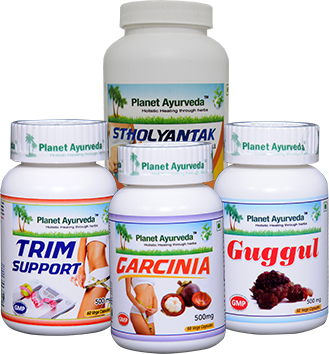
Planet Ayurveda is a GMP certified company that has specially formulated Thinner You pack to ensure a healthy and natural weight loss. Here are the details

  1. Trim support capsules
  2. Stholyantak Churna
  3. Garcinia capsules
  4. Guggul capsules

Thinner You PackThinner You Pack

PRODUCT DESCRIPTION

1. TRIM SUPPORT CAPSULES

Planet Ayurveda Trim Support Capsules contain a herbal blend of Garcinia cambogia, Myrobalans (Triphala), Cyperus rotundus (mustak), and Katuki (Picrorhiza kurroa). In terms of overall fitness and fat metabolism, all of these work extremely well. The superb mix of herbs which have unique dynamic alkaloids to consume fat cells and work on the body’s digestion. Garcinia, Cyperus rotundus, Emblica officinalis, Terminalia chebula, Terminalia bellerica, and Picrorhiza kurroa are among the herbs in it. These spices have wonderful properties to diminish stored fat tissue particularly around the stomach and abdomen. As the name suggests it trims the stubborn belly fat and hastens the process.

Dosage- 1 cap twice daily with plain water after meals.

2. STHOLYANTAK CHURNA

It is a unique blend of 14 potent herbs that can effectively treat stubborn obesity. The powder helps to balance the body’s Vata, Pitta, and Kapha dosha. Its primary function is to prevent fat accumulation in various body parts and to speed up metabolism. In cases of obesity, where weight loss is nearly impossible, it has been demonstrated to be effective. The three myrobalans in this formula are effective in removing toxins in the liver and intestines. It is regarded as the most popular rejuvenator and detoxifier in ayurveda. It regulates elimination of toxins from the body and thereby promotes weight loss. Mustaka is pungent and bitter in taste. It corrects metabolic fire and is effective in relieving the blockage in microchannels. Along with this Katuki is another herb used by Ayurveda experts for breaking stubborn fats and even dissolving lipid molecules. This herb enhances secretions from liver and gallbladder. It is beneficial in correcting fat metabolism. It reduces weight by eliminating bad cholesterol from the body.

Dosage- 1 tsp twice daily with plain water after meals.

3. GARCINIA CAPSULES

The herb garcinia cambogia is well-known for its therapeutic properties. Planet Ayurveda’s Garcinia cambogia capsules are made from the rind of Garcinia cambogia fruits. Garcinia capsules are currently the most widely used weight loss remedy. Its utilization is expanding in light of the fact that it is truly viable and it truly works. We use Garcinia cambogia fruit rind extract, which is 100 percent organic, and the highest-quality standardized extract, 500 mg. It is rich in HCA that helps the body burn fat cells more efficiently, aids in natural weight loss, and changes begin to appear within a month of using it. Garcinia is highly effective at reducing body weight, according to research. Garcinia rind is utilized in our preparations as it reduces abdominal and body fat due to its active ingredient, hydroxycitric acid (HCA).

Dosage- 1 cap twice daily with plain water after meals.

4. GUGGUL CAPSULES

Guggul capsules are enriched with natural extracts of guggul, a resin obtained from Commiphora mukul trees. Guggul, which has bioactive guggulsterones, is a good way to lose weight. It reduces stubborn fat around the waist, buttocks, thighs, and abdomen. Guggul lowers bad cholesterol and is high in antioxidants. Guggulu is a potent Ama pachaka dravya that digests the circulating toxins. And furthermore Guggulu having Lekhaneeya Guna reduces deposition of Medo dhatu and prevents inflammatory process by its anti- inflammatory property. Guggulu helps to balance Vata dosha, calms the mind, and strengthens the body. These capsules are completely natural and free of any negative effects. They also do not contain any additional chemicals.

Dosage- Take 1 capsule twice daily, 30 minutes after meals, with warm water.

Diet

The healthiest place on the earth is Okinawa, and their secret to a long life lies in their diet, which includes the following factors:

  • Low caloric intake
  • High consumption of vegetables (particularly root and green-yellow vegetables)
  • High consumption of legumes (mostly soybean)
  • Moderate consumption of fish products
  • Low consumption of meat products
  • Low consumption of dairy products
  • Low fat intake
  • Emphasis on low-GI carbohydrates
  • High fiber intake

The purple sweet potato, a vegetable with a low glycemic index and high levels of antioxidants as well as vitamins A, B, C, and E, is one of the Okinawans’ essential diet staples.

1. Fresh Vegetables

Vegetables make up more than a third of every meal

Six servings of vegetables and one serving of fruit are consumed daily by Okinawans.

Sweet potatoes, radish, onions, carrots, cabbage, and leafy greens are their most common vegetables. Peel is frequently served with vegetables.

2. Fish

Fish is a good source of Omega-3 essential fatty acids and should be eaten two to three times per week. Fish is often preferred over meat.

3. Soya

Okinawans frequently consume soy protein.

Phytoestrogens in soy have been shown to protect against hormonal cancer.

4. Whole Grains

There are six to seven whole grain servings per day. Because they are complex carbohydrates, they make you feel full and prevent hunger pangs throughout the day.

5. Green Tea

The Okinawans typically consume at least three cups of green tea per day, making it their preferred beverage.

Exercise

  • Surya Namaskar
  • Bhujangasana
  • Virabhadrasana
  • Trikonasana
  • Hastapadasana
  • Meditation
  • High-intensity interval training workouts

Home remedies and quick tips that support weight loss

  • Kickstart your mornings with a glass of lukewarm water with lemon and honey
  • Avoid processed and artificial foods
  • Include ginger, turmeric, pepper, cumin, fenugreek etc., in your diet
  • Never skip your meals especially breakfast
  • Always stay active and calm
  • Drink enough water according to your need
  • Cut down excess sugars, caffeine and carbonated drinks
  • Try to include more fiber and protein in your diet
  • Ditch those refined foods from your diet

Conclusion

In a nutshell, IV drip treatment is an option for providing your body with essential minerals and nutrients. However, there is no real science to back up this practice, and you should always seek your doctor’s advice before doing so. To enjoy it, you must be willing to endure some discomfort and cough up some rupees. When considering it, you should be aware of its advantages and disadvantages. Ayurveda provides a holistic approach to weight loss that can be tailored to individual needs. By identifying your Dosha, eating a balanced diet, managing stress, detoxifying the body, and using herbs and spices, you can achieve sustainable weight loss and improve your overall health and wellbeing.