Carca (Carvedilol): Managing Cardiovascular Health and Exploring Ayurvedic Herbal Alternatives
Modern cardiology faces a complex challenge when managing chronic hypertension, congestive heart failure (CHF), and ventricular dysfunction following a myocardial infarction (heart attack). The human circulatory system is an intricate, highly sensitive network driven by neurological, hormonal, and physical forces. When these systems are subjected to chronic stress, metabolic imbalances, or genetic pressures, blood vessels constrict and the heart muscle is forced to pump against high resistance. Over time, this overexertion leads to structural damage, tissue fatigue, and progressive cardiac failure.
To shield the heart from this destructive workload, modern medicine relies heavily on targeted pharmaceutical compounds. Among the most widely trusted and clinically proven interventions is Carca, a prescription medication containing the active pharmaceutical ingredient Carvedilol.
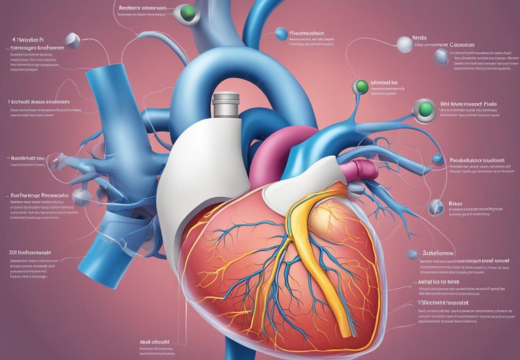
Understanding Carvedilol: A Third-Generation Beta-Blocker
Carvedilol stands apart from older, traditional beta-blockers due to its classification as a third-generation, non-selective beta-blocker with alpha-1 adrenergic blocking capabilities. While first- and second-generation agents interact with a limited set of receptors, Carvedilol exerts a multi-action mechanism that addresses both the heart muscle and the peripheral blood vessels simultaneously.
The Dual-Action Mechanism
The therapeutic efficacy of Carvedilol stems from its ability to interact with different branches of the sympathetic nervous system’s fight-or-flight receptors:
- Beta-1 and Beta-2 Blockade: Carvedilol binds tightly to beta-1 receptors in the heart muscle and beta-2 receptors in surrounding tissues. By blocking stress hormones like adrenaline and noradrenaline, it prevents the heart from beating at an excessively rapid pace or contracting with damaging force. This lowers myocardial oxygen demand, giving a stressed or failing heart muscle a vital chance to rest and recover.
- Alpha-1 Blockade: Uniquely, Carvedilol also blocks alpha-1 receptors located on the smooth muscles of blood vessel walls. In times of stress, alpha-1 activation causes intense blood vessel narrowing (vasoconstriction). By blocking this pathway, Carvedilol promotes vasodilation- the widening and relaxation of the arteries.
This dual approach solves a major limitation of older beta-blockers, which often causes peripheral blood vessels to clamp down, leaving patients with cold hands and feet. Carvedilol effectively lowers blood pressure while simultaneously reducing the physical resistance against which the heart must pump, optimizing systemic blood flow.
Secondary Antioxidant Benefits
Beyond basic receptor blockade, Carvedilol acts as a powerful free radical scavenger. It suppresses oxidative stress within the vascular lining (the endothelium). This protective effect prevents lipid peroxidation and inhibits the harmful structural remodeling- such as the thickening and scarring of heart tissue—that typically follows a major cardiac event.
Primary Indications: When is Carca Prescribed?
Carca is a foundational tool in long-term cardiovascular management, specifically prescribed for:
- Essential Hypertension: It can be used alone or in tandem with other blood-pressure medications. Its vasodilatory properties lower systemic blood pressure smoothly without triggering a rapid, reactive spike in heart rate.
- Chronic Heart Failure (CHF): Carca is prescribed alongside standard treatments like ACE inhibitors and diuretics to manage mild-to-severe heart failure. It prevents the body’s chronic stress response from gradually stretching and weakening the heart muscle over time.
- Left Ventricular Dysfunction Post-Heart Attack: In patients who have survived a heart attack but suffered damage to the heart’s primary pumping chamber, Carvedilol improves survival rates and preserves remaining muscular function.
Safety, Side Effects, and Precautions
Because of its deep impact on the autonomic nervous system, Carca requires precise dosing and careful clinical supervision.
Common Adverse Reactions
During the initial phase of treatment or following a dose increase, some patients may experience:
- Dizziness and Lightheadedness: Due to the rapid relaxation of blood vessels, blood pressure can drop slightly when transitioning from a sitting to a standing position (orthostatic hypotension).
- Fatigue and Slow Heart Rate: A slower resting heart rate (bradycardia) and general lethargy are direct extensions of the drug’s calming effect on the cardiac muscle.
- Mild Fluid Accumulation: A small percentage of heart failure patients may experience temporary fluid retention or minor weight gain, requiring a temporary adjustment of concurrent diuretic therapies.
Critical Contraindications
Carca must be avoided in specific clinical scenarios, particularly those involving the respiratory tract or cardiac conduction pathways:
- Asthma and Chronic Obstructive Pulmonary Disease (COPD): Because Carvedilol is non-selective, its blockade of beta-2 receptors can cause the smooth muscles lining the airways to constrict, potentially triggering severe, life-threatening asthma attacks.
- Severe Bradycardia or Heart Block: Patients with a history of an abnormally slow heart rate or advanced conduction defects (like second- or third-degree AV block without a functional pacemaker) should not take Carca, as it can dangerously slow down the heart’s electrical signaling.
The Best Ayurvedic Herbal Substitute: Arjuna (Terminalia arjuna)
For thousands of years, Ayurveda- the traditional Indian system of medicine- has utilized specialized botanicals to preserve and restore cardiovascular vitality. Within this holistic framework, the absolute premier herb for heart health is Arjuna, derived from the thick, red bark of the Terminalia arjuna tree.
Classified in Ayurvedic texts as a Hridaya (an exceptional cardiotonic) and a Rakta Stambhana (a blood purifier and vascular balancer), Arjuna has transitioned from ancient remedy to a deeply researched botanical validated by modern clinical trials.
The Pharmacology of Arjuna: An Ayurvedic View of Cardiac Care
Ayurveda views cardiovascular issues as an imbalance in the three elemental bio-energies: Vata (the nervous and circulatory flow), Pitta (metabolic fire and inflammation), and Kapha (structural stability and fluid balance).
Arjuna is naturally endowed with a Kashaya (astringent) taste, a Sheeta (cooling) potency, and a Katu (pungent) post-digestive effect. This unique combination allows it to pacify aggravated Pitta and Kapha, clearing out metabolic debris (Ama) from the circulatory channels (Srotas) while strengthening the physical structure of the heart.
When examined through a modern pharmacological lens, Arjuna’s therapeutic mechanisms draw striking parallels to the multi-action profile of Carvedilol.
- Rich in Cardioprotective Glycosides and Flavonoids: Arjuna bark is packed with bioactive molecules, including arjunolic acid, triterpenoid saponins, flavonoids, and concentrated oligomeric proanthocyanidins (OPCs). These natural compounds act directly on the heart muscle cells (myocytes), strengthening the force of each contraction while giving the heart more time to rest between beats. This mirrors the workload-reduction strategy of Carvedilol.
- Endothelial Protection and Natural Vasodilation: Similar to Carvedilol’s alpha-1 blocking action that relaxes tense blood vessels, Arjuna stimulates the endothelium to release higher amounts of Nitric Oxide (NO). This naturally relaxes the smooth muscles of the arterial walls, resulting in a gentle, sustained reduction in peripheral vascular resistance and lower blood pressure. Furthermore, its rich antioxidant profile prevents the oxidation of LDL cholesterol, helping to keep arteries flexible and free from plaque accumulation (atherosclerosis).
- Balancing Coenzyme Q10 Levels: Clinical studies indicate that Arjuna bark extract helps preserve and boost cellular levels of Coenzyme Q10 (CoQ10) within heart tissue. CoQ10 is an essential enzyme for cellular energy production. By maintaining these energy reserves, Arjuna ensures that a fatigued heart muscle can generate energy efficiently without suffering from oxygen deprivation or oxidative stress.
Clinical Evidence Supporting Arjuna
Arjuna is one of the most rigorously researched herbs in modern ethnopharmacology, proving its value across numerous human clinical trials.
Comparing the Profiles: Synthetic vs. Botanical
While Arjuna offers profound cardiovascular benefits, it is important to understand how its clinical profile differs from a concentrated pharmaceutical agent like Carca.
Carca relies on a synthetic alpha-1, beta-1, and beta-2 adrenergic receptor blockade. It is highly potent and rapid, altering blood pressure and heart rate within hours. This makes it a critical, acute medical intervention for severe hypertension, post-infarction care, and advanced CHF. However, this potency requires strict caution; it is contraindicated for asthma and severe COPD due to the risk of airway tightening.
Arjuna, on the other hand, works via nitric oxide enhancement, triterpenoid-driven myocyte support, and high antioxidant action. Its effects are gentle and cumulative, requiring 4 to 8 weeks of consistent daily use to show meaningful results. While it is best suited for long-term preventative care, mild-to-moderate hypertension, and cardiac tissue conditioning, it has a distinct safety advantage for the lungs, carrying no risk of causing bronchospasms.
Proper Administration of Ayurvedic Arjuna
In traditional Ayurvedic practice, the method of preparation is considered just as important as the herb itself to ensure proper absorption and maximum therapeutic benefit.
1. Arjuna Ksheerapaka (The Milk Decoction)
The most revered and effective way to consume Arjuna for heart health is through a traditional milk decoction known as Ksheerapaka. Milk acts as an ideal medium (Anupana) that carries the fat-soluble active compounds of the bark directly into the body’s tissues while buffering the stomach.
To prepare this, mix 1 teaspoon (approx. 3-5 grams) of pure, organic Arjuna bark powder with 1 cup of organic milk and 1 cup of water. Simmer the mixture gently on low heat until the water completely evaporates, leaving behind exactly 1 cup of concentrated milk. Strain and drink warm, preferably in the morning on an empty stomach.
2. Standardized Extract Capsules and Tablets
For modern convenience, Arjuna is widely available as a standardized extract capsule. A typical wellness dosage ranges from 250mg to 500mg, taken once or twice daily with warm water after meals.
Important Medical Warning Regarding Substitution
If you are currently taking Carca (Carvedilol) or any other prescription beta-blocker for a serious heart condition, you must never suddenly stop taking your medication to switch to Arjuna.
Abruptly halting a beta-blocker can trigger a highly dangerous medical emergency known as beta-blocker withdrawal syndrome. Because your heart tissue adapts to the medication by creating additional beta-receptors, a sudden stop leaves the heart completely exposed to massive surges of adrenaline. This can cause a severe, life-threatening spike in blood pressure, dangerous heart rhythms (arrhythmias), or a heart attack.
Any integration of Ayurvedic therapies or adjustments to your current pharmaceutical prescription must be managed under the close supervision of your cardiologist and a qualified Ayurvedic physician.
Summary for Comprehensive Cardiovascular Care
Achieving lasting cardiovascular resilience requires a balanced approach that respects both modern medical interventions and time-tested natural wisdom.
Carca (Carvedilol) provides essential, high-potency protection for individuals managing advanced cardiovascular stress, high blood pressure, and heart failure. For those seeking a natural, preventative approach to strengthen the heart muscle and maintain healthy circulation, Arjuna stands out as Ayurveda’s ultimate cardiotonic.
By pairing targeted therapies with a nutrient-dense diet, regular physical activity, and professional medical guidance, you can keep your cardiovascular system strong, balanced, and vibrant.