Category: Skin Health

Psoriasis and Its Ayurvedic Treatment with Herbal Remedies

Abstract

Skin serves to maintain and protect our body from the external environment. It regulates body temperature, reduces the harmful impact of UV rays, and acts as a sensory organ. Skin holds everything together. Without skin people’s muscles, bones, and organs would be hanging out all over the place. Now you would have known how important the skin is and more important keeping skin healthy. Beautiful and healthy skin boosts your confidence. But what if it gets trapped in diseases? Psoriasis is one such pruritic (irritating) disease. According to WHO reports the prevalence of the disease has increased often and can occur at any age, even in children. Psoriasis not only affects the person physically but also mentally and emotionally. Through this article, you will get to know the causes, symptoms, Ayurvedic aspects of Psoriasis, and how it is treatable with Ayurvedic medicines.

Psoriasis, Treatment of Psoriasis in Ayurveda, Causes of Psoriasis, Symptoms of Psoriasis

Introduction

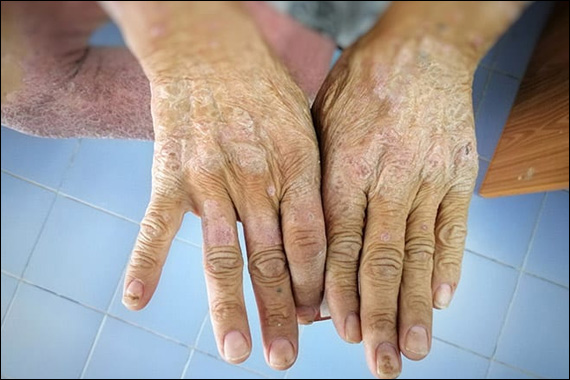
Psoriasis is an immune-mediated inflammatory skin disease that leads to the rapid build-up of skin cells causing scaling. Typically over 24 hours, our body shed almost a million skin cells, which are replaced after about a month. Psoriasis occurs when skin cells are replaced more quickly than usual, within 3 to 4 days. It is caused by a problem in the immune system. The scales appear most commonly on knee joints, elbows, scalp, and trunk. However, scales may develop anywhere on the body including hands, feet, neck, scalp, face, and less commonly on nails, mouth, and around genitals. Typical psoriatic scales are thick, red patches covered with silvery-white plaques and tend to have a symmetric distribution. But they can differ according to severity and type of Psoriasis. These patches can crack and bleed on scratching and hence can be very painful. According to IPC (International Psoriasis Council), there are 5 types of Psoriasis-

  1. Chronic Psoriasis Plaque
  2. Psoriasis Guttate
  3. Psoriasis Pustular
  4. Psoriasis Erythrodermic
  5. Psoriasis Nail

Health conditions vary from normal to worse regarding the type of psoriasis the patient is suffering from. Autoimmune response leads to inflammation of the skin which can also have an immense impact on other organs of the body. Thus, it needs to be controlled as early as possible.

The Ayurvedic Aspect Of Psoriasis

As per the ayurvedic concept, psoriasis is known as ‘kitibha’ which are harsh skin patches, scabrous to touch (covered with something rough). Kitibha is classified under ‘kshudra kushtha’. It occurs due to unbalanced tridosha predominantly the Vata dosha and Kapha doshas. Furthermore, the acharyas have explained ‘mandal kushtha’ as a cluster of elevated skin patches which are adjacent to each other (connected according to the progress of the disease). They are red-colored patches with dry skin plaques same as psoriasis plaques. Mandal kushtha is classified under ‘maha kushtha’. Psoriasis can simply be termed as kushtha according to Ayurveda. Psoriasis in Ayurveda is managed by pacifying tridosha with herbal medicines described in detail further in the article.

Symptoms

The symptoms of the disease are the same in modern pathy as written in Ayurveda texts. The affected area can be small (in the beginning) or cover the majority of the body area (in severe cases). Following listed are the most found symptoms in psoriasis patients-

  1. Thick areas of discolored skin (can be adjacent to each other)
  2. Skin patches covered with white-silvery scales
  3. Skin harsh to touch
  4. Itchy skin
  5. Burning skin/skin pain
  6. Pitted, cracked nails
  7. Painful and swollen joints
  8. Dry skin may crack and bleed (on scratching)

Not every person will experience all these symptoms. The symptoms vary according to the severity of the disease which is assessed by the degree of scaling, redness, thickness, and size of skin lesions.

Causes

  • Immune System – Psoriasis is an autoimmune condition as a result of which the body attacks itself. In Psoriasis T-cells attack the body’s skin cells. An overactive immune response causes skin cells to produce new skin cells that develop too quickly. The attack on the skin cells also causes redness and swelling of the skin.
  • Genetics – National psoriasis foundation considers genetics to be a causative factor for psoriasis.

In addition to the above causes, some more causative factors in Ayurveda are mentioned as-

  1. Virudh Aahar [eg- (drinking milk with fish/salt/yogurt), (eating cold with hot simultaneously)
  2. Overeating, even on indigestion
  3. Suppress natural urges (eg-control urge to urine)
  4. Workout after heavy meals
  5. Daytime sleep

These unhealthy food habits and inadequate lifestyle practices only if done on a regular basis will tend to elevate doshas and cause ‘kushtha’ disease which is simply psoriasis.

Diagnosis

The doctor can make a diagnosis directly through Physical examination. No lab test is required but sometimes a doctor can suggest a Skin Biopsy to determine the type of psoriasis and to rule out any skin infection along with it.

In Ayurveda, three main diagnostic factors together make diagnosis better, including- Darshan= by observing the patches and patient, Sparshan= by touching the affected areas, and Prashan= by asking and ruling out Prakriti of the person and taking personal and family history. The better the diagnosis (type, prakriti, and degree of psoriasis), the better will be the treatment.

Complications

The person with Psoriasis may also experience several other health conditions explained in modern and Ayurveda, including- diabetes mellitus (madhumeh), inflammatory bowel disease (dah, atisar), heart disease (hridya rog), psoriatic arthritis (angbhed in 20% patients), anxiety and depression (manh and sharir dorbalya).

Treatment

In modern pathy treatment, there are few medications (steroids) that help to reduce symptoms of psoriasis. Topical corticosteroids, oral steroids, and light therapy are the line of treatment. Talking about their side effects, modern pathy itself claims that long-term steroid use can thin skin and over time they stop working. Light therapy can cause skin burns and make skin more itchy and inflamed. Most of these medications are unsafe during pregnancy. Moreover, few studies conclude that long-term use of steroids as well as light therapy can cause skin cancer. Unfortunately, people still depend on these medications and are unaware of the efficacy of ayurvedic medicines. Ayurveda provides natural treatment to these patients without any side effects.

Ayurvedic chikitsa (treatment)

When patients reach out to our doctors, they treat the patient by working on various protocols including lifestyle changes, special diet plans, and taking herbal medicines altogether.

  • Nidan parivarjan – The very obvious treatment protocol says, by avoiding causative factors mentioned earlier in the article can help the body to recover better. These include both eating habits and lifestyle habits.
  • Pathya-apathya – Any ayurvedic treatment process is incomplete without this step. Your ayurvedic doctor will instruct you on what to eat according to the disease condition and herbal medications you are taking.

Herbal Medications For Psoriasis by Planet Ayurveda

Ayurveda medicines are very beneficial in the treatment of psoriasis. Planet Ayurveda is a leading manufacturing company of various herbal medications with the best overall result for 20 years. Their products are 100% pure and vegetarian and are made from standardized extracts of various potential medicinal plants by expert ayurvedic physicians. This company is internationally certified and people worldwide are using its products and medicines. They strictly follow government guidelines for making their products the best. Planet Ayurveda provides a ‘Psora Care Pack’ to treat psoriasis. It is the best remedy to ease the symptoms of psoriasis with no side effects. Here are the further details about the working and efficacy of the product-

Products List

  1. Navkarshik Churna
  2. Gleaming Skin, Hair, Nails Formula
  3. Neem Capsules
  4. Manjishtha Capsules
  5. Pitta Balance
  6. Gandhak Rasayan
  7. Recumin Gel
  8. Jatyadi Tailam

Products Description

1. Navkarshik Churna

It is a herbal ayurvedic formulation in powder form. It is a combination of natural herbs such as – Amla (Emblica officinalis), Haritki (Terminalia chebula), Bibhitki (Terminalia bellerica), Vacha (Acorus calamus), Neem (Azadirachta indica), etc. It helps in cleaning the blood that keeps the skin healthy and eases symptoms of the disease.

Dosage: 1 tablespoon full twice a day with lukewarm water after meals.

2. Gleaming Skin, Hair, Nails Formula

This wonderful acting ayurvedic formulation contains Manjistha (Rubia cordifolia), Pit papad (Fumaria officinalis), Chirayata (Swertia chirata), Ghritkumari (Aloe barbadensis). This formulation capsule very effectively balances tridosha. Also supports the healthy pH of the skin which maintains skin health and treats skin disorders like psoriasis.

Dosage: 2 capsules twice a day after meals, with lukewarm water.

3. Neem Capsules

These capsules are made up of natural extracts of a single herb, Neem (Azadirachta indica). This herb is used in several skin conditions due to its anti-bacterial, and anti-fungal properties. It cleans the blood and skin which reduces the chances of skin infections which are high in case of deep and cracking psoriasis plaques.

Dosage: 1 capsule twice a day after meals, with lukewarm water.

4. Manjishtha Capsules

It is an ayurvedic formulation that contains a standardized extract of Manjistha (Rubia cordifolia). It controls over activation of the immune system which eases rapid skin production. Therefore, it is beneficial in managing psoriasis.

Dosage: 2 capsules twice daily after meals, with lukewarm water.

5. Pitta Balance

It is a polyherbal formulation prepared from JaharMohara (natural calcium compound), Kharava pishti (natural calcium compound), Akik, Mukta, Giloy satv (Tinospora cordifolia). This formulation helps to balance pitta dosha which ultimately balances tridosha. It regulates Agni and treats burning sensation in the skin and is advantageous in kushth rog.

Dosage: 1 capsule twice daily after meals, with lukewarm water.

6. Gandhak Rasayan

Shudh gandhak (purified sulfur) is used to prepare gandhak rasayan. Gandhak being a rasayan has rejuvenating properties which promote health and nourishes the body from the inside out. Its anti-inflammatory properties help to reduce swelling and pain in affected areas of the skin and its antibacterial properties reduce the chances of skin infections.

Dosage: 2 tablets twice a day after meals, with lukewarm water.

7. Recumin Gel

This patent herbal formulation manufactured by planet Ayurveda consists of herbs such as Haldi (Curcuma longa), Jasmine (Jasminum officinale), Neem (Azadirachta indica), etc. Its active ingredients maintain skin health when applied to bare skin and also subside the symptoms of various skin diseases. This is very effective in managing dry skin plaques in psoriasis patients.

Directions: Apply externally on affected skin areas twice daily after cleaning the area.

8. Jatyadi Tailam

This is a polyherbal ayurvedic formulation and contains various beneficial ayurvedic herbs such as Chameli (Jasmine officinale), Neem (Azadirachta indica), etc. Jatyadi tailam pacifies Vata dosha’s aggravation. Application of tailam on the affected area will improve the skin condition and ease symptoms of itching, swelling, pain, and irritation.

Directions: Apply externally on the patches/affected skin areas once or twice daily after cleaning the area.

Conclusion

Psoriasis is a long-term condition that hinders the quality of life. It requires side-effect-free effective management for better health status. These requirements can be fulfilled with the use of an ayurvedic ‘Psora Care Pack’. These herbs are efficient in maintaining psoriasis. Furthermore, these herbs also enhance skin luster and overall robustness. Our talented Ayurvedic doctors are constantly working on the management of such diseases and have been successful to a large extent. The efforts provide relief to the patients without any side effects. For a better ayurvedic experience or any queries contact us at www.PlanetAyurveda.com

Stay Healthy!! Stay Alive!!

What is Apitherapy? Its Benefits and how it is Part of Ayurveda

Abstract

Apitherapy is a branch of alternative medicine. This therapy is practised in some parts of the world and gives benefits to the healthy individuals and patients. This therapy uses products which directly come from honey bees. The chemical composition of bee products depends on the plants around the hive. This therapy used to treat illness and acute or chronic injuries. Here in this article we will discuss apitherapy in detail and how it is a part of ayurveda.

Apitherapy

Introduction

It is a type of alternative therapy that uses products which directly come from honeybees. This therapy is very useful in the management of illness as well as acute and chronic injuries. It is useful in the management of shingles (it is a viral infection and causes a painful rash), infection, arthritis, and multiple sclerosis (disease of brain and spinal cord). The injuries which are manageable by this therapy are tendonitis, burns, pain and wounds. This therapy has been used for many years. In many countries this therapy is used as complementary medicine. The products which include in this therapy are bee venom, honey, pollen, royal jelly, propolis, and beeswax. During this treatment honey bee products can apply to the externally, taken orally or directly injected into the blood. Here in this article we will discuss apitherapy in detail, its benefits and how it is a part of ayurveda.

Benefits of Apitherapy

1. In Arthritis Pain

Bee venom therapy is very useful in relieving the pain from rheumatoid arthritis. Because it has antiinflammatory and analgesics effects. Thus this can lead to decrease in stiffness, pain and swelling in rheumatoid arthritis patients.

2. Healing Wounds

Honey plays a very important role in the healing of wounds. It has antibacterial, anti-inflammatory and analgesic properties. It also helps in lowering the risk of infection.

3. Allergy

Apitherapy helps in the treatment of allergy and it is also helpful in the cure of sore throat because it is a natural cough suppressant. It also shows good results in the management of asthma.

4. Immune and Neurologic Conditions

Nowadays bee venom therapy is used in immune and neurologic conditions such as parkinson’s disease, multiple sclerosis and lupus etc. it boosts our immune system.

5. Thyroid

It helps to regulate thyroid function in patients who are suffering from hyperthyroidism.

6. Gingivitis and Plaque

It can also reduce gingivitis and plaque. It is highly useful in oral diseases.

7. Multivitamin

It provides multivitamins to the body. Royal jelly and propolis have multivitamins and a large number of nutrients. One can use it in the form of multivitamins.

8. Antiviral and Antibacterial Properties

The components peasant in the bee venom has antiviral and antibacterial properties.

9. Skin Health

Applying honey on the face reduces the acne and wrinkles on the skin. Honey has antibacterial and anti-inflammatory properties also.

Risks

This therapy may be risky to some patients who are allergic to bee products. Some patients show side effects after the use of this therapy. They show various symptoms such as:

  • Weakness
  • Pain in the body
  • Jaundice
  • Cough
  • headache

Apitherapy is a Part of Ayurveda

As we all know, ayurveda is a medical science which cures illness as well as promotes the health of healthy individuals. This system of medicine originated in India 3000 years ago. Ayurveda treats the patients from the roots of the disease in a natural way. Ayurveda focuses on lifestyle management as well as guides the human race to follow the seasonal and daily regimen as described in the texts in order to stay healthy. Just like Ayurveda apitherapy is an alternative medicine which treats the patients in a natural way. According to ayurveda honey can be used in healing and cleaning the wounds. The products (honey bees) used in these therapies are natural. This therapy also cures illness of humans and promotes the health of healthy individuals. In ayurveda honey can be used both external as well as internal application. It is used in the treatment of healing wounds, asthma, thirst and cough. Various products of this therapy helpful in various diseases such as bee venom are helpful in the management of Alzheimer and parkinson disease. Honey has antiviral and antifungal properties. It is also helpful in the management of cancer. Royal jelly shows wonderful results in kidney diseases.

Product list

The products which include in this therapy are:-

  • Bee venom
  • Honey
  • Pollen
  • Royal jelly
  • Propolis
  • beeswax

Product Description

1. Bee Venom

Bee venom is produced by female worker bees. It is a mixture of amino acids, water, proteins and volatile compounds. It is very useful in the management of Alzheimer’s and Parkinson disease.

2. Honey

Honey is the most well-known bee product. It is produced by bees. People use it in raw form. It contains sugars (glucose, sucrose, fructose, maltose etc.), water, vitamins (vitaminB and Vitamin C), minerals (sodium, potassium, calcium, magnesium, copper and zinc etc.), amino acids, protein and enzymes (catalase, glucose oxidase, amylase and invertase). The quantity of proteins and amino acids is very low. It is very useful in antifungal and antiviral diseases. It is also very useful in the management of cancer such as breast cancer, liver cancer, and prostate cancer.

3. Pollen

It is the part of the male reproductive system of the flower. This part is very rich in vitamins and minerals. It is very useful in the management of cancer such breast cancer, liver cancer, and prostate cancer.

4. Royal Jelly

Royal jelly is produced by queen bees. It is very rich in vitamins, proteins, and antioxidants. It is highly useful in the treatment of asthma, kidney diseases, and skin disorders.

 5. Propolis

It is a combination of honey, tree resins and beeswax. It is made by bees from different parts of the plants. It contains vitamins, minerals, fatty acids, alcohol and amino acids etc. It has antibacterial, antiinflammatory, antifungal, and antiviral properties. It is also very effective in child oral diseases.

6. Beeswax

Beeswax contains both honey and pollen. It is mainly used in cosmetic products and also helpful in the control of high cholesterol.

Contact Planet Ayurveda Support Team to provide you the costing/ordering and delivery information at – costing.planetayurveda@gmail.com or Call at 0172-521-4040 (India), +91-172-521-4040 (Outside India) or Whatsapp at (+91) 842-749-4030.

Conclusion

Traditional knowledge regarding apitherapy is extremely valuable. The chemical composition of bee products depends on the plants around the hive. The products of this therapy play a very important role in the management of different acute or chronic diseases. Apitherapy is a part of ayurveda because both have the same goal to treat illness of the patient and promote the health of a healthy individual.