Category: Liver Health

Most Important Facts About Ursodiol

Abstract

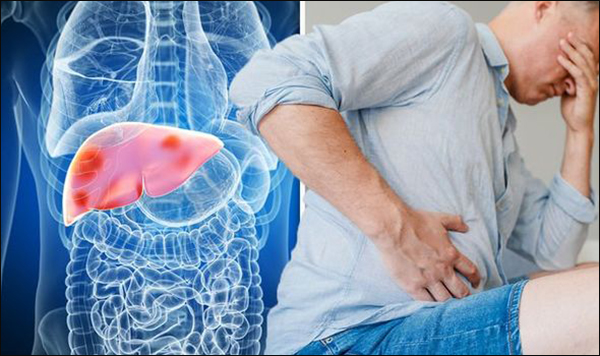
Liver is body’s second largest organ, it just sit under rib cage on the right side and size of liver is just same as size of football. Liver is essential for digesting food and removing the toxins out of the body. This disease is a genetic condition caused by many factors such as alcohol and obesity. With time it damages the liver which turns into scar (cirrhosis) and leads to liver failure. Yellowing of the skin is one of the signs of jaundice. As the liver turns food into energy and filters out the poison. Ursodiol is a class of medications known as gallstone dissolution as it slows down the production of cholesterol and dissolves the bile to prevent bile stones and decreases the toxic level and reduces the chance of liver transplantation. In this topic we are going to study in detail about its side effects, causes and mechanism further in this topic.

INTRODUCTION

Ursodiol (Ursodeoxycholic acid)  is used to dissolve gallstones when a patient doesn’t want surgery, used to treat people with primary biliary cirrhosis. Primary biliary cirrhosis is autoimmune disorder. Is a secondary bile acid which is produced in humans and many other species by intestinal bacteria. Ursodiol reduces the cholesterol saturation of bile and dissolves the cholesterol-rich stones. It suppresses the immune response such as immune cells phagocytosis. It has an anti-inflammatory property and protective effect in epithelial cells linked with an immunomodulatory response by regulating cytokines, sometimes bile acids are known to be colon tumor protectors so hence is chemoprotective. It helps to reduce the preterms delivery (as it reduces itching in the mother). It is suggested in the treatment of bile reflux and gastritis. It is very effective in non alcoholic fatty liver but is contraindicated in obstruction of biliary tract such as biliary atresia. Ursodiol is associated with risk of mortality and morbidity in neonatal hepatitis and neonatal cholestasis. It is usually present in tablets and capsules.

Liver Disease

In other liver diseases

In Acute liver disease there is the loss of liver function which occurs rapidly and commonly caused by hepatitis, virus, certain drugs hence develops slowly. It is known as fulminant hepatic failure which causes excessive bleeding and increased pressure in the brain.

SYMPTOMS OF LIVER FAILURE

  1. Jaundice
  2. Nausea
  3. Vomiting
  4. Sleepiness
  5. Tremors
  6. Confusion
  7. Malaise
  8. Ascites
  9. Pain in the upper abdomen.

CAUSES

  1. Acetaminophen overdose- It is a common cause of acute liver failure.
  2. Hepatitis and other viruses- These viruses can cause acute liver failure.
  3. Autoimmune disease- Liver failure can cause autoimmune hepatitis which attacks the immune system which further attacks liver cells.
  4. Cancer- Cancer that begins in the liver and further spread causes the liver to fail.
  5. Metabolic cause- Wilson’s disease and acute fatty liver causes acute liver failure.
  6. Vascular disease – Such as budd- chiari syndrome causes blockage in the veins of the liver which leads to liver failure.
  7. Shock- Infection can cause impairing of blood vessels which causes liver failure.  

SIDE EFFECTS OF URSODIOL

  1. Stomach pain
  2. Nausea
  3. Tired feeling
  4. Hair loss
  5. Cough
  6. Fever
  7. Swelling in ankles and feet.
  8. Sign of infection
  9. Bleeding
  10. Signs of infection (sore throat, fever)
  11. Increased urination, thrist.   

MECHANISM OF ACTION OF URSODIOL

1. Choleretic Effect

Primary bile acids which are produced by the liver and are stored in the gallbladder, when this acid is secreted than bile acids can be metabolized by intestinal bacteria. These primary and secondary bile acids digest the fat and ursodiol regulate the cholesterol by reducing the rate of cholesterol absorption by breaking up the micelles containing cholesterol. These drugs reduce the cholesterol level in patients and are an alternative to surgery.

2. Immunomodulating effect

It reduces the immune response as phagocytosis, prolonged use of this drug has effect on whole systems throughout the body, so ursodeoxycholic acid can be toxic.

3. Anti-inflammatory effect

Ursodiol has some anti inflammatory and protective effects on gastrointestinal tract, so it is linked by immunoregulatory response of cytokines and takes active part in increased wound in colon. As bile acids are known to be tumor promoters so ursodiol has chemoprotective action.

ADVERSE EFFECTS

  1. In gastrointestinal disorder- Abdominal pain, nausea, diarrhea, abdominal discomfort, dyspepsia.
  2. General disorders- Malaise, pyrexia, peripheral edema.
  3. Hepatobiliary disorders- Jaundice
  4. In musculoskeletal and tissue disorders- Myalgia
  5. Abnormal laboratory test- ALT increased, liver function test abnormal, blood bilirubin increased.
  6. Immune system disorder- Facial edema, urticaria ( itchy welts on skin).
  7. Respiratory, mediastinal disorders- Cough
  8. Nervous system disorder- Headache, dizziness.

AYURVEDIC MANAGEMENT

In ayurveda liver disease is named as yakrit vikara. Yakrit means liver and vikara refers to disorder or any disease condition. Liver disease is a condition which causes inflammation of the hepatic cells and causes damage to the liver. Liver is responsible for fat metabolism, production of proteins for blood plasma, removing bacteria from blood stream, hence liver disease is broad where liver fails to perform its designated problems. According to Sushruta, the liver is formed from blood and considered as the main site of blood.

CAUSATIVE FACTORS

  1. Alcohol intake
  2. Injury
  3. Injury
  4. Intake of spicy and beverages
  5. Night awakening.

LIVER DISORDER CLASSIFICATION

They are classified into 2 main stages

1. Reduced liver functions-

  1. Constipation
  2. Debility
  3. Coated tongue
  4. Belching
  5. Excess thirst
  6. Turbidity of urine
  7. Anemia

2. Enlarged liver

  1. Pain in joints and bones
  2. Loss of interest
  3. Constipation
  4. Pricking sensation
  5. Burning sensation
  6. Discoloration of stool
  7. Yellow color of urine
  8. Bitterness in mouth
  9. Numbness in my right shoulder.

LINE OF TREATMENT

  1. Protein rich food is advised.
  2. Patients avoid doing heavy work.

In Ayurveda

  1. Deepana
  2. Pachana
  3. Laxatives

In panchakarma vamana and virechana are lines of treatment for liver disease. As they expel kapha and pitta dosha.

  • Pathya ahara- barley, green gram, wheat, bottle gourd, turnip, mushroom, sweet potatoes.
  • Apathya ahara – Canned frozen foods, spicy food, aerated drinks, alcohol, excess use of salt.
  • Apathya vihara– Excessive walking, excessive intake of food which contains pitta, excess anger, exposure to sun, fire.

HERBS USEFUL IN LIVER DISEASE

Neem – Neem (Azadirachta indica) has a bitter and astringent taste, cold veerya, and is easy to digest. As it has laghu guna so it is easy to digest, and helps in absorbing moisture from intestines and cleans up the wound. It relieves excessive thirst as it decreases pitta dosha, which is helpful in fever. Good herb for eye disorders and relieves infection. Neem is a natural detoxifier, it enhances the lipid and protein process in the liver. The bitter taste of neem is liver friendly food.

Guduchi- Guduchi (Tinospora cordifolia) is a famous ayurvedic herb used in the treatment of fever, jaundice and cardiac disorder. Ir balances tridosha, and has rejuvenating properties, improves strength, relieves the burning sensation and excessive thirst. Guduchi helps in the treatment of jaundice and many liver diseases. It improves eye disorders and helps in improving eye vision.

Amalaki- Amalaki (Emblica officinalis) has guru (heavy) and sheetal (cold) gunas, has 5 rasas and sour ras is the dominant balance of all the 3 doshas. In rasayana chikitsa is used widely as an intelligence promoter. Amla is very beneficial in skin disorder and burning sensation of the body. It promotes the lifespan of the patient. It has a beneficial effect on the liver and it lessens the hyperlipidemia and metabolic syndrome effect.

Bhringraj- Bhringraj (Eclipta alba) is very beneficial to the liver as it has various antioxidants which lower the toxic effect on the liver and improves the overall function. Widely used in hair fall treatment, skin diseases. Bhringraj has katu and tikta ras, and hot veerya. Balances vata and kapha doshas. Useful in indigestion and improves the eyesight, anaemia, and in liver diseases, in asthma and relieves pain and swelling. Bhringraj detoxifies the blood, improves fertility and life expectancy.

HERBAL REMEDIES BY PLANET AYURVEDA IN LIVER DISEASES

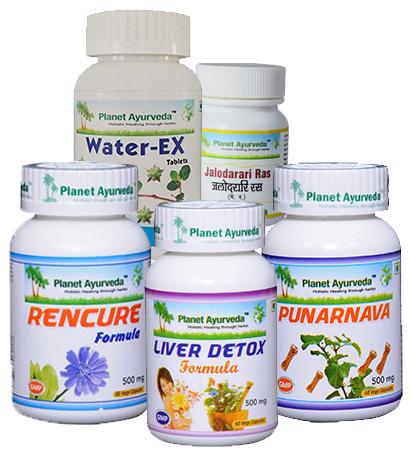
Ayurveda medicines help to treat the disease from it root and help in maintaining proper health, Planet Ayurveda is a natural brand which has been serving humanity and all the medication are prepared are under the strict surveillance of experts and medication formulated are pure and free from any animal product, resins, colors etc. Planet ayurveda provides best medication and reduces the risk of recurrence of disease and causes no side effects and the treatment is pure and planet based. Planet Ayurveda described LIVER CARE PACK for healthy liver which contains yakrit plihantak churna, liver detox capsule and many more which we will discuss as below.

PRODUCT LIST

  1. Yakrit Plihantak churna
  2. Phyllanthus niruri
  3. Echinacea capsule
  4. Liver detox capsule

PRODUCTS DESCRIPTION

Herbal Remedies for URSODIOL

Herbal Supplements for URSODIOL

1. YAKRITPLIHANTAK CHURNA

Is herbal mixture used to improve liver function which is formulated by planet ayurveda using ingredients like Giloy (Tinospora cordifolia) , Kasani (Cichorium intybus),  Bhringraj (Eclipta alba),  Bhumi amla (Phyllanthus niruri), and many more. It helps to eliminate the toxins from the liver. Giloy used in this mixture helps to act as immunomodulator and rectify the metabolism of liver. It is beneficial in hormonal imbalance and pitta disorders. It helps in regeneration of damaged liver cells.

Dosage– 1 teaspoon twice daily with plain water after meals.

2. Phyllanthus niruri

Bhumi amla (Phyllanthus niruri ) is capsule formulation prepared by planet Ayurveda used in the treatment of liver, and acts as blood purifier in hepatosplenomegaly condition. It is good for treating diarrhea and dysentery. In women these capsules are beneficial in menorrhagia and leucorrhea. Bhumi amla acts as a digestant, liver stimulant, and has the property of a good appetite stimulant. Beneficial in cough, asthma, jaundice and in enlargement of liver

Dosage- 2 capsules twice daily after meals with warm water.

3. Echinacea capsules

These capsules are formulated by planet ayurveda used in liver and kidney diseases. It is a natural blood cleanser which removes toxins like urea, uric acid, creatinine from blood and improves the function of liver and kidney. It builds the resistance against cold and infections and increases the number of white blood cells which is helpful in fighting cancer cells. These capsules are advised in cases of vaginal yeast infections, urinary tract infection and bronchitis.

Dosage- 2 capsules twice daily with warm water after meals.

4. Liver Detox Capsule-

These capsules are formulated by planet ayurveda using ingredients like Katuki (Picrorhiza kurroa), Punarnava (Boerhavia diffusa), Kalmegh (Andrographis paniculata), Haritaki (Terminalia chebula) and many more. These are beneficial in restoring and enhancing liver functions, This capsule acts as by converting and neutralizing the toxins which don’t harm liver cells. These capsules can be used on a regular basis for the proper functioning of the liver.

Dosage– 2 capsules twice daily after meals with warm water.    

CONCLUSION

In this article we studied in detail about the liver and its functioning. In ayurveda it is co-related by yakrit Vikara. Liver is responsible for fat metabolism, production of proteins for blood plasma, removing bacteria from blood stream, hence liver disease is broad where liver fails to perform its designated problems. Ursodiol is a class of medications known as gallstone dissolution as it slows down the production of cholesterol and dissolves the bile to prevent bile stones and decreases the toxic level and reduces the chance of liver transplantation. Later we discussed LIVER CARE PACK which is formulated by planet ayurveda which provided great relief to patients with no side effects.   

How to Treat Hyponatremia ( Low Blood Sodium) in Ayurveda

ABSTRACT

Hyponatremia is the medical condition when the level of serum sodium goes below 135 mEq/L. It is a medically important and common imbalance of electrolyte which can occur due to various situations or medical illnesses like renal failure, heart failure, pneumonia, liver failure etc. Hyponatremia can be mild to severe in form depending upon the level of sodium decreased in serum. In this write up we will learn all about Hyponatremia and its management through herbal remedies.

INTRODUCTION

There are various electrolytes present in the body and sodium is one of them. It is an essential one which helps to maintain the water balance around and inside the cells of the body. This water balance maintained by sodium is important for nerve functioning and proper muscle function along with maintaining normal blood pressure. The insufficiency of sodium in blood is termed as hyponatremia.

This imbalance is caused due to either too much water (diluting the sodium) or too less sodium creating an imbalance. The normal level of sodium in blood should be around 135-145 mEq/L. However when the sodium goes down to range below 135 mEq/L, the condition is hyponatremia.

When this level of sodium decreases in the cells, too much water starts to move inside the cells resulting in their swelling up. To be noted, this is not a minor change but a major one which can alter almost all the other functions of the body resulting in various signs and symptoms. Various diseases affecting the liver, kidneys, heart, or certain medicines can cause this condition. However the condition can usually be reversed with proper treatment and the patient gets back to being healthy.

Hyponatremia

SIGNS AND SYMPTOMS

Signs and symptoms in patients suffering from hyponatremia can differ depending upon the speed of depletion of sodium. If the sodium level in blood falls slowly and gradually then the patient is likely to not experience any of them, however if the depletion occurs at a faster rate then the complaints are severe. Some of the common signs and symptoms seen are

  • Fatigue
  • Lack of energy or lethargy
  • Weakness
  • Nausea and vomiting
  • Headache
  • Spasm or cramps in muscles
  • Changes in mental status
  • In severe cases the patient can have seizures, loss of consciousness and coma

CAUSES

Low sodium or hyponatremia, i.e. low sodium level in blood can occur due to various reasons. The basic cause behind it can be losing a lot much water and electrolytes. Some of the major causes for hyponatremia are:

  • Severe diarrhea or vomiting
  • Intake of diuretics
  • Intake of antidepressants or other certain medications
  • Kidney failure or other kidney disease
  • Liver disease
  • Dehydration
  • During exercise drinking water in large quantity
  • Congestive heart failure or other heart ailments
  • Adrenal gland disorder affecting its ability to maintain a balance of potassium, sodium and water in the body
  • Hypothyroidism
  • Diabetes insipidus in which the body does not make the antidiuretic hormone
  • Inappropriate antidiuretic hormone syndrome resulting in retention of water in the body
  • Polydipsia i.e. excessive thirst leading to drink too much water
  • Cushing syndrome

DIAGNOSIS

Hyponatremia can easily be detected by a simple blood test which will indicate the low levels of sodium in the blood. Medical history presenting the signs and symptoms will make your doctor doubt hyponatremia further on blood tests. Even if the patient does not have signs and symptoms regular metabolic panels will show it up. On discovering the low level of sodium in your blood further urine tests are advised to check its level in urine. The Results of the urine test will help to determine the exact cause behind hyponatremia.

If the level of sodium in urine is high, it means there is increased loss of sodium from your body and if the level is low in urine as well, this indicates the low intake or there is too much water in the body.

TREATMENT

Treatment for hyponatremia depends upon the cause of it. However the certain measures taken conventionally are:

  • Decreasing the intake of fluid
  • Treatment of underlying cause like liver, kidney, heart or brain disease
  • Cutting off the diuretics or adjusting the dosage
  • Intravenous infusion of sodium solution
  • Other symptomatic treatment is given for weakness, headache, nausea etc.

Ayurveda here can help in treating the underlying condition and maintaining the level of the sodium in the body naturally. There are certain herbs and compounds which help in making a balance between electrolytes in the body. Ayurveda is the holistic science which not only treats the presenting complaints but also deals to eradicate the root cause behind it.

HERBAL REMEDIES BY PLANET AYURVEDA

Planet Ayurveda is a very well known herbal pharmaceutical company that indulges in the production of herbal medicines and products. All the production is under the strict supervision of the MD Ayurveda doctors and classical Ayurvedic literature is the base of the production. No dye, chemicals, fillers, preservatives, colors, and yeasts are used in any herbal medicine which enhances their efficiency. For hyponatremia, Planet Ayurveda offers a combination of herbal remedies that helps in management of the ailment.

Product List

  1. Chitrakadi vati
  2. Lavan bhaskar churna
  3. Brahmi capsule
  4. Neuroplan syrup

Product Description

Herbal Remedies for Hyponatremia

Herbal Remedies for Hyponatremia

1. Chitrakadi vati

It is classical Ayurvedic formulation prepared from various herbs like Pippali (Piper longum), Chitraka (Plumbago zeylanica), Shunthi (Zingiber officinale), Maricha (Piper nigrum), Chavya (Piper chaba) etc. Chitrakadi vati helps in treating diarrhea and hence prevents dehydration. These tablets also improve the function of the liver.

Dosage– Take 2 tablets twice daily after meals with plain water

2. Lavan bhaskar churna

The chief ingredient of this churna is Rock salt, Black salt, Coriander (Coriandrum sativum), Peepal (Ficus religiosa), Black cumin (Nigella sativa), Anardana (Punica granatum), Black pepper (Piper nigrum), Piplamool (Piper longum) etc. Lavan bhaskar churna helps to fill the sodium deficiency in the blood that is too naturally. It also helps to relieve gastric issues like constipation, gas, bloating etc.

Dosage– Take 1 tsp twice daily with buttermilk or plain water

3. Brahmi capsule

Bacopa monnieri (Brahmi) in standardized form is used to prepare these herbal capsules. Brahmi is known as the brain tonic and hence these capsules help to treat the ailments of the nervous system like confusion, weak memory, seizures and irritability.

Dosage– Take 2 capsules twice daily after meals with plain water

4. Neuroplan Syrup

This multi herbal syrup as the name suggests helps to maintain a good nervous system balance and help to treat its ailments as well. In hyponatremia, Neuroplan syrup helps to treat seizures, loss of consciousness, confusion, and other brain related symptoms. It is prepared from Brahmi (Bacopa monnieri), Mandukaparni (Centella asiatica), Ashwagandha (Withania somnifera), Shankhpushpi (Convolvulus pluricaulis), Jyotishmati (Celastrus paniculatus) etc herbs.

Dosage– Take 2 teaspoon twice daily after meals with plain water

CONCLUSION

Hyponatremia is a common ailment that can affect people of any age or gender. However people suffering from kidney, liver, heart or brain disease are more prone to it also the severity of symptoms depends upon the level of the sodium. Some patients even might not have any complaints while others can have serious conditions. Herbal remedies by Planet Ayurveda help in refilling this deficiency of sodium and maintain the balance of electrolytes in the body naturally.