Ayurvedic Treatment for Pelvic Inflammatory Disease (PID)
Abstract
Pelvic inflammatory disease is considered here because it begins in all vulva or its accessory glands, but usually, the infection spreads upward through the entire genital tract involving more or less all the structures in the female genital system. Despite the availability of effective antibiotics, gonococcus continues to be a common cause of PID, the most serious complication of gonorrhea in women. So, today we will read about pelvic inflammatory disease in brief.
Introduction
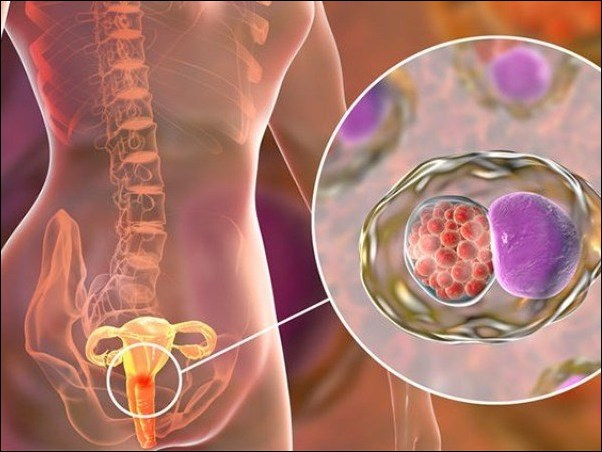
Pelvic inflammatory disease is an infection of a female’s pelvic organs in which inflammation of the pelvic takes place. The pelvic organs include the uterus, fallopian tubes, ovaries, adjacent pelvic structures, and cervix. Besides, gonorrhea, infections following spontaneous or induced abortions and normal or abnormal deliveries are important in the production of PID. Post abortions and postpartum infections are caused by staphylococci, streptococci, coliform bacteria, etc.
Causes
- A woman can get PID if bacteria move up from her vagina and infect her pelvic organs. Most cases of PID are caused by- gonorrhea and chlamydia.
- One can get PID without having a sexually transmitted infection.
- Normal bacteria found in the vagina and on the cervix can sometimes cause PID.
Risk factors
Female is more likely to get pelvic inflammatory disease if
- Have had an sexually transmitted infection
- Are under 25 years of age and are having sex
- Have more than 1 sex partner
- Douching- can push bacteria into the pelvic organs and cause infection
- Having an intrauterine device in situ
Symptoms
- Abdominal pain (especially lower abdominal pain) or tenderness
- Back pain
- High grade fever
- Vaginal discharge (foul smelling)
- Dyspareunia (painful copulation)
- Painful micturition
- Abnormal uterine bleeding
- Pain in the upper right abdomen
- Pelvic pain
- Dysmenorrhea
- Disturbance in intestinal function
- Nausea
- Vomiting
Pelvic inflammatory disease can come on fast with extreme pain and fever, especially if it’s caused by Gonorrhea. PID symptoms may be worse at the end of a menstrual period and during the first several days following a period.
Diagnosis
This will include a pelvic exam.
- Abnormal discharge from vagina or cervix
- Abscesses near ovaries and tubes
- Tenderness or pain in pelvic organs
Investigations
- Tests for sexually transmitted diseases- including HIV and syphilis, Chronic urethritis
- Ultrasound
- Endometrial biopsy
- Elevated ESR and C reactive proteins
- Tissue culture techniques
- Leukocytosis
- Laparoscopy – inserting a small, lighted tube through abdomen to look pelvic organs
Treatment
In modern times, various types of antibiotics are used to treat this disease.
Complications
Without treatment, PID can lead to severe problems like
- Infertility
- Ectopic pregnancy
- Chronic pelvic pain
- Peritonitis
- Intestinal obstruction due to adhesions between the small bowel and the genital system
- Bacteremia, which may potentially induce endocarditis, meningitis and suppurative arthritis
Ayurvedic overview
In ayurveda, this can be considered as pitta vata vriddhi in vata sthana that means vitiation of pitta and vata dosha. The symptoms of pelvic inflammatory disease are closely related to pitta and vata dosha. When pitta and vata dosha is vitiated then the following symptoms arise
- Burning sensation
- Thirst
- Pain in abdomen
- Giddiness
- Feeling of darkness
- Aggravation of burning sensation by the use of pungent, sour, salty and hot things and desire for cold.
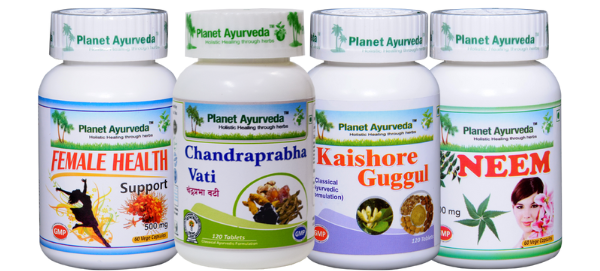
Herbal remedies for pelvic inflammatory disease by Planet Ayurveda
Planet Ayurveda provides various kinds of herbal medicines which are formed from natural and effective herbs which have high efficacy. Planet Ayurveda has strictly followed all the principles of ayurveda which are described in ancient textbooks of ayurveda. All the herbal medicines are GMP certified and 100 % vegetarian. These are effective and safe for the human body. There are no additives, preservatives, chemicals, or yeast and no side effects. The planet ayurveda provides herbal remedies for pelvic inflammatory disease which are following
Product List
- Kaishore Guggul
- Female Health Support
- Boswellia+Curcumin
- Chandraprabha Vati
- Aloe Vitals


PRODUCT DESCRIPTION
1. Kaishore Guggul
It is a herbal tablets made from amalaki (Emblica officinalis), bibhitaki (Terminalia bellirica), guggul (commiphora mukul), guduchi (Tinospora cordifolia) etc. It is bitter and astringent in taste and heavy, unctuous and hot in effect. It pacifies all the three doshas. It helps to protect from diseases and also keeps away manifestations of premature old age. It prevents recurring infections of the urinary tract. It is also an immuno-modulator, a rejuvenator, an antioxidant, and a restorative tonic. It is healer of wounds, antibacterial, antifungal and antipyretic. It is a booster for all physiological systems of the body. It helps in healing ulcers. It is effective in burning micturation. It is anti-inflammatory as well as anti-lipemic.
DOSE:- 2 Tablets twice daily with lukewarm water
2. Female Health Support
It is a polyherbal capsule containing ashoka (Saraca indica), lodhra (Symplocos racemosa) and shatavari (asparagus racemosus). It is astringent and bitter in taste and dry and light in effect. It is used mostly in gynecological problems. It is effective in uterine bleeding and menstrual disturbances without producing any side effects. Its effect on the ovarian tissue may produce an estrogen like activity that enhances the repair of the endometrium and stops bleeding. It provides immense relief from painful menses, the premenstrual syndrome and non-specific white discharge. It nourishes and cleanses the female reproductive system. It maintains the hormonal balance and helps for a trouble free menopause. It allays many of the post hysterectomy problems also. It is very useful in vitalizing male reproductive system. It helps to increase the sperm count. It is used in acidity, hypertension, migraine, inflammation of urinary bladder and problems arising due from malnutrition and general debility.
DOSE:- 1 Capsule twice daily with plain water after meals
3. Boswellia+Curcumin
It is a polyherbal capsule made from shallaki (Boswellia serrata) and haridra (curcuma longa). It is bitter and pungent in taste and dry, light and hot in effect. It alleviates kapha and vata. It has anti-inflammatory features which stops the cytokines secretion and reduces inflammation or swelling. It has an antioxidant property which protects brain neurons and reduces the wrinkles on skin. It purifies the blood and helps in blood formation in the body. It is used in various diseases like acne, blemishes, burns, auto-immune disorders and liver diseases. It also applies on cuts and bruises because it is a natural antibiotic. It prevents colon and skin tumors. It is known as antibacterial, anti-allergic, carminative and diuretic medicine. It is an effective remedy for sprains, wounds and inflamed joints.
DOSE:- 1 capsule twice daily, after meals with plain water.
4. Chandraprabha Vati
It is a herbal tablet formed from shilajit (asphaltum), guggul (commiphora mukul), haridra (curcuma longa), guduchi (tinospora cordifolia) etc. It is bitter and astringent in taste and unctuous, heavy and hot in effect. It pacifies all the three doshas-vata, pitta and kapha. It contains fatty acids, volatile oils and glucosides. It is a choice of medicine in a number of other problems like the malfunctioning of the liver, urinary tract ailments, obesity, cellulitis, cough, dyspnea, gout, diabetes, and sexual diseases. It is an antioxidant and herbal rasayan that helps in expel excess toxins and body fat or waste products from the body. It is very useful in leucorrhoea and uterine swellings. It is helpful in reducing pain, swelling and tenderness. It is a digestive, carminative, analgesic, antibacterial, anti-allergic and antioxidant medicine.
DOSE:- 2 tablet twice daily with lukewarm water
5. Aloe Vitals
It is a single herbal capsule made from standardized extract of aloe vera (aloe barbadensis). It alleviates all the three doshas, according to its actions on human body, it has been classified as bhedaniya (accumulation breaking herb), netrarogaghna (alleviating ophthalmic diseases), and pleeharogaghna (ameliorating diseases of the spleen). It is a carminative, digestive, diuretic and anti-inflammatory. It acts as a purgative and kills intestinal worms. It has rejuvenating properties, it also benefits if it is given in cases of liver and spleen disorders. It enhances the blood supply to the uterus and helps in its contraction. It also has antibacterial and antifungal action besides wound healing properties. It improves pelvic circulation and removes spasm.
DOSE:- 1 Capsule twice daily with plain water after the meal
Contact Planet Ayurveda Support Team to provide you the costing / ordering and delivery information at – costing.planetayurveda@gmail.com or Call at 0172-521-4030 (India), +91-172-521-4030 (Outside India) or Whatsapp at (+91) 9915-593-604
Conclusion
Pelvic inflammatory disease is an inflammatory disease which is caused by bacteria. In ayurveda it is considered under pittavata vriddhi that means the disease caused by vitiation of pitta and vata dosha. We can manage this disease in ayurveda by various herbs like aloe vera, guggul, shatavari, haridra, shilajit, boswellia, ashoka, amla etc which are very effective in this inflammatory condition. Herbal medicines like chandraprabha vati, kaishore guggul, aloe vitals etc are very good effective in such disease and provide strength to the body and fight against causative agents.