Category: Digestive Health

Herbal Remedies for Colon Polyp

ABSTRACT

A colon polyp is a small clump of cells that forms on the lining of the colon (large intestines) or rectum. This polyp is an abnormal growth of the tissue which is projecting from mucous membrane. It is attached to the surface by a narrow stalk which is pedunculated. Polyps are usually found in the colon, stomach, urinary bladder and uterus. Some of the polyps are neoplasms and others are non neoplastic. Most of the polyps are small and less than half an inch wide are small, flat bumps with mushroom like stalks. Usually large intestines include the colon, rectum and anus. It is a long tube that continues from small intestines through the digestive system. It is known as a large bowel where food waste is formed into poop, stored and finally excreted. It is six inches long, known as cecum. There are 3 segments- The ascending colon (travelling up), The transverse colon (travelling to left), The descending colon (travelling down) and the sigmoid colon (headed back across to right). It is located in the lower abdominal cavity from waist down. It surrounds the small intestines in square question mark with the tail ending at the anal canal. There are separate layers of circular muscles and longitudinal muscles which allow the intestines to provide blood supply, nerve endings and allow glands to absorb. Many functional disorders affect the large intestines and it includes- Diverticulitis, proctitis, rectal ulcers, haemorrhoids, colorectal cancer and polyp. In this article We are going to discuss in detail about its causes, symptoms and its ayurvedic management.

INTRODUCTION

A colon polyp is a growth on the inner lining of the colon and has a variety of shapes and is flat, slightly raised (sessile) and on a stalk (pedunculated). They can be benign (hyperplastic polyp) and malignant (adenocarcinoma), it usually includes blood in the stools, pain, diarrhoea and nausea/vomiting. Anyone at any age can develop polyp, at age of 50 or older than this is at higher risk of developing polyp. It can grow on any part of the colon, mostly growing on the left side of the colon and in rectum. Not all polyps turn out to be cancerous; it takes a long time to become cancerous. Hereditary syndromes causing increased colorectal polyp which includes- Familial adenomatous polyposis which usually involves APC gene located on the chromosomes q521. Hereditary nonpolyposis colorectal cancer is also a hereditary colorectal cancer which is linked to the increased risk of cancer which is associated with dysfunction of the DNA repair mechanism. Peutz Jeghers syndrome- Is an autosomal dominant syndrome where there is disorganised growth of tissues of intestinal tract and there is hyperpigmentation of the interlining of mouth, lips and fingers. Juvenile Polyposis syndrome- Is autosomal dominant syndrome where there is increased risk of cancer of intestinal tract and obstruction of tract with low serum and low albumin.

colon polyp

FACTS

  • Mainly the colon is 5 feet long.
  • Colon transit time is about 12-48 hours
  • The frequency of bowel movement varies
  • Over 100 trillion microbes live in your colon
  • The colon is never empty
  • The rectum is usually empty
  • The colon absorbs 1 quart of water a day
  • Meals can trigger the bowel movements
  • Healthy stools are not always brown
  • A person can live without a colon

TYPES

Polyp grows usually in two different shapes

  1. Flat (sessile) are more common and is harder to detect in colon cancer and lie flat against the surface of the lining of colon also known as mucous membrane
  2. Stalks (pedunculated) are mushroom-like growth which attach to the surface of the colon’s mucus membrane by a long, thin stalk.

There are a large majority of polyp which are not cancerous, removal of this polyp during colonoscopy reduces the risk of developing colon cancer.

The most common type of cancer are

  1. Adenomatous (tubular adenoma)- It is the most common type of polyp, 70% of the polyps are adenomatous.
  2. Hyperplastic- It is a serrated polyp, small and low risk for turning into cancerous. They are the most common type of polyp.
  3. Serrated- Depending upon the size and location this may become cancerous. Small serrated polyp in the lower colon is a hyperplastic polyp. Large serrated polyps are typically flat (sessile) difficult to detect located in the upper colon.
  4. Inflammatory- This is common in people who are suffering from IBD (inflammatory bowel disease), known as pseudopolyp as they develop from chronic inflammation in the colon.
  5. Villous Adenoma- This polyp has a high risk of turning into cancer, commonly sessile which makes it difficult to remove.  

CAUSES

Polyp is found in 30% of the adult population of 45-50 years of age. A polyp can result in genetic changes in the cells of colon which affects the normal cell, various factors which affects this are following

  • Smoking
  • Excessive alcohol intake
  • Overweight
  • Crohn’s disease
  • Ulcerative colitis
  • Type 2 diabetes

Some genetic conditions which raises the chance for polyp and crohn’s disease are

  • Familial adenomatous polyposis (FAP)
  • Gardner’s syndrome- It is a type of FAP that causes polyp which grows in the colon and small intestines.
  • Lynch Syndrome- Known as hereditary nonpolyposis colorectal cancer
  • MYH- associated polyposis (MAP)

SYMPTOMS

  • Rectal Bleeding- It is sign of colon polyp such as minor tear of the anus causes bleeding
  • Change in colour of stool- red streaks in stools may cause stool appear black
  • Change in bowel habits- Constipation that lasts longer indicate the presence of polyp
  • Pain- it leads to crampy abdominal pain
  • Iron deficiency anemia- Chronic bleeding results in the deficiency of iron and makes you feel tired and shortness of breath.
  • Abdominal pain
  • Nausea
  • Vomiting
  • Fatigue and shortness of breath

DIAGNOSIS

  • Colonoscopy
  • CT colonography
  • Sigmoidoscopy
  • Stool based tests
  • Barium enema  

RISK FACTORS

  • Age
  • Inflammatory intestinal conditions such as Ulcerative colitis, Crohn’s disease of the colon.
  • Excessive use of alcohol
  • Obesity
  • Black americans has higher chances of this colon cancer

TREATMENT

  • Polypectomy
  • Minimally invasive surgery
  • Total proctocolectomy

PREVENTIONS

  • Include healthy habits such as eating plenty of fruits, vegetables and reducing the fat intake.
  • Increase consumption of Calcium supplements as it prevents the recurrence of colon adenomas such as Broccoli, milk, cheese, fish.
  • Lose extra weight to maintain a normal body mass index
  • Exercise daily
  • Quit smoking

AYURVEDIC MANAGEMENT

In ayurveda it is related with Arshas where the mamsa ankuras (fleshy masses) occur usually at the opening of guda marga (anus) hence obstructs the pathway and troubles like enemies. The vitiated doshas further contaminates the twak (skin), mamsa (muscle) and meda (fat) and causes the fleshy ankuras at the opening these are known as Arshas.

TYPES OF ARSHAS

1. Vataja Arshas is vitiated due to vata doshas which is caused by

  • Excessive consumption of pungent food
  • Excessive consumption of dry foods
  • Taking food in deficit quantities
  • Excessive indulgence in physical exercise

2. Pittaja Arshas– is vitiated due to pitta doshas which is caused by-

  • Excessive consumption of hot foods
  • Anger
  • Excessive consumption of alcohol
  • Living in hot areas and places
  • Excessive exercise

3. Kaphja Arshas– is vitiated due to kapha doshas and is caused by

  • Excessive consumption of sweet foods
  • Lack of exercise
  • Excessive consumption of heavy food
  • Lack of worries

4. Tridoshaja Arshas– It aggravates the doshas

5. Raktaja Arshas– It is caused by the vitiation of rakta doshas

6. Sahaja Arshas– It is hereditary, acquired from parents

TREATMENT

Arshas is treated with 4 fold approach

  1. Shastra Karma- surgical method
  2. Kshara Karma- cauterization with alkalis
  3. Agni Karma- Fire cauterization
  4. Aushadha- Medicines

HERBS USEFUL FOR RECTAL POLYP

1. Manjistha

Manjistha (Rubia cordifolia) is a famous herb which is used for blood detoxification and in various skin disorders. Manjistha helps to balance kapha and pitta dosha, mitigates pitta doshas so helpful in skin diseases such as in eczema, dermatitis. It helps to improve the complexion of skin, in gynaecological disorders, urinary tract disorders. Manjistha helps to raise the level of dopamine and boosts up the immunity and increases the white blood cells of immunity.

2. TEJPATRA

Tejpatra (Cinnamomum tamala) is ayurvedic herb used in the treatment of black spots on the face, in dental caries and in complications of tuberculosis. It helps to reduce the vitiated kapha dosha and vata doshas, hence increases pitta doshas. Helps to cleanse the oral cavity and facial skin. Tejpatra is indicated in treatment of haemorrhoids, anorexia and in toxic conditions.

3. AMALAKI

Amalaki (Emblica officinalis) usually pacifies the tridoshas and is a rich source of Vitamin C. It acts as a best anti ageing herb which improves the overall health and vision. Amalaki is effective in various bleeding disorders and acts as an aphrodisiac which reduces the burning sensation. This herb is used to improve the voice, sore throat and in various disorders related to throat. Protect from viral, fungal and in various bacterial infections.

4. BIBHITAKI

Bibhitaki (Terminalia bellirica) is used in the treatment of fever , cough and in virechana therapy. This helps to balance kapha and pitta dosha. Baheda acts as a mild laxative which is good for our eyes and promotes the growth of hair, relieves worm infestation. It helps to detoxify blood, lymph and fatty tissue in the body. It possesses various properties such as Antioxidant, antimicrobial and has anti cancer properties.

HERBAL REMEDIES FOR RECTAL POLYP BY PLANET AYURVEDA

Planet Ayurveda provides the best combination of herbal remedies which provides great relief to the patients and the various formulations are made of 100% pure extracts without any adulteration. These medications are made under strict guidance of M.D experts and they check the quality of each and every formulation as there is no compromise with the health of patients. For rectal polyp planets ayurveda provides various remedies for better treatment without any side effects.   

PRODUCTS LIST

  1. TRIPHALA GUGGUL
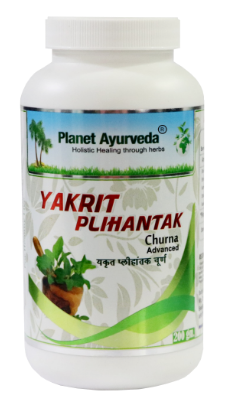
  2. VARA CHURNA
  3. MANJISHTHA CAPSULES
  4. GANDHAK RASAYAN
  5. JATYADI OIL
  6. NIRGUNDI OIL

Herbal Remedies for RECTAL POLYPS

Herbal Supplements for Rectal Polyps

PRODUCTS DESCRIPTION

1. Triphala Guggul

Triphala Guggul is herbal tablets which is formulated by planet ayurveda using various ingredients such as Guggul (Commiphora mukul), Amalaki (Emblica officnalis), Bibhitaki (Terminalia billerica), Haritaki (Terminalia chebula). This tablet is used to control cholesteroland in various gastrointestinal tract which provides relief to inflammatory conditions and in piles. Helps to treat constipation, hyperglycemia, myopia and in heart related disorders.

Dosage– 1-2 tablets twice daily with lukewarm water.

2. Vara Churna

Vara Churna is polyherbal powder formulation prepared by planet ayurveda using ingredients such as Haritaki (Terminalia chebula), Bhibhitaki (Terminalia billerica), Amalaki (Emblica officinalis). This churna helps to remove the accumulated toxins and makes it free from constipation. Vara churna improves the functions of the liver by removing the toxins which does not cause any purgation and promotes good intestinal health.

Dosage– 1 teaspoon twice daily

3. Manjishtha Capsules

Manjishtha Capsules are single herbal capsules formulated by planet Ayurveda using standardised extract of Manjistha (Rubia cordifolia). These capsules help in the treatment of Amenorrhea, in blood purification and circulation. It helps in various skin problems and in kidney and gallstones, in heart disease and in hepatitis. Manjishtha capsules are beneficial in urinary disorders and are the best remedy as blood purifiers which lower down the blood pressure.

Dosage– 1-2 capsules twice daily with plain water after meals.

4. Gandhak Rasayan

Gandhak Rasayan are herbal tablets formulated by planet Ayurveda using single ingredient Shuddha Gandhak (Sulphur). It is helpful in balancing the doshas and has the property of antiviral, anti-inflammatory which helps in healing in various conditions. This tablet helps to reduce the itching and burning sensation which reduces the itching and provides relief from eczema. Enhance the immunity of the body to fight against infection.

Dosage– 1-2 tablets twice daily with lukewarm water.

5. Jatyadi Tailam

Jatyadi Tailam is herbal oil formulation prepared by planet ayurveda using ingredients such as Chameli (Jasminum officinale), Mulethi (Glycyrrhiza glabra), Katuki (Picrorhiza kurroa), Padmaka (Prunus cerasoides) and many more. It has many metallic contents and has penetrating properties which helps to heal the deep seated wound, and is beneficial in chronic psoriatic conditions. Helps to restore the normal colour and reduces the sensation of area.

6. Nirgundi Oil

Nirgundi Oil is herbal oil formulation prepared by planet Ayurveda using ingredients such as Tila Oil (Sesamum indicum), Kalahari (Gloriosa superba), Nirgundi (Vitex negundo). It has an anti-inflammatory property which balances the vata and kapha dosha. It Acts as an analgesic so is useful in disorders of spleen, thyroid. Act as a diuretic so facilitates the micturition and works as a brain tonic.

Method of Application

Mix nirgundi oil and jatyadi tailam and apply over the affected part.

Contact my assistant to provide you the costing / ordering and delivery information at – costing.planetayurveda@gmail.com or call at +91-172-5214040

CONCLUSION

A colon polyp is a small clump of cells that forms on the lining of the colon (large intestines) or rectum. This polyp is an abnormal growth of the tissue which is projecting from mucous membrane. Polyp is found in 30% of the adult population over the age of 45-50 years of age. In ayurveda it is related with Arshas where the mamsa ankuras (fleshy masses) occur usually at the opening of guda marga (anus) hence obstructs the pathway and troubles like enemies.

Twisted Bowels (Volvulus) and its Ayurvedic Management

Abstract

A volvulus is a loop which is formed in the intestines when they twist around themselves and the mesentery that basically supports them results in bowel obstruction. It is also a very common reason for bowel obstruction. The bowel obstruction results in no passage of faeces and the food fluid starts accumulating in the intestines and venous supply hence dies gradually. The accumulated matter finally turns toxic and is then absorbed in the circulation causing toxaemia or septicemia. In this article we will discuss twisted bowels or volvulus in detail and also about its ayurvedic aspect. In the end, some Ayurvedic will also be mentioned which can help in the management of this condition.

Twisted Bowels (Volvulus)

Introduction

Generally volvulus is a medical emergency that needs surgical treatment and if left treated then the part of bowel which is twisted will die due to lack of blood supply. Volvulus takes place in the small intestines, then this scenario is usually seen in children or infants. In ADults small intestine twisting is really rare. In adults the volvulus tends to occur in the colon and it is known as sigmoid volvulus. Symptoms in small intestine volvulus and large intestine volvulus remain the same like abdominal pain, abdominal bloating, vomiting, constipation and bloody stool. Onset of such symptoms can be gradual, quick or rapid.

Causes for Volvulus

  • Explaining the causes of volvulus occurring in people, then small intestine volvulus is common in babies due to congenital intestinal malrotation. Segmental volvulus occurs in people of any age which is generally associated with the predisposition of abnormal intestinal contents or adhesions.
  • The volvulus of the cecum and transverse colon sigmoid colon occurs mostly in adults with minor predisposing factors such as redundant intestinal tissue which is excess and inadequately supported along with constipation.

Types of Volvulus

  • Types of volvulus
  • Volvulus neonatorum
  • Volvulus of small intestine
  • Midgut volvulus
  • Cecal volvulus
  • Sigmoid colon volvulus
  • Volvulus of transverse colon
  • The rarest, volvulus of splenic flexure
  • Gastric volvulus
  • Ileosigmoid knot

Sign and Symptoms

Regardless of the cause, volvulus causes symptoms in two mechanisms:

  • Bowel obstruction which is manifested as abdominal distention and bilious vomiting.
  • Ischemia or lack of blood supply to the portion of the intestine affected.

The symptoms in this  may vary according to the location of volvulus.

  • Like the patient who has cecal volvulus have the predominant symptoms of  small bowel obstruction as the obstruction due to volvulus is at the point which is close to ileocecal valve and small intestine. In the patients having sigmoid volvulus abdominal pain may be present with symptoms of constipation.
  • The symptoms of cecal volvulus include nausea, vomiting and lack of stool and flatus.
  • In general, volvulus causes severe pain and progressive injury to intestinal wall along with accumulation of gas and fluid in the portion of the bowel obstructed.
  • Next, necrosis happens to the affected portion of intestinal walls, then acidosis and finally death of the tissue and cells. This is called closed- loop obstruction and is known by this name as there exists an isolated or closed loop of the bowel.
  • Sometimes the acute volvulus may require immediate surgical intervention to untwist the affected segment of bowel and possibly resect or bowel resection is done.
  • There is a third form of volvulus which is called gastric volvulus which causes nausea, vomiting and pain in the upper abdomen. The Borchardt triad is a group of symptoms that help in ruling out the gastric volvulus. The triad consists of unproductive retching, epigastric pain and distention along with inability to pass a nasogastric tube.

Prevalence of the Different Types of Volvulus

  • Volvulus occurs generally in middle aged and elderly men.
  • According to the type the sigmoid volvulus is the most common form of volvulus of the gastrointestinal tract and is responsible for 8 percent of all intestinal obstructions. Sigmoid volvulus is particularly common in elderly persons and constipated persons.
  • Cecal volvulus is slightly less common than sigmoid volvulus and is associated with symptoms of abdominal pain and small bowel obstruction.
  • Volvulus is common in patients with duchenne muscular dystrophy due to smooth muscle dysfunction.

Diagnosing the Volvulus

After the personal and detailed history of the patient the next thing which is done is X-ray. A plain abdominal X-ray is a common confirmatory of a volvulus. The x-ray shows bent inner tube sign or coffee bean sign. The sign refers to the shape of the air filled closed loop of the colon which forms the volvulus.

Treatment of Volvulus

  • The general approach for a sigmoid volvulus which is the most common type includes sigmoidoscopy. If the mucosa of the intestine is pink then a rectal tube for decompression may be placed.
  • For people with sepsis immediate surgery with resection is required.
  • In cecal volvulus, the ceacum is returned to the normal position and is sutured in the exact place.

Ayurvedic Aspect of Volvulus

In most of the elderly adults the volvulus is due to chronic constipation and with age there is one specific dosha increase in the body which is vata dosha. Vata dosha is one of the three humours of the body which is responsible for movement. When there is excess of vata dosha in our intestines then the aggravated vata dosha gives a really hard push inside the intestines causing it to twist hence resulting in volvulus occurrence. The constipation can be due to vata aggravation and this vata aggravation is due to the faulty lifestyle we live and diet we eat. Not having enough fibre in your meals is the cause of constipation or having less amount of water or waking up till late nights, exhausting yourself more than your limits mentally as well as physically, skipping meals, eating when you don’t have the urge to intake etc. are the most common causes for aggravation of vata dosha that results in constipation, further aggravated vata dosha and finally results in the occurrence of volvulus.

The chances of volvulus occurrence can be easily reduced by following a proper lifestyle and having a proper diet.

Herbal Formulations for Twisted bowels by Planet Ayurveda

Planet Ayurveda is a leading Ayurvedic firm which deals with the manufacturing of herbal formulations. These formulations are prepared using potent herbs which are really effective in managing many conditions related to intestines like volvulus. The medication can be easily used in any type of volvulus. The formulations prepared by Planet Ayurveda do not contain any kind of adulterants, dyes, additives, fillers etc. These medications are really potent to manage various conditions arising due to aggravation of vata dosha in the digestive tract and are very fruitful hence giving positive noticeable results. The medication or formulations offered by Planet Ayurveda for the management of Twisted bowels (volvulus) are as follows:

  1. Mahashankh Vati
  2. Digestion Support
  3. Kamdudha Ras
  4. Shoolvarjini Vati

As laxatives

  1. Rheum Emodi Capsules
  2. Panchsakar Churna

PRODUCT DESCRIPTION

1. Mahashankh Vati

Mahashankh vati is the effective classical formulation which helps in the improvement of digestion and also effectively relieves symptoms like bloating and indigestion. This formulation is also mentioned in classics and contains pippali (piper longum), chitrak (Plumbago zeylanica), danti (Baliospermum montanum) and many more. The formulation  helps in naturally dealing with indigestion, loss of appetite, hyper acidity along with gas and other digestion related problems. In twisted bowels it helps in relieving the flatus which is due to prolonged constipation and causes pain. Hence it also acts as the formulation that relieves pain due to distention.

Dosage: Two tablets twice daily 20 minutes before meal with lukewarm water.

2. Digestion Support

Digestion support is a herbal formulation which is manufactured with nature’s best herbs for all kinds of digestive system related problems which includes twisted bowels too. This has ingredients like  Amalaki (Emblica officinalis), Haritaki (Terminalia chebula), Bahera (Terminalia bellerica), Sounf (Foeniculum vulgare), Dhania (Coriander sativum), Pippali (Piper longum) and Jeerak (Cyminum cuminum). All of these ingredients make it a very potent formula which can help in strengthening the digestion process and also relieves symptoms like flatulence and distension of the abdomen due to aggravated vata dosha. The formulation has great results as a digestion balancer and hence balances the agni really well.

Dosage: One capsule twice daily after meals with lukewarm water.

3. Kamdudha Ras

Kamdudha ras is also a classical formulation that behaves as an antacid due to its potent ingredients like moti pishti, giloy satva, praval pishti, mukta shukti pishti, shankh bhasma and some others. The kamdudha is very well known for its benefits in gastritis also. All over the formulation has very great results in relieving gastric symptoms which includes formation of excessive gas and distention. The formulation even has great results in internal or external bleeding disorders.  Mostly, it has pitta dosha balancing property which is diminished due to aggravated vata in this case.

Dosage: One tablet twice daily after meals with lukewarm water

4. Shoolvarjini Vati

The shoolvarjini vati is a very effective classical formulation which helps by relieving pain in this case. The formulation is basically a herbo mineral preparation which has tankan (borax), shankh bhasma (calx of conch) and others as its ingredients. The formulation is used in abdominal pain, gulma, enlarged spleen, excessive gas in the abdomen and all types of pains which are mainly due to vata dosha or aggravated vata dosha. This formulation also helps in removal of toxins from the body along with this it helps in enhancement of digestive power or agni as well.

Dosage:  One tablet twice daily after meals with lukewarm water (to be chewed)

As laxatives

5. Rheum Emodi Capsules

Rheum meodi contains Revan chini (Rheum emodi) as its prime ingredient and it is a mild purgative, astringent, tonic and laxative. The herb is known to have an anti-inflammatory effect. The herb is a perennial stout which is commonly found in himalayan region from kashmir to sikkim. It is a very effective formulation that helps in relieving the stomach ache and also has an effect on constipation. It helps in relieving constipation. These rheum emodi capsules are exclusively prepared using this herb and also bear antibacterial properties. Being mild purgative it helps in relieving the obstruction in the intestinal route and hence can help in management of twisted bowels.

Dosage: Two capsules  at bed time with lukewarm water

6. Panchsakar Churna

The panchsakar churna is very effect blend of herbs like Sonth (Zingiber officinale), saunf (Foeniculum vulgare), Senai (Cassia angustifolia), choti harad (Terminalia chebula) along with saindhav lavan or rock salt. The panchsakar churna has a very great effect in relieving the obstruction in the intestine which is primarily due to twisted bowel. The formulation has great results in relieving vata dosha in the digestive tract. The feeling of nausea and vomiting is also relieved by this churna and with that it has a little laxative effect too. The presence of saindhav lavan in this helps in balancing potassium imbalance in this condition too.

Dosage: One tsp Bed time with lukewarm water

*Note– Rheum emodi and panchsakar churna not to be taken regularly and together. One can have them on alternate days.

CONTACT PLANET AYURVEDA TO PROVIDE YOU THE COSTING / ORDERING AND DELIVERY INFORMATION AT – COSTING.PLANETAYURVEDA@GMAIL.COM OR CALL AT +91-172-5214040

Conclusion

The volvulus is a condition that needs immediate medical attention. The severity of this condition depends on the site of volvulus formed. Volvulus or twisted bowel can be successfully managed with above mentioned Ayurvedic formulations. The aforementioned mentioned formulations can be used and effectively manage the situation. All of the above mentioned medications are totally herbal and do not have any kind of side effects. These can be used in any age group but the dosage may vary. To confirm the dosage one must take these medications under the guidance of a professional Ayurvedic physician. The strategy to take these medications is to be discussed with your doctor and then only it will be of maximum help.  In case of any query kindly visit WWW.PlanetAyurveda.com