How Low FODMAP Diet Becomes Important in Irritable Bowel Syndrome (IBS)
Abstract
FODMAP stands for Fermentable Oligosaccharides, Disaccharides, Monosaccharides and Polyols. These are carbohydrates that are not absorbed properly and cause much distress and upset the intestines in those people who are suffering from Irritable Bowel Syndrome (IBS) and Small Intestinal Bacterial Overgrowth (SIBO). High FODMAP diet can cause severe pain, stomach cramps, gassiness, bloating, and diarrhoea. So a low FODMAP diet becomes important in IBS.
Introduction
In Irritable Bowel Syndrome, there is a need for basic prevention of food that worsens the condition. As Ayurveda says, food is what makes us healthy and unhealthy. Thus it is well understood that diet is everything that justifies the health status of a person. So in order to stay healthy, it becomes mandatory for a person to follow a diet that is purely satwik (simple) and diet should be according to the disease associated. In almost every disease, a diet is recommended which is easy to digest and does at cause any abdominal discomfort. In the case of irritable bowel syndrome, diet is what makes it easy to treat the aforesaid disease. Further we will look into a low FODMAP diet and what it includes.
FODMAP Diet
FODMAP stands for Fermentable Oligosaccharides, Disaccharides, Monosaccharides and Polyols that are types of small chain carbohydrates and sugar that are not easily absorbed or we can say poorly absorbed particularly in patients with irritable bowel syndrome that results in diarrhea, severe pain, abdominal discomfort, indigestion etc. There are some foods that put a burden on the gut that results in abdominal discomfort and indigestion.
Now, there are foods which are high in FODMAP and low in FODMAP.
Foods High in FODMAP
- Citrus fruits like orange, peach, pineapple, canned fruits, strawberries.
- Refined wheat flour is not easily absorbed.
- Pulses like black gram, kidney bean, and chickpeas have high FODMAP.
- Vegetables include ladyfingers, tomatoes, garlic, and onions that are not good for IBS.
- Dairy products that should not be taken are tea, coffee, high fat milk, butter, and cheese.
- Drinks include canned soups, carbonated drinks, alcohol, and sweetened drinks that are harmful for IBS patients.
- Red chillies should not be consumed.
- Oils that deteriorate the condition of IBS patients include butter, palm oil, coconut oil.
- Meats like pork and other fried meats can upset the intestines.
- Dry fruits like walnuts, seeds, cashew nuts, peanuts will add to the problems.
- Other things that are not good for IBS are processed food, fried food, junk food, refined sugar, artificial sweeteners, bakery products, and mayonnaise.
- Foods that are heavy to digest should be avoided to cure and to prevent further worsening of the condition of the patient.
Food Low in FODMAP
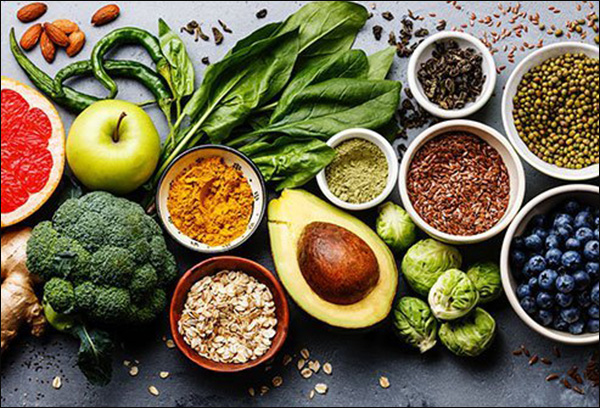
- Fruits that can be taken by Irritable Bowel Syndrome patients include apple, banana, apricot, watermelon, pomegranate (without seeds), kiwi, plum, guava.
- Cereals including wheat, rice, pearl millet, amaranth, oats, quinoa and brown rice can be consumed.
- Pulses like green gram and all washed dals are easy to digest.
- Vegetables that can be consumed include beetroot, cucumber, pumpkin, celery, red onion, turnip, ginger, gourds (bottle, round, ridge) and carrot.
- Dairy products which can be consumed are dahi and cow ghee only.
- Drinks like coconut water, sugarcane juices, green juices, home made juice, aloe vera juice can be enjoyed.
- Spices like coriander, cumin and fennel are good for the stomach.
- Oils that can be used include soybean oil, olive oil, mustard oil and cow ghee.
- Only lean meat can be consumed.
- Figs and soaked almonds can be consumed from the category of dry fruits.
Other than this, there are some foods that may suit some individuals and maybe not to others. So this becomes important, one must see if things are suitable or not, if they cause discomfort or get digested without causing harm.
There are plenty of herbs or spices that are commonly used in households. That increases digestive fires. Ayurveda too has many herbs that are used in herbal medicines that promote digestion. Planet Ayurveda has come up with an IBS care pack that not only healthify the mucosa of the intestines but also aids digestion which is generally low in IBS patients. It also has various properties which arrest bleeding and thus relieve patients with blood in their stool.
Low FODMAP diet with proper IBS care pack do wonders in IBS patients. As it together helps in curing the aforesaid disease at a good rate. Moreover the herbs themselves are properly digested because of their low FODMAP index.
Inflammatory Bowel Syndrome care pack by Planet Ayurveda
Planet Ayurveda is a renowned GMP certified company that has done a magnificent job in caring for Inflammatory Bowel Syndrome with its impeccable products which are curing the aforesaid disease with a high success rate. Let’s look at the IBS care pack !!
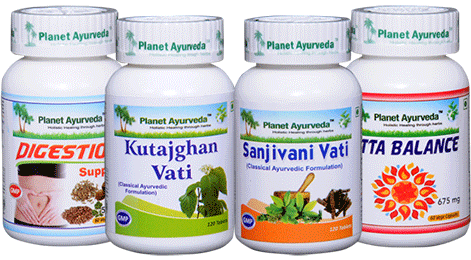
Care pack includes the following products
- Pitta Balance
- Kutajghan Vati
- Digestion Support
- Sanjivani Vati

Product’s Description
1. Pitta Balance
As the name suggests, it is beneficial in balancing the pitta dosha, thus helpful in maintaining proper digestion, promoting wellness of the stomach and intestines. Ingredients in the formulation are JaharMohra pishti, Akik pishti, Mukta pishti, Kaharwa pishti and Giloy satva (Tinospora cordifolia). It provides strength to intestines as well as it has anti-diarrhoeal action. Thus it is used in Irritable Bowel Syndrome. It has ant dysenteric action, thus helpful in arresting the bleeding in Inflammatory Bowel Syndrome. It is important in all bleeding disorders like raktapitta, rakta pradara, rakta atisara, rakta pravahika, pitta vikara etc. Another ingredient is useful in diarrhoea and liver disorders as pitta is related to liver metabolism. It enhances digestion and aids proper absorption in inflammatory bowel syndrome. Moreover, it boosts immunity to fight infections. It is also used in calcium deficiency.
Dosage: 1 Capsule twice daily with warm water after meals.
2. Kutajghan Vati
Kutaj (Holarrhena antidysenterica), as the name describes, has anti-dysentical properties. This is used in loose stool to stop excessive watery/blood loss through anus. It is mentioned in ayurvedic texts, in diarrhoea it is so helpful. Thus, doing a magnificent job in curing symptoms of diarrhoea in Inflammatory Bowel Syndrome.
Dosage: 2 Tablets twice daily with warm water after meals.
3. Digestion Support
It is a formulation made from seven herbal extracts, which enhance digestion. This overcomes the digestion issues in Inflammatory Bowel Syndrome. It is filled with excellent properties of jeerak (Cyminum cuminum), pippali (Piper longum), blend of triphala, dhania (Coriandrum sativum) etc. all ingredients aids digestion. In treating IBS, it is mandatory to treat indigestion. Thus Digestion Support is here to help.
Dosage: 1 Capsules twice daily with warm water after meals.
4. Sanjivani Vati
It is a blend of several herbs that aids digestion. It has properties of several digestion improving herbs like vacha (Acorus calamus), guduchi (Tinospora cordifolia), Vidanga (Embelia ribes), adraka (Zingiber officinalis) etc. it has good properties of shuddha vatsanabha (Aconitum ferox), shuddha bhallataka (Semecarpus anacardium). It has deepana (apetizer) and pachana (increases digestive fire) properties. Therefore it helps in Inflammatory Bowel Syndrome. Thus, it resolves many complaints of the patient.
Dosage: 2 Tablets twice daily with warm water after meals.
Conclusion
From the above discussion, it is clear that in IBS, a low FODMAP diet is essential for absorption of nutrients and easily digested without any hindrance. Whereas a high FODMAP diet causes much discomfort and pain with other issues. Thus one should refrain from eating the same. Planet Ayurveda’s IBS care pack has done wonders in IBS management. Though, proper and low FODMAP diet is also needed along with the medicines. For more detail of our products check out our website www.PlanetAyurveda.com and for queries you can send your queries to our email id herbalremedies123@yahoo.com.