Category: Diabetes & Complications

Alternative Treatment for LADA or Latent autoimmune diabetes

Abstract

LADA or Latent autoimmune diabetes in adults is a type of diabetes that is commonly misdiagnosed as Type 2 diabetes. This type of diabetes is an autoimmune disease that affects adults, especially those who are middle-aged. It is important to identify LADA correctly as it has different treatment options and outcomes than Type 2 diabetes. In this article, we will discuss the causes, symptoms, diagnosis, and treatment options available for LADA. We will also explore the benefits of Ayurvedic medicine in managing this condition.

Introduction

LADA is a type of diabetes that occurs in adults, and it is caused by an autoimmune response that attacks the pancreas. This results in the destruction of insulin-producing beta cells, leading to a lack of insulin production. LADA is often misdiagnosed as Type 2 diabetes because of its slow onset and mild symptoms. However, LADA has a more rapid progression than Type 2 diabetes, and patients may eventually require insulin therapy.
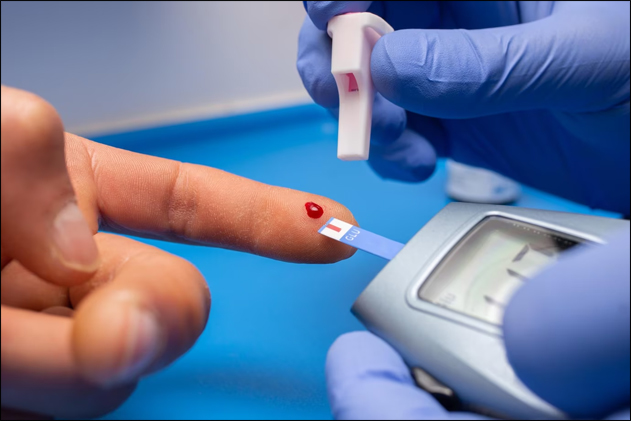
diabetes

Types

There are three main types of diabetes: Type 1 diabetes, Type 2 diabetes, and LADA. Type 1 diabetes occurs when the immune system attacks and destroys the insulin-producing beta cells in the pancreas. In Type 2 diabetes, either the body becomes resistant to insulin or does not produce enough insulin. LADA is a hybrid of Type 1 and Type 2 diabetes because it involves an autoimmune response that attacks the pancreas, but it occurs in adults and has a slower onset than Type 1 diabetes.

Causes

The exact cause of LADA is not known, but it is believed to be an autoimmune disorder. In LADA, the body’s immune system mistakenly attacks the insulin-producing beta cells in the pancreas, leading to their destruction. This results in a lack of insulin production, which leads to high blood sugar levels and diabetes.

Symptoms

The symptoms of LADA include

  • Increased thirst
  • Frequent urination
  • Blurred vision
  • Fatigue
  • Slow healing of cuts and wounds
  • Tingling or numbness in the hands and feet

Signs

The signs of LADA include high blood sugar levels, which can be detected through blood tests. These tests may also show the presence of autoantibodies, which are antibodies that attack the body’s own tissues.

Risk Factors

The risk factors for LADA include

  • Age: LADA usually occurs in people over the age of 30, but it can occur at any age.
  • Family history: People with a family history of Type 1 diabetes or LADA have a higher risk of developing LADA.
  • Autoimmune disorders: People with other autoimmune disorders, such as rheumatoid arthritis or lupus, have a higher risk of developing LADA.

Diagnosis

The diagnosis of LADA involves blood tests to check blood sugar levels and the presence of autoantibodies. Doctors may also perform a glucose tolerance test, which involves drinking a sugary solution and then measuring blood sugar levels over time. A diagnosis of LADA is confirmed when blood sugar levels are high, and autoantibodies are present.

Complications

  • Untreated LADA can lead to complications such as
  • Heart disease
  • Kidney damage
  • Nerve damage
  • Eye damage
  • Foot problems

Treatment

The treatment options for LADA include general diabetes management strategies such as maintaining a healthy diet, regular exercise, and monitoring blood sugar levels. Medications such as oral hypoglycemic agents may also be prescribed. Insulin therapy may also be necessary depending on the case.

Side Effects

The side effects of diabetes medications may include:

  • Nausea
  • Diarrhea
  • Weight gain
  • Low blood sugar levels
  • Liver damage

It is important to discuss any potential side effects with a doctor before starting any medication.

How Ayurveda is Better

Ayurvedic medicine offers a holistic approach to managing LADA by addressing the root cause of the disease. Ayurveda focuses on balancing the body’s doshas or energy systems to promote overall health and well-being. Ayurvedic treatments for LADA may include herbal remedies, dietary changes, and lifestyle modifications.

Ayurvedic perspective of jata prameha

In Ayurveda, LADA is known as jata prameha. According to Ayurveda, jata prameha is caused by an imbalance in the kapha and pitta doshas. The treatment for jata prameha involves pacifying these doshas through herbal remedies, dietary changes, and lifestyle modifications.

The Charaka Samhita, one of the classical Ayurvedic texts, describes jata prameha as a condition that affects the urinary system and is caused by an imbalance in the kapha and pitta doshas. The text describes the symptoms of jata prameha, which include frequent urination, difficulty in controlling urine, and wasting of the body tissues. It also highlights the importance of avoiding sedentary lifestyles, excessive consumption of fatty foods, and overeating.

Herbal Remedies for LADA by Planet Ayurveda

Planet Ayurveda offers a range of herbal remedies for managing LADA. These remedies are made from natural ingredients and are free from harmful chemicals and additives. There are lots of formulations for LADA but we will discuss with some effective formulations as follows:-


Herbal Remedies for Diabetes

Herbal Supplements for Diabetes

Product Description

1. Dia-Beta Plus

Dia-Beta Plus is an herbal remedy that helps lower blood sugar levels and improve insulin sensitivity. It contains a blend of herbs such as Gurmaar (Gymnema sylvestre), Karela (Momordica charantia), Jamun (Syzygium cumini),etc. which have been traditionally used in Ayurveda to manage diabetes.These herbs work together to help manage blood sugar levels and prevent complications of diabetes.

Dosage: 2 capsules twice daily before meals with warm water.

2. Karela Capsules

Karela Capsules are made from standardized extract of bitter gourd, which is known for its anti-diabetic properties. It helps lower blood sugar levels and improve insulin sensitivity.

Dosage: 2 capsules, twice daily after meals with warm water.

3. Madhumehantak Churna

Madhumehantak Churna is an herbal powder that helps manage diabetes by improving insulin sensitivity and lowering blood sugar levels. It contains a blend of herbs such as Gurmaar (Gymnema sylvestre), Jamun (Syzygium cumini), Karela (Momordica charantia), etc. It helps stimulate insulin secretion and improve glucose uptake in the cells.

Dosage: 1 teaspoonful twice daily with warm water.

4. Fenugreek Capsules

Fenugreek Capsules made from fenugreek (Trigonella foenum-graecum) that help lower blood sugar levels, improve insulin sensitivity, and prevent complications of diabetes. Fenugreek also contains antioxidants and anti-inflammatory compounds, which help prevent complications of diabetes such as neuropathy, retinopathy, and nephropathy.

Dosage: 2 capsules, twice daily after meals with warm water.

Contact Planet Ayurveda Support Team to provide you the costing/ordering and delivery information at – costing.planetayurveda@gmail.com or Call at 0172-521-4040 (India), +91-172-521-4040 (Outside India) or Whatsapp at (+91) 842-749-4030.

Conclusion

Ayurvedic medicine offers a holistic approach to managing LADA by addressing the root cause of the disease. Herbal remedies by Planet Ayurveda can help manage blood sugar levels, improve insulin sensitivity, and prevent complications of diabetes.

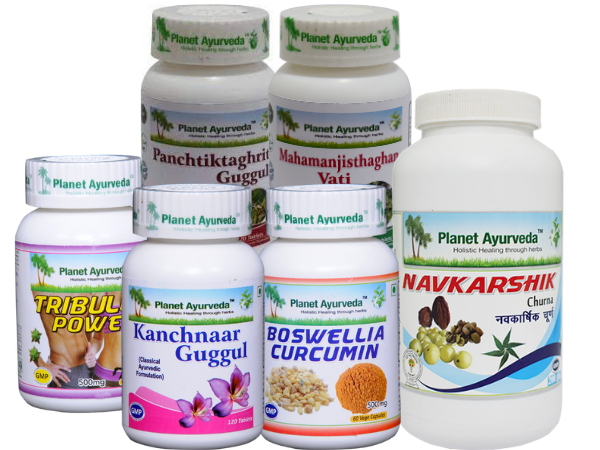
Herbal Remedies for Autoimmune Polyglandular Syndrome ! Schmidt’s syndrome

ABSTRACT

There are various types of conditions from which people are suffering these days. Some of the disease names are heard and some are never heard . Some of the diseases are even new for physicians and it makes us question the evolution of the human body. Is the human body evolving? The answer to this question is “Yes”.  But the evolution it is showing is not the one which makes it stronger but seems like evolution is making the human body more prone to develop unwanted changes which makes it more and more sick. There are around 3-4 new diseases which are discovered every year. In this article we will discuss one such disease and its name is Autoimmune polyglandular syndrome or schmidt’s syndrome. The Article also suggests some Ayurvedic formulations which can be used to manage this condition.

INTRODUCTION

Autoimmune polyglandular Syndrome has three types which are recognised as APS1, APS2 and APS3. This condition is a rare X- linked syndrome of immunodysregulation, polyendocrinopathy and enteropathy. The condition generally arises due to the mutation in FOXP3 gene which is also called as APS. All three types of Autoimmune polyglandular Syndrome are characterised by sequential or simultaneous deficiencies. These simultaneous deficiencies are in the Functioning of  several endocrine glands that have a common cause. The aetiology or cause of deficiencies is mostly autoimmune response of the body. As mentioned most cases are autoimmune but in certain cases the triggers can be virus or dietary supplements.

Symptoms of Autoimmune Polyglandular Syndrome

So, let’s discuss the Autoimmune polyglandular Syndrome in detail

Types of Autoimmune Polyglandular Syndrom

There are three types of Autoimmune polyglandular Syndrome

Autoimmune polyglandular syndrome type 1 is very rare and is a complex condition which is a recessively inherited disorder. In this condition there is an immune cell dysfunction with a lot of autoimmunities. This present with the group of life threatening endocrine gland and gastrointestinal dysfunction. The second type of Autoimmune polyglandular Syndrome is an autosomal dominant syndrome due to multifactorial gene involvement. This results in adrenal insufficiency along with hypothyroidism and type 1 diabetes.

The third type of Autoimmune polyglandular Syndrome is an autoimmune condition which is typically present in middle aged females. This syndrome results in the failure of glands which are functioned for producing hormones.
Out of these three the second type is the most common one. This condition is called Schmidt syndrome. Now, moving further in the article let’s discuss Autoimmune polyglandular Syndrome type 2 or Schmidt syndrome in detail.

Symptoms of Autoimmune polyglandular Syndrome type 2/ Schmidt syndrome

Initially in case of Symptoms of Autoimmune polyglandular Syndrome type 2/ Schmidt syndrome, the patient presents with isolated endocrine dysfunction and later on tends to show non endocrine dysfunction as well. The patients with this condition have vague symptoms. Those symptoms are as following:

  1. Weight loss
  2. Fatigue
  3. Nausea followed by vomiting
  4. Generalised weakness
  5. Anorexia and pain in abdomen
  6. Polyuria and polydipsia
  7. May be diarrhoea
  8. Muscle along with joint pain is also observed
  9. In some cases psychiatric manifestations are also observed

Diagnosis of Autoimmune polyglandular Syndrome type 2/ Schmidt syndrome

The diagnosis of Autoimmune polyglandular Syndrome type 2/ Schmidt syndrome must full two out of following three criterias:

  1. Primary adrenal insufficiency also called as addison’s disease
  2. Autoimmune thyroid disease, known as grave’s disease as well
  3. Hypothyroidism along with Type 1 Diabetes mellitus

Treatment of Autoimmune polyglandular Syndrome type 2/ Schmidt syndrome

The treatment in this case is done symptomatically. If there is presence of hypothyroidism then the hypothyroidism will be treated accordingly. If there is presence of Type 1 diabetes then type 1 diabetes is treated  and so on as per patient test results along with the patient’s symptoms.

Ayurvedic aspect of Autoimmune polyglandular Syndrome/ Schmidt’s syndrome

Ayurveda, which is called the science of life, has many hidden gems. All we need to do is to search and imply. Conditions like Autoimmune polyglandular Syndrome/ Schmidt’s syndrome are really well managed through AYurvedic herbs and the recurrent disturbance these types of conditions cause can be prevented.
Autoimmune polyglandular Syndrome/ Schmidt’s syndrome is a condition in which there is imbalance in the bodily doshas and this imbalance results in the occurrence of this condition.

Ayurvedic herbs like Kanchnnar, Shallaki, haridra, haritaki, bibhitaki, amla, Giloy, gokshura can play a very important role in management of Autoimmune polyglandular Syndrome/ Schmidt’s syndrome.

Herbal formulations by Planet Ayurveda for Autoimmune polyglandular Syndrome type 2/ Schmidt syndrome

Planet Ayurveda is a leading herbal formulations manufacturing company which is dealing with more than 500 product ranges. The organisation also supplies its products to various parts of India and to many other countries as well. The products are approved by the FDA, US and have all types of certifications. All of the products are totally herbal and are manufactured with the best herbs. The herbs are collected from various regions of India. The herbal formulations are prepared according to the ancient ways explained in the Ayurvedic texts and give really impressive results. These formulations are manufactured and packed under the strict supervision and guidance of MD Ayurveda experts. The Ayurvedic formulations are advised in a combination, in many types of conditions and have very fruitful impact. The formulations which are given in Autoimmune polyglandular Syndrome type 2/ Schmidt syndrome are as follows:

Product List

  1. KANCHNAAR GUGGUL
  2. BOSWELLIA CURCUMIN
  3. NAVKARSHIK CHURNA
  4. PANCHTIKTAGHRIT GUGGUL
  5. MAHAMANJISTHAGHAN VATI
  6. TRIBULUS POWER

Herbal Remedies for Autoimmune Polyglandular Syndrome

Herbal Supplements for Autoimmune Polyglandular Syndrome

Product Description

1. KANCHNAAR GUGGUL

Kanchnnar guggul is a classical preparation. The formulations work fantastically in controlling hypothyroidism in patients with Autoimmune polyglandular Syndrome type 2/ Schmidt syndrome. The formulation has ingredients like kanchnar (Bauhinia variegata), amalaki (Emblica officinalis), Haritaki (Terminalia chebula), Varuna Bark (Crataeva religiosa), Guggul (Commiphora mukul) and many others. All these ingredients help in the impressive pacification of kapha dosha in the body and due to presence of guggul microchannels (which are also called as srotas) are also cleared. Guggul also has healing properties and  helps in the elimination of endotoxins as well.

Dosage: Two tablets twice a day after meals with lukewarm water

2. BOSWELLIA CURCUMIN

Boswellia Curcumin is a patent Planet Ayurveda’s formulation which has Shallaki (Boswellia serrata) & Haridra (Curcumin longa). Both of these herbs have  a very great effect in the pacification of Vata and Kapha dosha. Thus the formulation has a great impact on pains which are present in this case. These capsules by Planet Ayurveda have a very great effect on purification of Srotas or micro channels as well. Boswellia curcumin also works to enhance and balance the digestion process which in turns results in less accumulation of endotoxins in the body. The capsules are completely vegetarian and do not have any type of side effects.

Dosage: One Capsule twice a day after meals with lukewarm water

3. NAVKARSHIK CHURNA

Navkarshik Churna is a powderous preparation which has a blend of various herbs.  Formulation has a combination of herbs like Amla (Emblica officinalis), Haritaki (Terminelia Chebula), Bahera (Terminalia bellerica), Neem (Azadirachta indica), Manjishtha (Rubia cordifolia) and many others. The Churn is especially prepared to scrape out the toxins from the body. All of the herbs or ingredients in this formulation are used in pure form and the formulation has no side effects. Navkarshik churna is a n excellent ama expellent and also clears the channels which are clogged due to accumulation of ama. The powder gives wonderful results in autoimmune polyglandular syndrome or Schmidt’s syndrome.

Dosage: One tsp twice a day after meals with lukewarm water

4. PANCHTIKTAGHRIT GUGGUL

Panchtiktaghrit guggul is a very impressive Cow’s ghrit based preparation which has an impressive effect in various kinds of conditions. As its name suggest “Panchtikta” which means it has five ingredients and these five ingredients are astringent in taste.The ingredients  are  Neem (Azadirachta indica), Giloy (Tinospora cordifolia), Vasa (Adhatoda vasica), Patola patra (Trichosanthes dioica) and kantkari (Solanum xanthocarpum) along which guggul (Commiphora mukul) and Cow’s ghrit (Clarified butter prepared from Cow’s milk). It is a formulation that has an impact on the entire body and works by enhancing the body’s metabolism. The panchtiktaghrit guggul is  known to maintain the overall health of the person.

Dosage: Two tablets twice a day after meals with lukewarm water

5. MAHAMANJISTHAGHAN VATI

Mahamanjisthaghan vati is an impressive formulation which has only one ingredient and that is manjistha (Rubia cordifolia). The role of this formulation is in blood purification and it also acts as a brilliant immunomodulator. The formulation works for many symptoms related to Autoimmune polyglandular Syndrome type 2 or Schmidt syndrome. Due to its immunomodulatory effect it has its impact on the body’s metabolism and also results in pacification of doshas. The herb is very well known for its blood purification effect and has its positive impact on the liver as well. The tablets are having impressive results in this condition and prepared under the strict guidance of MD Ayurveda Experts

Dosage: Two tablets twice a day after meals with lukewarm water

6. TRIBULUS POWER

Tribulus power capsule is a patent product of Planet Ayurveda that has only one herb as its ingredient and it is Gokshur (Tribulus terrestris). Gokshur has an amazing effect in this condition as it has a great impact by lowering blood sugar levels. Not just blood sugar or glucose, this also has a positive impact on high blood pressure as well. Tribulus power helps in eliminating toxins from the body as it is having antioxidant effects. Tribulus power is a very impressive product and it gives great results in boosting physical stamina as well. It is totally vegetarian and has no side effects.

Dosage: One Capsule twice a day after meals with lukewarm water

Contact Planet Ayurveda Support Team to provide you the costing/ordering and delivery information at – costing.planetayurveda@gmail.com or Call at 0172-521-4040 (India), +91-172-521-4040 (Outside India) or Whatsapp at (+91) 842-749-4030.

Conclusion

Autoimmune polyglandular Syndrome/ Schmidt’s syndrome is a condition which is difficult to diagnose as a patient must develop symptoms related to multiple systems. But with Ayurvedic formulations the situation is quite manageable and patients get relief gradually. But of course one has to follow the diet completely as diet plays an important role in our body’s working. Body’s metabolism and body’s health depends on the food we eat and also on the lifestyle we are living. Ayurveda is a natural way of healing and one must opt to follow the natural ways so that recurrent flare up of the situations can be avoided or prevented.