Category: Child Health

Herbal Remedies of Hearing loss in children – Causes, Symptoms, Diagnosis & Treatment

Abstract

Pediatric hearing loss presents a critical developmental challenge, directly compromising speech acquisition, cognitive maturation, psychosocial integration, and scholastic achievement. From a modern clinical perspective, pediatric hearing impairment is broadly categorised into conductive, sensorineural, or mixed hearing loss, stemming from genetic, congenital, infectious, or environmental factors. WHO emphasises prevention, early identification, and rehabilitation as key components of childhood hearing care. In classical Ayurvedic literature, hearing loss is described as Badhirya or Karnabadhirya, classified under the twenty-eight Karna Rogas (diseases of the ear) by Acharya Sushruta and identified as one of the eighty Nanatmaja Vata Vyadhis (diseases caused exclusively by Vata dosha) by Acharya Charak. This article provides a holistic synthesis of pediatric hearing loss, exploring its aetiology, pathophysiology (Samprapti), clinical manifestations, and conventional diagnostic methodologies alongside traditional Ayurvedic concepts.
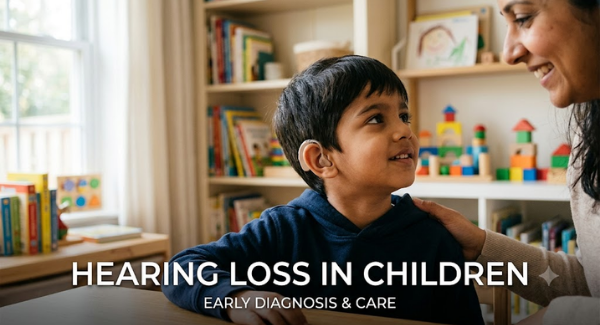
Hearing loss in children

Introduction

Hearing is one of the fundamental sensory gateways through which a child interacts with, interprets, and learns from their environment. Hearing impairment during early childhood—particularly during the critical language-acquisition window from birth to five years—can lead to profound delays in verbal communication, emotional bonding, and intellectual growth. Global epidemiological data indicate that one to three per thousand live births present with congenital hearing loss, while many more develop acquired or progressive auditory deficits during early childhood. While modern medicine relies predominantly on surgical interventions such as tympanostomies, ossiculoplasties, and cochlear implants, or mechanical amplification via hearing aids, complementary holistic approaches are increasingly sought to optimise auditory nerve function, manage middle ear pathologies, and enhance overall quality of life. Ayurveda, the traditional science of medicine, offers a nuanced framework for understanding auditory dysfunction. Viewing the ear (Shrotrendriya) as a principal seat of Vata dosha located within the head (Uttamanga), classical Ayurvedic texts provide a thorough understanding of aetiology, structural impairment, and channel obstruction, leading to structured, individual-centric therapeutic protocols.

What Is Childhood Hearing Loss?

Hearing loss occurs when the auditory system cannot detect or process sound normally. The auditory system includes the external ear, middle ear, cochlea, auditory nerve, and central auditory pathways. It is generally classified into three major categories.

  • Conductive hearing loss occurs when sound cannot travel efficiently through the external or middle ear. Earwax obstruction, middle-ear fluid, ear infections, perforation of the eardrum, or structural abnormalities can contribute to this form.
  • Sensorineural hearing loss develops when the cochlea or auditory nerve is affected. It may be congenital or acquired and can be permanent.
  • Mixed hearing loss contains both conductive and sensorineural components.

Another clinically important distinction is between unilateral and bilateral hearing loss. Even hearing impairment affecting only one ear may make it more difficult for a child to locate sounds or understand speech in noisy environments.

Causes of Hearing Loss in Children

Childhood hearing impairment has multiple possible causes, and identifying the underlying cause helps determine management.

Genetic Factors

Genetic conditions are an important cause of congenital or early-onset sensorineural hearing loss. Hearing impairment may occur independently or as part of a syndrome involving other organs. A child may have no obvious external abnormality despite having an inherited alteration affecting cochlear development or function.

Congenital Infections

Certain infections acquired during pregnancy can affect the developing auditory system. Congenital cytomegalovirus is an important example. Other infections, including rubella, can also contribute to childhood hearing impairment. Vaccination and appropriate maternal healthcare can reduce the risk associated with several preventable infectious causes.

Prematurity and Birth-Related Complications

Premature birth, very low birth weight, severe neonatal jaundice, prolonged intensive care, and certain complications around delivery may increase the risk of hearing impairment. These children may therefore require closer developmental and hearing surveillance.

Middle-Ear Disease

Otitis media and persistent fluid behind the eardrum are common causes of conductive hearing loss in childhood. The hearing reduction may fluctuate and can sometimes resolve after the underlying condition is appropriately treated. Repeated or persistent middle-ear problems nevertheless require assessment because prolonged hearing reduction during important language-learning periods can affect communication.

Severe Infections

Infections such as meningitis can damage the cochlea and cause permanent sensorineural hearing loss. Such children require hearing assessment even when hearing difficulty is not immediately obvious.

Ototoxic Exposure

Some medicines can potentially damage the inner ear. The risk varies according to the drug, dose, duration, route of administration, and individual susceptibility. Children receiving potentially ototoxic treatment may require hearing monitoring.

Excessive Noise

Repeated exposure to loud music, fireworks, machinery, or excessively loud personal audio devices can damage delicate cochlear structures. Safe listening practices are therefore relevant even during childhood.

Pathophysiology

The mechanism of hearing loss depends on the location of injury. These are as follows:

  • In conductive hearing loss, sound energy is reduced before it reaches the cochlea. For example, middle-ear fluid can restrict movement of the tympanic membrane and ossicles, decreasing transmission of sound vibrations.
  • In sensorineural hearing loss, the problem occurs within the cochlea or auditory nerve. Damage to cochlear hair cells can reduce the conversion of mechanical sound vibrations into neural signals. Because mature cochlear hair cells have very limited regenerative capacity in humans, significant damage may result in permanent hearing impairment.
  • Damage to the auditory nerve or central auditory pathways can additionally interfere with transmission or interpretation of sound signals.

In children, the consequences extend beyond the auditory pathway. Reduced access to sound during critical periods of language development may limit the auditory input needed for speech and language acquisition. Early identification and intervention can therefore substantially influence developmental outcomes.

Signs and Symptoms

Parents and teachers may be the first people to recognise a child’s hearing difficulty. In infants, warning signs can include limited response to loud sounds, failure to turn toward voices, inconsistent responses to familiar sounds, or delayed development of expected auditory behaviours. In toddlers and older children, signs may include:

  • Delayed speech development
  • Unclear pronunciation
  • Frequently asking others to repeat themselves
  • Difficulty following verbal instructions
  • Increasing the volume of television or mobile devices
  • Appearing inattentive in class
  • Difficulty hearing in noisy environments
  • Frequently watching the speaker’s face for visual clues
  • Academic difficulties without an obvious explanation

A child who develops sudden hearing loss, significant dizziness, severe ear pain, ear discharge, or neurological symptoms requires prompt medical evaluation.

Diagnosis and Hearing Assessment

A comprehensive assessment begins with the child’s medical and developmental history. Clinicians may ask about pregnancy, birth, neonatal complications, family history, recurrent ear infections, medication exposure, infections, trauma, and developmental milestones. An ENT examination evaluates the ear canal and tympanic membrane. Audiological testing is then selected according to the child’s age and ability to cooperate.

Otoacoustic emissions (OAE) assess cochlear function and are commonly used in newborn hearing screening. Auditory brainstem response (ABR/BERA) measures electrical responses along the auditory pathway and can be particularly useful for infants or children who cannot reliably participate in conventional behavioural testing. Older children may undergo pure-tone audiometry, speech audiometry, and tympanometry. Imaging or genetic testing may be recommended in selected cases. WHO recommends systematic hearing screening for newborns, infants, and school-age children because early identification allows earlier intervention.

Importance of Early Intervention

Early intervention is one of the most important principles in childhood hearing care. Untreated hearing loss can interfere with speech and language acquisition, educational participation, and social development. The goal is not simply to identify the hearing threshold but to provide the child with meaningful access to communication as early as possible. Depending on the child’s needs, intervention may involve amplification, auditory rehabilitation, speech-language therapy, sign language, communication training, educational accommodations, or a combination of approaches. Parents should also understand that hearing impairment does not imply reduced intelligence. Providing appropriate communication access can allow children with hearing loss to learn and participate effectively.

Modern Treatment and Management

Treatment is determined by the type and cause of hearing loss.

Management of Conductive Hearing Loss

When hearing loss results from earwax, middle-ear fluid, infection, or another treatable problem, management is directed toward the underlying cause. Some children may require medical treatment, while persistent middle-ear disease may occasionally require surgical intervention such as tympanostomy tube placement.

Hearing Aids

Children with permanent hearing loss who can benefit from amplification may be fitted with appropriately selected hearing aids. These devices amplify sound so that it becomes more accessible to the functioning auditory system. Regular audiological follow-up is important because children grow rapidly and their hearing needs can change.

Cochlear Implants

Children with severe-to-profound sensorineural hearing loss who receive insufficient benefit from hearing aids may be evaluated for cochlear implantation. Unlike a hearing aid, which amplifies sound, a cochlear implant bypasses damaged portions of the inner ear and electrically stimulates the auditory nerve. It does not restore normal hearing but can provide access to useful sound and speech information. Early implantation in appropriately selected children, followed by intensive rehabilitation, can support speech and language development.

Ayurveda Insight

In classical Ayurvedic literature, hearing loss in children is understood as Karnabadhirya, a condition categorised under the twenty-eight Karna Rogas and classified primarily as a Vata-predominant Nanatmaja Vyadhi. The auditory organ (Shrotrendriya) is considered an essential seat of Vata Dosha located in the head (Uttamanga), making it highly sensitive to physiological imbalances. The Ayurvedic pathophysiology (Samprapti) initiates when etiological factors—such as cold and dry diets, exposure to chilly winds, acoustic trauma, or neglected upper respiratory infections (Pratishyaya)—aggravate Prana Vayu and Kapha Dosha. These vitiated doshas travel upward into the head and pool within the sound-carrying channels (Shabdavaha Srotas). In pure Vataja presentations, the dry and degenerative nature of Vata causes atrophy of sensory nerve endings, closely mirroring sensorineural hearing loss. Conversely, when excess Kapha and unmetabolized metabolic waste (Ama) combine with Vata, they form an obstructive blockage (Avarana or Sanga) within the micro-channels, obstructing physical sound transmission in a manner analogous to conductive middle-ear effusion. Directing treatment toward pacifying Vata, clearing channel blockages through Srotoshodhana, and restoring micro-circulation via therapies like Karnapurana and Nasya helps protect residual hearing and support neural rehabilitation.

Role of Ayurvedic Ear Therapies

Traditional Ayurvedic procedures such as Karna Purana and the use of medicated oils are described for selected ear conditions. However, they should not be considered a universal treatment for childhood hearing loss. In particular, oil or other substances should not be placed into a child’s ear when there is ear discharge, suspected infection, tympanic membrane perforation, recent ear surgery, or an undiagnosed hearing problem. An ENT examination should precede any local ear procedure.

Herbal Remedies for Hearing Loss by Planet Ayurveda

Planet Ayurveda is a wellness brand dedicated to bringing traditional Ayurvedic principles into modern everyday life. Its range includes herbal and classical Ayurvedic formulations made with carefully selected natural ingredients. The brand focuses on supporting different aspects of wellness, including immunity, digestion, joint and bone health, skin care, and overall vitality. Planet Ayurveda combines traditional Ayurvedic knowledge with contemporary quality standards. Its formulations are designed to offer convenient and holistic support for healthy lifestyle practices. The brand aims to make Ayurveda more accessible and practical for people seeking natural wellness solutions. In this article, we will discuss some formulations for the management of Hearing loss in children. Let’s start!

  1. Ashwagandhaghan Vati
  2. Brahmi Chyawanprash
  3. Brahmi Vati (plain)
  4. Kumar Kalyan Ras
  5. Arvindasav

Herbal Remedies for Hearing Loss in Children
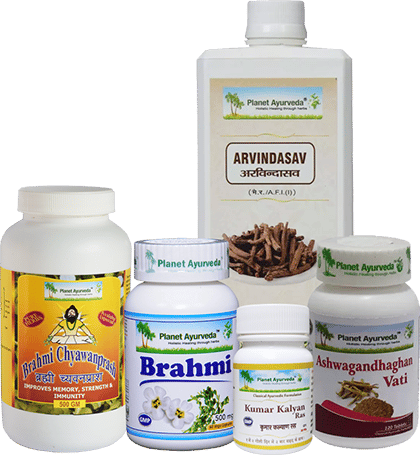
Buy Now Hearing loss - Care Pack

Buy Now Hearing loss - Care Pack

Product Description

1. Ashwagandhaghan Vati

Ashwagandhaghan Vati, prepared from concentrated Withania somnifera, is traditionally valued for its Rasayana (Rejuvenative), Balya (Strengthening), and Vata-pacifying actions. It may support healthy nerve function and help maintain the strength and nourishment of tissues involved in sensory processes. Its active withanolides have demonstrated antioxidant and neuroprotective properties, which may help protect cells from oxidative stress. Ashwagandha also supports healthy stress adaptation, energy levels, and overall neurological resilience. From an Ayurvedic perspective, its nourishing and Vata-balancing properties may be useful when weakness or Vata aggravation accompanies auditory difficulties in children.

Dosage: 1 tablet twice daily after meals with plain water.

2. Brahmi Chyawanprash

containing Brahmi along with Bilva, Agnimantha, Shyonaka, Kashmarya, Patala, Shalaparni and other herbs, may support children’s auditory and nervous-system health. Brahmi is traditionally considered Medhya Rasayana, supporting healthy nerve function and sensory processing. Its antioxidant properties may help protect neural tissues from oxidative stress. The nourishing Rasayana action of the formulation may support the tissues involved in sensory function during childhood growth. Its Vata-supportive properties are traditionally associated with maintaining normal nerve signalling and sensory coordination. Adequate nourishment and neurological resilience may be particularly relevant when a child has hearing difficulties. Thus, the formulation may provide holistic nutritional and neurological support for children with hearing impairment.

Dosage: ½ tsp twice daily after meals with Lukewarm milk/ water.

3. Brahmi Vati (Plain)

Brahmi Vati, containing Brahmi (Bacopa monnieri), Shankhapushpi (Convolvulus pluricaulis), Vacha (Acorus calamus), Maricha (Piper nigrum), Gojihva (Onosma bracteatum), Swarna Makshika Bhasma, and Ras Sindoor, is traditionally described as supporting Medhya, Vata-balancing, and nervous-system functions. Brahmi and Shankhapushpi are valued for supporting cognitive and neurological activity involved in sensory processing. Vacha is traditionally associated with maintaining clarity of sensory functions and Vata regulation. Maricha may support digestion and the bioavailability of accompanying herbal constituents. Swarna Makshika Bhasma is traditionally used for nourishment and strength of body tissues. These actions may provide supportive neurological and sensory nourishment relevant to children experiencing hearing difficulties.

Dosage: 1 tablet twice daily after meals with Plain water.

4. Kumar Kalyan Ras

Kumar Kalyan Ras, a classical Ayurvedic herbo-mineral formulation, commonly contains Swarna Bhasma, Mukta/Moti Bhasma, Abhrak Bhasma, Loha Bhasma, Swarna Makshika Bhasma, and Ras Sindoor, with variations between classical preparations and manufacturers. Traditionally, these ingredients are used for Balya (strengthening) and Rasayana (Rejuvenative) support, helping maintain strength, nourishment, and overall development in children. For hearing difficulties, its traditional role is better understood as supportive nourishment for the nervous and sensory systems rather than a direct action on the cochlea or auditory nerve. Some ingredients are traditionally considered Vata-supportive, which is relevant to the Ayurvedic understanding of sensory function.

Dosage: 1 tablet once daily after meals with water or as advised by a physician.

5. Arvindasav

Arvindasav, a classical Ayurvedic formulation containing Arjuna (Terminalia arjuna), Ashwagandha (Withania somnifera), Bala (Sida cordifolia), Shatavari (Asparagus racemosus), Mustak (Cyperus rotundus), and Draksha (Vitis vinifera), is traditionally used as a Balya (Strengthening) and Rasayan (Rejuvenative) preparation to support nourishment, strength, and healthy development in children. Its nourishing herbs may support overall neurological vitality and tissue health, which are relevant to normal sensory development. From an Ayurvedic perspective, maintaining balanced Vata and adequate Dhatu (Tissue) nourishment is considered important for sensory functions such as hearing. Arvindasav may therefore be considered supportive in a broader Ayurvedic approach when weakness or nutritional concerns accompany hearing difficulties. Childhood hearing loss, however, has diverse causes including genetic factors, infections, middle-ear disease, and birth-related complications. Early hearing assessment and timely intervention are important because untreated hearing loss can affect speech, language, learning, and social development.

Dosage: 2 tsp twice daily after meals with Lukewarm water.

Prevention of Childhood Hearing Loss

Prevention begins before birth and continues throughout childhood. Appropriate maternal healthcare, immunisation, prevention of congenital infections, safe use of medicines, and prompt management of ear diseases can reduce avoidable risks. Children should also be protected from unnecessary loud noise. Personal audio devices should be used at safe volumes, and prolonged exposure to loud environments should be minimised. Parents should never insert cotton buds, sharp objects, or home remedies into the ear canal. Recurrent ear infections and persistent hearing concerns should be evaluated rather than repeatedly managed at home. WHO’s 2026 World Hearing Day campaign specifically emphasises prevention, early identification, and access to hearing care through community and school settings.

Role of Parents and Teachers

Parents and teachers have a major role in recognising subtle hearing difficulties. A child who has difficulty hearing in a noisy classroom may appear inattentive or academically weak even though the underlying problem is auditory. Preferential seating, reducing background noise, speaking clearly, using visual material, and confirming that instructions have been understood can improve classroom participation. Families should also maintain regular audiological follow-up when hearing aids or cochlear implants are used. Emotional support is equally important. Children should be encouraged to communicate openly about hearing difficulties and should not be made to feel embarrassed about using hearing devices or alternative communication methods.

Conclusion

Childhood hearing loss has diverse causes and can influence communication, learning, social participation, and development. Conductive problems may sometimes be reversible, whereas sensorineural hearing loss may require long-term amplification, cochlear implantation, or other communication support. The most important principles are early screening, accurate diagnosis, timely intervention, rehabilitation, and continuous developmental support. WHO emphasises that prevention and early care can substantially reduce the impact of childhood hearing loss. From an Ayurvedic perspective, childhood ear disorders can be understood within the framework of Karna Roga, Vata Dosha, Shravana Indriya, Agni, and individualised health assessment. Ayurvedic dietary and lifestyle measures may provide supportive care, but they should be integrated responsibly with evidence-based audiological and ENT management. Ultimately, the objective is not merely to improve hearing measurements but to ensure that every child has the best possible opportunity to communicate, learn, participate, and develop with confidence.
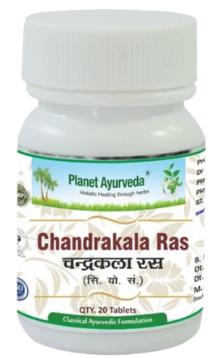
Chandrakala Rasa : Ingredients, Preparation, Ayurvedic Properties, Indications & Dosages

Abstract

Urinary disorders such as Mutrakrcchra (dysuria) and Raktapitta (bleeding disorders) described in Ayurveda occur due to vitiation of Pitta and Rakta Doshas, leading to inflammation, burning sensation, and disturbed fluid metabolism in Mutravaha Srotas (urinary channels). Chandrakala Rasa, a classical herbo-mineral formulation is renowned for its potent Pittashamaka (Pitta-pacifying), Raktashodhaka (blood-purifying), and Mutrala (diuretic) properties. It primarily acts on Rakta and Mutravaha Srotas (microchannels associated with blood and urinary system, cooling and cleansing the urinary system while promoting smooth urine flow. By pacifying Pitta and supporting Rakta Dhatu (blood tissues), Chandrakala Rasa serves as a comprehensive Ayurvedic remedy for urinary and bleeding disorders, ensuring internal cooling, tissue regeneration, and overall Pittaja Shamana (balance of aggravated Pitta).

Introduction

Chandrakala Ras is a classical Rasoushadh (herbo-mineral formulation) described in authoritative Ayurvedic texts under Mutrakrcchra Chikitsa Adhyaya (chapter on urinary disorders). The name “Chandrakala” signifies the cooling, soothing, and restorative qualities of the moon, symbolizing its profound efficacy in pacifying aggravated Pitta and Rakta Dosha within the urinary and reproductive systems. It is indicated in disorders such as Mutrakrcchra (dysuria), Mutraghata (urinary retention), Raktameha (hematuria), and Prameha (urinary disorders including diabetes).
This formulation acts as a potent Pittashamak (Pitta-pacifying), Mutral (diuretic), and Rasayana (rejuvenative) medicine, offering cooling and detoxifying action on the urinary tract. By alleviating inflammation, burning sensation, and urinary discomfort, Chandrakala Ras helps restore the normal flow of urine and ensures the proper balance of Dosha in Mutravaha Srotas (urinary channels). Its holistic impact extends to strengthening renal function, reducing oxidative stress, and enhancing systemic vitality, making it a valuable remedy for urinary and metabolic disorders rooted in Pitta vitiation.

Classical Indication

Mutrakrcchra (dysuria)

Ingredients

  1. Suta (Parada Shuddha) – Purified Mercury – 12 g
  2. Tamra Bhasma – Calcined Copper – 24 g
  3. Abhraka Bhasma – Calcined Mica – 12 g
  4. Gandhaka Shuddha – Purified Sulphur – 12 g
  5. Musta Kwatha – Decoction of Cyperus rotundus – Q.S. for Bhavana (trituration)
  6. Dadima Svarasa – Fresh Juice of Punica granatum (Pomegranate) – Q.S. for Bhavana (trituration)
  7. Durva Svarasa – Fresh Juice of Cynodon dactylon (Bermuda grass) – Q.S. for Bhavana (trituration)
  8. Ketaki Svarasa – Fresh Juice of Pandanus odoratissimus – Q.S. for Bhavana (trituration)
  9. Stamaja Drava (Go Dugdha) – Cow’s Milk – Q.S. for Bhavana (trituration)
  10.  Sahadevi – Vernonia cinerea – Q.S. for Bhavana (trituration)
  11.  Kumari – Aloe vera – Q.S. for Bhavana (trituration)
  12.  Parpata – Fumaria indica – Q.S. for Bhavana (trituration)
  13.  Ramasitalika Toya – water of Ramasitalika – Q.S. for Bhavana (trituration)
  14.  Shatavari Rasa – Juice of Asparagus racemosus – Q.S. for Bhavana (trituration)
  15.  Tikta (Katuka) – Picrorhiza kurroa (Root) – 12 g
  16.  Guduchi Sattva – Tinospora cordifolia (Extract) – 12 g
  17.  Parpata – Fumaria indica (Whole plant) – 12 g
  18.  Usira – Vetiveria zizanioides – 12 g
  19.  Madhavi – Hiptage benghalensis – 12 g
  20.  Srigandha (Sveta Candana) – Santalum album (White sandalwood) – 12 g
  21.  Sariva (Sveta Sariva) – Hemidesmus indicus – 12 g
  22.  Draksha Kashaya – Decoction of Vitis vinifera (Grapes) – Q.S. for Bhavana (trituration)

Chandrakala Rasa

Buy Now Chandrakala Rasa

 Chandrakala Rasa

Description of the Ingredients

1. Suta (Purified Mercury)

Is a potent Rasadravya possessing Yogavahi (catalytic) and Rasayana (rejuvenative) properties. It exhibits Madhura (sweet) and Tikta (bitter) Rasa, Snigdha (unctuous) and Sara (mobile) Guna. The metallic microform of mercury enhances cellular rejuvenation and acts as a carrier for other ingredients, ensuring deeper tissue penetration. In Chandrakala Rasa, it aids in pacifying aggravated Pitta and Rakta Dosha, regulates metabolism, and promotes smooth urine flow by cleansing the Mutravaha Srotas (urinary channels). The elemental property of mercury supports diuretic action, reducing burning micturition and inflammation associated with Mutrakrichha (urinary difficulty).

2. Tamra Bhasma – Calcined Copper

Tamra Bhasma (Calcined Copper) possesses Tikta (bitter) and Kashaya (astringent) Rasa, Laghu (light) and Ruksha (dry) Guna, Ushna Virya (hot potency), and Katu Vipaka (pungent post-digestive effect). It has a strong Lekhana (scraping) and Shothahara (anti-inflammatory) effect, making it effective in removing excess Pitta and Rakta Dushti (vitiation of blood). Bioactive copper ions assist in enzymatic detoxification, enhance liver function, and regulate lipid metabolism. In Chandrakala Rasa, it reduces burning sensation during urination and supports blood purification by improving the microcirculation of the Mutravaha Srotas. Its antimicrobial and astringent actions help prevent infection in Mutraghata (urinary retention) and Rakta-Pitta (bleeding disorders).

3. Abhraka Bhasma – Calcined Mica

Abhraka Bhasma (Calcined Mica) is a Rasayana renowned for its Balya (strengthening), Deepana (digestive stimulant), and Mutrala (diuretic) effects. It has Madhura (sweet) and Kashaya (astringent) Rasa, Laghu (light) and Snigdha (unctuous) Guna, and Madhura Vipaka (sweet post-digestive effect). Chemically rich in potassium, magnesium, and silicates, it rejuvenates urinary and reproductive tissues while maintaining electrolyte balance. In Chandrakala Rasa, it strengthens the Mutravaha Srotas (urinary microchannels) and enhances urinary output, reducing Daha (burning) and Shoola (pain) in Mutrakrichha (dysuria). It also stabilizes Pitta in the blood, preventing hematuria and promoting tissue healing.

4. Gandhaka Shuddha – Purified Sulphur

Gandhaka (Purified Sulphur) is known for its Krimighna (antimicrobial), Vishaghna (detoxifying), and Rakta-Pitta Shamaka (blood and Pitta pacifying) qualities. It has Tikta (bitter) and Madhura (sweet) Rasa, Snigdha (unctuous) Guna, Ushna Virya (hot potency), and Madhura Vipaka (sweet post-digestive effect). Sulphur compounds act as natural antimicrobials and antioxidants, detoxifying urinary and blood channels. In Chandrakala Rasa, Shuddha Gandhaka purifies Rakta Dhatu, alleviates Pittaja Daha (burning), and relieves Mutrakrichha by soothing mucosal irritation. It also supports regeneration of urinary epithelium, preventing infection and inflammation of the bladder.

5. Musta Kwatha – Decoction of Cyperus rotundu

Musta (Cyperus rotundus) is Tridosha Shamak with a special affinity for Pitta and Kapha. It has Tikta (bitter) and Katu (pungent) Rasa, Laghu (light) and Ruksha (dry) Guna, and Sheeta Virya (cold potency). Its main bioactive compounds—cyperol and rotundone—act as anti-inflammatory and diuretic agents. In Chandrakala Rasa, Decoction of Cyperus rotundus aids Bhavana (trituration) by imparting deep cooling and detoxifying effects, relieving Mutradaha (urinary burning) and Pittaja Shoola (heat-related pain). It purifies the Rakta Dhatu (blood tissues) and stabilizes urinary output, preventing recurrence of Mutrakrichha.

6. Dadima Svarasa (Fresh Juice of Punica granatum – Pomegranate)

Dadima Svarasa, extracted from the fresh fruit of Punica granatum (Pomegranate), is Madhura-Amla Rasa (sweet-sour taste) dominant with Laghu (light) and Snigdha (unctuous) Guna, Sheeta Virya (cooling potency), and Madhura Vipaka (sweet post-digestive effect). It primarily pacifies Pitta and Vata Dosha while nourishing Rakta Dhatu (blood tissue) and mutravaha srotas (urinary channels).
In Chandrakala Ras, Dadima Svarasa (Pomegranate juice) acts as a natural raktaprasadaka (blood purifier) and pittashamaka (coolant). Its bioactive constituents— punicalagin, ellagic acid, and anthocyanins— exhibit potent antioxidant and anti-inflammatory actions, soothing the inflamed urinary mucosa in Mutrakrichha (dysuria). By stabilizing oxidative stress and reducing microbial load, Dadima helps prevent burning micturition and Pitta-Rakta Dushti (deranged heat and blood vitiation) that commonly manifest as mutrakricchra, mutra daha (burning urine), and raktamutra (hematuria).

7. Durva Svarasa (Fresh Juice of Cynodon dactylon – Bermuda Grass)

Durva Svarasa, obtained from the fresh shoots of Cynodon dactylon (Bermuda grass), possesses Kashaya-Tikta Rasa (astringent-bitter taste), Laghu (light) and Ruksha (dry) Guna, Sheeta Virya (cool potency), and Katu Vipaka (pungent post-digestive effect). It pacifies Pitta and Rakta Dushti (vitiated heat and blood) and acts as a Mutrala (diuretic) and Rakta-stambhaka (hemostatic).
In Chandrakala Ras, Durva’s fresh juice functions as a Pitta-pacifying coolant, effectively reducing Mutra Daha (burning micturition) and Raktamutrata (blood in urine). The active phytoconstituents such as β-sitosterol, flavonoids, and alkaloids exhibit diuretic, anti-inflammatory, and antioxidant activities. They soothe the urinary tract mucosa, alleviate inflammation, and promote clear urine flow by balancing aggravated Pitta Dosha and detoxifying Rakta Dhatu (blood tissues).

8. Ketaki Svarasa (Fresh Juice of Pandanus odoratissimus – Kewda Flower)

Ketaki Svarasa is derived from the fragrant flowers of Pandanus odoratissimus (Kewda). It has Madhura-Tikta Rasa (sweet-bitter taste), Laghu (light) and Snigdha (unctuous) Guna, Sheeta Virya (cool potency), and Madhura Vipaka (sweet post-digestive effect). It primarily pacifies Pitta and nourishes the Rakta Dhatu.
In Chandrakala Ras, Ketaki Svarasa (juice of Kewda Flower) serves as a Tridosha-shamaka dravya with special affinity for the urinary system. The presence of phenolic compounds, flavonoids, and essential oils (notably linalool and methyl ether) grants it potent anti-inflammatory and soothing effects. It alleviates Pittaja Mutrakrichha (urinary irritation due to excess Pitta), reduces daha (burning sensation), and refreshes both the urinary and reproductive systems by enhancing natural diuresis and restoring balance in Rakta Pitta.

9. Stamaja Drava (Go Dugdha – Cow’s Milk)

Go Dugdha, or cow’s milk, holds a revered place in Ayurveda for its Pitta-shamaka (Pitta pacifying), Rakta-prasadaka (blood-purifying), and Balya (strength-promoting) properties. It possesses Madhura Rasa (sweet taste), Snigdha (unctuous) and Mridu (soft) Guna, Sheeta Virya (cool potency), and Madhura Vipaka (sweet post-digestive effect).
In Chandrakala Ras, cow’s milk acts as the Anupana (vehicle) and Bhavana dravya that enhances the cooling, nourishing, and rejuvenating effects of the formulation. Rich in lactalbumin, casein, calcium, and immunoglobulins, it strengthens urinary and reproductive tissues, pacifies burning sensations, and cools down Pitta-aggravated Rakta Dhatu. Its bioactive peptides also provide anti-inflammatory and cytoprotective support to urinary epithelium, aiding in chronic Mutrakrichha and Rakta Pitta conditions.

10. Sahadevi (Vernonia cinerea – Purple Fleabane)

Sahadevi, botanically known as Vernonia cinerea, is described in Ayurvedic texts as Tridosha-shamaka with special efficacy in Mutrakrichha (urinary retention and burning). It has Tikta-Kashaya Rasa (bitter-astringent taste), Laghu (light) and Ruksha (dry) Guna, Ushna Virya (hot potency), and Katu Vipaka (pungent post-digestive effect).
In Chandrakala Ras, Sahadevi serves as a Mutrala (diuretic) and Shothahara (anti-inflammatory) agent. Its active components — flavonoids, sesquiterpene lactones, and sterols — exhibit strong diuretic and anti-inflammatory activity that clear the urinary channels, reduce microbial irritation, and normalize urine flow. It supports the detoxification of Pitta and blood, particularly in burning micturition and reddish urine associated with Rakta Pitta.

11. Kumari (Aloe vera – Indian Aloe)

Kumari, known as Aloe vera, is one of the foremost Pittashamaka (Pitta pacifying) and Rakta-shodhaka (blood-purifying) herbs in Ayurveda. It has Tikta (bitter) and Madhura (sweet) Rasa, Snigdha (unctuous) and Sara (mobile) Guna, Sheeta Virya (cool potency), and Madhura Vipaka (sweet post-digestive effect).
In Chandrakala Ras, Kumari aids in cooling and detoxifying the urinary system, soothing inflammation of the urinary bladder, and normalizing urine pH. The bioactive constituents aloin, barbaloin, and emodin exhibit anti-inflammatory, nephroprotective, and antioxidant properties. These help alleviate Mutrakrichha (painful urination), reduce daha (burning), and purify the Rakta Dhatu, promoting systemic cooling and rejuvenation of Pitta-aggravated tissues.

12. Parpata (Fumaria indica — whole plant)

Parpata (Fumaria indica) is Tikta-Kashaya Rasa (bitter-astringent taste), Laghu (light) and Ruksha (dry) Guna, Sheeta Virya (cooling potency), and Katu Vipaka (pungent post-digestive effect). It is classically described as Pitta-shamaka (Pitta-pacifying) and Raktashodhaka (blood-purifying) with mild Mutrala (diuretic) action. In Chandrakala Rasa, Parpata (Fumaria indica) imparts hepatoprotective and blood-cleansing qualities: its active isoquinoline alkaloids (e.g., fumaricine) and phenolics support bile flow, reduce systemic Pitta (heat), detoxify Rakta (blood), and ease burning micturition (Mutradaha) by decreasing mucosal inflammation and promoting gentle diuresis.

13. Ramasitalika Toya (Water of Ramasitalika — sacred/mineral spring water –for Bhavana (trituration)

Ramasitalika Toya (water of Ramasitalika) functions as a Sheeta (cooling) and Shodhana (cleansing) Bhavana (trituration) medium with Laghu (light) and Snigdha (unctuous) subtle effects. As a vehicle for repeated Bhavana (trituration), Ramasitalika Toya (spring water) imparts cooling, electrolyte-balancing and demulcent properties to the final product. In Mutrakrichha (urinary disorders) and Pitta-Rakta vitiation, such mineral-rich cooling water soothes internal burning (Daha), helps restore urinary mucosal integrity, and diminishes Pitta-mediated inflammatory mediators via ionic and buffering action that favours diuresis and mucosal repair.

14. Shatavari Rasa (Juice of Asparagus racemosus — Shatavari juice) –for Bhavana (trituration)

Shatavari Rasa (Juice of Asparagus racemosus) is Madhura-Tikta Rasa (sweet-bitter taste), Snigdha (unctuous) and Mridu (soft) Guna, Sheeta Virya (cooling potency), and Madhura Vipaka (sweet post-digestive effect). It is a classical Rasayana (rejuvenator) and Mutrala (diuretic) that nourishes Dhatus (tissues) and soothes Pitta. In Chandrakala Rasa, Shatavari Rasa provides mucoprotective and epithelial-regenerative action: steroidal saponins (shatavarin) and polysaccharides enhance urinary tract mucosal healing, reduce Pitta-induced irritation, support haemostasis in minor Rakta (blood) disturbances, and restore proper urine flow in Mutrakrichha.

15. Tikta (Katuka — Picrorhiza kurroa root)

Tikta (Katuka — Picrorhiza kurroa) is Tikta Rasa (bitter taste), Laghu (light) and Ruksha (dry) Guna, Sheeta Virya (cooling potency), and Katu Vipaka (pungent post-digestive effect). It is a potent Pitta-shamaka (Pitta-pacifying) and Yakritodarak (hepato-protective) herb. In Chandrakala Rasa, Katuka (Picrorhiza) works by correcting metabolic Pitta and cleansing Rakta (blood) through its iridoid glycosides (picroside I and II), which exhibit hepatoprotective, anti-inflammatory and immunomodulatory effects—thereby reducing systemic heat load, improving bile/urinary metabolism, and easing Mutrakrichha related to Pitta–Rakta imbalance.

16. Guduchi Sattva (Tinospora cordifolia extract)

Guduchi Sattva (Tinospora cordifolia extract) is Tikta-Madhura Rasa (bitter-sweet taste), Laghu (light) and Snigdha (unctuous) Guna, Ushna–Sheeta (complex thermogenic-cooling) effects clinically leaning to Sheeta Virya (cooling effect in practice), and Madhura Vipaka (sweet post-digestive effect). It is a classical Raktashodhaka (blood-purifier) and immunomodulator. In Chandrakala Rasa, Guduchi Sattva mediates anti-inflammatory, antioxidant and immunoregulatory mechanisms via diterpenoid glycosides (tinosporaside) and alkaloids; these actions reduce Pitta-driven inflammation, stabilize Rakta (prevent oozing/hematuria), and promote renal resilience and diuresis—thereby alleviating Mutrakrichha and aiding systemic detoxification.

17. Parpata (Fumaria parviflora – Fumitory)

Parpata, known as Fumaria parviflora, is a renowned Pittashamaka (Pitta pacifying) and Raktaprasadaka (blood-purifying) herb mentioned in classical Ayurvedic texts for its cooling and detoxifying properties. It possesses Tikta (bitter) and Kashaya (astringent) Rasa, Laghu (light) and Ruksha (dry) Guna, and Sheeta Virya (cold potency) with Katu Vipaka (pungent post-digestive effect).
In Chandrakala Ras, Parpata plays a vital role in pacifying aggravated Pitta and Rakta Dosha, thereby supporting conditions like Raktapitta (bleeding disorders), Daha (burning sensation), and Mutrakrichha (painful urination). Its bioactive compounds such as fumaric acid, alkaloids, and flavonoids exhibit hepatoprotective, anti-inflammatory, and antioxidant activities. These actions collectively purify Rakta Dhatu, enhance liver function, and reduce heat and toxins from the system, promoting internal cooling, detoxification, and tissue rejuvenation.

18. Usira (Vetiveria zizanioides — Vetiver root — 12 g)

Usira (Vetiver root) possesses Tikta-Madhura Rasa (bitter-sweet taste), Laghu (light) and Snigdha (unctuous) Guna, Sheeta Virya (cooling potency), and Madhura Vipaka (sweet post-digestive effect). It acts as a Pitta-shamaka (Pitta-pacifying), Raktaprasadaka (blood-cooling and purifying), and Mutrala (diuretic) agent. In Chandrakala Rasa, Usira provides a cooling and soothing effect on urinary and vascular channels, alleviating burning micturition (Mutradaha) and Raktapitta (bleeding tendencies). The sesquiterpenoids (vetiverol, khusimol) and essential oils exhibit anti-inflammatory, antioxidant, and antimicrobial actions that protect urinary epithelial tissues and normalize heat dissipation in Pitta-vitiated states.

19. Madhavi (Hiptage benghalensis — Whole plant)

Madhavi (Hiptage benghalensis) is Tikta-Kashaya Rasa (bitter-astringent taste), Laghu (light) and Ruksha (dry) Guna, Sheeta Virya (cooling potency), and Katu Vipaka (pungent post-digestive effect). It is well recognized for its Pitta-Rakta Shamaka (Pitta and blood cooling) and Vranashodhana (wound cleansing) properties. In Chandrakala Rasa, Madhavi acts as a natural antioxidant and anti-inflammatory herb due to the presence of flavonoids and phenolic acids. It aids in healing urinary tract inflammation, soothes Rakta Dushti, and reduces Pitta-induced burning sensations in Mutrakrichha through systemic cooling and antimicrobial support.

20. Srigandha (Sveta Candana — Santalum album — White Sandalwood)

Srigandha (Sveta Candana — White Sandalwood) possesses Tikta-Madhura Rasa (bitter-sweet taste), Laghu (light) and Snigdha (unctuous) Guna, Sheeta Virya (cooling potency), and Madhura Vipaka (sweet post-digestive effect). It is one of the most potent Pittashamaka (cooling and Pitta-pacifying) and Raktaprasadaka (blood purifying) dravyas in Ayurveda. In Chandrakala Rasa, Srigandha acts as a urinary refrigerant and soother of burning sensation due to its essential oil component santalol, which exhibits antiseptic and anti-inflammatory effects on the urinary tract. It helps in reducing Raktadushti (blood impurity), Pitta hyperactivity, and urinary tract irritation while providing a calming aromatic influence.

 21. Sariva (Sveta Sariva — Hemidesmus indicus — Indian Sarsaparilla)

Sariva (Hemidesmus indicus) is Madhura-Tikta Rasa (sweet-bitter taste), Guru (heavy) and Snigdha (unctuous) Guna, Sheeta Virya (cooling potency), and Madhura Vipaka (sweet post-digestive effect). It is celebrated as a Raktashodhaka (blood purifier), Mutrala (diuretic), and Dahaprashamana (reliever of burning sensation). In Chandrakala Rasa, Sariva works synergistically to soothe Pitta and Rakta vitiation while detoxifying the urinary system. Its key active constituents — hemidesmin and saponins — offer antioxidant and anti-inflammatory properties that reduce hematuria, burning urination, and cutaneous heat manifestations linked with Pitta Dushti (vitiation of Pitta).

22. Draksha Kashaya (Vitis vinifera — Grape decoction — Q.S. for Bhavana)

Draksha Kashaya (Grape decoction) has Madhura Rasa (sweet taste), Guru (heavy) and Snigdha (unctuous) Guna, Sheeta Virya (cooling potency), and Madhura Vipaka (sweet post-digestive effect). It acts as a Pittashamaka (cooling Pitta pacifier), Raktaprasadaka (blood tonic), and Mutrala (gentle diuretic). In Chandrakala Rasa, Draksha Kashaya serves as a natural rejuvenator that replenishes fluids, soothes the urinary tract, and alleviates Rakta-Pitta disorders. Resveratrol, flavonoids, and tannins present in grapes exhibit antioxidant and anti-inflammatory effects that protect renal epithelial cells, restore urine flow, and reduce Pitta-induced burning and inflammation in Mutrakrichha (dysuria).

Method Of Preparation

  • Prepare Kajjali by triturating purified Parada (Mercury) and Gandhaka (Sulphur).
  • Add Tamra Bhasma and Abhraka Bhasma to the Kajjali.
  • Give seven Bhavana (triturations) each with Musta Kwatha, Dadima Svarasa, Durva Svarasa, Ketaki Svarasa, Go Dugdha, Sahadevi, Kumari, Parpata, Ramasitalika Toya, Shatavari Rasa, and Draksha Kashaya.
  • Thereafter, add powdered ingredients from 15 to 21 (Katuka, Guduchi Sattva, Parpata, Usira, Madhavi, Srigandha, Sariva) and mix uniformly.

Medicinal Properties

  • Raktapitta (Bleeding Disorders): With Mishri Jala – cools the system, purifies Rakta, and stops internal bleeding.
  • Mutrakrichha (Painful Urination): With Gokshura Kwath – relieves burning and eases urinary flow.
  • Mutraghata (Urinary Retention): With Punarnava Swarasa – reduces inflammation and promotes urination.
  • Daha (Burning Sensation): With Usheerasava – pacifies aggravated Pitta and provides cooling relief.
  • Pittaj Jwara (Fever due to Pitta): With Dhanyakadi Kwath – lowers temperature and detoxifies blood.
  • Raktadosha (Impurities in Blood): With Guduchi Swarasa – acts as a blood purifier and enhances immunity.
  • Twak Vikara (Skin Disorders): With Neem Patra Swarasa – clears Pitta-induced skin rashes and eruptions.
  • Pradara (Leucorrhea / Excessive Vaginal Discharge): With Lodhra Churna & Honey – strengthens uterine tissues and controls discharge.
  • Pittaj Atisara (Pitta-type Diarrhea): With Musta Churna & Buttermilk – reduces burning, restores digestion, and checks loose stools.
  • Kshata-Kshina (Pitta-induced Weakness): With Shatavari Kalka & Milk – nourishes tissues and promotes healing.

Impact on Dosha

Chandrakala Ras is a classical herbo-mineral formulation primarily known for its Pitta-shamaka (Pitta pacifying) and Rakta-prasadaka (blood-purifying) properties. It exerts a Tridoshaghna (balancing all three doshas) action with a dominant effect on Pitta and Vata. The formulation possesses Sheeta Virya (cold potency) and Madhura-Tikta Rasa (sweet-bitter taste), which counteract the excessive Ushna (heat) and Tikshna (sharpness) qualities of aggravated Pitta.

Indications

  • Pittaroga – Disorders caused by aggravated Pitta Dosha (heat and bile-related conditions).
  • Vatapittaroga – Diseases involving vitiation of both Vata and Pitta Dosha, particularly those affecting urinary and nervous systems.
  • Antardaha – Internal burning sensation due to excessive Pitta.
  • Bahyadaha – External burning sensation on skin or extremities.
  • Mahatapa – High-grade fever or excessive internal heat.
  • Jvara – Fever with predominant Pitta Dosha.
  • Mutrakṛcchra – Painful and burning urination (urinary tract infections, cystitis).
  • Raktapradara – Excessive or irregular uterine bleeding (menorrhagia or metrorrhagia).
  • Urdhvagatarakta Pitta – Upward movement of vitiated blood and Pitta, causing bleeding from nose, mouth, or eyes.
  • Pitta – General Pitta aggravation leading to heat-related disorders.
  • Raktavikara – Disorders of the blood such as inflammation, eruptions, and toxins.
  • Mutradaha – Burning micturition.
  • Mutrakrcchra – Strangury or difficulty in urination.

Dosage

Dosage: 250 mg once or twice daily.

Contraindications

Should be taken only under Ayurvedic physician supervision.

Conclusion

Chandrakala Rasa is a classical herbo-mineral formulation renowned for its Pittashamaka (Pitta pacifying), Raktashodhaka (blood-purifying), and Mutravirechaka (urinary cleansing) actions. Acting mainly on the Mutravaha (urinary) and Raktavaha Srotas (blood channels), it cools and detoxifies the system while relieving Daha (burning), Mutrakrichha (painful urination), and Raktapitta (bleeding disorders). By balancing Pitta and Rakta and soothing inflamed tissues, Chandrakala Rasa effectively restores urinary health and systemic equilibrium.