What is dendritic cell therapy for cancer and how can it be used along with Ayurveda to help patients?
Abstract
Dendritic cell therapy is an advanced form of cancer immunotherapy that aims to stimulate the body’s immune system to recognize and fight cancer cells more effectively. Dendritic cells are specialized immune cells responsible for capturing foreign or abnormal antigens and presenting them to T-cells, thereby initiating a targeted immune response. In cancer treatment, dendritic cells are collected from the patient, exposed to tumor-specific antigens in a laboratory, and then reintroduced into the body to enhance the immune system’s ability to identify and destroy cancer cells. When used alongside conventional cancer therapies, Ayurveda may provide supportive care by improving overall vitality, strengthening digestion and metabolism, reducing treatment-related fatigue, and enhancing quality of life. Ayurvedic herbs, dietary measures, lifestyle modifications, and rejuvenative therapies may help support immune health and maintain physical and emotional well-being during cancer treatment. This article explores the principles of dendritic cell therapy and discusses how an integrative approach with Ayurveda may offer complementary support for cancer patients.
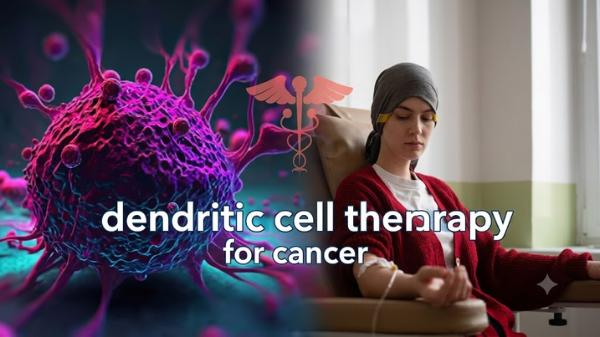
Introduction
Cancer is one of the leading causes of illness and death worldwide, and its treatment often involves surgery, chemotherapy, radiation therapy, targeted therapy, and immunotherapy. Among these modern approaches, immunotherapy has gained significant attention because it works by empowering the patient’s own immune system to combat cancer. Dendritic cell therapy is a promising type of immunotherapy that uses the body’s natural defense mechanisms to identify and attack malignant cells. Dendritic cells act as the “messengers” of the immune system. They collect antigens from abnormal cells and present them to T-cells, which then launch a targeted immune response against cancer cells. This personalized approach has shown potential in certain types of cancers and is being studied extensively for its effectiveness and safety. Ayurveda, the traditional system of medicine, emphasizes maintaining balance within the body, strengthening immunity, and promoting overall health. While Ayurveda is not a substitute for conventional cancer treatment, it may be used as a supportive therapy to help patients cope with the physical and emotional challenges associated with cancer and its treatment. An integrative approach combining dendritic cell therapy with appropriate Ayurvedic care may help improve patient comfort, resilience, and overall well-being under proper medical supervision.
Statistics About Dendritic Cell Therapy for Cancer
- Dendritic cell therapy is a rapidly growing area of cancer immunotherapy, with hundreds of clinical trials conducted worldwide to evaluate its effectiveness in different cancers.
- More than 1,000 clinical studies related to dendritic cell vaccines have been registered globally, reflecting increasing research interest in this personalized therapy.
- Dendritic cell therapy has been investigated in cancers such as prostate cancer, melanoma, lung cancer, breast cancer, and brain tumors.
- In certain studies, dendritic cell-based vaccines have shown the ability to stimulate tumor-specific T-cell responses, helping the immune system recognize and attack cancer cells.
- Sipuleucel-T, a dendritic cell-based immunotherapy for advanced prostate cancer, became one of the first FDA-approved cellular immunotherapies, demonstrating the clinical potential of this approach.
- Research suggests that dendritic cell therapy may improve immune activation and progression-free survival in some cancer patients, although results vary depending on the cancer type and stage.
- Dendritic cell therapy is generally associated with fewer severe side effects compared to some conventional cancer treatments, as it is designed to target cancer cells through the body’s own immune mechanisms.
- The global cancer immunotherapy market, which includes dendritic cell therapy, is projected to grow significantly in the coming years due to increasing demand for personalized and targeted cancer treatments.
Facts about dendritic cell therapy
The first dendritic cells were discovered only in 1973
Despite their crucial role in immunity, these cells were unknown to science until relatively recently.
A single dendritic cell can activate thousands of immune cells
One activated dendritic cell has the remarkable ability to stimulate a large number of T-cells, amplifying the body’s immune response against cancer.
Cancer can ‘hide’ from dendritic cell
Some tumors release substances that suppress or confuse dendritic cells, preventing them from properly alerting the immune system about the presence of cancer.
The therapy can be tailored to a patient’s unique tumor signature
Scientists can use antigens from an individual patient’s own tumor, creating a highly personalized immune response unlike most standard cancer treatments.
Dendritic cells act like biological intelligence officers
They gather information from abnormal cells, process it, and deliver precise instructions to T-cells about which cancer cells to attack.
They can detect dying cancer cells
Dendritic cells are naturally attracted to signals released by damaged or dying tumor cells, allowing them to collect information about the cancer.
Types of cancers where dendritic cell therapy is being studied
Mention the cancers in which this therapy has shown research interest, such as:
- Prostate cancer
- Melanoma (skin cancer)
- Lung cancer
- Breast cancer
- Ovarian cancer
- Glioblastoma (brain tumor)
- Pancreatic cancer
- Colorectal cancer
How dendritic cell therapy works
Dendritic cell therapy is a form of personalized cancer immunotherapy. It uses the patient’s own immune cells to “teach” the immune system how to recognize and destroy cancer cells more effectively.
Step 1 – Collecting immune cells
A small sample of the patient’s blood is collected through a procedure called leukapheresis. This process separates white blood cells, including monocytes, which can later be transformed into dendritic cells in the laboratory.
Step 2 – Creating dendritic cells in the laboratory
In a controlled laboratory environment, the monocytes are cultured with special growth factors such as GM-CSF and IL-4. Over several days, these cells mature into dendritic cells — the immune system’s most powerful antigen-presenting cells.
Step 3 – Loading the cells with tumor antigens
The dendritic cells are then exposed to tumor-specific antigens, which may come from the patient’s own tumor tissue, tumor proteins, peptides, or genetic material from cancer cells. This step allows the dendritic cells to “study” the unique molecular signatures of the cancer.
Step 4 – Activating and preparing the cells
The dendritic cells are activated with immune-stimulating signals so they can mature fully and become highly effective at presenting antigens. In some protocols, the cells may also be expanded to obtain a sufficient number for treatment.
Step 5 – Reintroducing the cells into the patient
The activated dendritic cells are injected back into the patient, usually under the skin, into a vein, or near lymph nodes. Once inside the body, they travel to the lymph nodes, where immune responses are coordinated.
Step 6 – Training the immune system
Inside the lymph nodes, dendritic cells present the tumor antigens to T cells, particularly cytotoxic T lymphocytes (CTLs). This interaction acts like a “wanted poster,” teaching the T cells to recognize cancer cells carrying those antigens.
Step 7 – Targeting and destroying cancer cells
The activated T cells circulate throughout the body, searching for cancer cells that display the same tumor antigens. When they find them, they attach to the cancer cells and release molecules that can destroy or inhibit the growth of the tumor cells.
Potential benefits of dendritic cell therapy
Dendritic cell therapy represents a promising advancement in personalized cancer immunotherapy, offering several potential advantages by harnessing the patient’s own immune system to fight cancer.
Personalized cancer targeting
Because the therapy can be prepared using antigens derived from the patient’s own tumor, it is designed to recognize the unique molecular fingerprint of that individual’s cancer. This personalized approach may improve the precision of the immune response.
Targeted immune activation
Dendritic cells are highly specialized at presenting tumor antigens to T cells, which are key immune cells responsible for attacking abnormal cells. By activating these T cells, the therapy may generate a focused immune response against cancer cells while minimizing unnecessary immune activity elsewhere.
Reduced damage to healthy tissues
Unlike some conventional cancer treatments that may affect both cancerous and healthy rapidly dividing cells, dendritic cell therapy aims to direct the immune system specifically toward tumor-associated antigens. This targeted mechanism may help reduce collateral damage to normal tissues.
Enhanced immune surveillance
One of the most exciting possibilities is the development of immune memory. After activation, certain T cells may remain in the body long-term, potentially helping the immune system recognize and respond more quickly if cancer cells reappear in the future.
Fewer severe systemic side effects
Dendritic cell therapy is generally considered less toxic than many traditional treatments because it uses the patient’s own immune cells rather than high-dose cytotoxic drugs. While side effects can still occur, they are often milder and more manageable, such as temporary fever, fatigue, or injection-site reactions.
Combination with other cancer treatments
Dendritic cell therapy may be used alongside surgery, chemotherapy, radiation therapy, targeted therapy, or immune checkpoint inhibitors in certain clinical settings. Combining therapies may enhance the overall anti-cancer response by attacking the disease through multiple complementary mechanisms.
Potential Limitations and Challenges of Dendritic Cell Therapy
- Variable Treatment Response: Results may differ depending on the patient’s immune system and cancer type.
- Personalized Manufacturing Process: Each therapy is custom-made, making preparation complex and time-intensive.
- High Treatment Cost: Advanced laboratory techniques contribute to increased expenses.
- Limited Accessibility: Available mainly at specialized cancer centers and research institutions.
- Tumor Immune Escape: Some cancers can evade or suppress the body’s immune response.
- Delayed Treatment Start: Preparation of personalized vaccines may take several weeks.
- Combination Approach Often Needed: Better outcomes are often achieved when combined with other cancer therapies.
- Need for More Clinical Evidence: Ongoing studies are evaluating its long-term safety and effectiveness.
- Lack of Standardized Protocols: Treatment methods may vary between medical centers.
- Continuous Research Required: Further advancements are needed to enhance efficacy, accessibility, and patient outcomes.
Side Effects and Safety Considerations of Dendritic Cell Therapy
- Generally Well-Tolerated: Most patients experience mild to moderate side effects.
- Flu-Like Symptoms: Fever, chills, fatigue, and muscle aches may occur after treatment.
- Injection Site Reactions: Mild pain, redness, swelling, or tenderness at the injection site.
- Temporary Fatigue: Some patients may feel tired for a few days following therapy.
- Immune System Activation: The therapy stimulates the immune system, which may occasionally cause mild inflammatory reactions.
- Rare Allergic Reactions: Severe allergic responses are uncommon but require prompt medical attention.
- Close Medical Monitoring: Regular follow-up helps assess treatment response and detect any adverse effects early.
- Suitable Patient Selection: Not all patients are ideal candidates; eligibility should be determined by an oncology specialist.
- Combination Therapy Considerations: Safety may vary when used alongside chemotherapy, radiation, or other immunotherapies.
- Long-Term Safety: Current studies suggest a favorable safety profile, but ongoing research continues to evaluate long-term outcomes.
Who May Be Eligible for Dendritic Cell Therapy?
- Patients with Specific Cancer Types: Individuals diagnosed with cancers that may respond to immunotherapy.
- Recurrent or Advanced Cancer Patients: Those with cancers that have returned or progressed despite previous treatments.
- Good Overall Health: Patients with adequate general health and immune function to undergo immune-based therapy.
- Candidates for Personalized Immunotherapy: Individuals whose clinical condition is suitable for customized dendritic cell treatment.
- Specialist Evaluation Required: Eligibility is determined after a thorough assessment by an oncologist or immunotherapy specialist.
- Combination Therapy Candidates: Patients who may benefit from dendritic cell therapy alongside surgery, chemotherapy, radiation therapy, or targeted treatments.
- Clinical Trial Participants: Some patients may receive dendritic cell therapy as part of approved clinical research studies.
Ayurvedic Perspective on Cancer and Dendritic Cell Therapy
According to Ayurveda, cancer does not correspond to a single disease entity but is understood through concepts such as Arbuda, Granthi, Gulma, and disorders arising from the vitiation of the Tridoshas (Vata, Pitta, and Kapha), impaired Agni (digestive and metabolic fire), accumulation of Ama (metabolic toxins), and depletion of Ojas, the essence responsible for immunity, vitality, and resistance against diseases. From an Ayurvedic viewpoint, the development of chronic diseases, including cancer, is associated with long-standing doshic imbalance, weakened tissue metabolism (Dhatvagni Mandya), obstruction of body channels (Srotorodha), and impaired immunity. Although Ayurveda does not specifically describe dendritic cells, the concept of strengthening the body’s natural defense mechanisms aligns with enhancing Vyadhikshamatva (immunity). Supportive Ayurvedic management aims to improve digestion, nourish tissues, promote healthy metabolism, reduce treatment-related discomfort, and improve the patient’s overall quality of life while continuing conventional cancer care.
Role of Ayurveda Alongside Dendritic Cell Therapy
Ayurveda may serve as a complementary approach during dendritic cell therapy by supporting general health and well-being. Potential supportive benefits include:
- Promoting healthy digestion and metabolism (Agni)
- Supporting natural immunity (Vyadhikshamatva)
- Maintaining strength and vitality during treatment
- Helping manage fatigue and weakness associated with cancer therapy
- Supporting healthy liver function and detoxification processes
- Reducing stress and promoting emotional well-being
- Improving appetite and nutritional status
- Enhancing sleep quality and overall quality of life
- Supporting tissue nourishment (Dhatu Poshana)
- Encouraging faster recovery after conventional treatments
Supportive Ayurvedic Herbs for Improving Quality of life of Cancer Patient
Ashwagandha (Withania somnifera)
Ashwagandha is a well-known Ayurvedic adaptogen that supports physical strength, promotes healthy immune function, reduces stress, and helps combat fatigue. It may assist patients in maintaining vitality during cancer treatment.
Guduchi (Tinospora cordifolia)
Guduchi is regarded as one of Ayurveda’s premier immunomodulatory herbs. It supports immune health, promotes healthy liver function, possesses antioxidant properties, and contributes to overall wellness.
Turmeric (Curcuma longa)
Curcumin, the active constituent of turmeric, has been extensively studied for its antioxidant and anti-inflammatory properties. It may support healthy immune responses and cellular health.
Amalaki (Emblica officinalis)
Rich in natural vitamin C and antioxidants, Amalaki helps nourish tissues, supports immunity, promotes digestion, and contributes to overall rejuvenation.
Tulsi (Ocimum sanctum)
Tulsi possesses antioxidant, adaptogenic, and immunomodulatory properties that may help support respiratory health, immunity, and stress management.
Shatavari (Asparagus racemosus)
Shatavari supports tissue nourishment, promotes strength and vitality, and may help patients experiencing weakness during prolonged treatment.
Guggul (Commiphora mukul)
Traditionally used to support healthy metabolism, circulation, and inflammatory balance, Guggul may assist in maintaining overall physiological function.
Herbal Remedies by Planet Ayurveda for Supporting Care in Cancer
While dendritic cell therapy is an advanced form of personalized immunotherapy that trains the immune system to recognize and attack cancer cells, Ayurveda focuses on strengthening the body’s overall health and natural defense mechanisms. Planet Ayurveda’s herbal formulations are designed to complement not replace dendritic cell therapy by supporting Vyadhikshamatva (immunity), improving Agni (digestive and metabolic function), nourishing the Dhatus (body tissues), and enhancing Ojas, the essence of vitality and resilience. These herbal supplements may help support energy levels, promote recovery, reduce treatment-related fatigue, and improve overall quality of life during cancer treatment. They should always be used under the guidance of a qualified Ayurvedic physician and in coordination with the treating oncologist as part of an integrative cancer care approach.
- Curcumin capsules
- Kanchnaar guggul
- Cap graviola
- Cap. Ashwagandha
- Crab Arlu
- Carb Artemisinin


Product Description
1. Curcumin capsules
Curcumin Capsules by Planet Ayurveda contain a standardized extract of Haridra (Curcuma longa), rich in the bioactive compound curcumin. Curcumin has been extensively investigated for its antioxidant, anti-inflammatory, and immunomodulatory properties. Preclinical and clinical studies suggest that it may help regulate inflammatory signaling pathways, reduce oxidative stress, and support normal immune function. In integrative cancer care, Curcumin Capsules may be used as a supportive supplement to promote cellular health and overall well-being alongside conventional treatments, including dendritic cell therapy.
Dosage: 2 capsules twice daily with plain water after meals.
2. Kanchnaar guggul
Kanchnaar Guggul by Planet Ayurveda is a classical Ayurvedic formulation containing Kanchnaar (Bauhinia variegata), Guggul (Commiphora mukul), Varuna (Crataeva nurvala), and other traditional herbs. According to Ayurveda, it helps maintain healthy lymphatic circulation, supports glandular function, and promotes the proper movement of doshas through the body’s channels (Srotas). Its ingredients are traditionally used to support healthy tissue metabolism, aid detoxification, and maintain normal lymphatic and glandular health, making it a valuable complementary formulation during integrative cancer care.
Dosage: 2 tablets twice daily with plain water after meals.
3. Graviola Caspules
Graviola Capsules by Planet Ayurveda are prepared from the standardized extract of Graviola (Annona muricata), a tropical plant containing naturally occurring phytochemicals such as acetogenins, flavonoids, and phenolic compounds. These constituents have demonstrated antioxidant activity in experimental studies and have been investigated for their potential effects on cellular health. As part of a supportive care approach, Graviola Capsules may help combat oxidative stress, support immune function, and promote overall vitality in patients undergoing conventional cancer therapies, including dendritic cell therapy. They are intended to complement standard medical care rather than replace evidence-based cancer treatment.
Dosage: 1 capsule twice daily with plain water after meals.
4. Ashwagandha Capsules
Ashwagandha Capsules by Planet Ayurveda are prepared from the standardized extract of Ashwagandha (Withania somnifera), an esteemed Ayurvedic Rasayana herb renowned for its adaptogenic and rejuvenating properties. Rich in bioactive compounds known as withanolides, Ashwagandha has been studied for its potential to support immune function, enhance resilience to physical and emotional stress, and reduce fatigue associated with chronic illnesses. It also possesses antioxidant properties that may help protect cells from oxidative stress and support overall vitality. As a complementary herbal supplement, Ashwagandha Capsules may help improve strength, stamina, and quality of life in patients undergoing conventional cancer treatments, including dendritic cell therapy.
Dosage: 1 capsule twice daily with plain water after meals.
5. Crab Arlu Capsules
Crab Arlu Capsules by Planet Ayurveda are formulated with standardized extracts of Arlu (Ailanthus excelsa) leaves and Maricha (Piper nigrum). In Ayurveda, Arlu is traditionally valued for supporting healthy tissue balance and overall wellness, while Maricha enhances digestion, metabolism (Agni), and the bioavailability of herbal constituents. Together, these herbs provide antioxidant support, help maintain healthy immune function, and promote cellular well-being. As a complementary formulation, Crab Arlu Capsules may support overall vitality and recovery in patients undergoing conventional cancer therapies, including dendritic cell therapy.
Dosage: 1 capsule twice daily with plain water after meals.
6. Carb Artemisinin Capsules
Crab Artemisinin Capsules by Planet Ayurveda contain standardized extracts of Davna (Artemisia annua) leaves and Maricha (Piper nigrum). Artemisia annua is a rich source of artemisinin, a naturally occurring sesquiterpene lactone that has been extensively studied for its biological and antioxidant properties. Maricha contains piperine, which is known to enhance the absorption and bioavailability of herbal compounds. Together, these herbs help support healthy immune function, protect against oxidative stress, and promote overall cellular health. As part of an integrative approach, Crab Artemisinin Capsules may provide supportive care for individuals undergoing conventional cancer treatment, including dendritic cell therapy, while helping maintain general health and vitality.
Dosage: 1 capsule twice daily with plain water after meals.
Conclusion
Dendritic cell therapy represents a significant advancement in personalized cancer immunotherapy by harnessing the body’s own immune system to recognize and target cancer cells more precisely. Although it has shown encouraging potential in several cancers, its effectiveness may vary depending on the cancer type, stage, and individual patient characteristics, and ongoing clinical research continues to refine its applications. Ayurveda can play a valuable complementary role by supporting Vyadhikshamatva (immunity), improving Agni (digestive and metabolic health), enhancing Ojas (vitality), and promoting overall physical and emotional well-being during cancer treatment. When integrated responsibly with conventional therapies under the supervision of oncologists and qualified Ayurvedic physicians, this holistic approach may improve quality of life, support recovery, and contribute to comprehensive, patient-centered cancer care.