8 Natural Tips to Treat Cysts – Treatment At Home
Cysts have been affecting a large group of the population since antiquity in different forms. This problem is not something to be terrified of or scared to the death about but yes it is important to clear them off the surface. But hang on! Do not pop them off with bare hands if it is on your skin as this can increase the chances of infections. These cysts can be present in different parts of your body, filled with various substances. There are different treatment methods to kick these cysts out of your life but everyone wonders if anything can be done at home naturally to get rid of them. Cysts can be of several types like epidermoid cyst, sebaceous cysts, ovarian cysts, baker’s cyst, cystic acne, pilar cyst, breast cyst, pilonidal cyst, chalazia, mucous cyst, and branchial cyst.
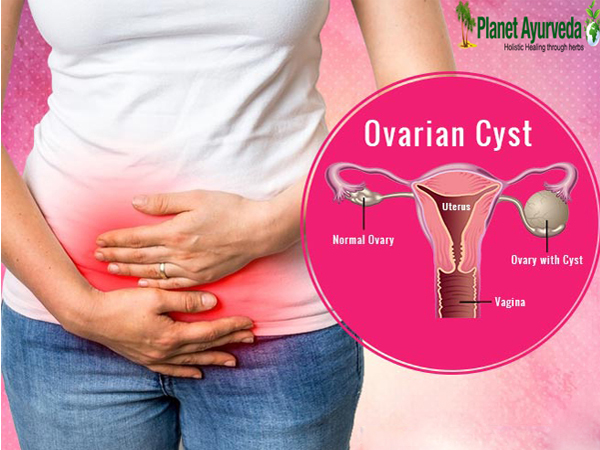
This article will be about natural remedies for cysts which can help you to a certain extent to get rid of the cysts. However, the amount of help you get from these remedies depends upon the type of cyst you are having and how correctly you use these remedies.
So it’s a Time to Bid Adieu to your Cysts and Live a Healthy Life!
1. Tea tree oil
Tea tree oil is an essential oil that possesses antimicrobial properties which help to prevent infectious cysts formation at first and can also help in treating. Cysts many times are caused due to the infection of viruses, fungi, bacteria, or other pathogens that leads to the formation of pus at a particular site within a covering. It cannot help all the cysts but yes one caused by the ingrown hair and infections can be removed or prevented by using it correctly.
Direction– Dilute 2-3 drops of tea tree oil in one ounce of warm water and apply directly on the cyst with a clean cloth. Repeat this procedure 3-4 times daily.
2. Ginger Tea
Ginger is one remedy for several health problems and everybody around the world is appreciative of its medicinal properties. Ginger possesses anticarcinogenic and antioxidant properties which help in treating any cystic growth in or on the body and prevent any further complications. Sipping ginger tea can be really therapeutic in case of cramps and pain originated from these cysts.
Direction- You can include ginger in your daily diet or can take it in the form of tea. Ginger tea bags can be brought from the market or you can even prepare the one at home, fresh!
Slice ginger in two-inch pieces (2 pieces will be enough), boil it in two cups of water for around 5-10 minutes and then strain it. The tea is ready! You can add some honey or lemon for taste.
3. Aloe vera
Aloe vera is the rescuer for most of us! Be it skin, hair, or any other health-related problem, Aloe vera can be the answer for all. It possesses antimicrobial and anti-inflammatory properties that help in treating the cysts and preventing infections.
Direction- Apply aloe vera gel or lotion directly on the cyst if the cyst is exposed to skin and if it is inside the body you can have a cup of aloe vera juice daily.
4. Honey
Honey is a sweet medicine for numerous health problems. It is a powerhouse of therapeutic properties like antibacterial, antioxidant, digestive, and antifungal. This array of amazing properties can help in treating cysts as well. Anti-inflammatory properties help in treating or preventing cysts formation and antimicrobial property helps in treating infection associated with it.
Direction- Locally you can apply using a dab of a cotton dip in honey on the cyst, leave it for some time and then wash it away. Apply several times daily.
For internal use take 1 teaspoon of honey add in one glass warm water and take it.
5. Adjust Your Diet Carefully
Whatever you eat affects your health and so does your cyst growth. Having things like fast food, junk food, refined sugars, too much or dairy products, a high level of spices and less intake of water affects your general metabolism and can create a condition and favorable environment for a cyst to form and grow. Hence you must take a diet that helps in maintaining a good internal environment in your body.
Direction- Avoid white bread, refined carbohydrates, white flour products, red meat, sugary food and all the processed food. All include fresh fruits and vegetables in your diet and drink plenty of water that will clear out the toxin from the body.
6. Yoga
Yoga can, directly and indirectly, help in maintaining the overall health of a person and help in treating certain types of cyst. In the case of ovarian cysts, the yoga has proved to be really helpful. It not only helps in easing out the pain of cyst but also deals with associated complaints of ovarian cysts like weight gain and anxiety. Certain Yoga postures like Butterfly pose, Cobra pose, Bharadvajasana, and Chakki chalanasana helps a lot. In other types of cysts also yoga can help by increasing blood circulation and relieving anxiety.
Direction- You can do one or two asanas daily early morning. However, consulting a Yoga teacher will be better in order to prevent any wrongdoing of postures.
7. Apple cider vinegar
It seems to shrink the size of the cysts when applied locally or taken internally. Packed with numerous health benefits, Apple cider vinegar has been used for decades to treat several health ailments. Owing to the antimicrobial property it also helps in treating the infectious cysts.
Direction- Locally- Mix apple cider vinegar with an equal quantity of water and apply the dilution on cyst directly. Do this several times daily.
Internal- Add 1 tablespoon of apple cider vinegar to 1 glass of warm water and have it twice daily.
8. Beetroot
Munching this healthy veggie raw or adding it in food can help you clear your liver from the lingering toxins and maintain an alkaline pH of your body. Both of these things are necessary to root out the cyst from your body. So go for it and add Beetroot in your daily diet, be it cooked vegetable, juice, or salad.
Direction- You can take it in any form like soup, juice, salad, or cooked form. Take half cup juice daily or 100 gm of raw salad.
These were some of the amazing helpful remedies that helped many people with obstinate cysts. However, this is not it. There is one more thing you can do at home for treating your cysts. Ayurveda! Yes, you heard me right, Ayurveda and herbs of this system can benefit a lot that too naturally. There are certain herbs that have shown their therapeutic effects in cysts and have been used in Ayurveda since ages to treat the cysts. Of them, I am sharing below. Have a look!
- Renuka (Vitex agnus-castus)– It is a carminative herb that helps in maintaining the hormonal balance and have been proving to be helpful in the treatment of PCOD or PCOS.
- Kanchanara (Bauhinia variegate)- Kanchanara is one of the most famous Ayurvedic herbs that is used to treat the overgrowths, cysts, and fibroids. Skin ailments are very well treated by this herb.
- Wild Yam (Dioscorea villosa)- Wild yam is a popular herb that is used to treat cysts, especially ovarian cysts. Owing to its anti-inflammatory and toxin-clearing properties this herb can help in treating the inflammation and flushes out the toxins from the body.
- Milk thistle (Silybum marianum)- Owing to its anti-inflammatory and antioxidant properties it helps in detoxifying the body and cleansing the blood and liver. It protects the body against the effects of toxins.
However, consulting an Ayurvedic practitioner before using any of the herbs will be safer.
So I hope this article will help you, people, out there in managing your cystic ailments. However, these remedies do not promises to cure to eradicate the problem completely so taking proper treatment along with these home remedies will be a good choice.