Treatment of Nervous System Disorders with Ayurveda
Abstract
The main focus of this article is based on Nervous system Diseases and various ways to reduce them. The information provided in this article includes nervous system diseases, symptoms, preventions, home remedies, complications, and brief details about Ashwagandha. Ashwagandha is used to treat the symptoms of the disease related to the nervous system in many ways. So Planet Ayurveda offers Ashwagandha capsules, Ashwagandha Powder, and other products in which Ashwagandha is used in the formation of herbal medicines.
Introduction About The Nervous System
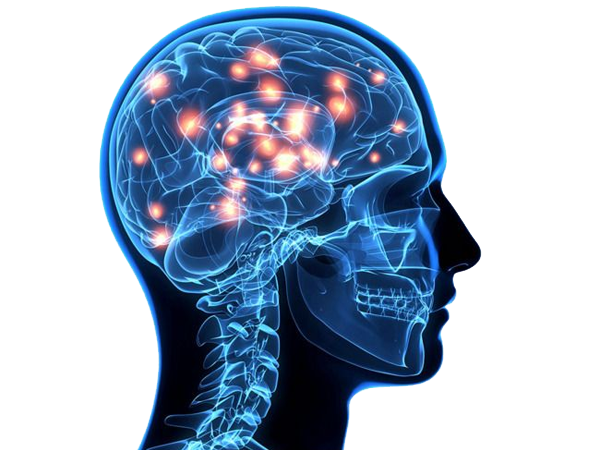
The nervous system is like a network that controls, regulates, and maintains communication within the body. It controls all activities like learning, thought, and memory. A nervous system is a group of nerves and cells that are known as neurons that sends signals between different parts of the body. We can say that it works as an electric wire. It is composed of many organs mainly nerves, brain, spinal cords, and ganglia. Together they handle the activities of the nervous system. Ganglia are the cluster of neurons and nerves are connected with one another and with the central nervous system.
The main three activities of the nervous system are sensory, motor, and integrative. There are many sensory receptors that are present inside and outside of the body which only monitors the changes known as stimuli. They detect light, odor, motion, sound, and temperature from the external environment, and from the internal environment, they detect pH, concentration in carbon dioxide, pressure variation, and the level of electrolytes. This sensory input is converted into electrical signals which are known as nerve impulses.
The nerve impulse is then transmitted to the brain. In the brain, all the signals are brought together in order to produce sensations, thoughts, etc. Decisions are made with this activity and this process is called integration. Now after this, the nervous system responds by transmitting all the signals to muscles for the contraction. Glands and muscles are called effectors because they respond according to the nervous system. This is called a motor function.
Parts of The Nervous System
It Has Two Main Parts
- The central nervous system – that is made up of the spinal cord and brain.
- Peripheral nervous system – made up of nerves and its branches extended to all parts of the body.
- The transmission of signals between the internal body parts and the brain is due to the nervous system. So, the nervous system has the ability to control activities such as see, think, move, breathe, etc.
- The neuron is the basic unit of our nervous system. Our brain contains billions of neurons. A neuron has a cell body that consists of a nucleus, cell body, axons, and dendrites. Axons are known as nerves. Neurons can communicate to long distances with the help of Axons and dendrites.
- At the end of the Axon, the electrical signal thus converted into a chemical signal. Then the chemical released by the axon with chemical messengers is known as neurotransmitters into the synapse.
- The neurotransmitters then pass the signal to dendrite through synapse and again convert the chemical signals into electrical signals.
- The nervous system has also non-neuron cells known as glia. It also helps the nervous system to perform its functions properly. It protects the neurons and trims out the dead neurons.
What Happens When The Nervous System Gets Disturbs?
Our nervous system is full of protections. The brain is guarded by the skull and the shield of small bones protects our spinal cord. After all these protections, there are many factors that damage our nervous systems like infections, injuries, stroke, and issues with blood vessels. Many neurons in the central nervous system cannot repair themselves because of some illness they may damage or die. So, in this situation, the nervous system loses some abilities. There are also various problems that suddenly attack the nervous system.
Symptoms
Symptoms depend upon which part of the nervous system is attacked. As we know there are three types of nerves in our body.
When Autonomic Nerve is Damaged it Includes The Following Symptoms
- Inability to sense heart attacks, chest pain
- Dry mouth and eyes
- Sexual dysfunction
- Constipation
When Motor Nerve is Damaged, it Shows Symptoms
- Weakness
- Paralysis
- Twitching
- Muscle atrophy
When Sensory Nerve is Damaged, it Produces the Following Symptoms
- Sensitivity
- Pain
- Numbness
- Burning
- Tingling
- Problem with positional awareness
The Other Signs and Symptoms of the Nervous System Disorder Include
- Disturbed blood supply
- Loss of memory
- Organ system failure
- High blood pressure
- Headaches
- Loss of vision
- Lack of coordination
- Pain in back
- Weakness
Diseases of The Nervous System
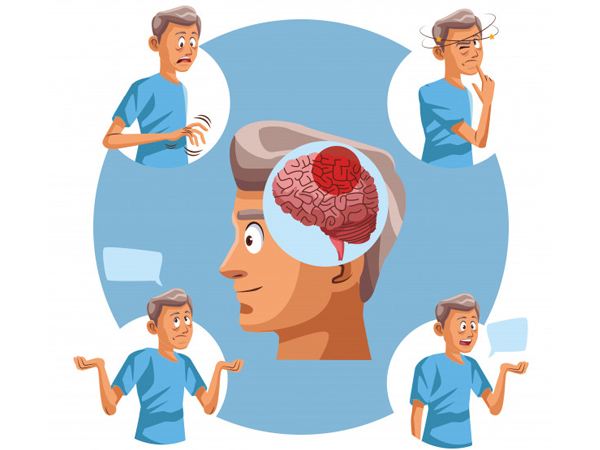
- Epilepsy – It is a disease in which nerve cell activity is hampered. It causes seizures due to abnormal discharge of the electrical signals from brain cells
- Huntington’s disease – It is an inherited disease in which the degeneration of nerve cells in the brain occurs. Nerve cells damage progressively in this condition
- Alzheimer’s disease – In this disease memory power of a person is hampered. Mental functions are directly affected by this disease
- Parkinson’s disease – This disease affects movement and it is a disorder of the central nervous system
- Multiple sclerosis -In this disease, the layer that protects the nerve is attacked by the immune system
Complications of Nervous System Disorders
Nervous System Disorders can lead to various complications depending on the current situation of a person. Some of them are as follows
- Some people experience depression and anxiety
- Permanent brain damage
- In the case of Huntington’s disease, the death rate increases
- Pneumonia and heart diseases
- Complications in the respiratory system
- Restless and sleeplessness
- Difficulty in swallowing
- Sexual dysfunction
- Muscle stiffness
- Change in vision
- Mental confusion for lifetime
Preventions
The damage to the nervous system cannot be cured. But yes, there are some points which if kept in mind and followed will help in the prevention of further complications and may help to reduce the symptoms. So, if you see any symptoms in your body then you should consult a doctor immediately. You should also take care of following things that are mentioned below:
- Diabetic patients should regulate the level of sugar
- Fulfill the nutritional deficiencies
- Do exercise daily
- Quit smoking
- Avoid the consumption of alcohol
- Follow a healthy diet
- Drink more water
- Limit the intake of caffeine
- Don’t take too much stress
- Learn stress management and relaxation techniques. Add meditation in your daily routine
- Mental stimulation
What Ayurveda Has to Restore the Health of The Nervous System?
Ayurveda has the potential to deal with many diseases with the natural system of medicines. Ayurveda is a vast topic. It provides an easy approach to treating illness through natural therapies and lifestyle interventions. Ayurveda makes remedies with natural herbs that are pure and safe with no side effects. In the present day, there are many Ayurvedic Products available in the market. It is important that we constantly take care of our bodies in every possible way.
In Ayurveda, Ashwagandha balances the Vata and Kapha for building strength in our bodies. From Ayurveda, the health of the nervous system improves by the use of Ashwagandha (Withania Somnifera). So, it is said that Ashwagandha and Brahmi are the two main elements of Ayurveda. Both are used to calm our brain and also used to boost up our immunity.


Ashwagandha ( Withania somnifera)
Ashwagandha is very useful for plants used to make medicines. Ashwagandha grows in India and many parts of Africa. By definition, the word ashwa means horse. It helps us to maintain our body physically as well as mentally. It is used to treat many diseases like arthritis, insomnia, stress, depression, diabetes, fever, loss of memory, skin conditions and many more. The leaves, seeds, and fruits of Ashwagandha are used for various treatments. This herbal supplement increases the stamina, power, and strength in human beings. Especially for men, Ashwagandha is very useful and effective to revitalize the body functions. Ashwagandha also helps in the nervous system by reducing stress and providing support to our brain.
Properties of Ashwagandha
- Support a healthy immune system
- Calm and support our brain
- Increases stamina
- Reduces joint pain
- Provide support to our body in treating the illness
- Reduces the stress and anxiety
- Beneficial for heart health
- Treating cancer
Herbal Remedies To Treat Nervous System Disorders
Planet Ayurveda also offers the best herbal formulations like Ashwagandha capsules, Ashwagandha powder, Ashwagandha Ghanvati, etc. which is prepared under the strict guidance of Ayurveda experts and by following the ancient Ayurvedic principles. This formulation is chemical-free and safe to use ss they do not cause any side effects. There are other supplements also in which Ashwagandha is present in the formation of herbal medicines which are getting prepared in Planet Ayurveda.
Conclusion
The nervous system is an important system that coordinates all the activities of the brain and other parts of the body. By the use of electrical and chemical signals it sends and receives messages. Symptoms of nervous system diseases that affect our body are headaches, back pain, stress, anxiety, muscle weakness, loss of vision, etc. in order to reduce it we suggest some preventions and home remedies for treating the nervous system. Planet Ayurveda offers Ashwagandha related herbal medicines that are used to treat the symptoms of the nervous system. The herbal remedies are safe and natural with no side effects.