Category: Arthritis / Bone / Joint Health

Ayurvedic Solutions for Sciatica Treatment and Prevention

Abstract

Sciatica is a debilitating condition in which a patient suffers pain and paresthesias in the sciatic nerve distribution. It is commonly referred to as any lower back pain or radicular leg pain. The pain is associated with the pathology of the sciatic nerve or sciatic nerve root pathology. The sciatic nerve is the largest nerve in the body. Pain due to the sciatic nerve will worsen with the flexion of the lumbar spine, twisting, and bending. Motor functioning of lower extremities adductors and hamstring is directed by the sciatic nerve. It also provides indirect motor functioning to the calf muscles and anterior lower leg muscles. The sciatic nerve provides sensation to the lower and posterior aspects of the legs and also the plantar aspect of the feet. Is due to the inflammatory changes in the nerve and causes irritation of the nerve. Direct compression of nerves leads to motor dysfunction. Let’s discuss this in detail!

Introduction

Sciatica is a painful condition in which the sciatic nerve of one or both legs is involved. It is much associated with lower back pain radiating to the legs and affects the movement of the legs. It is a neuromuscular disorder. As per the ayurvedic system of medicine it is known as Gridhrasi. The word Gridhrasi is derived from the word Gridhra which means Vulture ( a bird ). The gait of the patients resembles a vulture that’s why it is known as Gridhrasi. The gait is altered as the legs become tense and slightly curved due to pain. Sciatica is characterised by severe pain just like the pain felt by the prey of the vulture while being eaten up. This painful sensation is due to the vitiation of vata dosha.
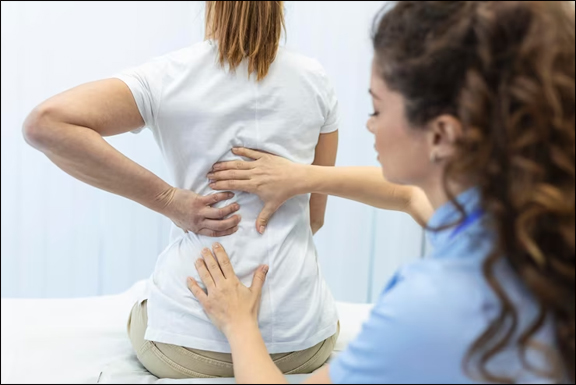
Sciatica Pain

SYMPTOMS

  • Pain initiates from the hip area and radiates to the thigh, back, and sacral region.
  • Pain in calf muscles and feet.
  • Pricking sensation in the thigh region.
  • Altered gait.
  • Stiffness over the whole limb.
  • Weakness and numbness over legs and feet.
  • Hard to stand up.

CAUSES

  • Herniated or slipped disc:-   Pressure on the nerve root is caused by herniated or slipped disc. This is one of the most common causes of sciatica.
  • Spinal stenosis:-  It is the abnormal narrowing of the spinal canal. This leads to the narrowing of spaces for the passage of spinal nerves.
  • Spondylolisthesis:-  It is the slippage of one vertebra so that it is out of line one above it and narrows the nerve exit. The extended spinal cord pinches the sciatic nerve.
  • Osteoarthritis:-  Jagged edges of bones compresses the lower back nerves.
  • Trauma:-  Trauma injury to the lumbar spine and sciatic nerve.
  • Muscle Spasm:-  Small muscles that lie in the buttocks become tight and spasm. This can irritate the sciatic nerve.
  • Cauda Equina Syndrome:-  This condition affects the bundle of nerves at the end of the spinal cord. This causes pain down the leg and numbness around the anus.

DIAGNOSIS

1. Physical Examination

The physician will ask you to walk and notice how your spine carries your weight. Later you should be asked to walk on your toes to check the strength of your calf muscles.

1. Leg Raising Test

You have to lie on your back with straight legs. Then you have to slowly raise the legs and determine the point where the pain begins. This helps to identify the disc problems.

2. Radio imaging

  1. X- Rays:- To look for spinal fractures, disc problems, infections, and tumours.
  2. MRI:- MRI can show pressure on nerves, disc herniation, and any arthritic condition.
  3. Electromyography:- This is for examination of electrical impulses and how we’ll travel through the sciatic nerve.
  4. Myelogram:- To determine if a vertebra or bone is causing pain.

AYURVEDIC OVERVIEW OF GRIDHRASI  (SCIATICA )

Ayurveda is an ancient science that believes that a disease is caused due to the vitiation of doshas or by strotas dushti. When the pressure is exerted on the Gridhrasi Nadi ( sciatic nerve ) then there is a sensation of pain from the Kati Pradesh ( Lower back ) to the foot. In this disease, four strotas are being vitiated ( stroto dushti ).

  • Raktavaha strotas
  • Mansvaha strotas
  • Medovaha strotas
  • Pranvaha strotas

Gridhrasi is explained as among 80 types of vata imbalance disorders. It is a specific type of pain that travels from Stick Pradesh through the back of the Kati Pradesh and Urru till the foot.

COMMON CAUSES OF GRIDHRASI

  • Intake of vata aggravating foods like Bengal gram, Pigeon pea, Red lentils, and Flat beans.
  • Excessive intake of dry and cold food.
  • Suppression of mala ( urine and faeces)
  • Excess of walking
  • Trauma or injury

TYPES OF GRIDHRASI

There are two types of gridhrasi mentioned below:-

  • Vataj Gridhrasi
  • Vata kaphaja Gridhrasi

Symptoms of Vataj Gridhrasi

  • Shooting type pain
  • The curved posture of the leg and body
  • Stiffness and tingling sensation in the joints of the waist, thigh, and knee

Symptoms of Vata Kaphaja Gridhrasi

  • Poor appetite
  • Drowsiness
  • Excessive salivation
  • Anorexia

AYURVEDIC LINE OF TREATMENT

As this is the vata disorder, pacifying all vata measures should be undertaken.

Panchkarma

  1. Snehan:-  Application and pouring of oil over the affected area should be carried out.
  2. Swedana :-  Application of Poultice ( upnaha swed ) is effective.
  3. Anuvasan Basti:-  It is performed with saindhavadi oil.
  4. Virechan:-  In case of constipation virechan should be done.
  5. Agni karma:-  This is done in severe painful areas. It is done by using a metallic rod.

Herbs useful in sciatica

  1. Nirgundi
  2. Bala
  3. Punarnava
  4. Eranda
  5. Shigru
  6. Rasna
  7. Jambira
  8. Masha

HERBAL REMEDIES FOR SCIATICA BY PLANET AYURVEDA

Planet Ayurveda is a GMP-certified company offering products worldwide. All the products are prepared by following the ayurvedic texts under the guidance of MD Ayurveda experts. All the products are safe and devoid of all kinds of adverse effects. Let’s have a look at the formulations:-

SCIATICA CARE PACK

  1. HAKAM CHURNA
  2. BOSWELLIA CURCUMIN
  3. YOGRAJ GUGGUL
  4. ASHWAGANDHA CAPSULES
  5. VRIHAT VATCHINTAMANI RAS
  6. DHANWANTHRAM TAILAM

Herbal Remedies for SciaticaHerbal Supplements for Sciatica

PRODUCTS  DESCRIPTION

1. HAKAM CHURNA

It is a wonderful preparation by Planet Ayurveda. This is a classical herbal preparation that is very effective in sciatica and back pain disorders. This combination is also known as Tridoshic Rasayan. It affects all three doshas. Vata regulates the brain and nervous system, Pitta controls metabolism and Kapha maintains the body structure. Hakam Churna is a mixture of herbs like Chandershoor ( Lepidium sativum ), Kalonji ( Nigella sativaa ), Methi (Trigonella foenum graecum ), Ajwain ( Trachyspermum ammi ). All four herbs are present in equal quantity. It has the properties to bring vata in balance. It also improves digestion and decreases stiffness and pain.

Dosage:-  1 tsp. twice daily with warm water, after meals.

2. BOSWELLIA CURCUMIN

Boswellia curcumin capsules prepared by planet Ayurveda are the best preparation for inflammatory disorders. The results are long-lasting and the anti-inflammatory effect is permanent. This herb is effective and safe to consume as there are no side effects. The combination is very powerful for joint inflammation in vertebrae. Boswellia extract is generally made from tree gum. It contains at least 15 triterpene acids. Boswellia contains boswellic acid which is a very good anti-inflammatory and supports healthy joint functioning by inhibiting the leukotrienes. The addition of curcumin not only supports joint movements but is also a rich antioxidant. This combination provides comprehensive immune support.

Dosage:–  2 capsules twice daily with warm water, after meals.

3. YOGRAJ GUGGUL

Yograj Guggul is an ayurvedic preparation in tablet form which maintains the balance of vata in the body. It is a combination of various ingredients. It contains Chitraka (Plumbago zeylancia), Yavani (Trachyspermum ammi), Pippalimoola (Trachyspermum ammi), Karavi (Piper chaba), etc. All herbs are taken in fine powdered form. Guggul is melted and all the herbs are added to it. It is converted into tablet form in a uniform size of around 500 mg.

Dosage:-  2 tablets twice daily with warm water, after meals.

4. VRIHAT VATCHINTAMANI RAS

Vrihat Vatchintamani Ras is a classical preparation that is effective in balancing vata dosha. It is used in various nervous disorders. It contains ingredients like Swarna Bhasma, Abhrak Bhasma, Rajat Bhasma, Praval Bhasma, etc. It is enriched with antioxidants, anti-aging, nerve tonic, and many more properties.  It is excellent for increasing the strength of the body. It reduces the chances of age-related health issues. It is very effective in removing toxins from the body.

Dosage:-  1 tablet twice daily with warm water twice daily, after meals.

5. DHANWANTHARAM TAILAM

Dhanwanthram tailam is an ayurvedic oil preparation. It is effective in treating vata dosha disorders. This preparation is based on Kerala ayurvedic practice. It contains herbs like Balamool ( Sida cordifolia ), Agnimanth (Premna mucronate), Patala (Stereospermum suaveolens), Shyonaka (Oroxylum Indicum), etc. No side effects of this oil on external administration are noted.

Dosage:-  Massage externally after warming it up through a water bath method.

DIET AND LIFESTYLE CHANGES

DONOT’S

  • Avoid exercises that stretch your hamstring
  • Avoid sitting for longer times more than 20 minutes
  • Avoid the bed rest
  • Avoid bending over
  • Avoid twisting your spine
  • Avoid prolonged walking

DO’S

  •  Take a high-fibre diet
  • Maintain adequate body weight
  • Drink plenty of water
  • Mobilise and extend the lower back
  • Oil massages

CONCLUSION

Sciatica is a disease of the nervous system. It is characterised by radiating pain in the sciatic nerve. A person suffering from sciatica can have a great result by taking these formulations which have negligible side effects. This is far better than having painkillers that only act as symptomatic relief. Still, it is recommended that an expert’s advice should be taken before starting the treatment.
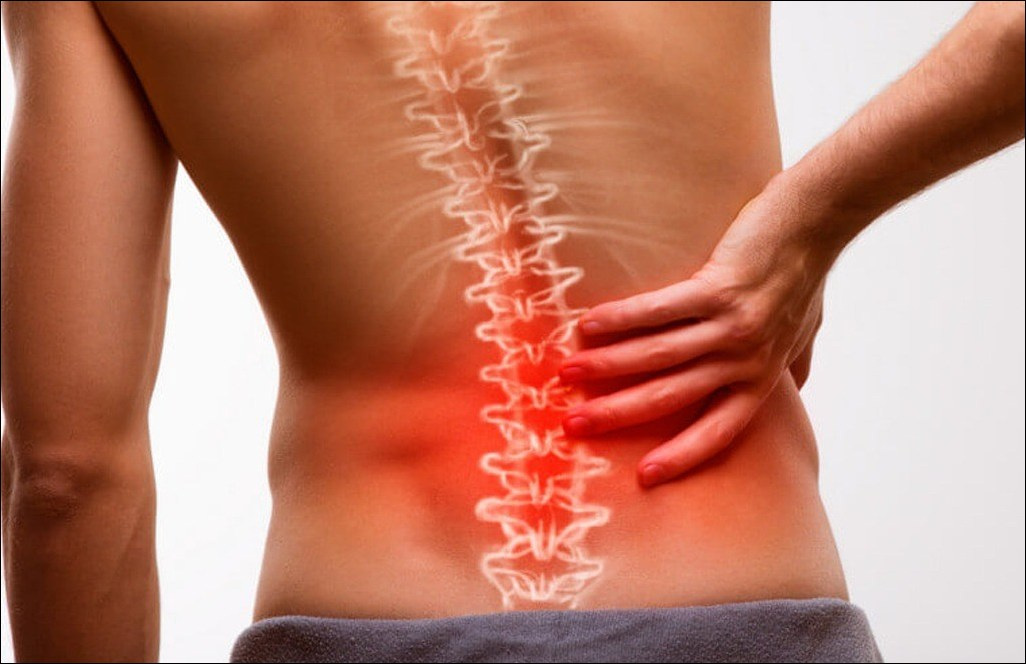
RESEARCH SHOWS THAT 97 PERCENT OF HERNIATED DISC DO NOT REQUIRE SURGERY. HOW AYURVEDA CAN TREAT IT?

ABSTRACT

Herniated disc, the most common cause of back pain occurs when nucleus pulposus (located between vertebral bodies) displaces from intervertebral disc. Patients suffering from back pain recite events from the past in which they have suffered from physical trauma reading to herniation of the disc leading to weakness and sensation changes. Incidence of herniated discs is more common in the third to fifth decade ( 30-50 years of age) of life. In India almost 10 million cases of herniated disc are seen every year and most of them go undiagnosed due to patient negligence and many of them become worse due to wrong treatments and medications consumed by the patient as there is lack of knowledge.

Herniated Disc

INTRODUCTION OF HERNIATED DISC

Herniated disc also known as Spinal Disc Herniation is a condition having damaged annulus fibrosus that leads to disc herniation. The role of the disc is transmission of kinetic energy within the body. Nucleus pulposus (soft jelly like material in the centre and surrounded by a resistant fibrous ring, acting as shock absorber) is located within the centre of the disc herniates and compresses nerves and spinal cord leading to spinal cord dysfunction which is also known as myelopathy. With ageing, this nucleus pulposus tends to degenerate and dries out and there can be cracks in Spinal Disc through which a small fragment of jelly can displace. Herniation is a very painful condition and usually resolves within a few weeks but in only 6% of the cases have sufficient pain after 6 weeks to consider for surgery.

We have 5 cervical vertebrae (also known as neck vertebrae), 12 thoracic vertebrae (also known as chest vertebrae), 5 lumbar or lower back vertebrae, 5 sacral vertebrae and a coccyx bone. Cervical, thoracic and lumbar vertebrates are usually herniated but lumbar and cervical spines are mostly affected.

ETIOLOGY OF HERNIATED DISC

Usually, disc degeneration occurs with ageing is called as normal process but sometimes it can occur at early ages and referred as slipped disc that can be caused by

  • Spinal wear and tear due to daily activities like movements (running, walking and bending) that cause shock and this shock is absorbed by our intervertebral discs causing their degeneration. Tough outer layer of disc known as annulus fibrosus starts weakening that leads to bulging or herniation as nucleus pulposus leaks out.
  • Injuries due to accidents, sudden falls or jerks, heavy weight lifting in incorrect posture or any activity that causes too much pressure on the disc can cause spinal herniation.
  • Combination of degeneration and injuries as in cases of weakened spine in which even a slight trauma can lead to herniation is common in third and fourth decades of life.
  • Smoking, being overweight due to sedentary lifestyle or lack of fitness triggers spinal herniation.

STAGES OF HERNIATED DISC

Herniation of disc occurs in four stages and early detection can help to treat this condition better and on time.

The four stages are:

  • Disc Degeneration: – Weakening of nucleus pulposus due to chemical changes related to ageing causes drying out of the disc and becoming less shock absorbable.
  • Disc Prolapse: – This stage is the beginning of slight bulging or protrusion that can lead to crowding of the spinal cord and nerves that happens due to positional changes in the disc. This crowding depends on the site of bulging.
  • Disc Extrusion: – Tough outer layer of disc known as annulus fibrosus having tire like wall starts weakening that leads to bulging or herniation as gel-like nucleus pulposus leaks out but it remains within the disc.
  • Disc Sequestration: – Nucleus pulposus breaks through the disc and moves into the spinal canal.

SYMPTOMS OF HERNIATED DISC

In some patients, there is extreme pain that causes trouble in day to day activities but in some patients there is slight pain or no pain at all. In cases where there is slight compression on nerves the patient may experience low backache or no pain but if there is more compression on the nerve then the patient may feel weakness or numbness along with the course of the compressed nerve.

Symptoms of herniated disc depends on the position and size of bulge

  • If there is herniation of Lumbar spine or Saccaral (lower back), the patient might suffer from Radiculopathy or Sciatica in which patient may experience burning, tingling and numbness radiating from buttocks to legs or foot. One side is usually affected. Patient describes pain as that of electric shocks that is aggravated on physical exertion.
  • If the cervical spine is affected, the patient will suffer from cervical radiculopathy that will cause sharp or dull pain in neck and shoulder blades. This pain can be radiating to the arm or hands causing tingling sensation or numbness in fingers and shoulders.
  • If thoracic spine is affected, then the herniated material can protrude in sideways (lateral) or central positions causing upper back pain in cases of central protrusion and abdominal pain and chest pain in cases of lateral disc protrusion. In cases of centro-lateral protrusion combination of symptoms of upper back pain, radiating pain, or myelopathy can be seen. Paralysis from the waist down can also occur due to a thoracic herniated disc.
  • If Coccyx or tailbone is affected, pain might radiate to rectum, hips or thighs that make exercising difficult, sitting painful and disturbed sleep. Some patient may also suffer from vomiting and nausea, muscle

weakness, loss of sensation and digestive discomfort, including rectal pain.

DIAGNOSIS OF HERNIATED DISC

The following procedures can be opted for diagnosing Herniated disc

  • X-ray: – It can show structure of joint and outline of vertebrae and help detect the cause of pain. It can also detect fractures, tumours or infections.
  • CT/CAT Scan: – It can show shape and size of spinal canal and related structures.
  • MRI: – Degeneration, enlargements and other structures can be viewed in 3D.
  • Myelogram: – It can show pressure on the spinal cord due to any underlying abnormality.
  • Electromyogram/Nerve conduction studies: – It can help in diagnosing nerve and muscle damage due to any past injuries.

TREATMENT OF HERNIATED DISC

Majority of the cases of herniated disc are curable without surgery and improve in 90% of the patients with time if following measures are followed: –

  • Limiting physical activities for 2-3 days along with anti-inflammatory medicines can be used. Walking can be done if bearable.
  • Physiotherapy
  • Epidural steroid injection may provide short-term pain relief by reducing inflammation if injection of a cortisone-like medicine into the space around the nerve is given.
  • MRI or Radiographic imaging is not suggested until the symptoms are present for more than six weeks. Spine specialists or neurosurgeons can be consulted if symptoms persist for more than 4 weeks.
  • Surgical treatment: – Microdiscectomy can be performed and is the most common procedure opted in cases of single herniated disc.

AYURVEDIC APPROACH ON HERNIATED DISC

As far as Herniated discs are concerned, people have a misconception that once the disc has bulged it will remain the same for life time but that is not true as it is manageable by using Ayurvedic medicines. Ayurveda works by balancing all three doshas in the body and herniated disc is caused by imbalance of Vata dosha in the body. Various Ayurvedic herbal decoctions, capsules, oils and tablets are helpful in providing relief to patients with mild to moderate prolapse of disc. In chronic or severe cases therapies like Shodna – detoxification, Abhyanga – Medicated oil massages and Swedana – Sudation therapy can be done using Nasyam in case of neck problems and Vasthi in case of back pain related problems.

TREATMENT AT PLANET AYURVEDA FOR HERNIATED DISC

Planet Ayurveda has been providing 100% pure and chemical free and prepared following strict Ayurvedic principles from the last 20 years. All the medicines are GMP certified and are made from the best quality of herbs with ancient time tested formulas and enriched with wisdom from ages.

Disc care pack with the best quality herbs prepared by experts at Planet Ayurveda is available to treat herniated discs. It is 100% pure and chemical-free and prepared following strict Ayurvedic principles. It includes: –

Products List

  1. Boswellia Curcumin
  2. Aamvatantak Churna
  3. Yograj Guggul
  4. Hakam Churna
  5. Maha Triphala GhritHerbal Remedies For Herniated DiscHerbal Remedies For

Products Discretions

1. Boswellia Curcumin

It is a combination of extracts of Bosewellia serata and Curcuma longa which acts on osteoarthritic chondrocytes. Bosewellia serata and Curcuma longa have anti-oxidative, anti-inflammatory, and anti-catabolic activities, suggesting a protective effect of these extracts on cartilage. Curcumin extract from culinary turmeric is known to have effect on many inflammatory based musculoskeletal concerns including degeneration. Boswellia contains boswellic acid that helps in blocking inflammatory pathways like lipoxygenase and cyclooxygenase giving relief from aches and pains that stem from pinched nerves caused by inflammation.

Dose – 2 cap twice daily after meal with warm water

2. Aamvatantak Churna

Aamvatantak Churna is a combination of Ashwagandha or Withania somnifera, Haridra or Curcuma longa, Methika or Trigonella foenumgraecum, Surnajan or Colchicum luteum, Gorakhmundi or Sphaeranthus Indicus and Shunthi or Zingiber officinale. It helps to nourish and strengthen the joints and reduces pain, inflammation and tenderness of muscles and joints.

Dose – 1 tsp twice daily with warm water after meal

3. Yograj Guggul

Yograj Guggulu is a combination of Shuddha Guggulu or Commiphora mukul, Chitraka or Plumbago zeylanica, Pippali or Piper longum, Jeeraka or Cuminum cyminum, Devdaru or Cedrus deodara, Ela or Elettaria cardamomum, Amalaki or Emblica officinalis, Mustaka or Citrus rotundus, Haritaki or Terminalia chebula and Ardraka or Zingiber officinale etc. It is very helpful to maintain Vata balance and treats various types of diseases related to joints, bone marrow and muscles.

Dose – 2 tab twice daily after meal with warm water

4. Hakam Churna

Hakam Churna is a combination of chandershoor or Lepidium sativum, Kalaunji or Nigella sativa, Mehika or Trigonella foenumgraecum and ajwain or Trachyspermum ammi. It is used to treat gastric issues like upset stomach and indigestion as it is the root cause of all diseases and in long term can affect vata dosha which then localises in joints and muscles and causes intense pains and musculoskeletal disorders.

Dose – 1 tsp twice daily with warm water after meal

5. Maha Triphala Ghrit

A polyherbal medicine with ghee as basic ingredient is having pain-relieving properties, anti-inflammatory, and strong analgesic and is extensively used to provide relief from pain and inflammation in case of joint pain and arthritis.

Dose – 1 tsp twice daily with warm water after meal

CONTACT  PLANET AYURVEDA TO PROVIDE YOU WITH THE COSTING/ORDERING AND DELIVERY INFORMATION AT – COSTING.PLANETAYURVEDA@GMAIL.COM OR CALL AT +91-172-5214040

CONCLUSION

Intervertebral disc herniation and degeneration are common and serious problems and the current ways of dealing with these problems include surgeries or artificial implants. The current treatments for these conditions   attempt to cover up the symptoms instead of actually solving the problem; however, in Ayurveda these conditions are curable from early stages as body, mind and spirit are focused. Ayurveda balances all three doshas in the body along with Shodna – detoxification, Abhyanga – Medicated oil massages and Swedana – Sudation therapy. If these methods can be put together, it will result in a far superior form of treatment compared to the current spinal fusion and artificial disc methods being used. It will actually correct the problem, and the patient will live a normal, healthy life. In case of any query related to your doubts, you can always connect with our experts at Planet Ayurveda.