Author: Dr. Vikram Chauhan

Ocular Surface Disease Treament With Herbal Remedies

Abstract

Ocular Surface diseases are conditions which affect and damage the surface of the eyes. The eyes are the organs of the visual system which has the ability to receive and process visual functions. Mainly eyes detect light and get converted into electrochemical impulses in neurons. They take the light from the world and send visual information to the brain. Eye vision is the shape of a ball which varies in color from blue, to green and to all shades of brown. The eyes sit in the protective bony socket known as orbit with 6 extraocular muscles which are attached to the eyes. The surface of the eyes and inner surface is the eyelids which are covered with the conjunctiva. Tears usually lubricate the eye and the layers together known as tear film. Light gets focused into the eye and forms a dome-shaped portion called the cornea. The vitreous cavity lies in between the eyes and is a jelly-like structure. In this article, we are going to discuss the different types of ocular diseases and their causes with their ayurvedic aspect in detail.
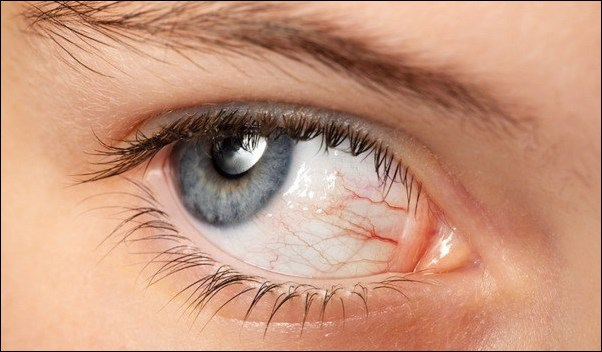
Ocular Surface Diseases

Introduction

Ocular Surface disease damages the surface layers of the eyes, The most affected parts are the Cornea, the conjunctiva and the glandular network. It is a multifactorial disease which results in visual disturbances and instability of the tear film. There is an increased osmolarity of the tear film and the most common causes of the ocular surface disease are Anterior Blepharitis and meibomian gland dysfunction. The surface of the eye contains conjunctiva, the cornea and which are covered with epithelium. When the epithelium is damaged it causes Ocular surface disease. This damage causes pain, redness and sometimes permanent corneal injury.

  • The cornea is the dome-shaped lens which covers the eyes, its main job is to focus the light which is coming out from the eye.
  • The conjunctiva is a membrane which lines the eyelids and covers the white part of the eye.
  • The glandular network is made of meibomian glands where the eyelashes are present and makes the tears.

If there are dry itchy eyes it may be due to dry air and dehydration which are common causes of dry eye but chronic dry eye leads to ocular surface disease (OSD). The acute stage of the ocular surface is the first 2 weeks after the onset of the symptoms. OSD (Ocular surface disease) affects the front surface of the eyes (cornea), as it may lead to permanent loss of vision and even blindness.

List of Ocular Surface Diseases

Dry Eye is the most common but other conditions such as Blepharitis, neurotrophic keratitis and sometimes meibomian gland are included.

1. Dry Eyes

It leads to eye infections and damage to the surface of the eyes which harms the quality of life. Does not form enough tears.

2. Blepharitis

It is when the eyelids get inflamed, which blocks the ducts near the base of the eyelashes. It further leads to issues such as dry eyes, chronic pink eyes and chalazion (blockage which causes swelling and hard lump). It is often divided into anterior and posterior parts, causing more redness and crusting on the eyelids.

3. Neurotrophic Keratitis

It is a degenerative condition which causes the impairment of the nerve, which further leads to reduced sensitivity of the cornea which results in dry eye.

4. Ocular Rosacea

It affects the eyes and causes itching, burning and redness. Further, it leads to dry eyes, blepharitis and complications like blindness.
5. Meibomian Gland Dysfunction- It is expected it does not produce sufficient oil. It leads to dry eyes and eyelid inflammation.

CAUSES

1. Causes of Dry eyes

  • Aging
  • Autoimmune conditions
  • Allergies
  • Vitamin A Deficiency
  • Various hormonal conditions

2. Causes of Blepharitis

  • Seborrheic Dermatitis
  • Infections
  • Eyelashes lice
  • Clogged oil glands

3. Causes of Ocular Rosacea

  • Genetics
  • Bacteria
  • Environmental factors
  • Clogged glands.

It gets aggravated by- Alcohol, Hot and spicy foods and Strenuous exercise.

4. Meibomian Gland Dysfunctions- It includes</h3 >

  • High cholesterol
  • Autoimmune disorders
  • Pink eye

Symptoms

1. Dry Eyes Symptoms Include

  • Stinging and burning sensation in the eyes
  • Watery eyes
  • Difficulty in wearing lenses
  • Difficulty in driving
  • Blurry eyes

2. Blepharitis Symptoms Include

  • Watery and red eyes
  • Frequent blinking
  • Sensitivity to lights
  • Sticky eyes

3. Neurotrophic Keratitis Includes

  • Dry Eyes
  • Sensitivity to eyes
  • Blurred vision

4. Ocular Rosacea Includes

  • Dilated blood vessels
  • Frequent infections of the eyes
  • Blurred vision
  • Itchy eyes
  • Swollen eyelids

5. The Meibomian Gland Includes Symptoms

  • Light sensitivity
  • Watery eyes
  • Crusted eyes
  • Chalazia

Diagnosis

  • Schirmer Test- Measures the volume of tear
  • Dye Test- Test the surface of the condition of the eye
  • Osmolarity test- Test the composition of tears
  • MRI (Magnetic resonance imaging)- To rule the neurotrophic keratitis

Risk Factors

  • Conjunctival Scarring
  • Connective tissue disorder- Sjogren syndrome, Rheumatoid arthritis)
  • Blepharitis- Isotretinoin (Accutane)

Treatment

  • Eye drops
  • Warm compressor
  • Non-steroidal anti-inflammatory medications
  • Eyelids scrub
  • Artificial tears

Complication

  • Corneal dry spots
  • Corneal abrasions
  • Corneal perforation
  • Corneal Scarring

Ayurvedic Aspect

Eye diseases are due to imbalances of the doshas within the human body. It is mainly dominated by the fire element (Pitta Doshas). The vitiated doshas travel through the Siras (blood vessels) which reach the upper parts of the body which on reaching the eyes cause the dreadful disease. The eyes are the Seat of Alochaka Pitta which is mainly present in the eyes and is only responsible for taking light and initiating the process of vision. The Pitta is governed by Pachaka Pitta which functions under the direct control and influence of gut fire. Whenever there is an increase or decrease in Alochaka Pitta there is a problem with the Fire element. In ayurveda, Dry eye is correlated with Shushkaksipaka which is due to the vitiation of tridoshas. Blepharitis is a chronic inflammation which is correlated with Krimigranthi in ayurveda which is due to the vitiation of Kapha and Pitta doshas.

Chikitsa

1. Netradhara

It is washed with blends of liquids. It is a unique purging where a non-stop stream of medicated liquids is poured over the eyes. Mainly Triphala water is used for washing the eyes.

Benefits of Netra Dhara

  • Relaxes the muscles of the eyes
  • Enhances the vision
  • Calms the muscles of the eyes
  • Helpful in all Vaatadi doshas.

2. Netra Tarpanam

In this, a mixture is arranged which is set around the eyes and makes sure that oil should not spill from the batter which is around the eyes. Then the lukewarm ghrit is poured and remains there for 5 min so that eyes are pressed out and it is performed for 20-25 minutes.

Benefits of Netra Tarpanam

  • Provides nourishment to harmed eyes
  • Strengthens the muscles and nerves of the eyes
  • Builds the facial nerves and muscles.

3. Anjanam and Kshalana

In this, the eyes are washed with medicated fluid and then a paste is applied with the help of a shalaka (pen-like instrument).

Benefits of Anjanam and Kshalana

  • Strengthen the eyes which improves vision
  • Removes the toxins
  • Arrests the degenerative changes in eyes and relieves strain from eyes.

4. Pindi

It is the medicated paste which is applied and kept over the eyes with a thin cloth. The paste of Triphala powder is used as Pindi which is applied over the eyes.

5. Bidalaka

In this, the medicated paste is applied over the closed lids of the eyes such as a paste of Sandalwood is applied which soothes the eyes and is common in Pitta which causes various eye disorders.

6. Nasya

It is a process through which medicine is instilled through the nose as the diseases above the shoulders can be treated which Dhooma Nasya of medicated fumes which are indicated in eye disorders, such as Anu Taila, Shadbindu Taila and Ksheerabala Taila.

Herbal Remedies by Planet Ayurveda for Ocular Surface Disease

Planet Ayurveda is an ISO 9001:2015 Certified and US-FDA registered Ayurvedic Company which adhered to the objectives of its Ayurvedic products as it is mentioned in the Ayurvedic texts. The formulations which are made by planet ayurveda are without any preservatives, or additives and do not cause any side effects on the human body. The products manufactured at Planet Ayurveda are pure and gluten-free. For Ocular Surface Disease planet ayurveda provides many herbal supplements which are helpful in a healthy happy life.

Products List

  1. Angel Eye Vitale
  2. Saptamrit Loha
  3. Jasnoor Eye Drops
  4. Maha Triphala Ghrit
  5. Amalaki Rasayan

Herbal Products for Ocular Surface diseaseBuy Now: Herbal Products for Ocular Surface disease

Products Description

1. Angel Eye Vitale

Angel Eye Vitale are polyherbal Capsules which are made by planet Ayurveda using Amla (Emblica officinalis), Gotu Kola (Centella Asiatica) and Bhringraj (Eclipta alba). It is useful in reducing inflammation and improving the irritation of the skin. Inhibit the oxidising free radicals in the living cells.

Dosage- 1 capsule twice daily after meals with plain water.

2. Saptamrit Loha

Saptamrit Loha is a classical Ayurvedic product which is formulated by planet ayurveda using Loha bhasma (Calx of Iron), Mulethi (Glycyrrhiza glabra) and more. It is helpful in managing anorexia, balances the pitta doshas and is useful in increasing the levels of blood. Has Antibacterial and Anti-viral properties.

Dosage- 2 tablets twice daily with plain water after meals.

3. Jasnoor Eye Drops

Jasnoor Eye Drops is an ayurvedic formulation which is helpful in improving eyesight and managing the various disorders of the eyes. As it contains various ingredients such as Neem (Azadirachta indica), Amalaki (Emblica officinalis), Shwet Chandan (Santalum album) and many more. It is helpful in improving the overall health of the eyes and has anti-inflammatory properties, which reduce pain and inflammation and is Tridoshas shamaka.

Dosage- 3 drops of eye drops in each eye twice daily.

4. MahaTriphala Ghrit

MahaTriphala Ghrit is a Classical Ayurvedic product which is formulated by planet ayurveda using Bhringraj (Eclipta alba), Vasa (Adhatoda vasica), Pipal (Ficus religiosa), Choti Kateri (Solanum Surattense) and many more. It is helpful in regulating the conditions of the eyes and promotes strong and sharp eyesight. Has Anti-inflammatory properties which supports the formation of blood.

Dosage- ½ teaspoon twice daily after meals.

5. Amalaki Rasayan

Amalaki Rasayan is a single herbal Capsule which is made by planet Ayurveda using a Standardized Extract of Amalaki (Emblica officinalis). It is the richest source of Vitamin C which pacifies all the tridoshas. Is a natural Anti-oxidant which lowers the cholesterol level and is a memory enhancer.

Dosage- 1 capsule twice daily after meals with plain water.

Contact Planet Ayurveda Support Team to provide you the costing / ordering and delivery information at – costing.planetayurveda@gmail.com or Call at 0172-521-4040 (India), +91-172-521-4040 (Outside India) or Whatsapp at (+91) 9915-593-604

Conclusion

The eyes are the organs of the visual system which has the ability to receive and process visual functions. Mainly eyes detect light and get converted into electrochemical impulses in neurons. Ocular Surface disease damages the surface layers of the eyes, The most affected parts are the Cornea, the conjunctiva and the glandular network. It is a multifactorial disease which results in visual disturbances and instability of the tear film. It is mainly dominated by the fire element (Pitta Doshas). The vitiated doshas travel through the Siras (blood vessels) which reach the upper parts of the body which on reaching the eyes cause the dreadful disease. Further, we discussed herbal supplements from Planet ayurveda which are helpful without causing any side effects.

Pityriasis Rosea- Causes, Symptoms, And Ayurvedic Treatment

Pityriasis Rosea

ABSTRACT

Pityriasis Rosea is a common skin condition which causes raised red color scaly patches on the body. Skin diseases affect the various parts of the skin which causes rashes, inflammation and changes in skin colour. Skin diseases can be genetic or may be due to various lifestyle factors. Skin is the largest organ which protects the whole body. It is usually soft, flexible tissue which performs 3 functions Protection, Regulation and sensation. Mammalian skin is composed of 2 primary layers Epidermis and Dermis. Epidermis is the outermost layer of the skin which forms the protective barrier which prevents the entry of pathogens from entering. Dermis is the layer of skin which lies beneath the epidermis and provides tensile strength and elasticity to the skin. The skin has seven layers of ectodermal tissue which guards various tissues, bones, ligaments and various internal organs. In this article, we are going to discuss the causes, symptoms and ayurvedic aspects in detail further the topic.

Pityriasis Rosea

INTRODUCTION

Pityriasis Rosea is a rash which begins as an oval spot on the face, chest and abdomen region. It is caused by a virus which begins with a single red and slightly scaly area known as Herald Patch. It is a self-limiting rash which resolves in about 6-10 weeks and further develops smaller scaly oval-shaped patches which resemble a Christmas tree. Commonly known as Pityriasis Circinata, Roseola Annulata and Herpes Tonsurans. Christmas Tree patterns appear mainly on the Trunk and Proximal Extremities. These rashes are itchy in nature and can happen in any age group which is between 10-35 years of age. Sometimes Malaise and fever occur before the start of the rashes and itchiness and sometimes can be due to Human Herpes 6 or Human Herpes 7.

PATHOPHYSIOLOGY

  • It is due to Natural Killer Cell and B cell activity in Pityriasis rosea which suggests T Cell-mediated immunity.
  • There is an increased amount of CD4 T-Cell and the Langerhans cells which are present in the dermis.
  • Anti-immunoglobulin M Keratinocytes is found in Pityriasis Rosea.

HISTORY AND PHYSICAL

  • Pityriasis rosea is oval scaly plaques which are seen on the trunk and proximal extremities with a Christmas tree appearance.
  • Collarette Scaling is common with the prodrome of sore throat and gastrointestinal disturbance and arthralgia.
  • The distribution of the lesions is bilateral and diffuse which runs parallel to the skin tensions.

The various Atypical Morphologies include

  • Vesicular Pityriasis Rosea- It is an eruption of 2mm to 6 mm vesicles over the hand, palms and sole region. Commonly seen in children.
  • Urticarial Pityriasis Rosea
  • Purpuric Pityriasis Rosea which is present as macular purpura.
  • Giant Pityriasis Rosea consists of a plaque on the palm of the patient.
  • Pityriasis Rosea as exfoliative dermatitis.
  • Pityriasis Rosea with Herald Patch is absent in 20% of patients present at an unusual site such as the Face, scalp and Genitalia.

WHO GETS PITYRIASIS ROSEA?

  • It is most common in Teenagers and in young adults.
  • More seen in women
  • The incidence is 0.5-2 %
  • Most cases occur in the winter season.

CAUSES

This can be due to Immunologic reactions such as viral infection, and bacterial infections.

  • Viral infections- Herpes Virus 6 and 7 which is a strong association
  • Influenza A such as H1N1 and Covid.

Drug-Induced reactions

It is strongly associated with Angiotensin-converting enzyme inhibitors and NSAIDs (Non-steroidal anti-inflammatory drugs).

Vaccines

It can be triggered by BCG (Bacillus Calmette Guerin), Diphtheria and Covid-19 vaccines.

CLINICAL FEATURES OF PITYRIASIS ROSEA?

1. Systemic Symptoms

It is typically present as a rash phase and has 69% symptoms of Flu-like symptoms such as Cough and Sore throat.

2. Herald Patch

It is a single patch which is slightly oval, a salmon pink plaque with a peripheral scale inside the edge of the lesion like a collaret.

3. Secondary Rash

It is a scaly plaque which appears on the back and chest and is a smaller lesion than a herald Patch which may be annular. It is due to Relaxed tension on skin lines and cleavage lines on the upper trunks.

ATYPICAL PITYRIASIS ROSEA

Pityriasis Rosea is atypical when it is not diagnosed, and shows features such as

  • Large size plaques
  • Mucosal sites involved such as lacerations in the mouth
  • Multiple herald patches
  • Absence of herald patches
  • Severe itching
  • Recurrence of the disease

DIFFERENTIAL DIAGNOSIS

  • Lichen Planus
  • Guttate Psoriasis
  • Tinea Corporis
  • Seborrheic Dermatitis
  • Psoriasis

DIAGNOSIS

  • Skin Biopsy
  • Blood tests (IgG or PCR)

TREATMENT

1. General Measures

If it is self-limiting then the most important goal is to control the Pruritus.

  • Apply moisturizing cream
  • Apply aqueous cream and shower with plain water
  • Exposing to the sun without burning

2. Specific Measures

There are other therapies such as

  • Topical Steroid creams and various antihistamines reduce rashes and itching. Such as Calamine lotion.
  • Light Therapy which is helpful in post-inflammatory hyperpigmentation
  • Emollients- Moisturize skin which soothes the skin surface.
  • Lukewarm water shower in oatmeal.

AYURVEDIC ASPECT

Skin is one of the most important organs of the body which is one of the Gyanendriya which performs the function of sensation and prevents the body from external shock. In ayurveda, Skin diseases come under Kushtha Rogas which are of two types- Mahakushta (7 types) and Kshudrakushta (11 types). Pityriasis Rosea comes under Mandala Kushta which is one of the Mahakushta. This disease involves the vitiation of Kapha doshas with dushya Rakta and Mamsa which affects the skin texture and causes physical and psychological disturbances. To analyse skin disease one must diagnose food habits, lifestyle and general health. An unhealthy diet leads to the formation of the Ama doshas which harm the skin and weakens the digestive fire.

PATHOGENESIS (SAMPRAPTI)

The vitiated doshas (Vata, Pitta and Kapha doshas) get vitiated into the Tvak (rasa dhatu), Blood (Rakta), Mamsa (Muscle tissue) and Ambu (lymph) are together known as Kushta dravya.

  • Vata doshas lead to dryness in the skin with a much rough appearance having cracks and fissures.
  • Pitta doshas lead to redness and burning pain with the formation of pus along with ulceration.
  • Kapha doshas lead to white discoloration, itching and retention of fluids.

SAMPRAPTI GHATAKA

  • Doshas-Tridoshas mainly Kapha doshas.
  • Dushya- Rasa and Rakta
  • Adhishtana- Twaka

CHIKITSA

Panchkarma is one of the best ayurvedic procedures which is helpful in restoring the doshic balance and promotes the health of the skin by removing the accumulated doshas in the body.

1. SHODHANA CHIKITSA

Panchkarma procedures such as Vamana and Raktamokshana which is helpful in removing the accumulated toxins and boosts the circulatory process which maintains calmness and physical and mental relief from disease.

2. SHAMANA CHIKITSA

It is the use of various herbal and classical ayurvedic formulations which pacify the vitiated doshas and thus improve the quality of Rasa and Rakta, thus balancing hormones and helpful in curing Mandala Kushtha.

3. RASAYAN CHIKITSA

It is part of Shamana Chikitsa which is rich in antioxidants, Rejuvenating and has Kayakalpa action which causes and provides relief in Mandala Kushtha.

HERBS USEFUL FOR PITYRIASIS ROSEA

GUGGUL

Guggul (Commiphora wightii) is helpful in managing Vata which enhances digestion and circulatory mechanism. It is helpful in removing Ama from the body and thus balances the tridoshas of the body. Useful in enhancing complexion and in various skin disorders. Decreases the level of cholesterol and relieves inflammation of joints. Guggul is rejuvenative in nature which improves the strength and digestion of the body.

VIDANGA

Vidanga (Embelia ribes) is one of the powerful anti-parasitic herbs which balances Vata and Kapha doshas. It is helpful in easing the movement of the intestine and improves the appetite. Relieves constipation and balances the Vata doshas. Is a great energy booster and tonic thus reducing inflammation. Has antifungal and Antibacterial properties which treat various skin disorders.

KHADIRA

Khadir (Acacia catechu) is helpful in balancing Pitta and Kapha doshas, are useful in all types of skin irritation and in skin itching. Balances the imbalance of kapha doshas in the body. Removes the accumulated toxins from the body, improves digestion and relieves itching and swelling.

DEVDARU

Devdaru (Cedrus deodara) balances the imbalance of doshas and is helpful in various pruritus, infested wounds. It balances Vata and Kapha doshas. Helpful in Skin diseases and relieves Ama (endotoxins). Removes the excess mucus from the lungs. Promotes respiratory health and maintains a clear respiratory tract by boosting property.

HERBAL REMEDIES FOR PITYRIASIS ROSEA BY PLANET AYURVEDA

Planet Ayurveda is an ISO 9001:2015 Certified and US-FDA registered ayurvedic company which adheres to the objectives of all ayurvedic products which are mentioned in Ayurvedic texts. Formulations which are manufactured by planet ayurveda are without any preservatives and chemicals which do not cause any side effects on the human body. Products which are manufactured on the planet Ayurveda are pure and devoid of any adulteration. These products are pure and gluten-free. For Pityriasis Rosea planet ayurveda formulated various herbal supplements which are beneficial in this.

PRODUCTS LIST

  1. KAISHORE GUGGUL
  2. KHADIRARISHT
  3. GLEAMING HAIR, NAIL AND SKIN FORMULA
  4. NEEM CAPSULES
  5. RECUMIN GEL
  6. PITTA BALANCE

Herbal Products for Pityriasis RoseaBuy Now: Herbal Products for Pityriasis Rosea

PRODUCTS DESCRIPTION

1. Kaishore Guggul

Kaishore Guggul are herbal tablets which are formulated by planet ayurveda using Amalaki (Emblica officinalis) and Guggul (Commiphora mukul), Vidanga (Embelia ribes), Long Pepper (Piper longum) and many more. It is helpful in various skin diseases as it has blood-purifying properties. Removes the toxins from the body and blood. Soothes the inflamed joints and cools the system.

Dosage- 2 tablets twice daily after meals with plain water.

2. Khadirarisht

Khadirarisht is a classic Ayurvedic product which is formulated by planet ayurveda Khadira Twak (Acacia catechu), Gur (Saccharum officinarum), Sheetal Cheeni (Piper cubeba), Lavang (Syzygium aromaticum) and many more. Is helpful in chronic skin diseases which include leprosy. Has a pitta balancing property that reduces dark spots and scars.

Dosage- 2 teaspoons twice daily after meals with plain water.

3. Gleaming Skin, Hair and Nails Formula

Gleaming Skin, Hair and Nails formula are polyherbal capsules which are made by planet ayurveda using Manjistha (Rubia cordifolia), Sariva (Hemidesmus indicus), Ghrit Kumari (Aloe barbadensis) and more. It is helpful in clearing toxins and provides whole nourishment to the skin, hair and nails. Boosts the immune system and prevents various bacterial diseases.

Dosage- 1 Capsule twice daily after meals with plain water.

4. Neem Capsules

Neem Capsules are single herbal capsules formulation which is made by planet ayurveda using a Standardized extract of Neem (Azadirachta indica). It has blood purifying properties, which reduce toxins levels and has antimalarial properties. Manages pimples or acne and minimizes the pores on the skin.

Dosage- 1 capsule twice daily after meals with plain water.

5. Recumin Gel

Recumin Gel is a gel-like formulation which is made by planet ayurveda using ingredients such as Haridra (Curcuma longa), Nee (Azadirachta indica), Jyotishmati (Celastrus paniculatus), Guggul (Commiphora mukul) and many more. It is helpful in improving wounds and controlling the flares of skin diseases, reducing pores, acne and scarring.

Dosage- Apply locally over the affected area.

6. Pitta Balance

Pitta Balance is a polyherbal capsule which is made by planet ayurveda using Giloy Satva (Tinospora cordifolia), JaharMohra Pishti (Natural Calcium Compound), Mukta Pishti (Natural Calcium compounds from pearls) and many more. It is helpful in maintaining Overall health and supports healthy joints. Useful in controlling anger and frustrations.

Dosage- 1 capsule twice daily after meals with plain water.

CONCLUSION

Pityriasis Rosea is a common skin condition which causes raised red color scaly patches on the body. Skin diseases affect the various parts of the skin which causes rashes, inflammation and changes in skin color. It is caused by a virus which begins with a single red and slightly scaly area known as Herald Patch. It is a self-limiting rash which resolves in about 6-10 weeks and further develops smaller scaly oval-shaped patches which resemble a Christmas tree. Pityriasis Rosea comes under Mandala Kushta which is one of the Mahakushta. This disease involves the vitiation of Kapha doshas with dushya Rakta and Mamsa which affects the skin texture and causes physical and psychological disturbances. For this disease, Planet Ayurveda provides a list of products which are helpful in this disease without causing any side effects.