Glomerular Filtration Rate (GFR): Glomeruli is part of the renal system in the body. Glomerular Filtration Rate (GFR) is the rate at which fluid filtered by the kidney passes through it, taking out waste and extra water. It is checked by the creatinine levels in the blood as per age, gender, body type. If GFR is low that means kidneys are not functioning well. The sooner the problem is detected the better it is as in early stages there is a better chance of slowing or stopping the progression. The doctor may also check for eGFR if you have signs of kidney problems.
Those Signs are:
Having problem in peeing, pain during peeing
Less pee or more pee
Frothy, blood-colored or deep yellow pee
Pain in back
Puffiness around eyes, wrist or belly or ankles
Stages of kidney function
GFR
STAGE OF Kidney FUNCTION
1
Damage With Normal Impairment
90 AND ABOVE
90-100%
2
Mild loss of function
89-60
89- 60%
3
Mild to moderate loss
59-45
59-45%
4
Moderate to severe
44-30
44-30%
5
Severe
29-15
29-15%
6
Kidney failure
Less than 15
Less than 15%
In normal times GFR at different ages is to be recorded and compared on medical grounds on the following basis
AGE (Years)
Average estimated eGFR (mL/min/1.73m2)
20-29
116
30-39
107
40-49
99
50-59
93
60-69
85
70+
75
Functions of GFR: Why we need to keep in order?
Glomeruli is part of the renal system. 20% of plasma that comes to glomeruli moves out or is sent to Bowman’s capsule by the glomeruli for filtration and re-absorption by peritubular capillaries. It helps in secretion of urine from the blood plasma that enters into it every minute. Urine formation is very important for the clearance of waste material from the body. If these toxins are not cleared, the person may die of toxicity after having a lot of pathological conditions.
So we need to have urine processed out of our body and GFR is a big contributor to that mechanism. So if something wrong happens with the GFR it means something is wrong with the kidneys, which leads to the development of the waste product in the body and our kidneys are not able to excrete them. So urine formation is a result of 3 mechanisms filtration, reabsorption, and secretion. Whereas the excretion is a result of secretion + filtration –re-absorption.
GFR is dependent on 2 processes:
Net filtration process ( NFP)
Filtration coefficient (KF)
These are the two primary levers that are operated which change the Glomerular Filtration Rate (GFR), Whenever GFR is changed up or down, either of the two levers or both have changed.
Any pathological issue or physiological conditions of the body will change NFP and or KF and will affect GFR.
KF is out of the question for day to day changes for GFR. But it is NFP too. There are 3 things which we have to focus on to know changes in GFR. We have 1 million glomeruli in each kidney, so in total, we have 2 million glomeruli working for us every minute to secret waste in the form of urine from our body. KF depends upon the surface area and permeability or hydraulic pressure.
In case of high blood pressure, when excess blood is pumped by heart every minute it exerts more pressure on the glomerular basement membrane to pass excess of plasma and hence the basement membrane gets filled with a lot of trashy substances that create damage to the membrane. That trash also damages the channels which were being used here for filtration. So the surface area is gone, the thickness is increased and conductivity is reduced. So hypertension is another example where there is a huge impact on permeability.
What is Chronic Renal Failure?
Say if there are 1 million nephrons working but due to failure there are reduced to 500000 i.e. half million are left now, so the surface area is only half left. Normally there are 2 types of disruptions here,
where a part is destroyed
When fully Surface Area gets finished
Women are at more risk than men. 50% of people with diabetes will have renal function affected.
How many people in the world are affected by the disease?
It is a grave concern as there are no symptoms of renal failure until it becomes chronic. People suffering from high blood pressure, diabetes, continuous occurrences of infections, injury to the kidney, and women are more prone to recurrent infections because they have a shorter urethra. There can be many reasons for kidney failure and only regular checkup of blood and urine can help to detect it early. Between 8-10% of the adult population has some form of kidney damage and millions die prematurely of complications related to chronic kidney disease.
Tips and Tricks to keep Renal health in control
Sadly there is no cure, but the good news is that it can control the situation by slowing the progression of the disease and hence avoid the serious conditions from developing.
The most important is to understand the importance of diet and medication. In early stages, if proper care is taken and proper diet is maintained, then this can be controlled.
The permanent treatment is dialysis or transplant. But when the problem has progressed and it has reached a stage of kidney failure, regular dialysis is done to remove toxins from the body, which is very time consuming and the patient needs to revisit the hospital on a regular schedule.
In extreme cases, the kidney transplant is advised by the doctor that depends upon the availability of the kidney of the compatible blood group.
Herbal Remedies
Ayurveda has various herbal extracts which when administered to the patient along with the diet helps to heal the disease. These herbs help the body to clean the toxins and help keep blood flow regulated. The kidneys are healthy when the heart is healthy, the afferent or efferent arteriole, the Bowman’s capsule, and the health of glomeruli are maintained. The basement membrane health is good to ensure the filtration of toxins.
The herbs we have chosen focusing all the symptoms and functions that get affected by the malfunction. All are focused on your overall health and create balances of hormones and fluids in the body.
Diabetes mellitus (madhumeh) is one of the most common non-communicable diseases (NCDs). It is a chronic metabolic disorder marked by a high level of blood glucose (hyperglycemia) which occurs due to defects in insulin production, insulin action or both.
Diabetes mellitus (madhumeh) is of two types
Type 1 Madhumeha or insulin-dependent (IDDM) in which there is complete insulin deficiency.
The second one is type 2 Madhumeha or Non-Insulin Dependent (NIDDM) which is characterized by impaired insulin secretion, Insulin resistance, and increased glucose production.
Type 2 diabetes mellitus is more common and is increasing more rapidly due to sedentary life habits, faulty dietary habits, and stress.
PREVALENCE:
The prevalence of diabetes is increasing day by day globally and is considered the fourth leading cause of death in developing countries like India. Type-2 Diabetes mellitus is more common and is responsible for 90%of cases (approx.). According to WHO reports it is increasing with a rise from about 32 million cases in 1985 to 177 million cases in 20000 and by the year 2030 more than 360 million people would have diabetes worldwide. The prevalence of diabetes increases with the age in type2.
Ayurvedic Perspective of Diabetes :
According to Ayurveda, diabetes mellitus can be correlated to “Madhumeh” one of the twenty types of Prameha. Madhumeh (Madhu means sweet/honey and Meh means excessive urination) is a disorder in which a patient passes “excessive urine with sweet taste like honey,” Madhumeh is also considered as dhatupak janya vikriti which means a disease caused by a defective metabolism which leads to derangement of seven dhatus( ras, rakt ,mans, med, asthi , majja, shukar ) . There are approx. 20 types of Pramehas (urinary disorders) described in Ayurvedic texts.
These are based on the predominant doshas and are categorized as:
Kaphaja Prameha ( Further divided into 10 types )
Pitta Prameh (Further divided into 6 types )
Vataj Prameh ( Further divided into 4 types)
Sahaj Prameh ( Juvenile onset diabetes)
According to Acharya Sushruta Madhumeh is narrated as Kshaudrameh. In Madhumeh patient passes an excessive quantity of urine having Madhur (sweet taste) and Kashaya (astringent taste). The texture is dry (Ruksha), and the body attains sweetness.
The etiology of Madhumeh (DM) depends upon many factors like genetics ( family trait), overweight (fat- meda) patients, but the main causes of madhumeha are lethargic lifestyle ( e.g. idle sitting, excessive sleep, ) and, unhealthy food habits ( excessive intake of food having sweet, and fatty food items), causing vitiation of Kapha dosha .
Ayurveda divides Madhumeh (DM) into two categories:
Genetic (Sahaja) DM that resembles with juvenile diabetes or insulin-dependent diabetes that occurs in a young age.
Acquired (apathaja) DM that occurs due to an unhealthy lifestyle in old age and obese people and resembles with type 2 DM
Pathogenesis (Samprapti) of Madhumeh:
According to Ayurvedic texts, all types of Prameha (urinary disorders) occur due to the derangement of Kapha that spreads and mixes with fat (meda) throughout the body. Kapha mixes with fat which passes into the urinary system hence interfering with normal urine excretion. Vitiation of three doshas like pitta, Vata and other body fluids (Malas) are also involved in this blockade. In Diabetes this blockade is the main cause of frequent urination. If these Prameha are not cured properly then they might convert into Madhumeh. This again leads to the deranged development of body tissues and impaired carbohydrate, protein and fat metabolism.
The involvement of tissues and all dhatus except Asthi leads to damage of blood vessels, kidneys, eyes, and nerves.
PROGNOSIS OF MADHUMEH (DM)
According to classical Ayurveda, the prognosis can be divided into three categories.
Curable (Sadhya) – This includes patients who are diagnosed early in the onset, obese (sthool) patients and the origin of their disease in Apathayja.
Yapya ( Palliabe)-This type includes Pittaja prameha and certain types of kaphaja prameh can be controlled with treatment (palliative management)
Asadhya (Incurable) – Vataja Prameha comes under this category of Prameha and inherited diabetes.
According to Ayurveda, the Kaphaja Pramehas are curable because the causative dosha and the affected tissues share the same properties, thus requiring the same type of treatment.
In the case of Pittaja urinary disorders, these are found to be controllable (palliative) and the causative dosha is pitta but the waste products (dushya) and tissues are different, requiring a different type of therapy.
Vataja Prameha (urinary disorders) are considered to be incurable because of the deterioration of tissues (dhatus) and hormones (Ojas).
So we can now divide the patients of Diabetes (Madhumeh) into two groups. The first group includes patients who are obese, having acquired diabetes, caused due to a sedentary lifestyle with the involvement of Kapha and Pitta dosha. Prognosis is better in this type as the measures of the treatment are better. The second Group includes patients of hereditary diabetes who are asthenic with the involvement of Vata dosha. The available treatment is less and there are more chances of complications for this type of Prameha.
COMPLICATIONS:
Microvascular Complications of Madhumeh (DM) like diabetic Retinopathy, Nephropathy, neuropathy etc. occurs due to the involvement of the tissues (dhatus).
In Ayurveda, DM is described not only as a condition of madhumeha (sugar loss in the urine), but also as a condition of ojomeha (immunity and hormone loss). Therefore prevention of type 2 Diabetes mellitus is a major issue these days. The three fundamental principles of Ayurveda i.e. Aahar (diet), Vihar (lifestyle), and Aushadhi (medicine or therapeutic modalities) play an important role in the prevention and control of diseases from further complications.
MANAGEMENT OF DIABETES (Nidanparivarjnam)
Prevention is better than cure “. According to the basic principle of Nidana Parivarjnam in Ayurveda, prevention is the first and foremost principle of treatment of diabetes (Madhumeh) by avoidance of causative factors. According to Acharya Charka, the Purvarupa of Prameh resembles prediabetes conditions. In the Pre-diabetic phase blood, glucose levels may be either normal or on the higher side of the normal range. This screening of diabetes should begin at 30-45 years of age and should be repeated every three years. To avoid further complications, screening of pre-diabetics is very important and changes in diet and lifestyle are made to prevent the occurrence of diabetes.
In Ayurveda, the role of Ahara (Diet) and Vihara (lifestyle) and Aushadhi (Medicine) are very important in Madhumeh (Diabetes) to control blood sugar levels as well as to prevent its complications.
Aahar (Diet)
Restriction of heavy food items like excessive use of milk and milk products, the meat of domestic/ aquatic animals, new grains, consumption of jaggery /sugar, etc.
Restrict fatty foods which increase body weight and cholesterol levels.
Avoid sleep in the day times.
A seasonal diet and lifestyle should be adopted.
Cereals
various preparations of rice which crops within 60 days like ( Shastic Shali), Purana shali (old rice), Barley (Yava), Wheat ( Godhuma)
Pulses
Red Gram (Adhaki), Horse Gram (Kulattha) and Green Gram (Mudga) etc. can be taken.
Vegetables
All types of bitter and astringent leafy vegetables should be taken like Methika (Trigonella foenum) Karela (Momordica charantia), Patola (Vietnamese luffa), etc. should be given. , Karvellaka, Bimbi, Maricha (Piper nigrum), Saindhav lavana (rock salt) should be used.
Regular Exercise and practice of Yoga and more calorie consuming activities like (brisk walking, cycling, swimming, etc.) should be done.
Avoid fruits like banana, cheeku, mango and grapes with high simple sugars.
Fruits like orange, watermelon, apple, guava, Jambun (Syzigium cumini) and Amalaki (Phyllanthus Emblica) can be used.
The flesh of Deer (Harina mamsa), Rabbit (Shashaka mamsa), birds like Kapotha, Titira, etc. can be taken.
Liquor: Old Sura (oldwine) can be given.
Vihar (Lifestyle Changes)
Physical exercise for at least 30-60 minutes daily is recommended in cases of type 2 diabetes mellitus (Madhumeh). It helps to maintain regular blood sugar levels. Rigorous exercises are contraindicated in weak and lean patients.
Therefore Yoga is very helpful for diabetic patients with the least physical stress. Different kinds of Yogasanas (Paschimotanasana, Halasana, Bhujangasana, Shalabhasana and dhanurasana) cause direct stimulation of the pancreas that increases the production of insulin by the pancreas. This, in turn, improves circulation and reduces the risk of cardiovascular diseases.
Pranayam:
Pranayam is recommended on a regular basis with a spiritual aspect. Breathing exercises like Anulom Vilom( alternate nostril breathing ) and Kapalbhatti ( one time inhale, exhale ) are very beneficial for the prevention and management of diabetes as it causes equilibrium in functions of all the systems, especially nervous system. Along with Yoga and exercise, meditation for stress management is very important. The regular practice of Yoga, Pranayam, and meditation in diabetic patients helps to focus the mind and create the right mental approach to prevent diabetes.
MEDICINE AND THERAPEUTIC MODALITY (Aushadhi)
1.Shodana Chikitsa ( bio-cleansing therapies)
It means internal cleansing of the body which is recommended in the case of Obese (Sthoola Diabetic) patients. This type of chikitsa (therapy) depends upon dosha predominance like (Pitta predominant patients are advised purgation, Kapha predominant patients are advised emesis). Panchkarma treatments come under this category of chikitsa.
Shaman Chikitsa
This type of treatment is done by pacifying the Doshas. Many Ayurvedic formulas have been found to be useful in themanagement of Diabetes (Madhumeh).
Miraculous Herbs to treat Diabetes:
Amalaki
Haridra
Jambu
Methika
Vijayasara
Karavellaka
Kumari swaras (Aloe vera)
Neem
Gudmar
Bel
Shilajit
Saptarangi
Role of Mantras in Diabetes (Madhumeh)
Mantras help people to get rid of Diabetes (Madhumeh) as by chanting mantras positive energies are attracted which helps in healing. It’s not that we can treat diabetes only by Mantras but this chanting of Mantras speeds up the healing time and helps you get healthier quickly. There is no doubt on the efficacy of Mantras because this is the only way to get yourself healed from inside by showing devotion. It has been recognized that Mantras have beneficial effects on human beings and even plants. Regular chanting of Mantras helps in taking you to a spiritual journey where body, mind, and soul become calm. Your body gets rejuvenated by the power of Mantras.
Here are some powerful Hindu Mantras that can help you.
1.Madhumeh Mantra
Chanting of this Mantra can be started on an auspicious day in Shukla Paksha. Chanting is done by sitting on the floor (not the bare floor) alone and facing east and recite the mantra 108 times daily with faith.
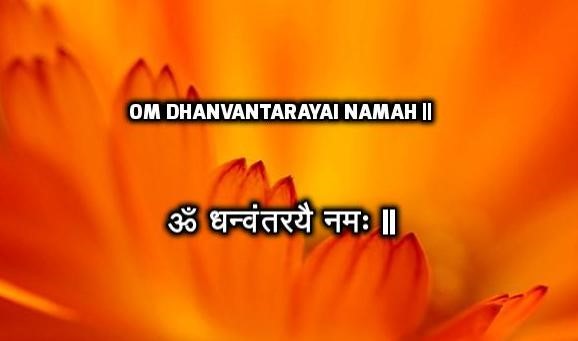
2.Dhanvantri Mantra:
First of all, get seven black peppercorns and place them on your right hand. Chant this mantra for 31 times in a row and focus should be on peppercorns. After chanting, crush these peppercorns add some mishri and consume the mixture and believe that you are being healed.
3.Beej Mantra for Diabetes:
Beej Mantra is full of power. Chanting of this mantra is done with faith to overcome Diabetes (Madhumeh).
4.Mantra For Diabetes
Chant this Mantra 21 times in a row. This Mantra becomes very powerful if chanted along with the Gayatri mantra.
5. Ganesh Mantra
Keep the divine spirit of Ganesha in mind and chant this mantra with the full belief to get rid of diabetes.
6.Gayatri Mantra
Gayatri Mantra is recited in every house to be protected in all ways. Chanting of the Gayatri mantra for 108 times in arrow is done to cure diabetes.
7.Diabetes Mantra
Chanting of this great Mantra at least 108 times anywhere, anytime will heal you and help you to get rid of Diabetes.
Simple Mantra to Cure Diabetes:
This is also known as Miracle mantra to treat diabetes. Chant this Mantra for 108 times every day and see the results.